

Vintage Patterned Rug
A vintage patterned rug brings centuries of weaving traditions into a modern room through rich tribal motifs and enduring wool.
Vintage Patterned Rug
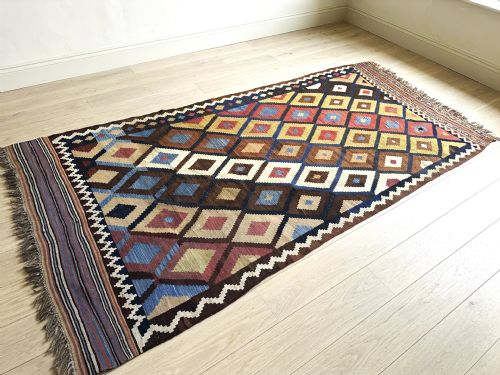
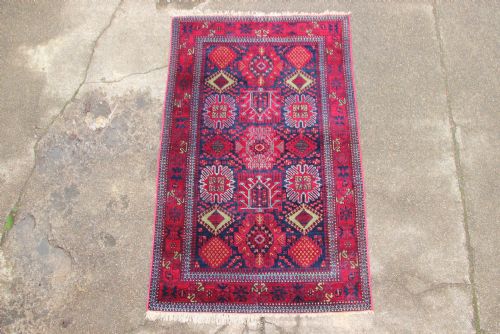
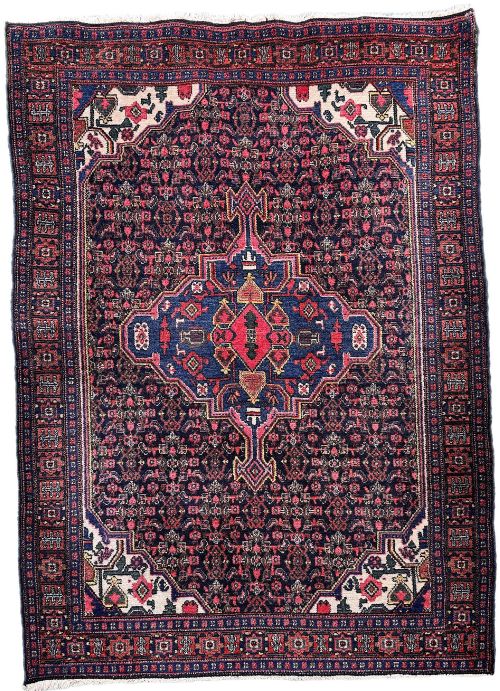
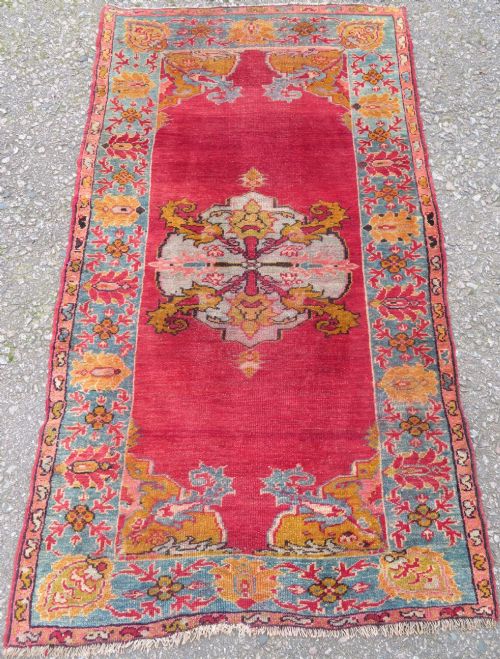
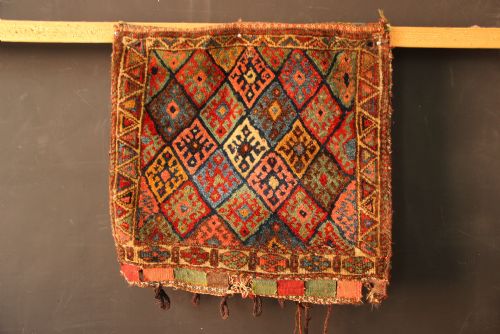
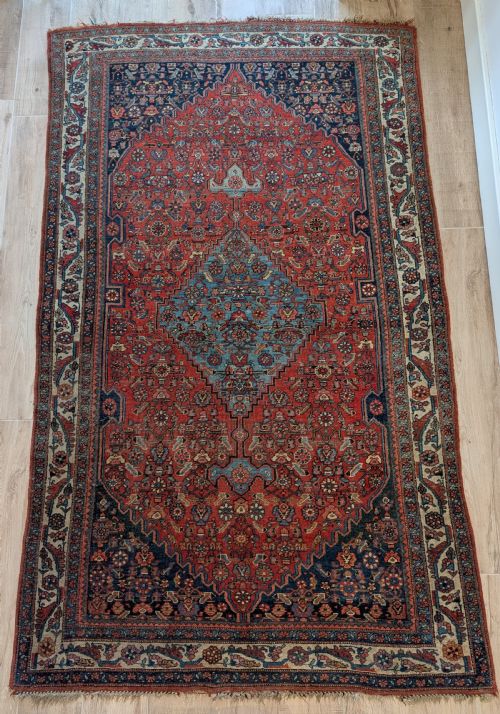
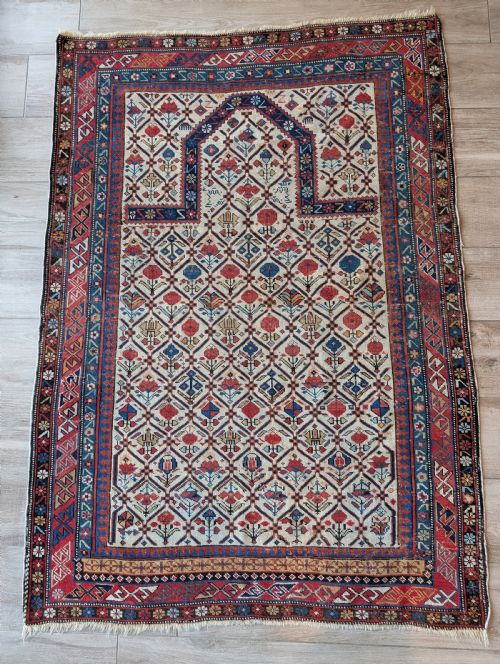
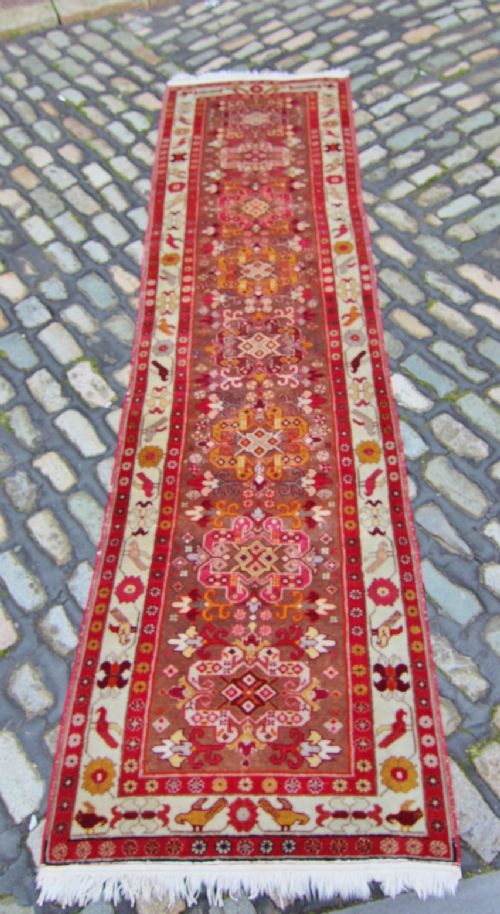
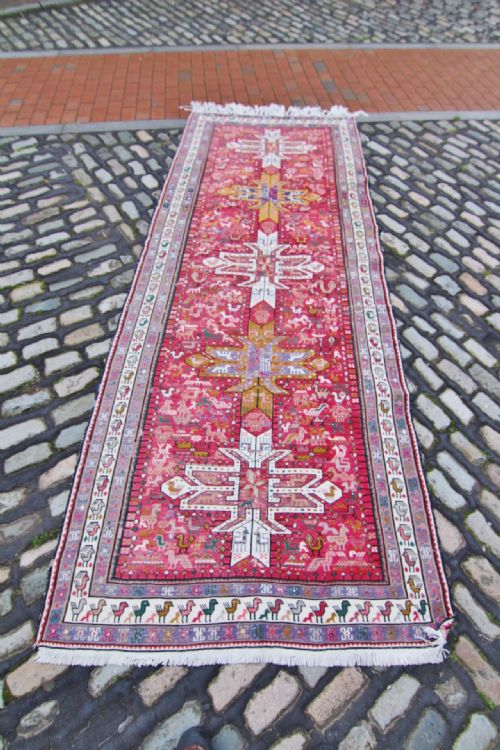
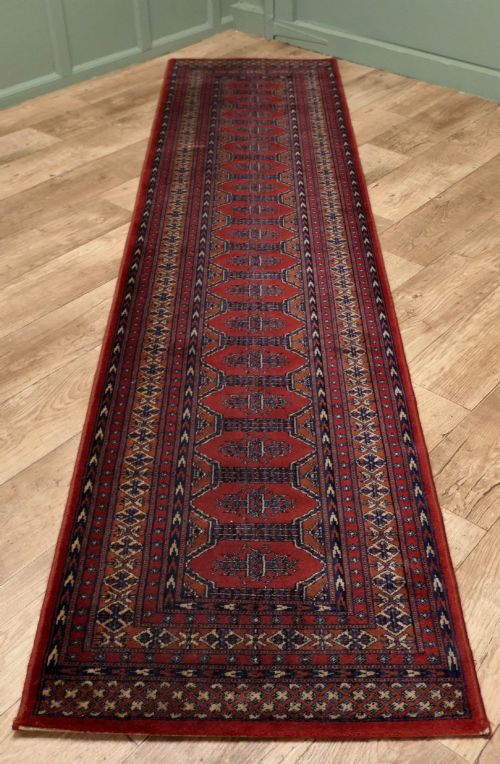
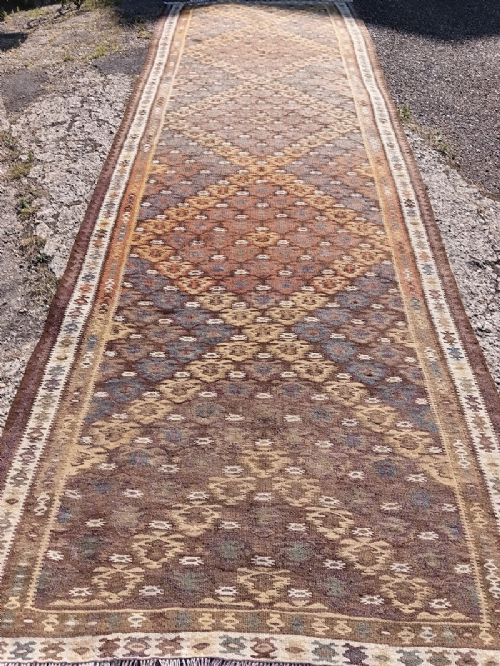
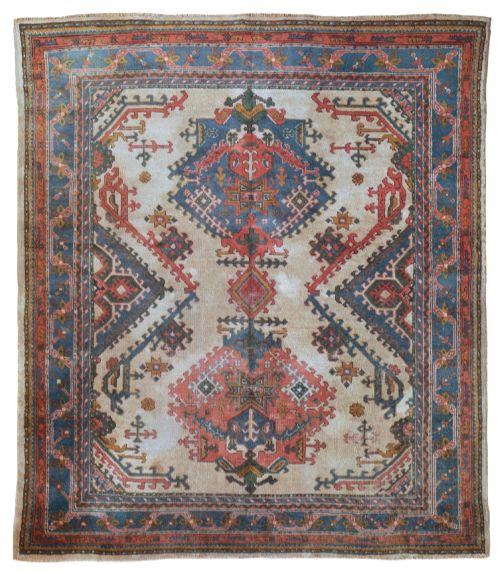
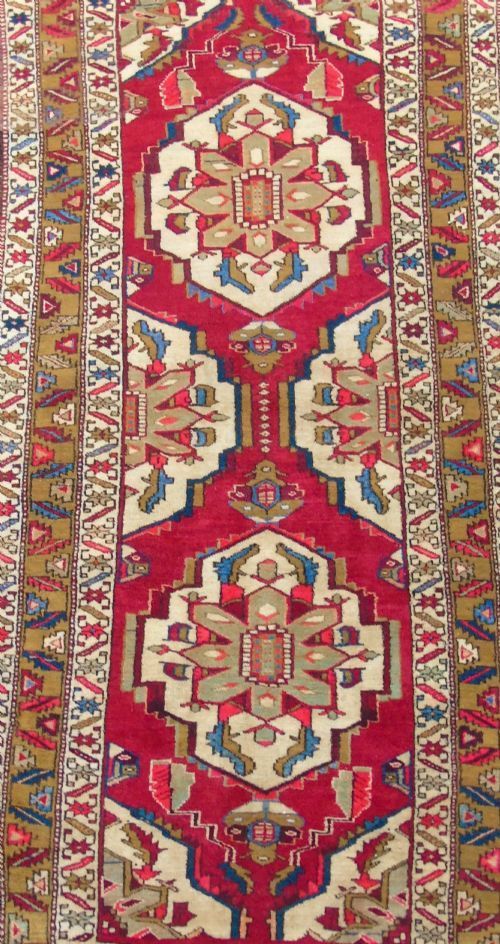
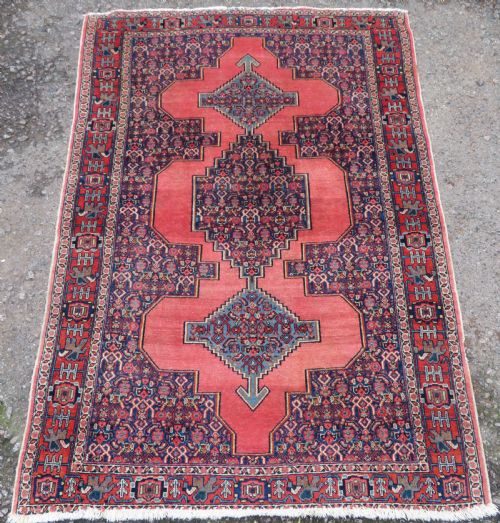
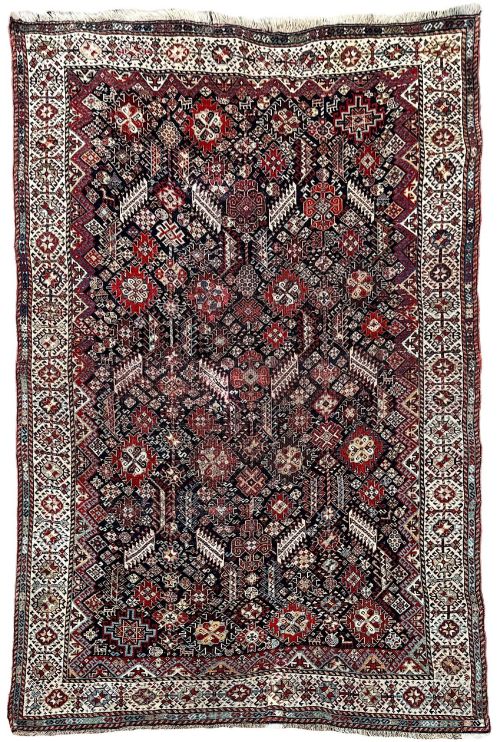
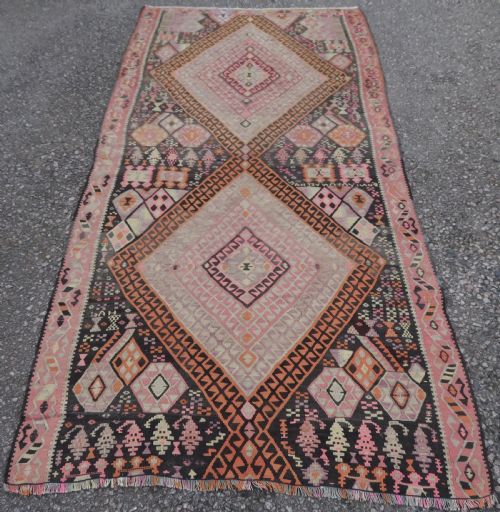
When searching for a vintage patterned rug, buyers encounter hand-knotted textiles originating from Persia, the Caucasus, Central Asia, and Turkey. These floor coverings and runners span periods from the nineteenth century through the early decades of the twentieth century. The selection includes tribal weavings, village carpets, and town workshops featuring geometric medallions, floral sprays, and all-over boteh designs.
The most frequent pieces met on this page are Persian tribal and village rugs alongside Anatolian kelims and Turkmen carpets. These items range from compact scatter sizes and runners to large room-sized carpets and ceremonial tent door hangings. Each piece reflects the specific regional palette and knotting structure of its maker.
How they were made
Makers constructed these textiles predominantly using wool, hand-spun wool, and cotton foundations, occasionally integrating silk highlights into the pile. Weavers knotted the pile by hand onto warp and weft threads, creating dense structures designed to endure heavy foot traffic. Many pieces relied upon natural dyes derived from plants and minerals, yielding stable tones that soften gracefully over decades.
Tribal and village weavers utilised upright looms set up in tents or domestic dwellings, passing weaving traditions down through generations. Town workshops employed master designers to map intricate floral and medallion carpets before knotting began. The resulting textiles combined local geometric symbolism with sophisticated dyeing and spinning techniques.
Vintage Patterned Rug Retail Price Guide 2026
Typical asking prices for vintage patterned rug among the pieces listed under this phrase on Sellingantiques today, from the lower quarter to the upper quarter. They describe what is for sale here now, not the wider market.
Among the nomadic textiles, an Afghan ceremonial horse blanket survives as a reminder that fine woolwork once dressed livestock for tribal celebrations.
What varies in quality
Quality in these textiles depends heavily upon the precision of the knotting and the fineness of the materials selected by the weaver. Higher grade examples display tighter knots per square centimetre, sharper definition in geometric or floral motifs, and balanced proportions across the field and borders. Superior wool quality contributes to a softer handle and a more resilient pile that retains its structural integrity.
The depth and harmony of the palette distinguish finer pieces from standard production. Rugs dyed with rich natural colorants develop a desirable patina as they age, whereas lesser examples may show flat or uneven dye absorption. The sophistication of the design execution and the regularity of the weave separate exceptional tribal and workshop pieces from simpler utility items.
The Vintage Patterned Rug Glossary
- Kilim
- A flat-woven carpet or rug produced without a pile by tightly interweaving warp and weft strands. These textiles often feature sharp geometric patterns and lightweight structures.
- Boteh
- A stylised almond or pear-shaped motif representing a floral shoot or cypress tree. This ancient symbol appears frequently in Persian and regional textile designs.
- Runner
- A long, narrow carpet format designed specifically for hallways, corridors, or alongside beds. These pieces repeat central medallions or all-over motifs along an elongated axis.
- Knot
- The individual loops of wool, cotton, or silk tied to the warp threads to form the pile of a rug. The density and type of knot define the clarity of the pattern on the surface.
- Natural dye
- Colouring matter obtained from plants, insects, and minerals rather than synthetic chemicals. These dyes produce complex hues that mellow gently with age and light exposure.
Vintage Patterned Rug: Frequently Asked Questions
How do I clean a vintage rug?
Professional specialist cleaning is essential for older wool and silk textiles to protect fragile fibres and natural dyes. Avoid harsh chemical treatments or domestic carpet shampooers that saturate the cotton foundation.
Regular gentle vacuuming without the beater bar engaged prevents dust accumulation within the pile. Rotating the rug periodically ensures even wear across high-traffic areas.
Can I place these rugs in hallways?
Many of these pieces were constructed as runners specifically for corridors and narrow transitional spaces. The durable nature of hand-spun wool and tight knotting suits areas with frequent movement.
Utilising a breathable underlay prevents slipping and cushions the foundation against hard flooring surfaces. This extra layer reduces friction between the wool pile and the floor beneath.
How do I identify tribal designs?
Tribal rugs display bold geometric configurations, stylised animal forms, and repeated hook motifs rather than elaborate curvilinear court designs. Weavers from nomadic groups relied on memory and traditional regional patterns passed down through families.
Palettes often incorporate deep reds, indigos, and golds produced from local plant sources. The irregularities in symmetry reveal the spontaneous hand-woven nature of nomadic production.
Why do some rugs appear distressed?
Decades of use, sunlight exposure, and natural wear create a faded, low-pile aesthetic known as distressed or antique patina. This condition reflects the history of the textile and softens the original intensity of the dyes.
Provided the foundation of warp and weft threads remains stable, lower pile depth does not compromise the structural integrity. Many collectors actively seek this aged character for contemporary interiors.