



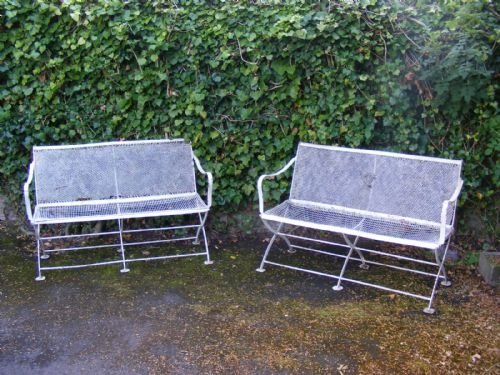
Vintage Patio Bench
A vintage patio bench brings timeless outdoor seating to your garden, combining robust metals and weathered timber for lasting utility.
Vintage Patio Bench
A vintage patio bench is an outdoor seat designed to endure the elements while providing comfort in a garden or courtyard setting. The pieces listed span from the nineteenth century through the interwar period, offering diverse aesthetic choices for buyers.
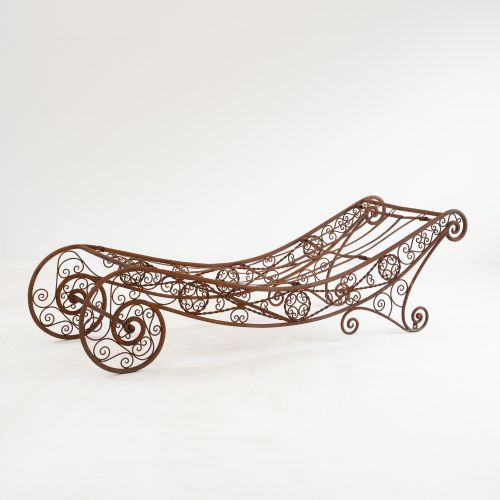
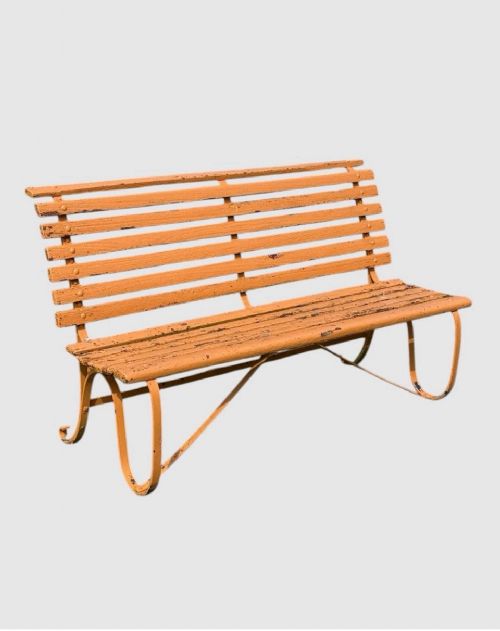
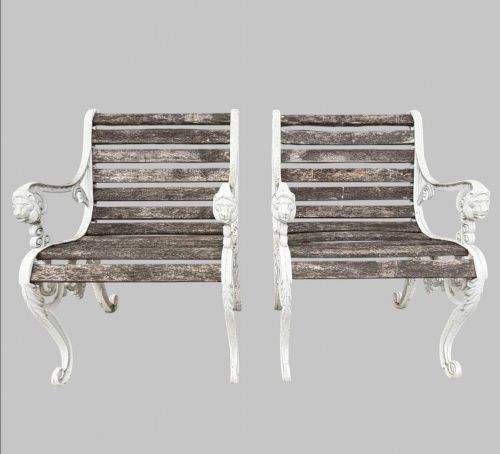
You are most likely to encounter robust iron constructions or weathered teak forms on this page. Examples range from Victorian cast iron and wood combinations to French wrought iron daybeds and Regency style strap work seats.
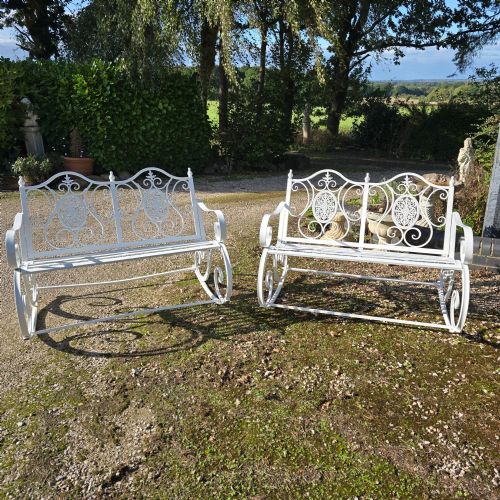
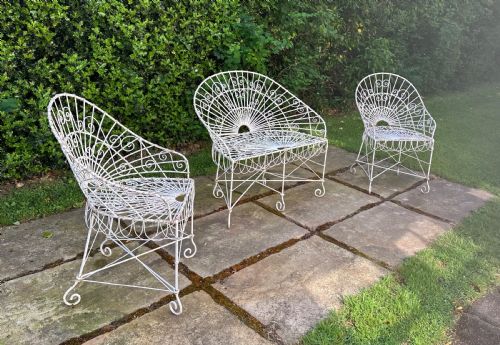
Traditional English garden styles sit alongside French country designs and interwar pieces. Buyers often find matching armchairs, rocking benches, and complete garden sets alongside single benches.
How these outdoor benches were constructed
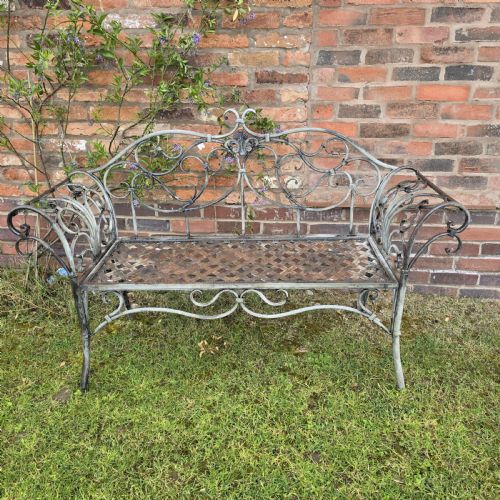
Makers utilised heavy cast iron and wrought iron for structural durability and decorative detail. Techniques like casting allowed for intricate motifs such as lion masks, while strap work created geometric elegance in iron seats.
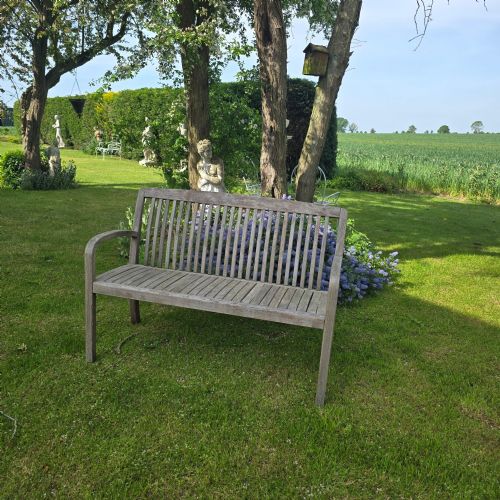
Timber such as teak was selected for natural weather resistance and longevity in outdoor environments. Over time, exposure to the elements leaves this wood with a characteristic well-weathered silvered patina.
Vintage Patio Bench Retail Price Guide 2026
Typical asking prices for vintage patio bench among the pieces listed under this phrase on Sellingantiques today, from the lower quarter to the upper quarter. They describe what is for sale here now, not the wider market.
Listings feature periods from the nineteenth century up to the interwar period, utilising wrought iron, cast iron, teak, and wire.
Judging the quality of a vintage patio bench
Quality rests in the crispness of iron castings and the integrity of the joinery between metal and wood. Finer examples display detailed ornamentation like lion masks or precise strap work rather than plain, utilitarian execution.
The condition of the materials dictates the distinction between standard items and superior pieces. Original paint surfaces, well-weathered silvered teak, and structurally sound ironwork separate exceptional survivals from lesser examples.
The Vintage Patio Bench Glossary
- Wrought iron
- Iron beaten into shape by hand or machine rather than poured into a mould. This material offers great tensile strength and flexibility for outdoor furniture.
- Cast iron
- Molten iron poured into a sand mould to create decorative and structural forms. It allows for intricate ornamentation such as masks and relief patterns.
- Strap work
- An ornamental motif or construction method using narrow strips of metal arranged in geometric patterns. It provides a lighter visual weight to iron garden seats.
- Daybed
- An elongated piece of furniture designed for reclining as well as sitting. In garden contexts, these provide extended lounging surfaces outdoors.
Vintage Patio Bench: Frequently Asked Questions
How do I care for a vintage patio bench?
Maintenance depends primarily on the material of your bench. Iron requires monitoring for corrosion and occasional protective treatments, while teak handles weathering naturally.
Storing wooden and metal seats under cover during the harshest winter months helps preserve their structural integrity and original surface character.
Can these benches stay outside all year?
Most of these pieces were built specifically for outdoor use and withstand rain and sun. Materials like cast iron, wrought iron, and teak endure outdoor climates reliably.
Extreme frost can occasionally affect older masonry or brittle metals, so positioning them on dry paving rather than damp soil prolongs their lifespan.
What is the difference between iron and teak garden seats?
Iron seats provide rigid structural forms and allow for elaborate cast decoration. They offer substantial weight and permanence in a garden landscape.
Teak benches rely on natural oils to resist decay, offering a warmer touch and a softer visual integration with surrounding foliage as the wood silvers.
How do I date an old garden bench?
Dating relies on stylistic clues, manufacturing methods, and material usage. Victorian pieces often feature heavy cast iron ornamentation and timber slats.
Interwar and later nineteenth-century pieces show shifts toward simpler strap work, French country designs, or specific regional metalworking techniques.