

Vintage Pastel Painting
A vintage pastel painting brings soft texture and powdered pigment to your wall, capturing portraits and landscapes across the decades.
Vintage Pastel Painting
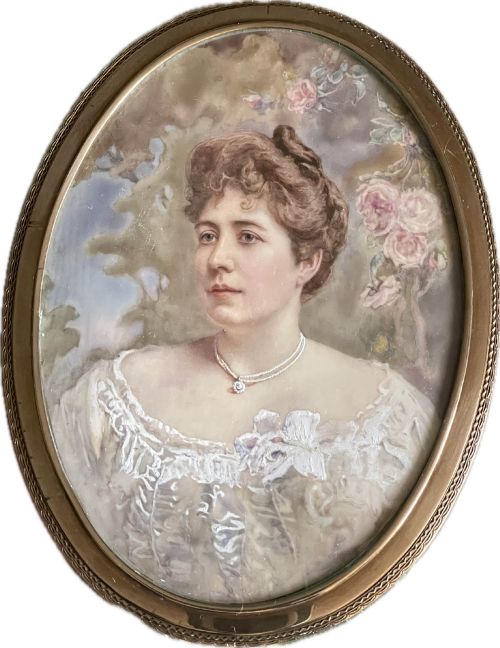
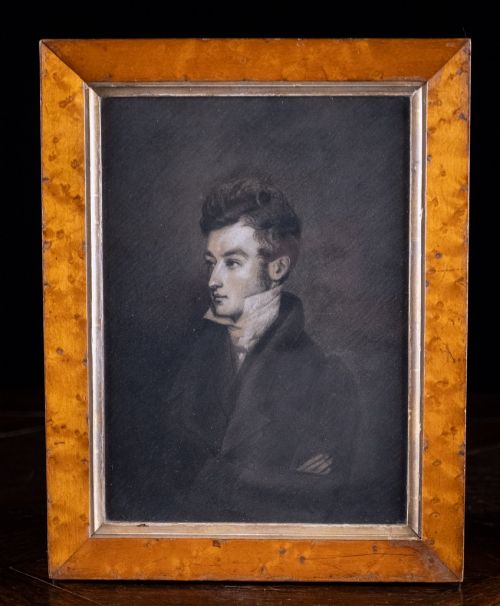
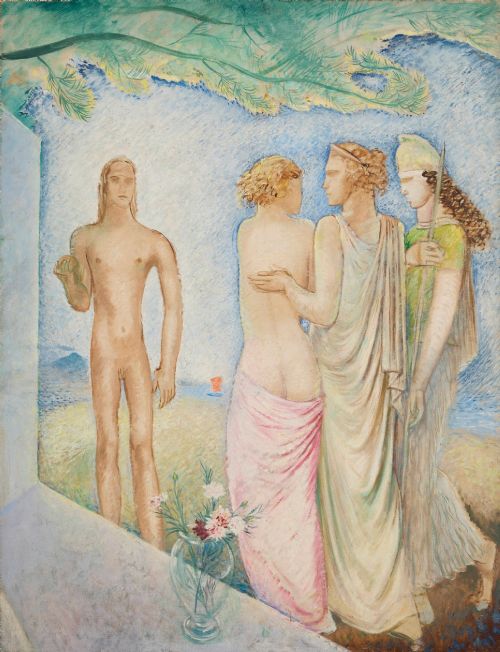
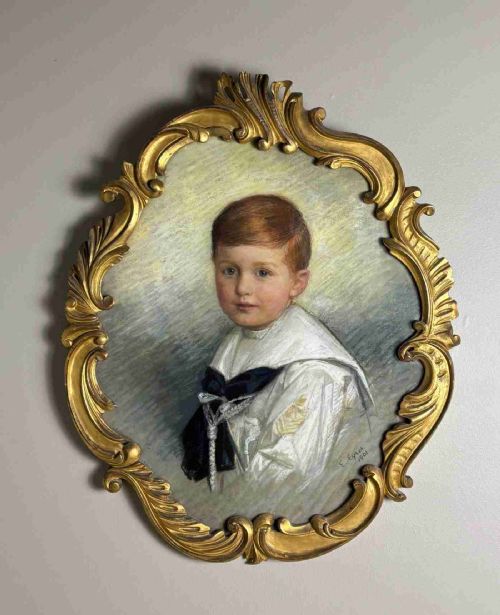
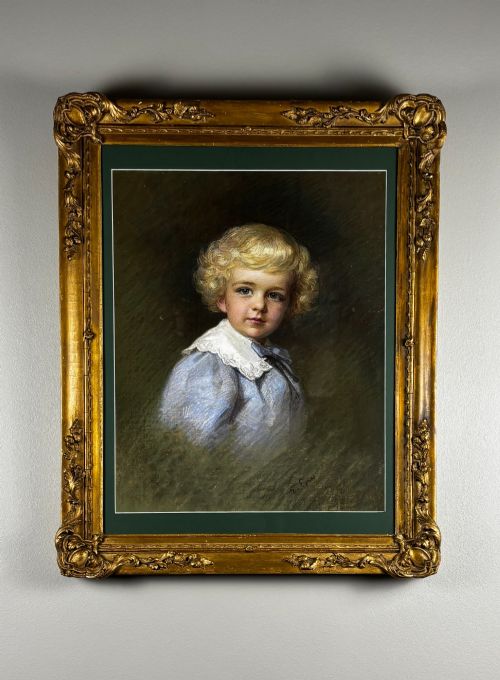
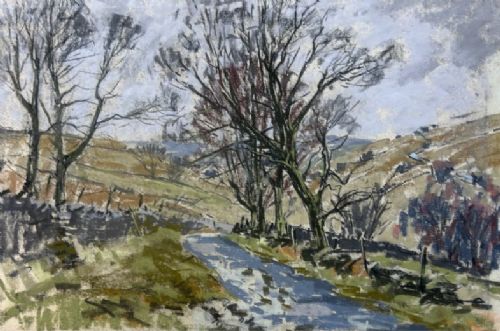
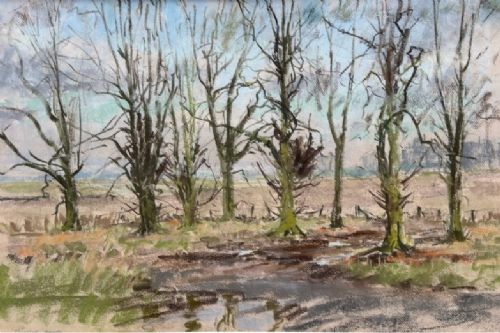
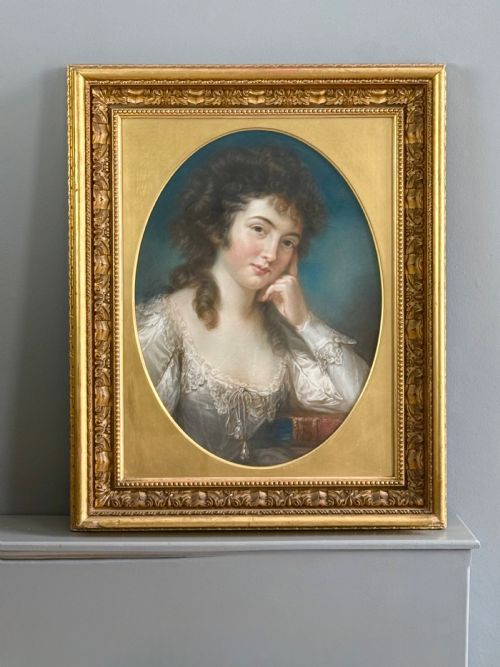
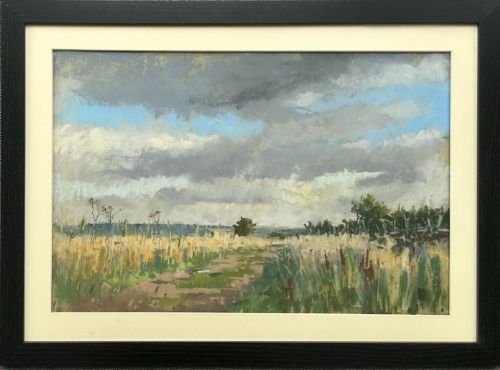
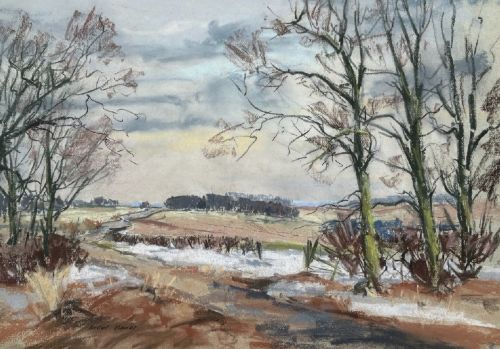
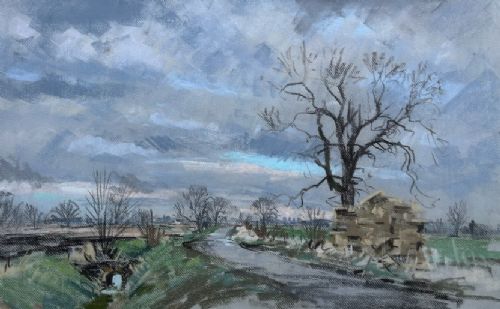
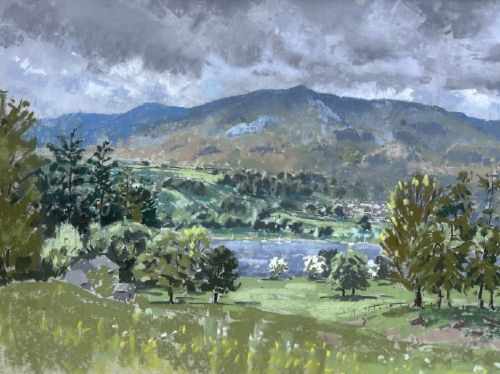
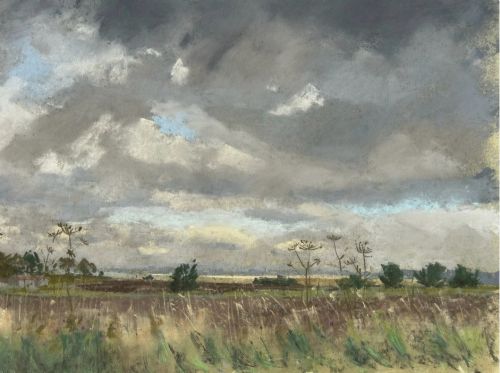
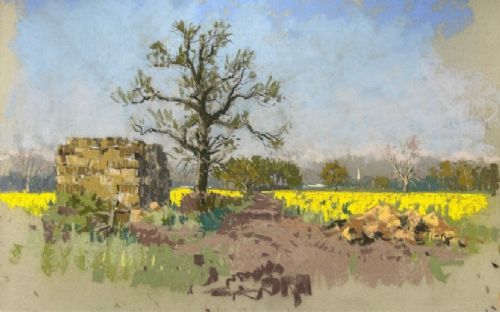
When you search for a vintage pastel painting, you encounter works spanning from the nineteenth century through the mid twentieth century, encompassing British Impressionism, Victorian portraiture, and Modern British landscapes. These pieces take the form of framed original artworks, intimate sketches, and detailed studies depicting figures, animals, and scenic views.
The most common examples on this page are mid-century British landscape drawings of Yorkshire and coastal scenes, alongside early twentieth-century portraits of children and officers. You also find still lifes, animal studies, and foreign street views rendered with dry pigments on paper.
How they were made
Artists created these works by applying powdered pigment sticks directly onto paper or card, often blending the dry media with fingers, stumps, or cloths to build up tone and colour. Many pieces incorporate gouache, watercolour, or ink to define lines and add depth to the composition.
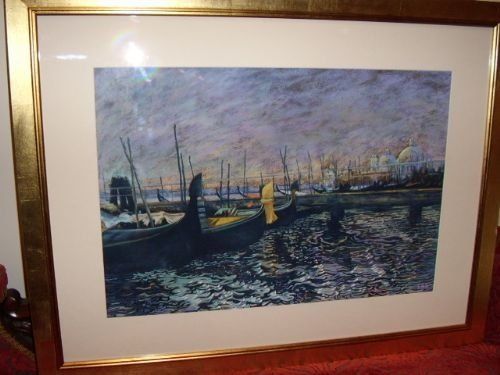
Framing under glass proved essential for survival, protecting the fragile, friable surface of the pigment from disturbance and atmospheric moisture. The backing supports typically include wood frames, sometimes finished with giltwood mouldings.
Vintage Pastel Painting Retail Price Guide 2026
Typical asking prices for vintage pastel painting among the pieces listed under this phrase on Sellingantiques today, from the lower quarter to the upper quarter. They describe what is for sale here now, not the wider market.
Subjects range from Yorkshire winter landscapes and Cornish harbours to formal portraits of army officers and royalty.
What varies in quality
Quality rests upon the sureness of the draughtsmanship and the artist's command of light, shadow, and texture within the powdered medium. Stronger works display confident handling that captures personality or atmosphere without excessive smudging.
The degree of preservation also determines value, particularly whether the sheet retains its original vibrancy beneath the protective glass without significant pigment loss or damp staining.
Emily Eyres·Angus Rands·John Russell R.A.·Robert Leslie Howey·John Hobson Nicholson·Berthe des Clayes
The Vintage Pastel Painting Glossary
- Pastel
- A dry painting medium consisting of powdered pigment combined with a binder gum, shaped into sticks. It offers velvety textures and immediate colour application.
- Gouache
- An opaque water-based paint often used alongside pastel to provide sharp highlights and solid areas of tone. It adds structural contrast to softer powdery passages.
- Giltwood
- Carved wood treated with a thin layer of gold leaf or metallic gilt, commonly found on the frames housing traditional portraits and landscapes.
- Bisque
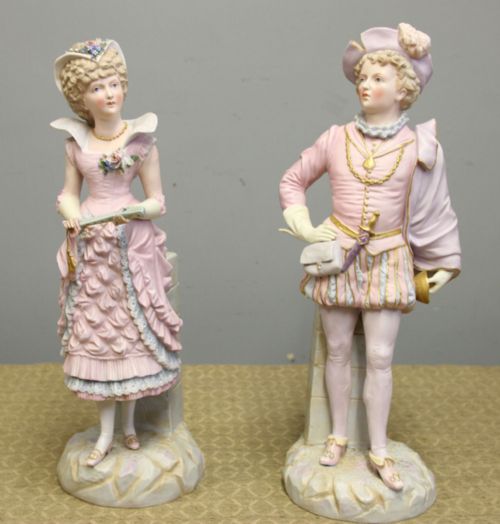
- Unglazed ceramic porcelain that presents a matte, white biscuit finish resembling marble. It appears on decorative figures associated with nineteenth-century interior displays.
- Fixative
- A liquid spray applied to pastel works to bind the loose pigment particles to the paper surface and prevent dusting.
Vintage Pastel Painting: Frequently Asked Questions
Where should I hang these artworks?
Display your framed pastels on interior walls away from direct sunlight, damp areas, and extreme temperature fluctuations to protect the fragile pigments.
Position them at eye level in rooms with stable environments, such as a study or drawing room.
How do I date an antique pastel?
Examine the framing materials, backing boards, paper types, and artist signatures or exhibition labels attached to the reverse of the work.
Stylistic clues within clothing, hair fashions, and landscape subjects also help narrow down the decade of creation.
Why are pastels framed under glass?
Glass protects the delicate, unvarnished pigment layer from being touched, smudged, or rubbed away over time.
It also shields the paper from airborne dust, grease, and moisture that can degrade the organic materials.