




Vintage Parquetry Bed
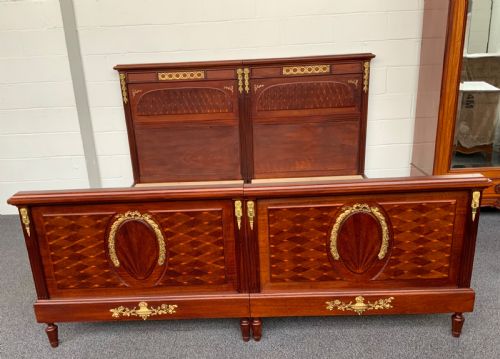
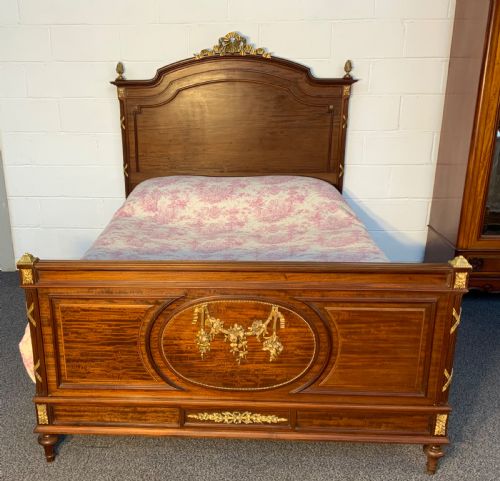
A vintage parquetry bed brings intricate geometric wood surfaces and classical proportions into the bedroom.
Vintage Parquetry Bed
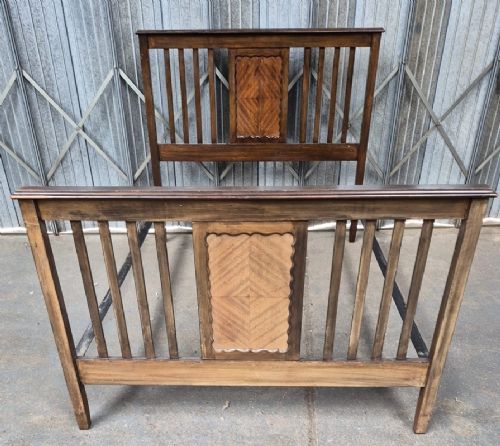
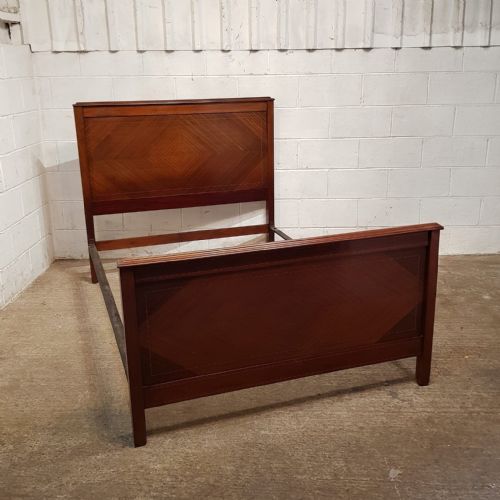
When you search for a vintage parquetry bed, you encounter timber frames decorated with precision wood veneers arranged in geometric patterns. The pieces available on this page span from the late nineteenth century through the Edwardian era and into the nineteen-twenties.
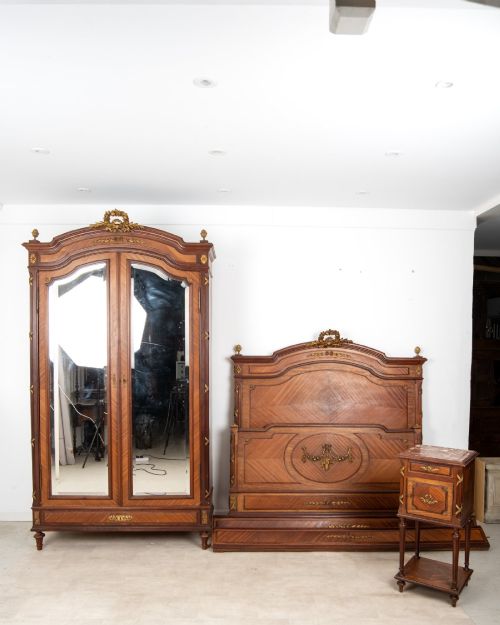
Most examples originate from French workshops following Louis styles or emerge as Edwardian mahogany pieces. You will find double, king and single proportions, sometimes accompanied by matching bedroom furniture such as bedside cabinets or wardrobes.
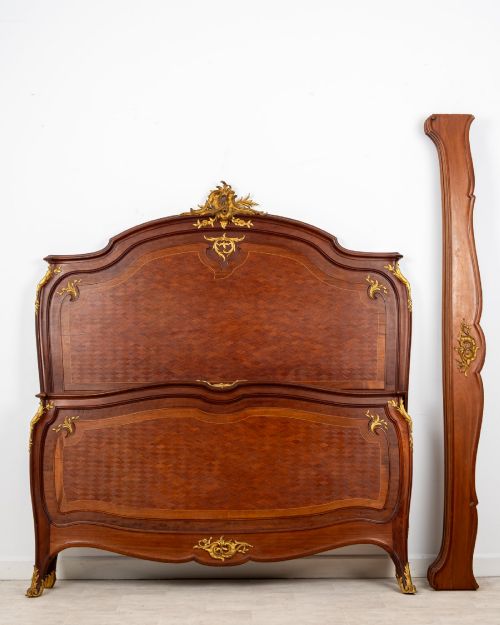
The aesthetic relies on the contrast of grain and tone within the parquetry surface, often framed by ormolu or brass mounts. These bedsteads function as sculptural focal points in a traditional or eclectic interior.
How they were made
Cabinetmakers constructed these frames using solid timbers like mahogany, walnut, fruitwood and kingwood as a structural base. Thin veneers of contrasting woods were then hand-cut and fitted together to create the intricate parquetry surface on the headboards and footboards.
Metal ornamentation played a significant role in the construction of French revival pieces. Craftsmen applied cast ormolu and gilt bronze mounts to accentuate the structural lines and corners of the timber framework.
Vintage Parquetry Bed Retail Price Guide 2026
Typical asking prices for vintage parquetry bed among the pieces listed under this phrase on Sellingantiques today, from the lower quarter to the upper quarter. They describe what is for sale here now, not the wider market.
Several large beds arrive with matching bedside cabinets, ensuring your alarm clock rests upon the exact same timber geometry.
What varies in quality
The distinction between ordinary and exceptional pieces lies in the complexity and precision of the wood mosaic. Finer examples display meticulous alignment in the parquetry blocks, utilising dense timbers that retain their crisp geometry over decades of use.
The quality of the mountings separates workshop tiers significantly. Heavier, finely chased gilt bronze or ormolu mounts indicate a higher grade of manufacture than simple pressed brass detailing.
The Vintage Parquetry Bed Glossary
- Parquetry
- A geometric mosaic of wood veneer used for decorative paving on surfaces. It differs from marquetry by utilising strict angular shapes rather than pictorial curves.
- Ormolu
- Gilded bronze mounts applied to furniture. The technique involves mercury amalgamation to bond gold to a bronze base.
- Bedstead
- The framework of a bed supporting the mattress and spring. It includes the headboard, footboard and side rails.
- Kingwood
- A dense, richly grained timber from South America. Cabinetmakers prized it for its deep purple-brown tones in fine veneer work.
Vintage Parquetry Bed: Frequently Asked Questions
What mattress size fits these antique beds?
Many older French and Edwardian bedframes do not conform to modern standard dimensions exactly. It is essential to check the internal rail measurements before purchasing a contemporary mattress.
Custom mattress makers can often supply units tailored to fit antique bedsteads without altering the original wooden side rails.
How do I care for the parquetry surface?
Regular dusting with a soft, dry cloth protects the delicate veneer work from abrasive particles. Avoid placing the wooden frame near direct heat sources or strong sunlight to prevent timber shrinkage.
Applying a traditional beeswax polish periodically helps nourish the wood and maintains a subtle lustre across the geometric patterns.
Are these beds easy to assemble?
Most antique bed frames utilise traditional metal bolt-in side rail fixings rather than modern slat systems. You will need basic spanners to tighten the internal bolts securely during setup.
Having two people assemble the heavier hardwood and ormolu-mounted components prevents accidental strain on the antique joints.
How can I identify a Louis revival style?
Louis XV revival pieces generally display asymmetrical curves, flowing naturalistic carving, and cabriole legs. Louis XVI revival items feature strict symmetry, fluted columns, and neoclassical geometric restraint.
Both styles frequently incorporate parquetry veneer panels and cast metal mounts to emulate eighteenth-century court furniture.