





Vintage Parlor Furniture
These vintage parlor furniture pieces bring formal sitting room charm into the home through mahogany cabinets, rosewood suites, and inlaid seating.
Vintage Parlor Furniture
Vintage parlor furniture covers the seating, tables, and cabinets designed for reception and drawing rooms across the nineteenth and early twentieth centuries. When searching for vintage parlor furniture, buyers encounter everything from complete matching salon suites to individual display cabinets and occasional tables.
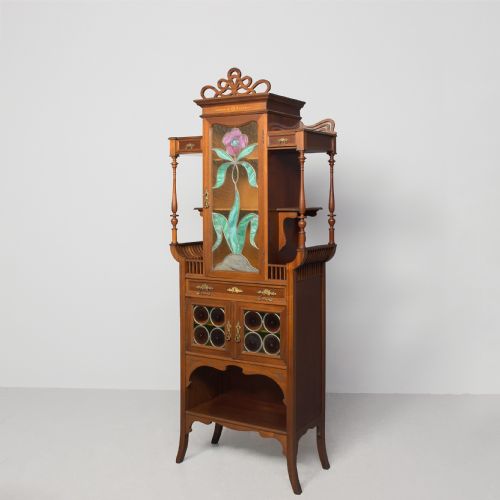
The pieces on this page span several decades, led by Edwardian and Victorian examples alongside Arts and Crafts and Art Nouveau designs. Mahogany and rosewood form the backbone of the selection, appearing alongside oak, burr birch, and satinwood.
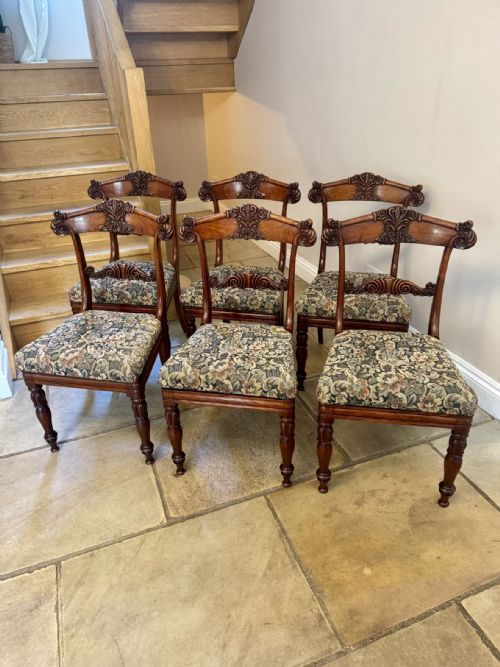
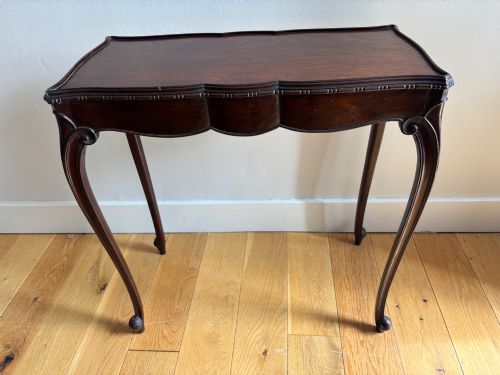
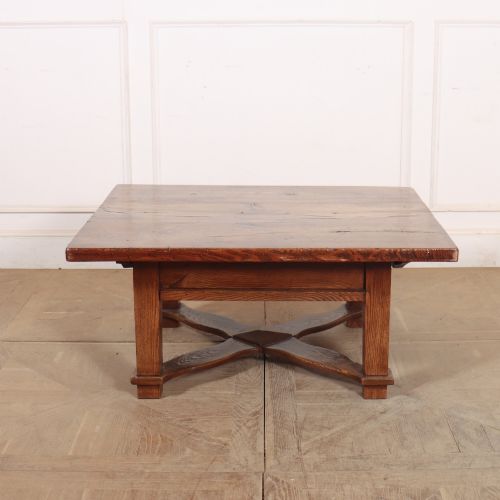
Seating dominates the options, ranging from large settees and multi-piece upholstered suites to single armchairs and dining chairs. Cabinets and tables provide the supporting storage and display surfaces typical of period drawing rooms.
Materials and construction methods
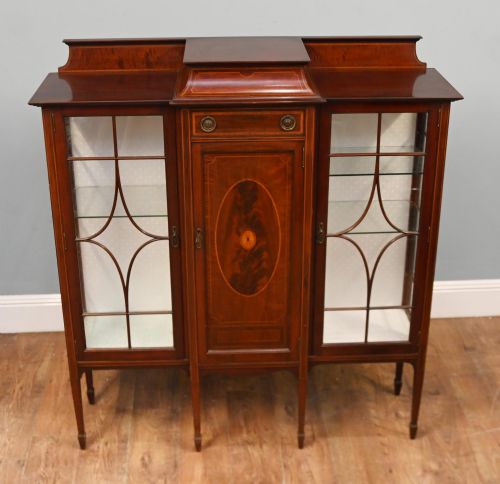
Cabinet makers utilised dense hardwoods like mahogany and rosewood as foundational materials, frequently embellishing surfaces with boxwood and satinwood inlay. Glass panels feature in display cabinets and vitrines, while brass hardware secures doors and compartments.
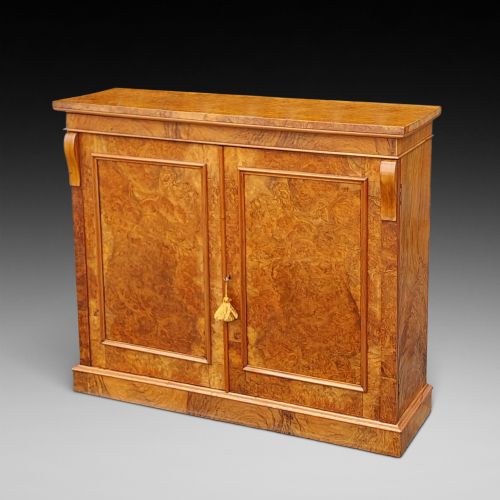
Upholstered items rely on traditional fabric and velvet coverings over supportive frames, sometimes incorporating bentwood or carved wooden rails. Surface finishing ranges from polished burr walnut and burr birch veneers to painted finishes on imported hardwood and elm.
Vintage Parlor Furniture Retail Price Guide 2026
Typical asking prices for vintage parlor furniture among the pieces listed under this phrase on Sellingantiques today, from the lower quarter to the upper quarter. They describe what is for sale here now, not the wider market.
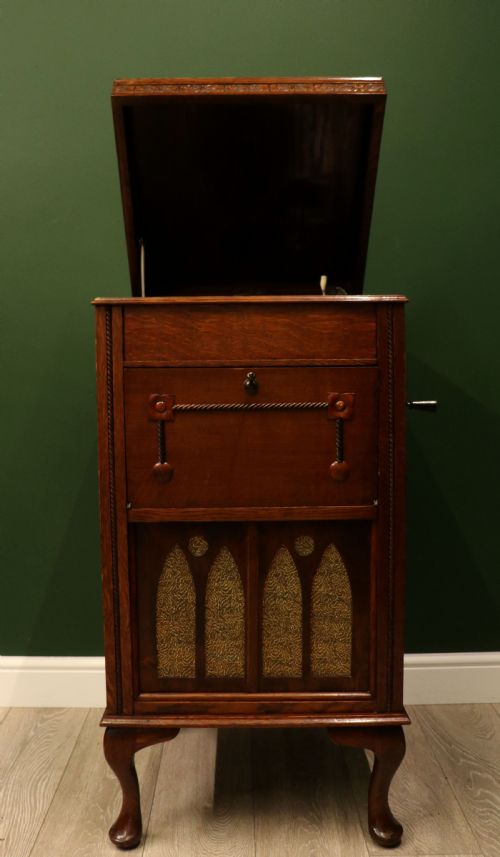
Among the formal seating sits an upright parlour gramophone from Leeds, ready to spin tunes when conversation flags.
Distinctions in quality and execution
Quality rests on the depth of the timber figuring and the precision of the inlay work, distinguishing standard production items from fine bespoke pieces. Burr walnut, rosewood, and figured mahogany demand greater skill in selection and matching across larger surfaces.
Structural integrity reveals itself in the joinery of cabinets and the firmness of upholstered frames within complete suites. The presence of integrated elements, such as stained glass panels or detailed brass fittings, elevates the standard of execution.
Robert Strahan & Co·U Phone·Baumann·Thonet
The Vintage Parlor Furniture Glossary
- Vitrine
- A glass-fronted display cabinet designed for showing porcelain and small decorative objects. These often feature mahogany frames and delicate inlay.
- Bergère
- An enclosed upholstered armchair with wooden sides and a cane or upholstered back. French Neoclassical examples demonstrate this formal seating style.
- Parlour suite
- A matching set of seating, typically comprising a settee and several matching armchairs or occasional chairs. These furnished formal nineteenth-century reception rooms.
- Inlay
- A decorative technique where contrasting woods like boxwood or satinwood are inserted into the primary timber surface. This creates geometric or floral patterns.
- Occasional table
- A small, portable table used for light tasks or display purposes within a living space. Examples range from octagonal maple-top designs to tilt-top variants.
Vintage Parlor Furniture: Frequently Asked Questions
What pieces belong in a parlor suite?
A parlor suite typically includes a matching settee alongside several upholstered armchairs or occasional chairs designed for a formal sitting room. These groupings ensure a unified appearance for entertaining guests.
Larger configurations span multiple matching seating elements, sometimes accompanied by related tables or cabinets in matching timbers like rosewood or mahogany.
How do I identify Edwardian furniture?
Edwardian furniture dates from the early twentieth century and frequently showcases lighter woods, satinwood inlay, and Sheraton Revival influences. Pieces from this era often feature refined proportions and polished mahogany or rosewood frames.
Display cabinets and occasional tables from this period lean towards elegant, understated decoration rather than the heavier carvings of earlier decades.
How should I care for rosewood?
Rosewood requires protection from direct sunlight and extreme temperature fluctuations to prevent the dense timber from drying out or fading. Gentle dusting with a soft cloth maintains the polished surface without abrasive cleaners.
Applying specialised furniture wax occasionally helps preserve the natural grain and deep colour inherent in Victorian and Edwardian rosewood pieces.