


Vintage Paper Sign
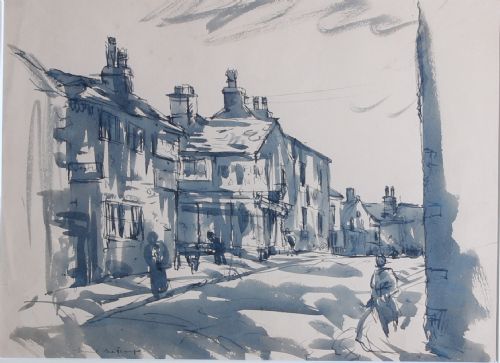
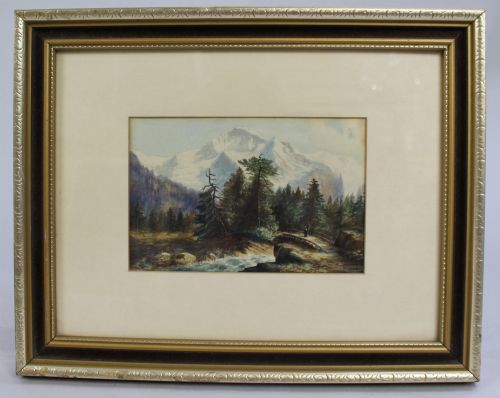
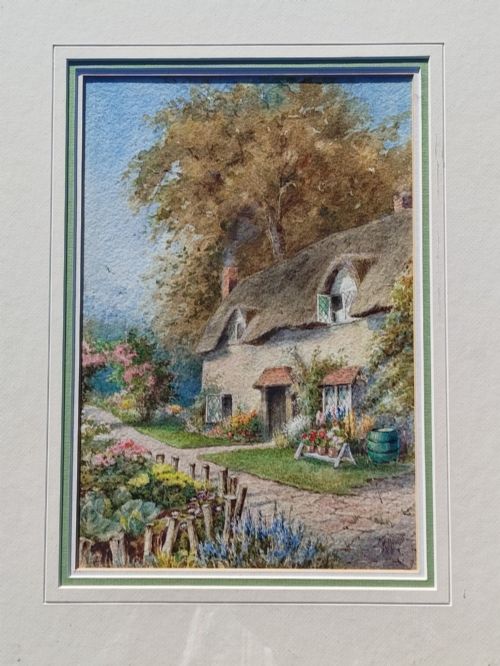
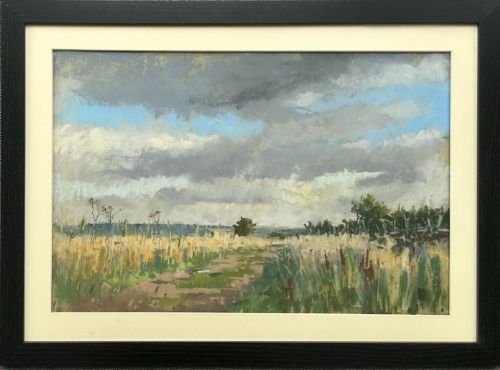
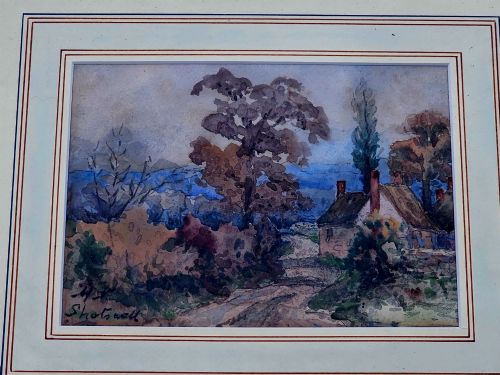
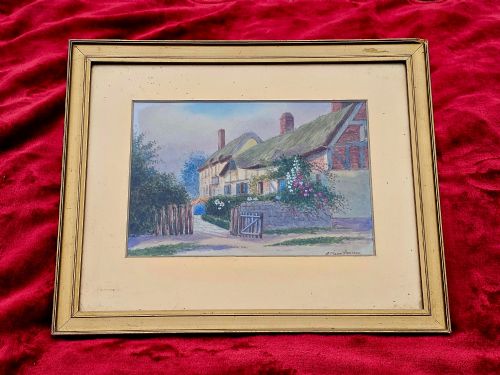
Vintage paper sign yields to watercolours, etchings, and drawings on paper framed in glass and wood from the Victorian era to the mid-twentieth century.
Vintage Paper Sign
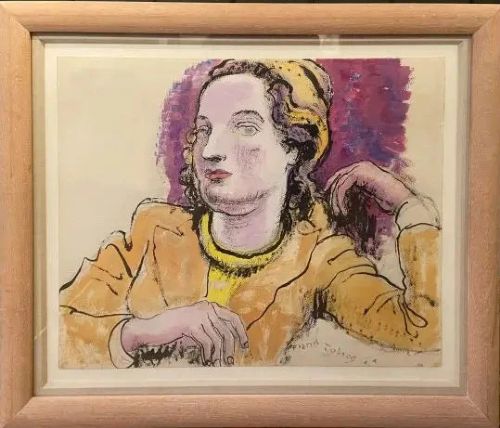
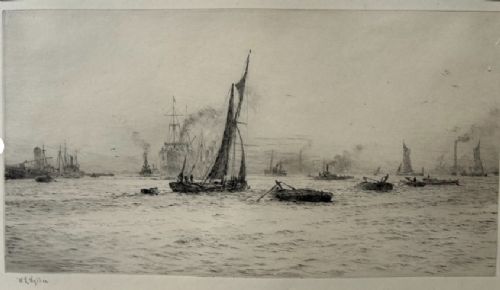
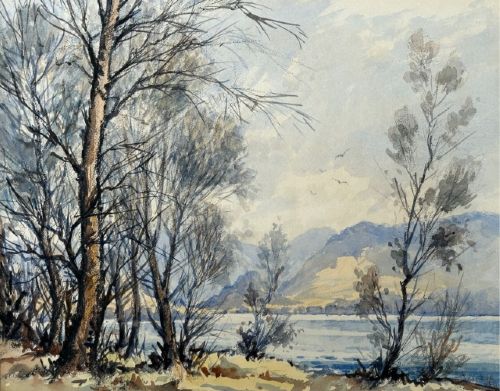
A vintage paper sign search reveals original watercolours, pencil drawings, etchings, and prints spanning the nineteenth century through the mid-twentieth century. Buyers encounter landscape watercolours, maritime scenes, portrait studies, and signed artist proofs.
The pieces on this page originate from British and American schools, showcasing Edwardian and mid-century modern movements alongside Victorian works. Forms range from framed artwork and wall art to paintings and etchings on paper.
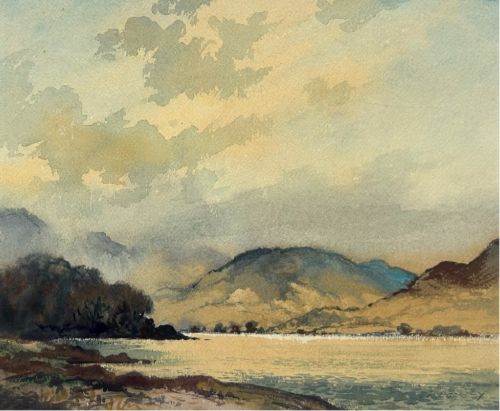
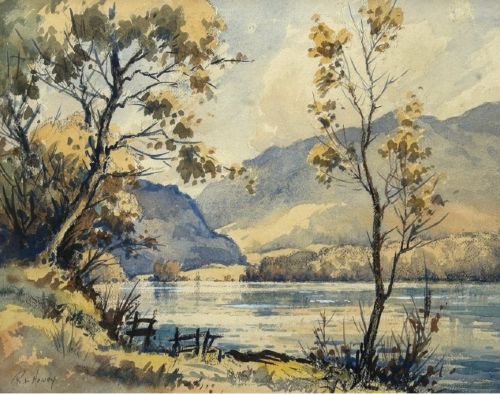
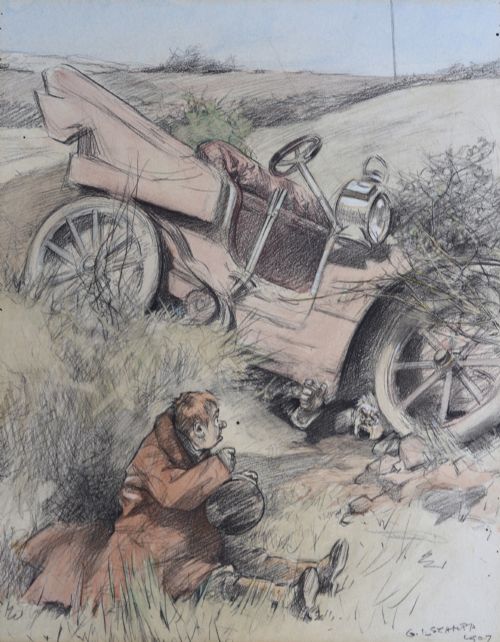
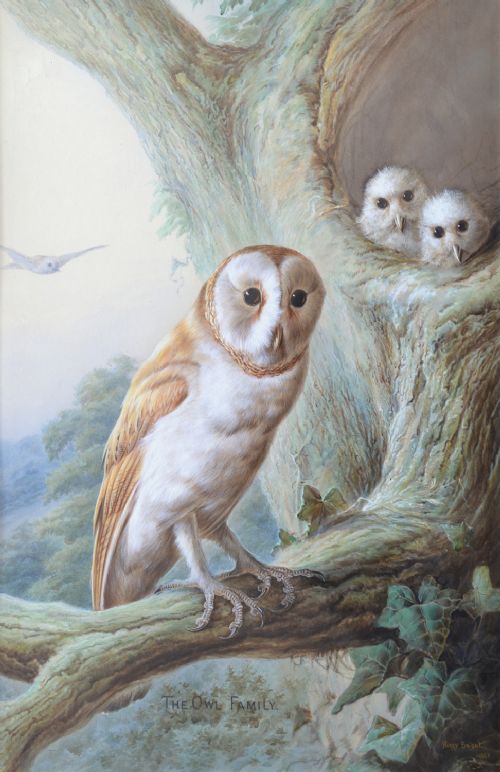
Makers and artists represented include notable painters and printmakers such as Herbert Dicksee, Robert Leslie Howey, and William Lionel Wyllie. These works capture subjects from Cumbrian lakes and Yorkshire harbours to portraiture and animal studies.
Materials and Technique
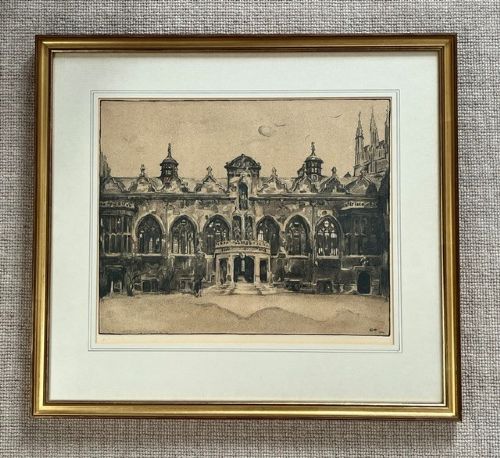
Artists utilise watercolour pigment, ink, graphite, and pastel applied directly to paper or coloured paper substrates. Etchings and mezzotint engravings involve inked metal plates pressed onto paper sheets to produce limited edition signed art proofs.
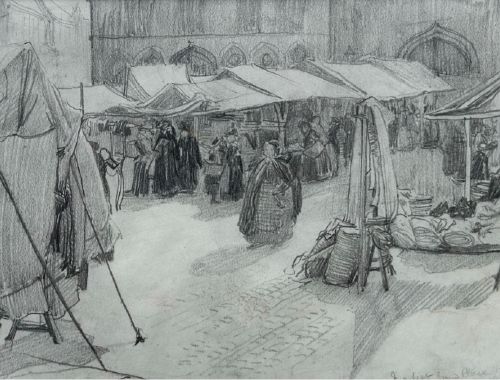
Framing typically incorporates protective glass and wooden mounts to preserve fragile paper and watercolour mediums from atmospheric damage. Pencil and chalk studies rely on precise hand-drawn marks rather than wet pigments.
Vintage Paper Sign Retail Price Guide 2026
Typical asking prices for vintage paper sign among the pieces listed under this phrase on Sellingantiques today, from the lower quarter to the upper quarter. They describe what is for sale here now, not the wider market.
The listings on this page span the nineteenth century through the nineteen sixties, featuring works executed in pencil, watercolour, and ink.
Evaluating Quality and Execution
Superior examples display confident brushwork, precise draughtsmanship, and strong compositional balance by established artists. Hand-signed artist proofs and original dated paintings command greater interest than unsigned works or standard prints.
Condition and preservation of the paper support, along with the quality of the framing, distinguish finer historical items. Strong provenance and clearly documented signatures enhance the desirability of a piece.
Angus Rands·Harry Bright·George Lorain Stampa·Henry Percy Huggill·Sir William Nicholson·A. Marie Parsons·Robert Leslie Howey·William Lionel Wyllie·Frank Dobson·Herbert Johnson Harvey·Herbert Dicksee·Dame Laura Knight·Sydney Wilson·Alfred George Morgan·John Rattenbury Skeaping·Anne Goldthwaite·Cuthbert Crossley·Thomas Bush Hardy·John Merrifield·Tom Clough·William Tuck·Michael Lyne·Sir Peter Blake·Augustus Edwin John·Lester Sutcliffe
The Vintage Paper Sign Glossary
- Etching
- A printmaking technique where lines are incised into a metal plate with acid before ink is applied and transferred to paper. This process allows for fine detail and tonal variation across limited editions.
- Watercolour
- A painting method in which coloured pigments are suspended in a water-based solution and applied to paper. Artists use translucent washes to create luminosity and atmosphere.
- Artist Proof
- An impression of a print taken in the printmaking process to check the state of the plate before the main edition is printed. These bear the artist signature and hold particular value for collectors.
- Mezzotint
- A printmaking process of the intaglio family where the plate is roughened to produce dark tones and smoothed areas to create light. It yields rich velvety blacks and subtle gradients.
- Pastel
- A dry painting medium consisting of powdered pigment and a binder formed into stick form. It produces vibrant colours that blend directly on the paper surface.
Vintage Paper Sign: Frequently Asked Questions
How should I hang framed paper art?
Keep framed paper works away from direct sunlight to prevent watercolour pigments and pencil marks from fading over time. Maintain stable room temperatures to protect the paper and wooden frames from moisture damage.
Ensure pieces are secured to wall studs using appropriate fixings given the weight of the wood and glass. Professional framing with acid-free mounts further safeguards the paper during long-term display.
What is an artist proof?
An artist proof is an impression pulled from a printing plate reserved for the creator outside the numbered commercial edition. These impressions often show early states or exceptional clarity of the etched lines.
Collectors prize them because they are personally inspected and signed by the artist. They represent a direct connection to the printmaker's working process.
How do I identify Edwardian watercolours?
Edwardian watercolours typically date between nineteen hundred and nineteen ten, often reflecting pastoral landscapes, coastal views, and gentle plein air subjects. Signatures and dates are frequently inscribed directly in pencil or ink on the lower margin.
Stylistically, these pieces balance traditional Victorian realism with lighter impressionistic brushwork. Paper stock from this era often bears period watermarks or characteristic textural weight.
Are pencil drawings light-sensitive?
Graphite and pencil marks resist fading better than fugitive watercolour pigments, but the paper itself remains vulnerable to ultraviolet light. Prolonged exposure can cause paper to yellow and become brittle.
Framing under glass with UV-filtering properties provides essential protection for drawings displayed in bright rooms. Archival backing boards prevent chemical degradation from transferring into the paper.