






Vintage Paper Knife
A vintage paper knife is a desk accessory designed to slit envelopes and turn pages, bringing period craftsmanship directly to your workspace.
Vintage Paper Knife
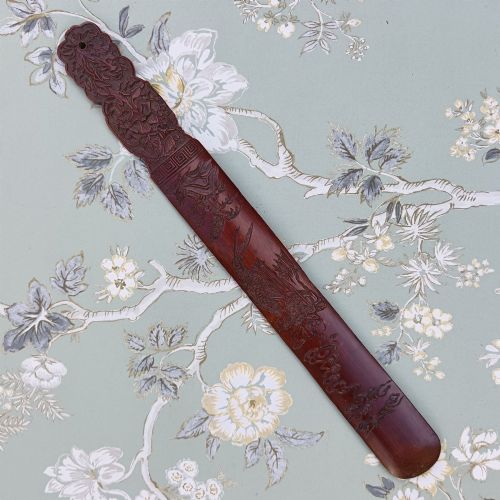
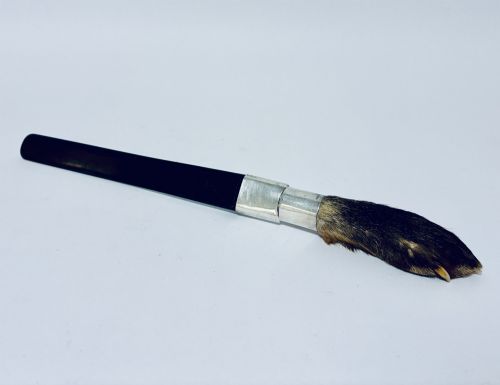
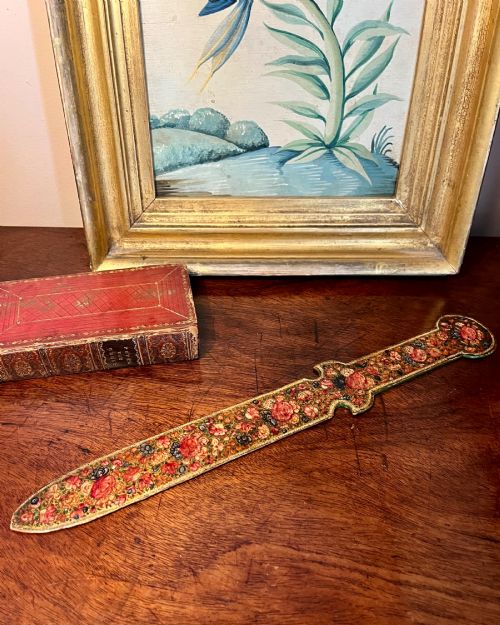
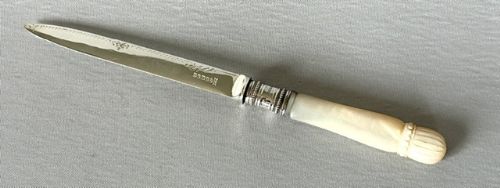
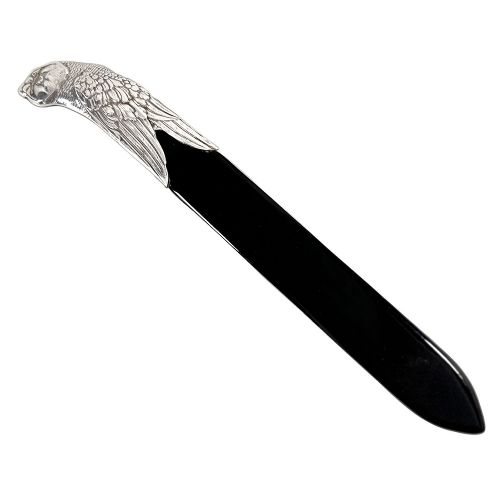
A vintage paper knife spans letter openers, page turners, and desk sets created across the nineteenth and twentieth centuries. These implements range from simple carved wooden shafts to elaborate silver creations bearing animal handles and gemstones.
Buyers encounter both compact letter openers for daily correspondence and longer page turners intended for uncut books. Materials shift from plain brass and ebonised wood to sterling silver mounted with mother-of-pearl, agate, or citrine.
Materials and construction methods
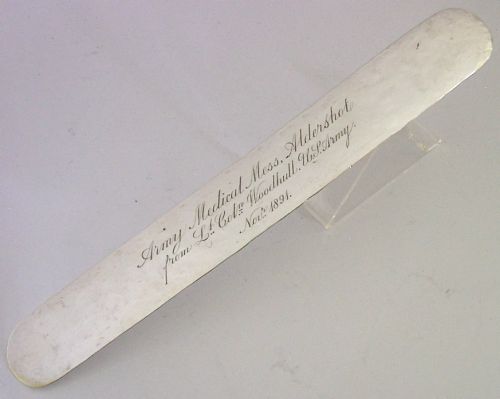
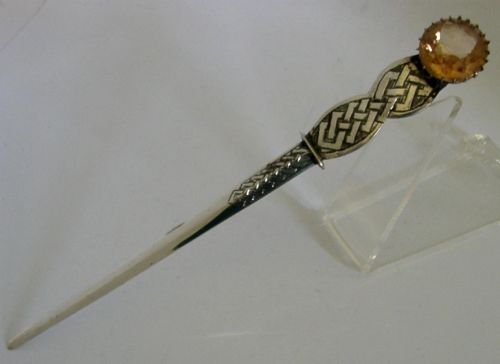
Sterling silver and silver plate provide durable blades and mounts, often combined with organic elements like tortoiseshell, mother-of-pearl, horn, and ivory-alternative celluloid. Smiths shaped metal through casting and hammering, while lapidaries polished citrine and agate to set into terminals.
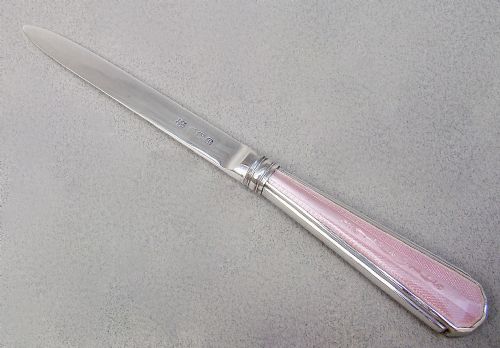
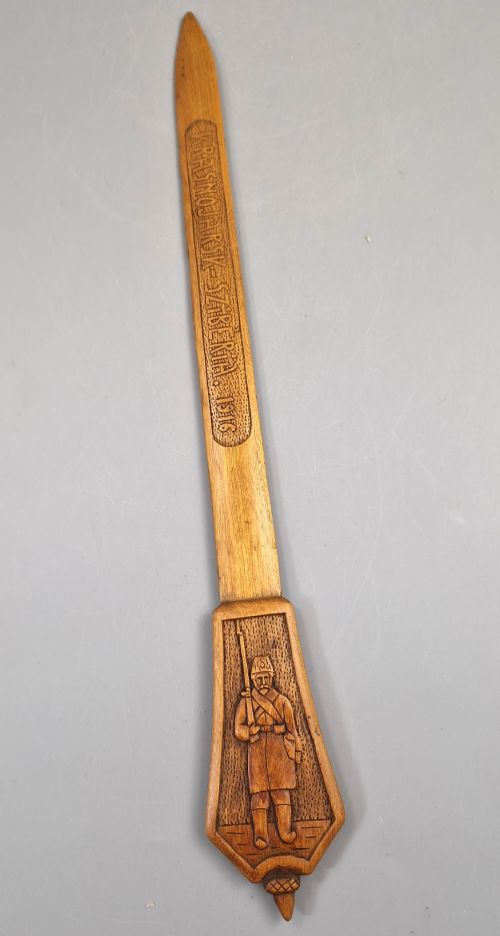
Carved wood, yew, and ebonised timber form lightweight handles and blades, sometimes augmented by hand-carved trench art details from the First World War. Enamelling techniques such as guilloche added vibrant colour to silver bases during the Art Deco period.
Vintage Paper Knife Retail Price Guide 2026
Typical asking prices for vintage paper knife among the pieces listed under this phrase on Sellingantiques today, from the lower quarter to the upper quarter. They describe what is for sale here now, not the wider market.
Listings feature sterling silver, tortoiseshell, mother-of-pearl, horn, and carved wood across Victorian, Edwardian, and Art Deco periods.
Distinctions in craftsmanship
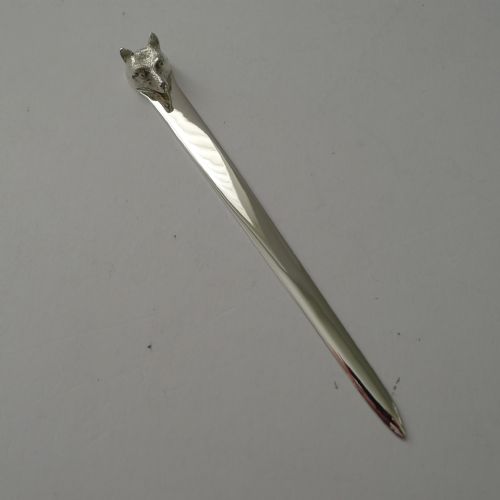
The quality of a vintage paper knife rests in the precision of its handle modelling, particularly in novelty figural designs depicting foxes, greyhounds, ducks, and owls. Superior execution shows crisp definition in cast bronze or silver without softening of anatomical details.
The integration of organic materials like tortoiseshell and mother-of-pearl dictates the integrity of the piece, with better examples showing seamless flush-fitting mounts to the metal blades. Maker marks and clear hallmarking further distinguish standard commercial production from workshop pieces.
The Barker Brothers·Asprey·Sampson Mordan and Co
The Vintage Paper Knife Glossary
- Page turner
- A long, flat implement traditionally used for slicing open the folded pages of newly printed books. These are typically larger than standard letter openers.
- Guilloche enamel
- A decorative technique involving precise mechanical engraving beneath translucent enamel layers. This method was widely used on Art Deco desk accessories.
- Trench art
- Objects fashioned by soldiers, prisoners of war, or civilians from military scrap material during wartime conflicts. These often include carved wooden or metal letter openers.
- Provincial silver
- Silverware created, marked, and assayed outside of the main capital cities, such as in Scottish regional towns. These pieces often display distinct local maker signatures.
- Desk set
- A coordinated group of writing accessories that includes letter openers alongside matching inkwells, blotters, or trays. They formed standard fixtures of nineteenth and twentieth-century offices.
Vintage Paper Knife: Frequently Asked Questions
What is the difference between a paper knife and a letter opener?
A paper knife often refers to a longer page turner designed to cut the folded edges of uncut book signatures. A letter opener is typically shorter and engineered specifically for slicing envelope seals.
Both terms overlap frequently in antique descriptions, but the physical scale usually indicates whether the object belongs on a bookshelf or beside daily correspondence.
How do I care for silver and tortoiseshell accessories?
Sterling silver components benefit from occasional gentle polishing with a soft cloth to maintain their finish without abrasive compounds. Tortoiseshell and organic materials require dry storage away from direct sunlight and extreme temperature shifts.
Avoid submerging mixed-material pieces in water, as moisture can weaken the historical adhesives and mounts holding the handle to the blade.
How can I date an antique letter opener?
Silver pieces often feature hallmarks stamped directly into the metal, indicating the assay office, year letter, and maker's mark. Consulting silver registry tables reveals the exact year of production.
Style periods provide secondary clues, with geometric patterns pointing to Art Deco eras and ornate natural motifs suggesting Victorian or Edwardian origins.
Were these items used in offices or homes?
These accessories belonged on writing desks in domestic studies, legal offices, and corporate boardrooms where physical correspondence dominated daily communication. Elaborate desk sets and figural animal openers also functioned as decorative display pieces.
Their presence reflected the writer's taste and the formal nature of letter writing before electronic communication replaced handwritten mail.