


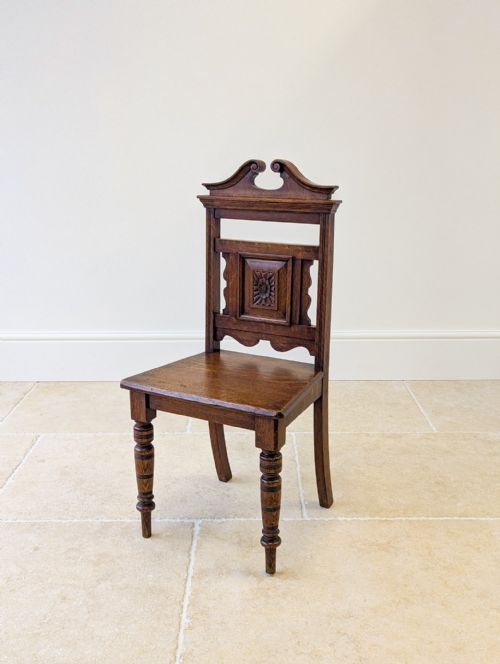


Vintage Panelled Chairs
These vintage panelled chairs bring solid timber frames and inset panels together for practical daily seating with historic presence.
Vintage Panelled Chairs
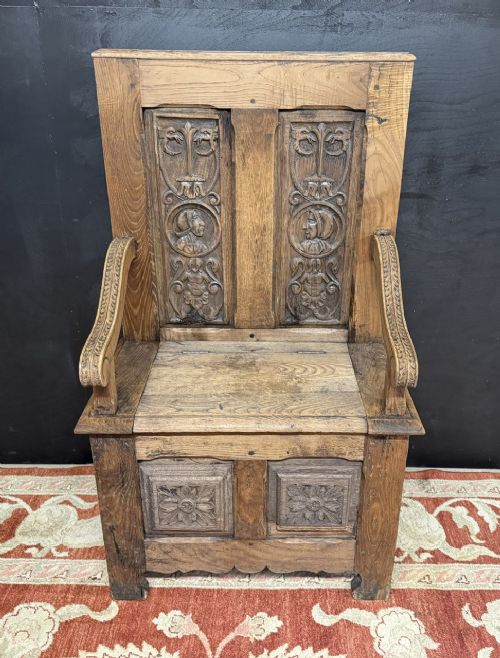
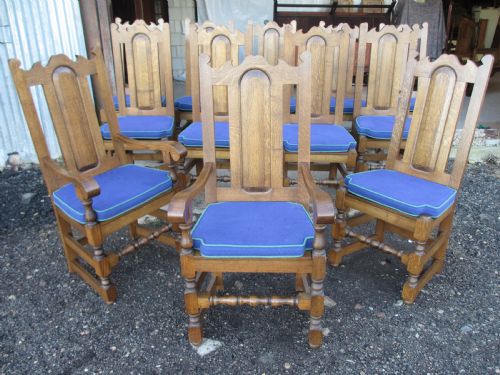
Vintage panelled chairs encompass a diverse group of seating furniture featuring wooden frames and defined panels in the seat, back, or arms. When exploring vintage panelled chairs, buyers encounter forms ranging from high-back dining sets and hall chairs to robust armchairs and settles spanning several centuries.
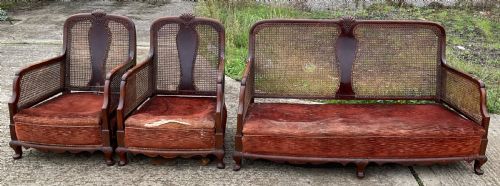
The selection includes pieces rooted in earlier revivals alongside examples from the Edwardian and Victorian eras. Oak and walnut form the structural backbone of these items, frequently paired with cane, leather, fabric, or brass details.
Construction and Materials
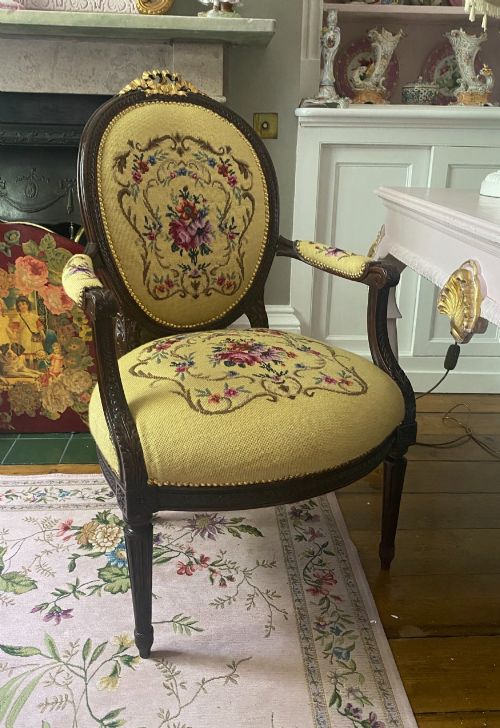
Oak and walnut provide the primary timber framework for the vast majority of these pieces, ensuring rigid structural integrity. Timber is joined using traditional methods to support inset panels of wood, cane, or upholstered needlepoint.
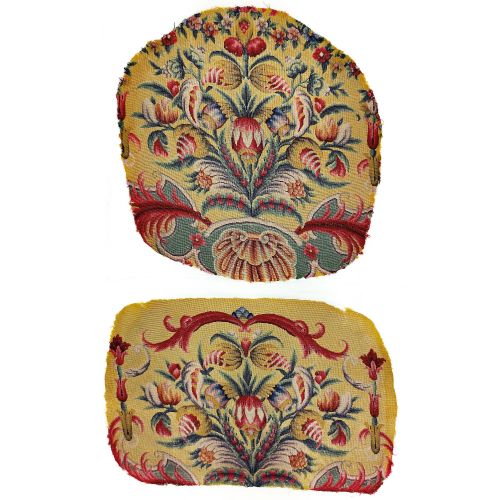
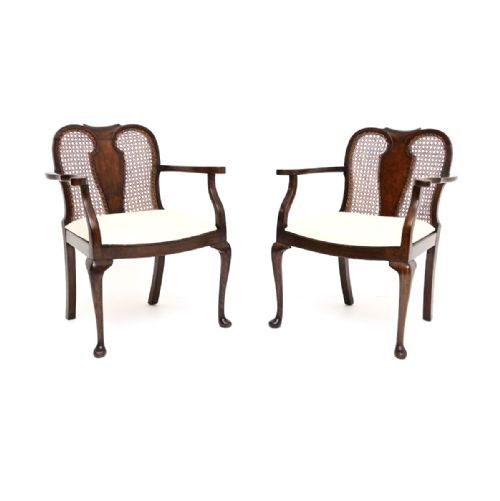
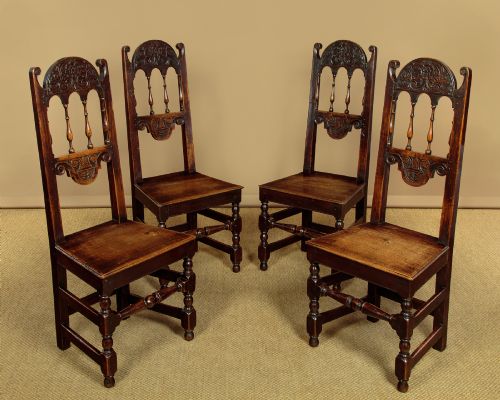
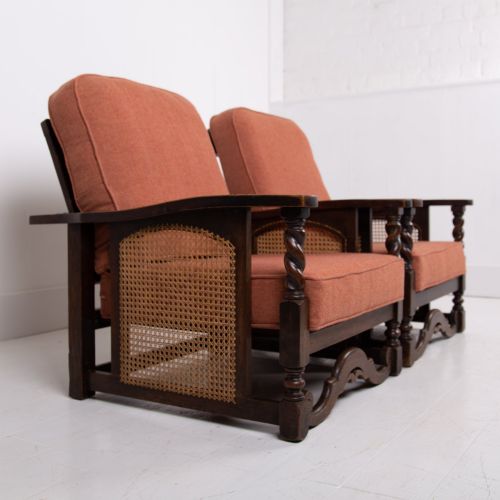
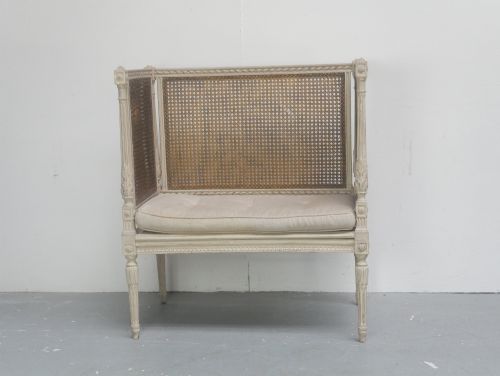
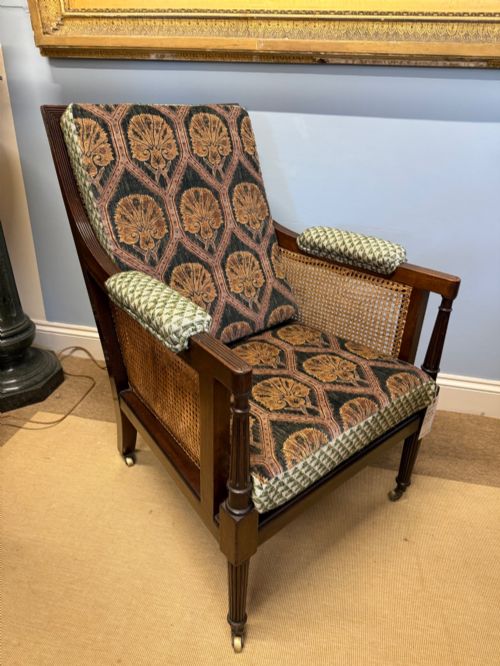
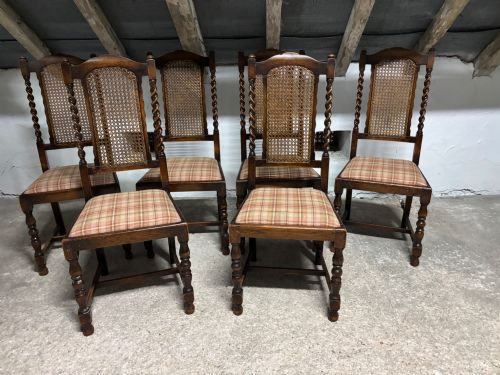
Surface treatments and secondary elements incorporate brass hardware, leather panels, and woven cane inserts. Artisans combined carved wooden elements with textile panels including velvet, carpet fragments, and tapestry.
Vintage Panelled Chairs Retail Price Guide 2026
Typical asking prices for vintage panelled chairs among the pieces listed under this phrase on Sellingantiques today, from the lower quarter to the upper quarter. They describe what is for sale here now, not the wider market.
One child's lambing chair sits ready on rockers, built small for a tiny occupant to watch the fire.
Assessing Quality and Execution
Quality reveals itself in the crispness of the timber carving and the precision of the panel joinery within the frame. Heavier oak construction and balanced proportions distinguish more substantial seating from lighter utilitarian forms.
The integrity of secondary materials such as cane webbing, leather tooling, and needlepoint tapestry panels influences the overall standard. Original surface patination on the timber further separates superior examples from heavily altered pieces.
The Vintage Panelled Chairs Glossary
- Panelling
- The use of flat or raised wooden sections fitted within a surrounding frame to form backs or seats. This technique adds structural rigidity while offering surfaces for carving.
- Wainscot chair
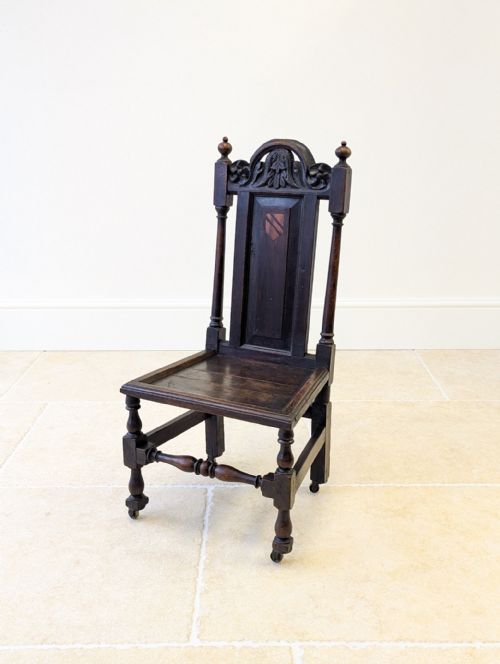
- An early wooden armchair characterised by a panelled back and solid wooden seat. These pieces draw on seventeenth-century joinery traditions.
- Bergere
- An enclosed upholstered armchair with a wooden frame, frequently featuring cane work on the sides and back. This French-inspired form appeared in various nineteenth- and twentieth-century interpretations.
- Settle
- A wooden bench featuring a high panelled back and solid arms, often designed to block draughts in hallways or near hearths. Examples may include built-in storage compartments beneath the seat.
- Needlepoint
- Stitched textile work executed on canvas mesh, commonly utilised for seat and back panels in period armchairs. This material introduces colour and decorative pattern to wooden frames.
Vintage Panelled Chairs: Frequently Asked Questions
What defines a panelled chair?
A panelled chair incorporates fitted wooden panels into its construction, most commonly within the backrest or seat frame. This method provides structural stability while allowing for decorative carving.
Such construction harks back to early joinery techniques seen in Tudor and Jacobean styles. Later revivals continued this tradition using oak and walnut.
Are these chairs comfortable for daily use?
Many examples feature upright wooden backs and solid seats intended for formal posture rather than lounging. Armchairs with added leather, fabric, or cushions offer a softer seating experience.
Buyers often select specific variants like club chairs or upholstered armchairs when prioritising relaxation over historical rigidity.
How do I identify the period of a chair?
Dating relies on observing timber characteristics, joinery methods, and stylistic revival cues such as Gothic or Jacobean motifs. Listings often reference specific decades or centuries, including Victorian and Edwardian production dates.
Comparing the hardware, secondary materials like cane, and overall wear helps contextualise the piece within its stated era.