




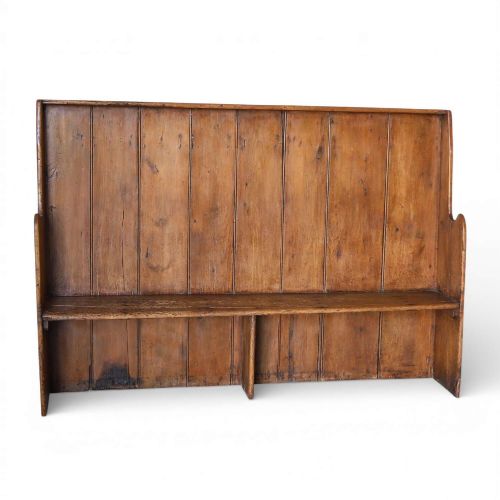


Vintage Panelled Bench
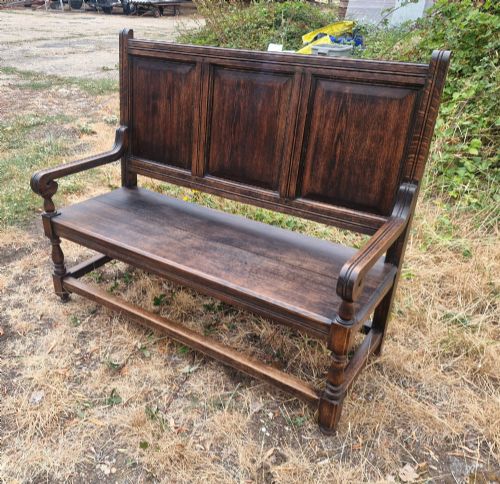
A vintage panelled bench brings practical seating and period character to a hall or boot room, combining sturdy construction with enduring craft.
Vintage Panelled Bench
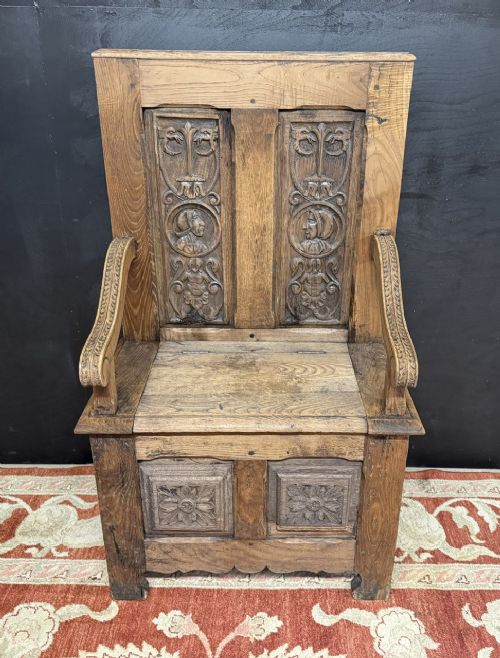
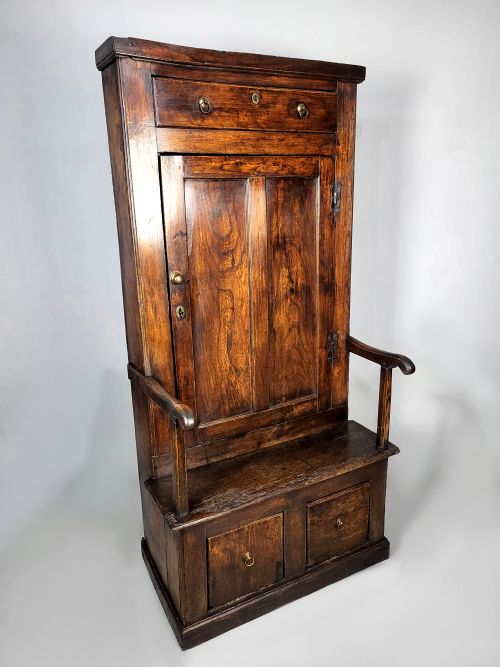
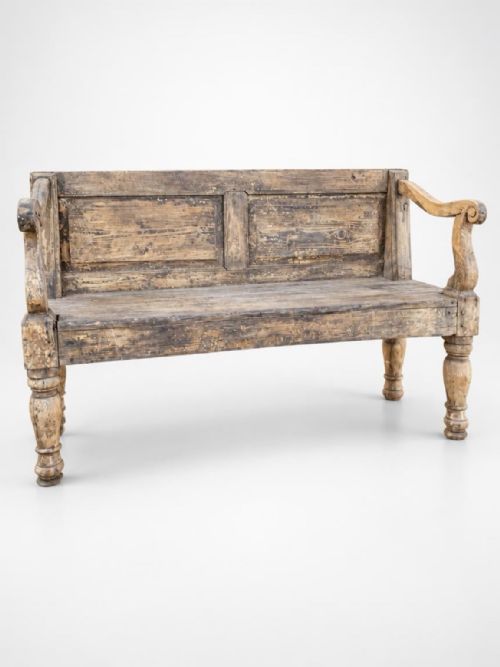
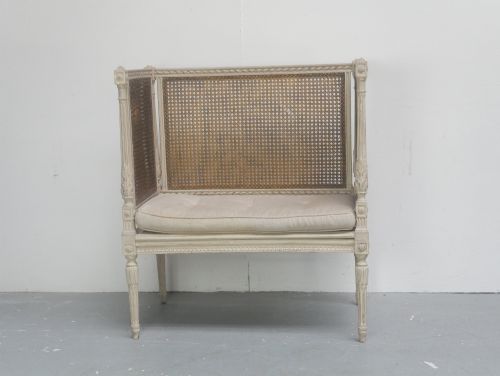
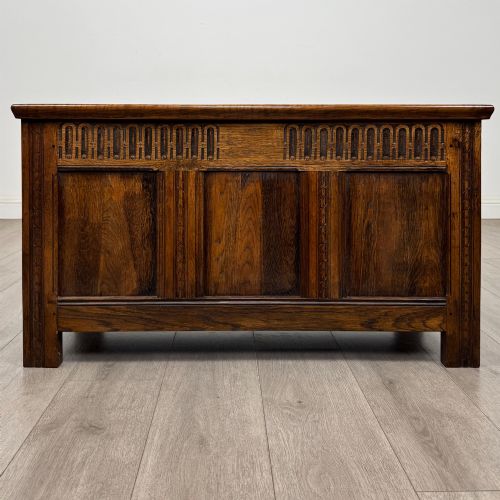
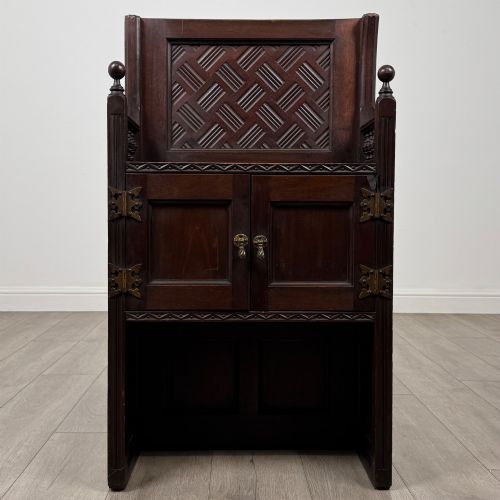
When searching for a vintage panelled bench, you encounter robust seating forms designed for hallways, corridors, and living spaces. These pieces range from high-back settles and hall seats to storage benches featuring hinged lids or integrated cupboards.
The most common examples on this page date from the nineteenth and early twentieth centuries, drawing heavily on English Country, Edwardian, and Victorian traditions. Oak and pine dominate the selection, offering substantial proportions and practical utility.
Many of these benches serve dual functions, incorporating storage beneath the seat or rising into panelled backs designed to keep out drafts. Whether rendered in dark oak with carved details or lighter pine with a honey brown patina, each piece reflects domestic life of its era.
How They Were Made
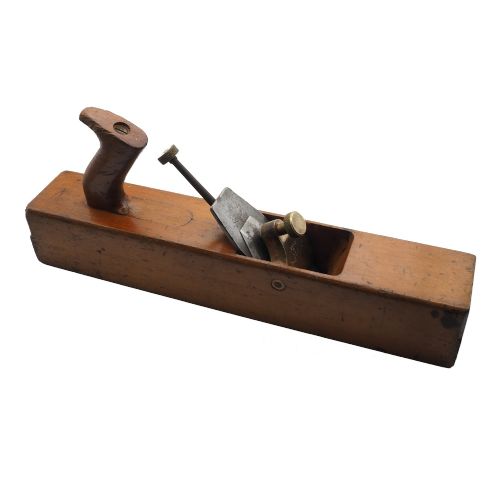
Joiners relied primarily on solid hardwoods and softwoods like oak, pine, and mahogany, constructing frames with traditional mortise and tenon joints. Panels were set into grooves within the framing to allow for the natural expansion and contraction of the timber.
Surface treatments varied from waxed or polished finishes that highlighted the grain of the wood to simple painted applications. Brass fittings occasionally appear as hinges or decorative accents, securing lids and doors on storage variants.
Vintage Panelled Bench Retail Price Guide 2026
Typical asking prices for vintage panelled bench among the pieces listed under this phrase on Sellingantiques today, from the lower quarter to the upper quarter. They describe what is for sale here now, not the wider market.
What Varies in Quality
Quality rests upon the selection of timber and the integrity of the joinery rather than mere ornamentation. Pieces built from dense, quarter-sawn oak or well-seasoned pine retain their structural stability over centuries of daily use.
The crispness of carved details on panelled backs and the smooth operation of hinged seats or integrated cupboards distinguish finer workshops from simpler utility pieces. Patina also plays a role, with untouched surfaces displaying natural wear that enhances the visual depth of the timber.
The Vintage Panelled Bench Glossary
- Settle
- A wooden bench with a high back, solid arms, and often a box base for storage. This form kept draughts away from people sitting near fires in older houses.
- Panelling
- woodwork composed of rigid sections fit into a surrounding frame of stiles and rails. This method prevents warping while adding decorative depth to the backrests.
- Patina
- The surface sheen and colour developed by wood over years of handling, polishing, and exposure to light. Collectors value this indicator of age and genuine use.
- Monks Bench
- A multifunctional furniture piece featuring a hinged top that converts the backrest into a table surface. It provided compact utility in smaller rooms.
- Stile
- The vertical outer member of a frame that holds wooden panels in place. It forms the primary structural support for panelled backs and doors.
Vintage Panelled Bench: Frequently Asked Questions
Where should I place a panelled bench?
These benches suit entrance halls, boot rooms, and large corridors where they provide a sturdy seat for removing shoes. High-back versions also function effectively in kitchens or dining areas against a wall.
Their solid construction handles heavy daily use while adding architectural interest to transition spaces in a home.
How do I care for antique wood?
Maintain the timber by applying a traditional beeswax polish occasionally to nourish the grain and protect the surface from drying out. Avoid placing the bench near direct heat sources or strong sunlight.
Dust regularly with a soft, dry cloth to prevent accumulation in carved recesses and panel grooves.
Did these benches always have storage?
Many examples include a hinged seat lid or a base compartment, though open-frame hall benches also exist. Storage variants were commonly used for blankets, boots, or household goods.
The inclusion of a box base determined whether the piece served primarily as seating or as a chest.
How do I identify the period of a bench?
Dating relies on timber selection, tool marks, and stylistic revival cues such as Jacobean or Victorian carving details. Edwardian and Victorian pieces often show machine-sawn elements alongside hand-finished joints.
Examining the underside, hinges, and construction methods helps clarify the era of manufacture.