

Vintage Panelled Bed
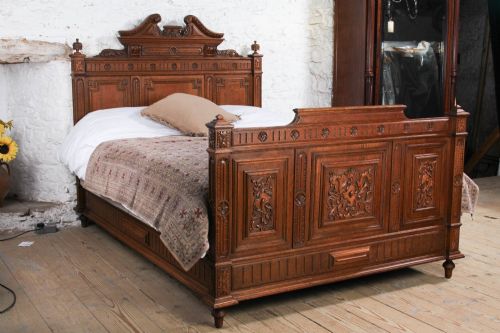
A vintage panelled bed brings structured timber and traditional joinery directly into the bedroom, offering solid construction alongside historic character.
Vintage Panelled Bed
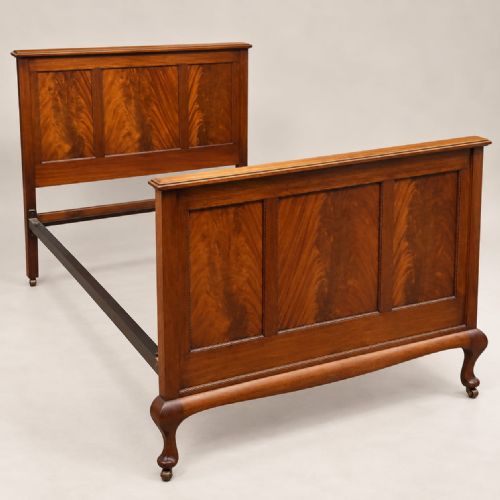
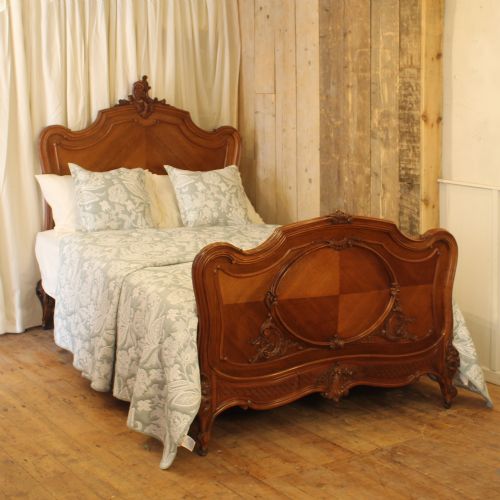
A vintage panelled bed combines structural timber frameworks with fitted wooden panels, frequently incorporating styles such as Edwardian, Jacobean Revival, and Tudor Revival. These pieces span production dates from the seventeenth century through to the early twentieth century, reflecting enduring woodworking traditions.
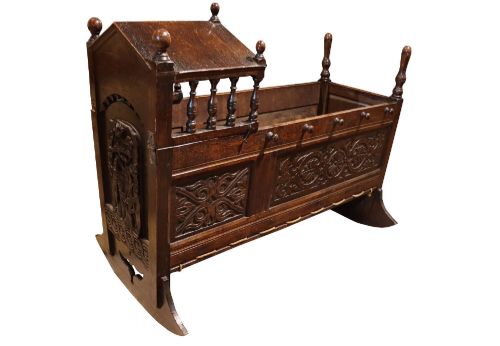
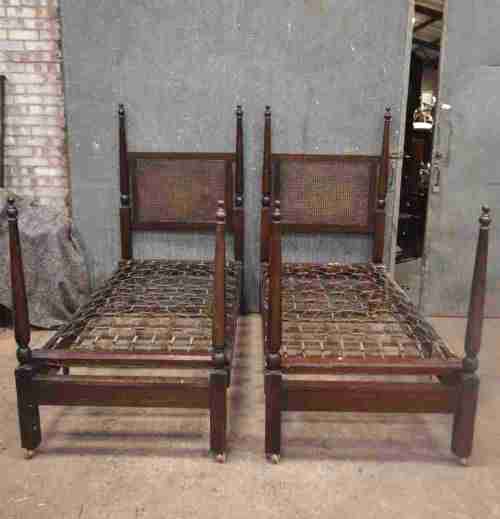
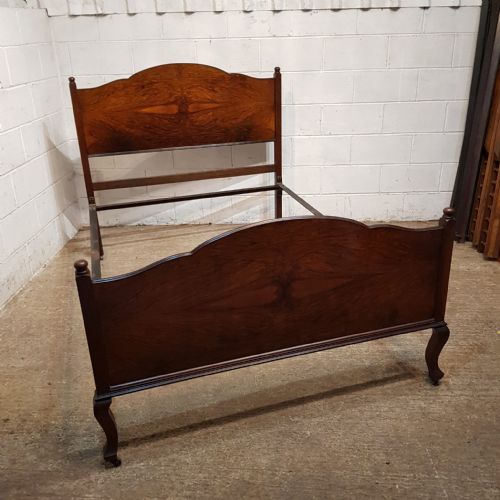
Buyers seeking a vintage panelled bed will encounter various forms, including double bedsteads, single beds, and larger configurations, often constructed from solid woods. The integration of carved details, linenfold motifs, and flat or raised panels defines the visual weight of these sleeping furniture pieces.
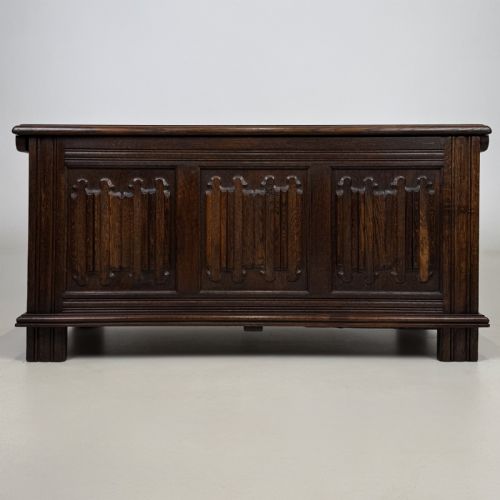
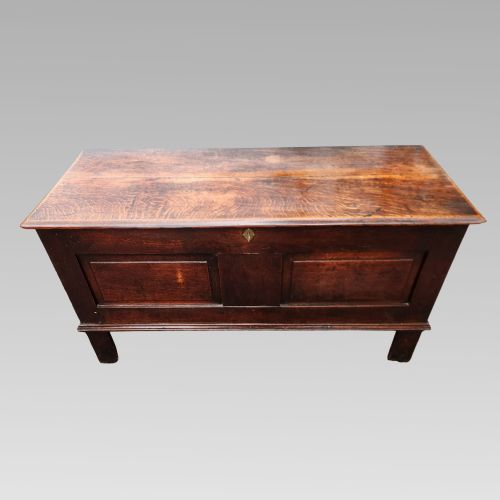
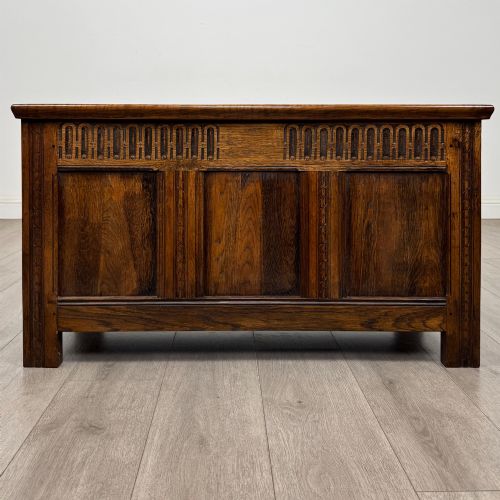
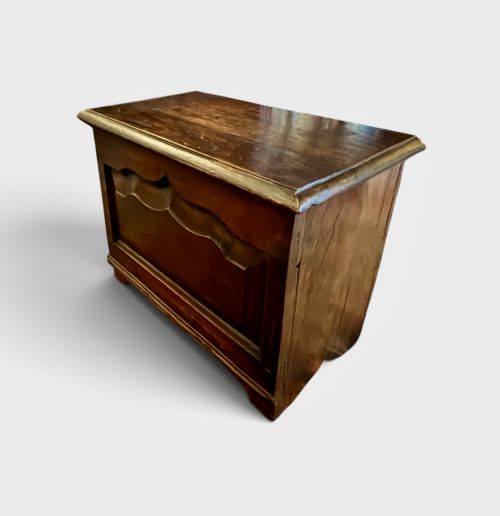
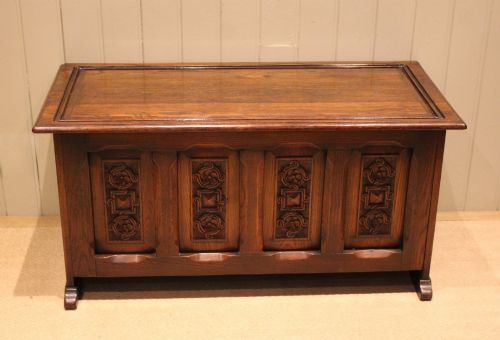
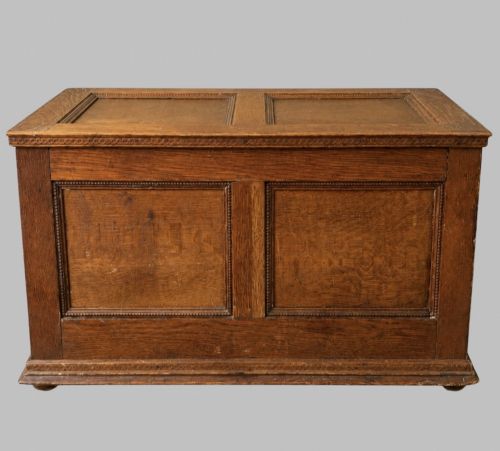
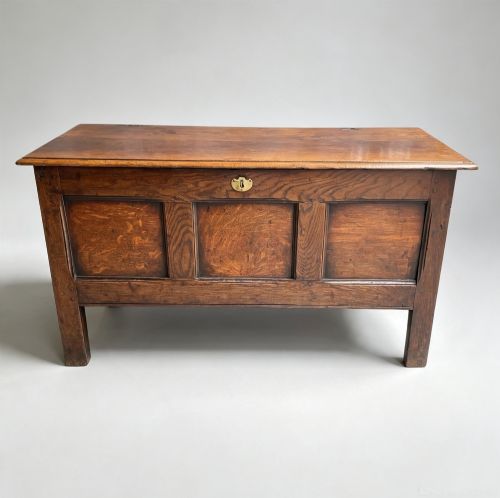
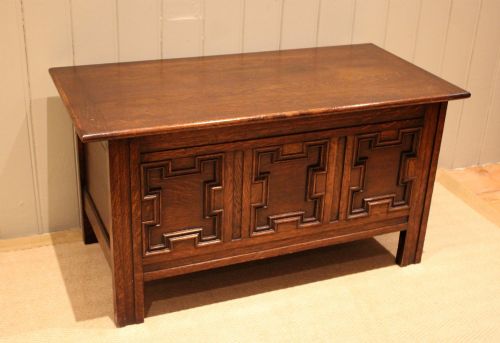
The inventory demonstrates that panel construction was applied not only to bedsteads but also to related storage forms like coffers, mule chests, and blanket boxes sharing identical stylistic vocabularies. This overlap ensures buyers can coordinate their bedroom furniture with matching woodwork from the same periods.
Materials and Construction
Carpenters relied principally on solid oak, walnut, and mahogany, shaping heavy timber frames to house inset panels securely. These woods provided the necessary structural integrity for large bedsteads and storage chests intended to endure for generations.
Traditional joinery techniques involved framing panels within grooves to allow for natural wood expansion and contraction without splitting. Carving, including linenfold designs and geometric patterns, was executed directly onto the solid timber surfaces by hand.
Vintage Panelled Bed Retail Price Guide 2026
Typical asking prices for vintage panelled bed among the pieces listed under this phrase on Sellingantiques today, from the lower quarter to the upper quarter. They describe what is for sale here now, not the wider market.
Current listings feature beds and chests spanning from the seventeenth century through to the 1940s, utilising oak, walnut, mahogany, and pine.
Assessing Quality and Execution
The standard of a panelled bed depends upon the depth and crispness of the hand-carved detailing across the headboards and footboards. Superior examples display precise joinery where frame members meet tightly without excessive modern filling.
The choice of primary timber significantly dictates quality, with dense, figured oak and burr walnut representing the higher tiers of craftsmanship. Grain selection and the retention of original surface patination distinguish finer historical pieces from later vernacular reproductions.
The Vintage Panelled Bed Glossary
- Panel
- A flat piece of wood set within a surrounding frame of stiles and rails. This construction method accommodates seasonal wood movement.
- Linenfold
- A style of relief carving imitating folded linen fabric. It appears frequently on fifteenth- and sixteenth-century style panelling.
- Mule chest
- A storage chest featuring one or more drawers beneath the main compartment. These pieces bridge the transition between simple coffers and drawer chests.
- Bergere
- A type of upholstered armchair or bed component featuring woven cane panels. It appears in twentieth-century seating and bed designs.
- Stile
- The vertical upright member of a panelled frame. It holds the horizontal rails and central panel together.
Vintage Panelled Bed: Frequently Asked Questions
How do I fit modern mattresses?
Many older bedsteads were constructed for historical mattress sizes that differ from contemporary standards. Buyers often utilise custom-made mattresses or modify internal support slats to accommodate standard modern widths.
Checking the internal length and width dimensions before purchase ensures proper alignment with modern bedding.
Are these beds solid wood?
The inventory consists largely of solid oak, walnut, and mahogany constructions. Traditional workshop practices relied on heavy timber planks for both structural frames and decorative panels.
Secondary woods may appear in internal components or concealed structural supports, consistent with period manufacturing methods.
How do I care for antique wood?
Maintaining vintage timber requires stable indoor humidity levels to prevent the wood from drying out or splitting. Applying traditional beeswaxes helps nourish the surface and preserve the historic finish.
Avoiding direct sunlight and proximity to heat sources protects the joints and carved panels from thermal shock.
How do I identify the period?
Dating relies on examining the joinery techniques, tool marks left on the timber, and stylistic motifs corresponding to eras like the Edwardian period or earlier revivals. Comparing the hardware and construction specifics against known historical examples clarifies the age.
Later revival pieces frequently incorporate stylistic elements from seventeenth-century designs while employing nineteenth- or twentieth-century manufacturing methods.