
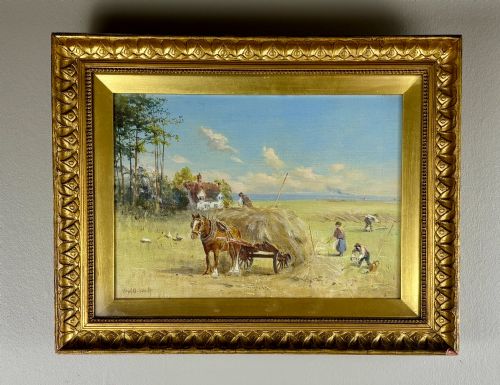
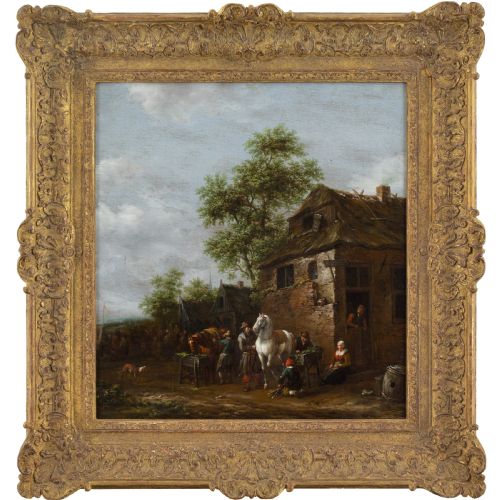
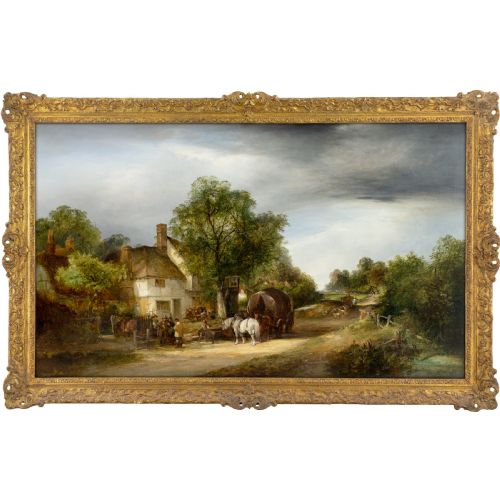
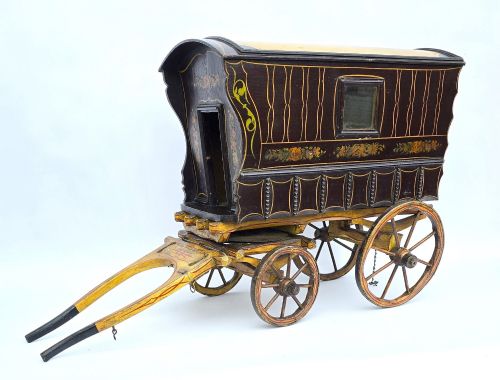

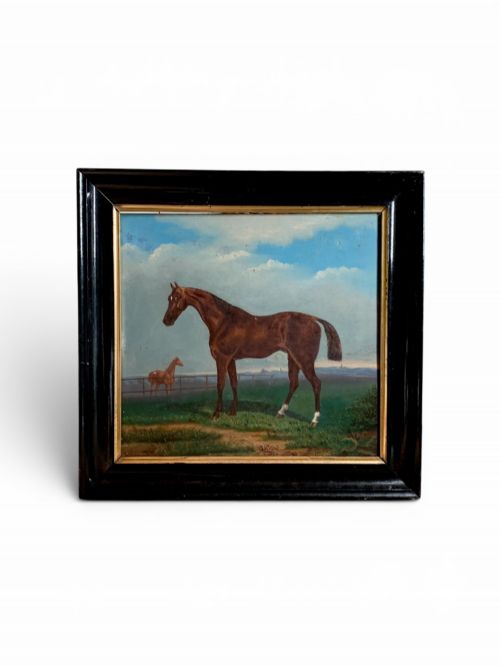
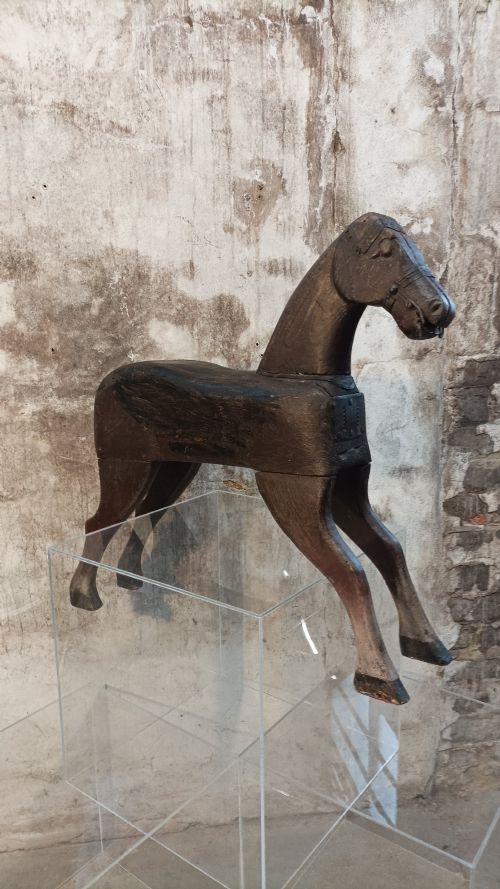
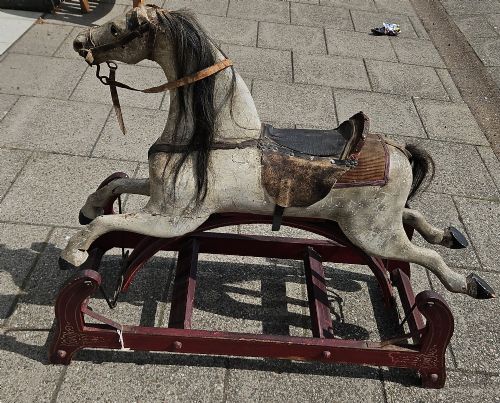


Vintage Painted Wood Horse
These vintage painted wood horse pieces bring expressive folk art and character to a room through carved forms and weathered pigments.
Vintage Painted Wood Horse
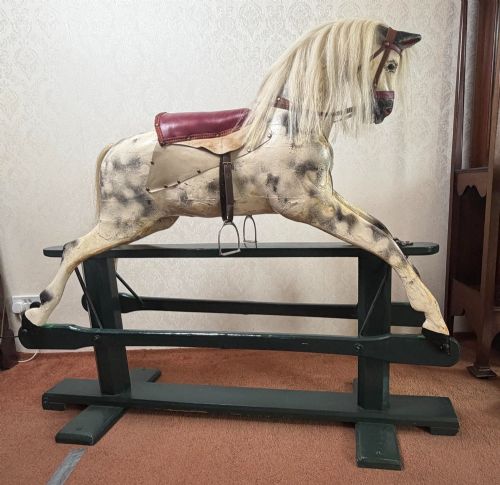
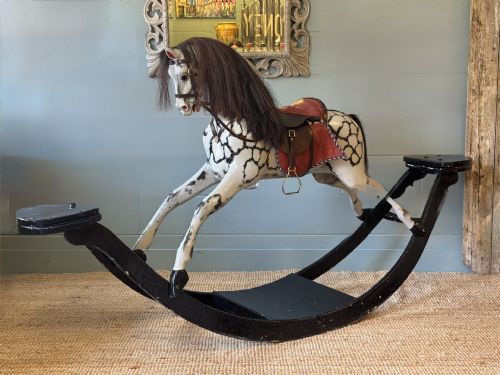
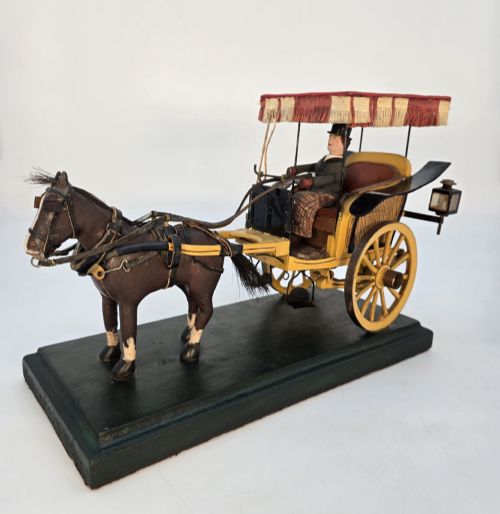
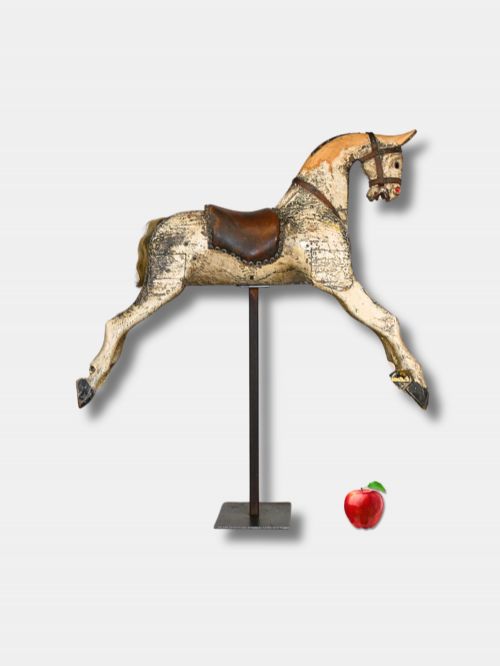
When you search for vintage painted wood horse, you encounter a varied collection of carved wooden objects spanning rocking horses, carousel figures, decorative sculptures, and naive folk art carvings. These pieces originate from the nineteenth and early twentieth centuries, reflecting both British toy traditions and wider European or international folk art workshops.
The most common forms on this page are carved wooden rocking horses on stands and decorative carousel figures, alongside smaller scale models and naive sculptures. Makers employed simple pine and denser hardwoods, applying layers of paint that now show age through craquelure and worn patination.
How they were made
Artisans carved these figures primarily from pine and other woods, shaping the bodies with hand tools before applying layers of paint to render saddles, harnesses, and markings. Many pieces incorporate additional materials such as leather, horsehair for manes and tails, glass eyes, and iron or metal hardware.
Makers of fairground and rocking horses constructed sturdy wooden frames designed to withstand heavy use, whilst folk art carvers focused on naive silhouettes. The application of multiple paint coats created durable surfaces that subsequently developed distinctive weathering over decades of handling.
What varies in quality
Quality in these carved wooden figures rests upon the expressive vigour of the carving and the preservation of the original painted surface. Pieces retaining their early or primary paint layer command greater interest than those stripped or heavily repainted in later years.
The sophistication of the maker's hand shapes the distinction between simpler naive workshop output and structured pieces by known makers like G & J Lines. Original rockers, tack, and structural integrity further elevate the standing of a carved horse.
R.D. Roberts·G & J Lines·Bayol
The Vintage Painted Wood Horse Glossary
- Folk Art
- Objects created by self-taught or traditional craftsmen outside mainstream academic traditions. These pieces prioritise expressive form and utility over strict anatomical realism.
- Carousel Figure
- Carved wooden animals removed from fairground merry-go-rounds. They typically display dynamic postures and robust construction designed for public entertainment.
- Rocking Horse
- A child's toy mounted on swinging wooden bows or a safety stand. Nineteenth-century examples often feature carved pine bodies with real horsehair manes.
- Original Paint
- The initial surface coating applied by the maker or workshop. Survival of this layer provides crucial evidence of the piece's age and history.
Vintage Painted Wood Horse: Frequently Asked Questions
How do I date a wooden horse?
Dating relies upon examining the construction methods, tool marks, and the composition of the paint layers. Nineteenth-century examples often display hand-carved pine bodies and distinct structural joinery.
Changes in toy design and fairground styles across the Victorian and Edwardian periods also provide reliable chronological markers for collectors.
Are these horses meant for children?
Whilst many rocking horses and toys began life as children's playthings, surviving examples are now primarily treated as decorative sculptures. Their age and fragile painted surfaces mean they suit display rather than robust daily use.
Smaller naive carvings and fairground figures were manufactured specifically for visual appeal or commercial amusement rather than nursery play.
How should I clean painted wood?
Maintenance requires only gentle dusting with a dry, soft cloth to protect the fragile historic paint layers. Avoid using water, modern detergents, or chemical solvents that might strip the original finish.
Keeping pieces away from direct sunlight and damp environments preserves the wood and prevents further flaking of the early pigment.
What is naive folk art?
Naive folk art refers to items created outside formal academic training, often by regional craftsmen or anonymous makers. These works emphasise charm, bold silhouettes, and straightforward utility over proportion.
In carved horses, this style results in simplified heads and sturdy bodies that capture the essential character of the animal.