




Vintage Painted River Scene
A vintage painted river scene captures water, light, and landscape through the brush of artists working across the nineteenth and twentieth centuries.
Vintage Painted River Scene
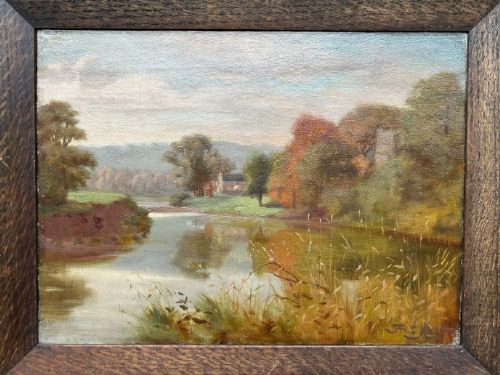
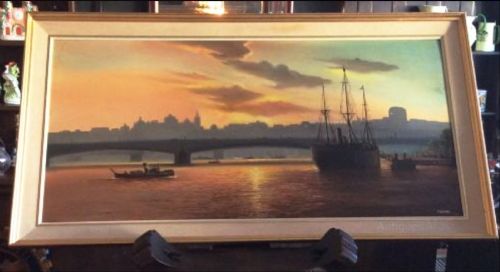
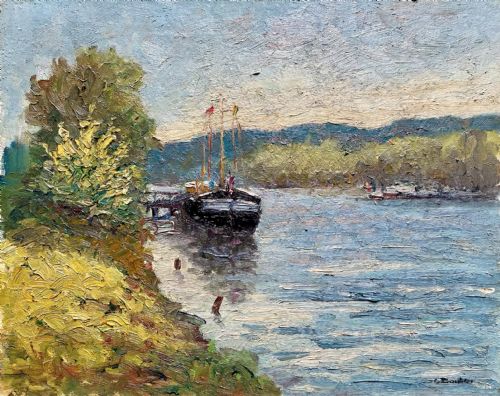
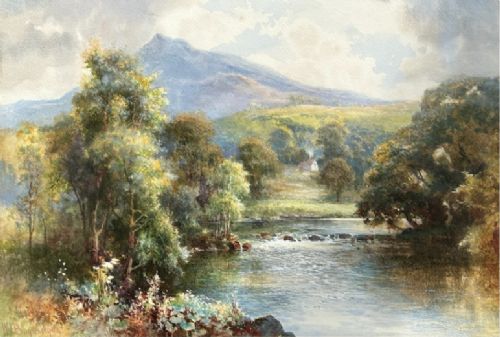
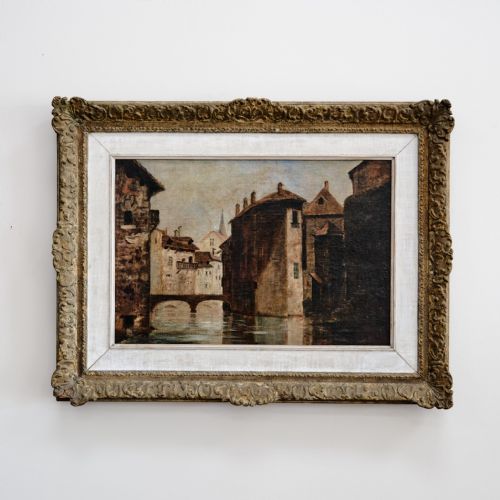
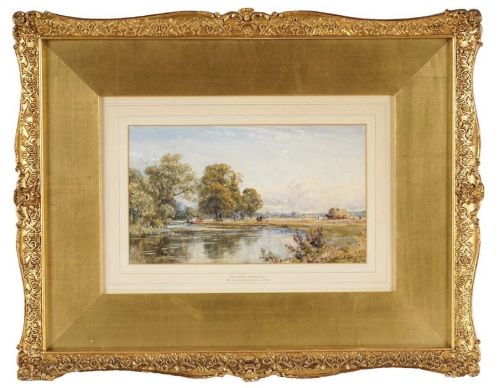
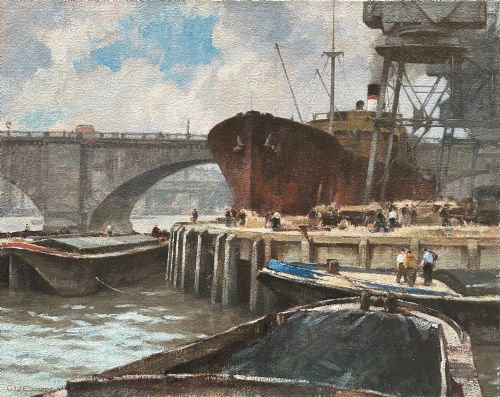
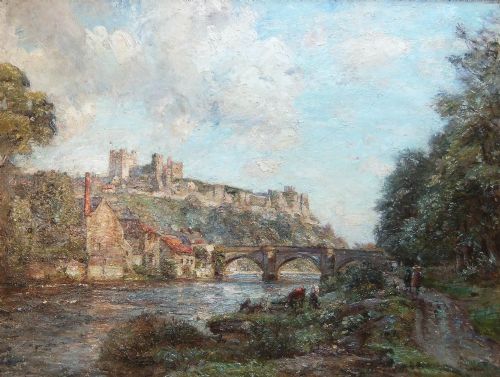
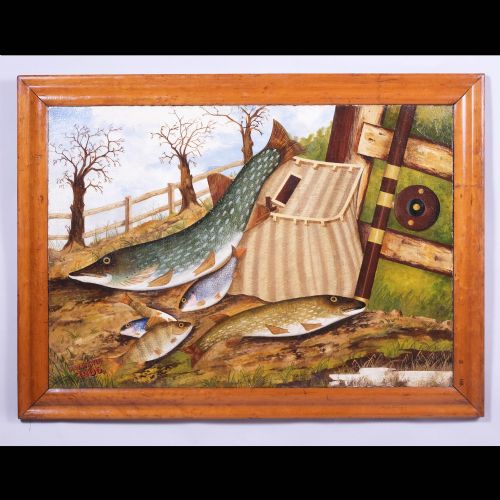
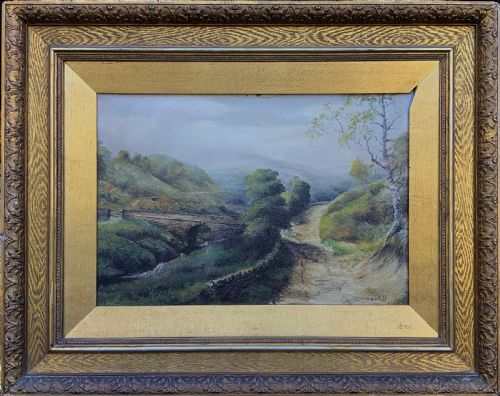
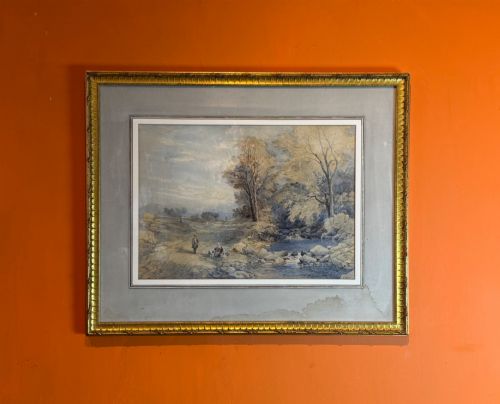
When you search for a vintage painted river scene, you encounter depictions of waterways, bridges, and banks spanning British, French, and Dutch landscapes. These works primarily take the form of oil paintings on canvas, board, and panel, alongside watercolours on paper.
The selections on this page range from nineteenth-century academic and Victorian watercolours to mid-century impressionist canvases. You find subjects stretching from the Thames and the Seine to Welsh rivers and Dutch frozen waterways.
Materials and Methods
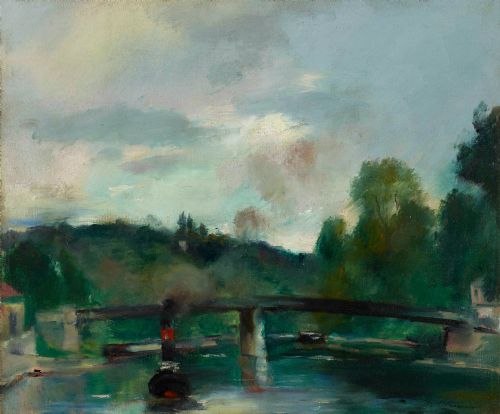
Artists built these scenes using oil paint or watercolour applied to canvas, wood panels, gessoed surfaces, and heavy paper. Oil mediums allowed for textured impasto brushwork, particularly in the later post-impressionist and mid-century examples.
Watercolour compositions rely on transparent washes over textured paper to capture shifting light on river surfaces. Support materials vary from stretched canvas on wooden frames to rigid panels and boards.
The listings span from the nineteenth century through the mid-twentieth century, featuring both British and continental European schools.
Judging the Work
Quality rests in the painter's handling of light reflecting off water and the atmospheric depth of the surrounding landscape. Stronger pieces display confident brushwork and a coherent sense of space rather than mechanical reproduction of scenery.
The distinction between standard decorative works and finer examples lies in the subtlety of tone and the integration of figures, architecture, or vessels within the natural setting.
Kenneth Cozens·George Graham·Alfred Young Nutt·Frederick Marriott·William Joseph Boyes·Robert Thorne Waite·Cyril Walduck Edwards·Henri Ottmann·Herbert Royle·Florence Adelina Hess·David Cox·T Bergman·Sydney Yates Johnson·Hubert Wellington·Archibald Kay·Henri Jaques Delpy·Arthur Herbert Rigg·Ron Folland·Thomas Bush Hardy·J Phipps·David Watts·Edward Henry Eugene Fletcher·Frank Hider·William Grant Murray·Alfred Grey
The Vintage Painted River Scene Glossary
- Impasto
- Paint applied thickly to a canvas or panel, leaving visible brush marks that catch the light. This technique adds tactile dimension to water surfaces and foliage.
- Watercolour
- A paint consisting of pigment suspended in a water-based solution, traditionally applied to paper. It creates luminous, transparent effects favoured for landscape sketches.
- Panel
- A rigid flat support for painting, commonly made of wood rather than stretched fabric. Artists frequently utilised panels for smaller plein air studies.
- Post-Impressionism
- An art movement extending beyond impressionism that prioritised symbolic content and expressive use of colour and form. Works in this style emphasise individual painterly vision.
- Provenance
- The documented history of ownership surrounding a work of art. Clear records help establish the origin and authenticity of older paintings.
Vintage Painted River Scene: Frequently Asked Questions
What defines a river scene painting?
These artworks feature waterways such as rivers, canals, estuaries, and bridges as the primary compositional focus. They frequently include associated elements like boats, barges, fishermen, or riverside vegetation.
The depiction ranges from topographical accuracy in nineteenth-century watercolours to expressive brushwork in mid-century impressionist canvases.
How do I date an antique river painting?
Dating relies on stylistic clues, framing materials, stretcher construction, and signatures or inscriptions on the reverse of the canvas or panel. Costume in figures and architectural details also provide firm chronological markers.
Paintings often carry artist inscriptions or labels that record specific years or locations.
Where were these landscape scenes created?
Artists painted these scenes across Britain, France, and the Netherlands, capturing specific locations such as the Thames, the Seine, and Welsh river valleys. Many works stem from plein air observation.
Different regional schools developed distinct palettes and atmospheric qualities in response to local geography.
How should I display an oil painting?
Oil paintings on canvas or panel require stable indoor environments away from direct sunlight and excessive humidity. Proper framing protects the edges and provides structural support.
Allowing adequate wall space lets the natural light enhance the textured brushwork and depth of the composition.