



Vintage Painted Fruit Plate
These vintage painted fruit plate selections bring porcelain and canvas studies of orchards directly to the dining room.
Vintage Painted Fruit Plate
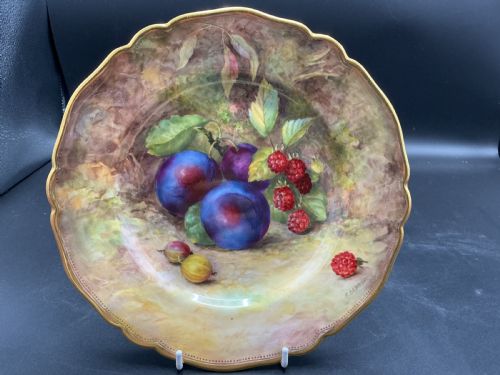
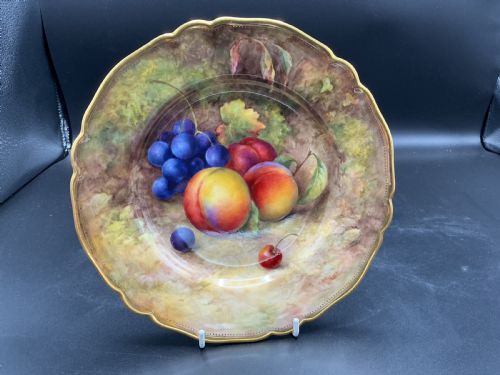
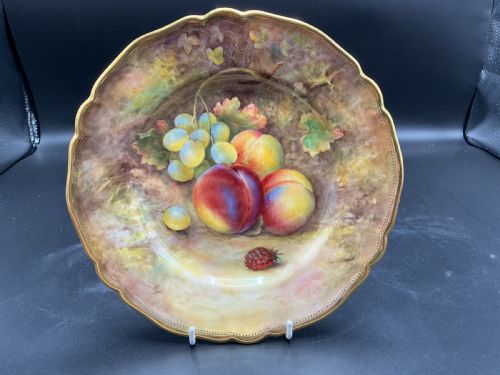
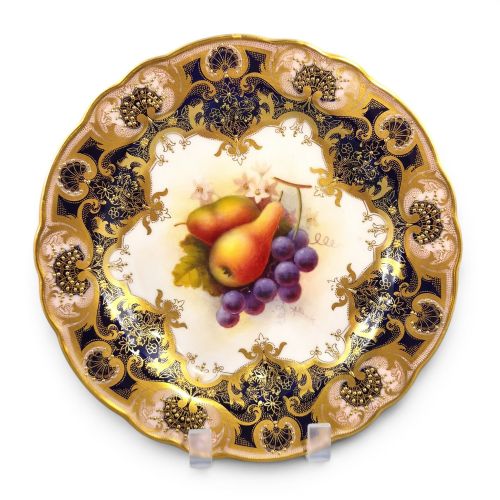
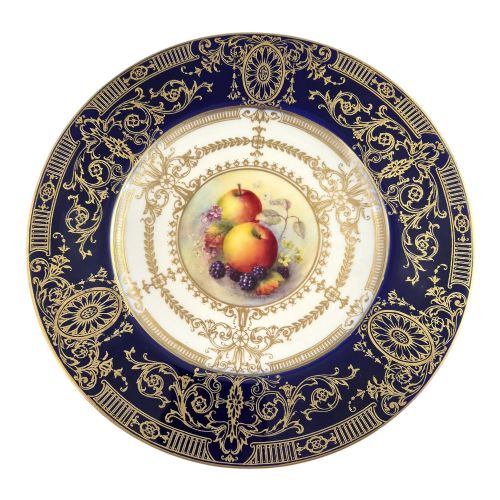
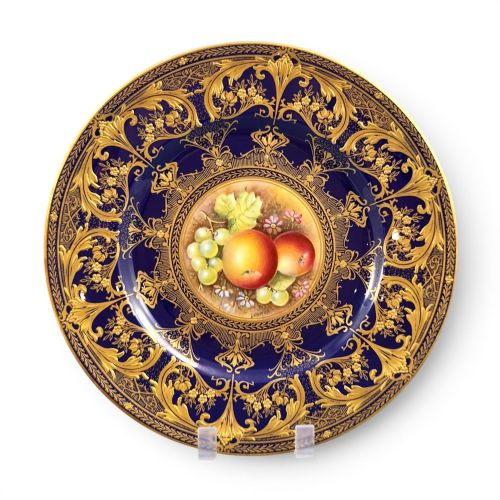
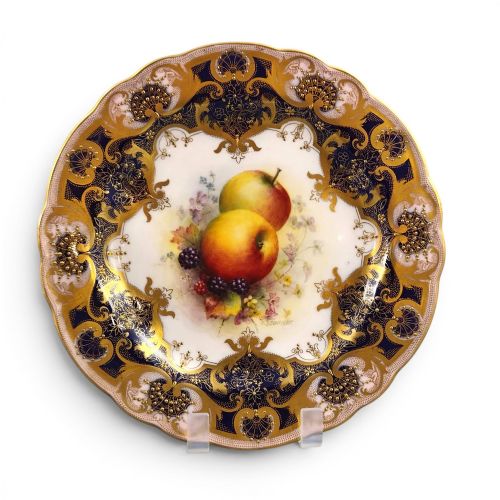
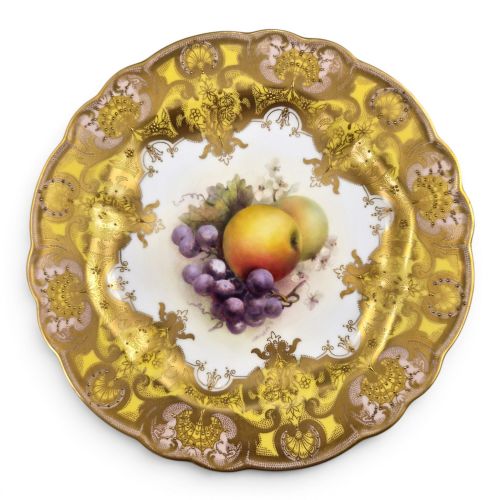
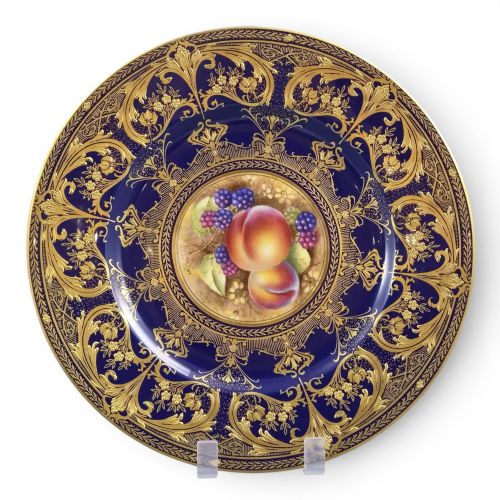
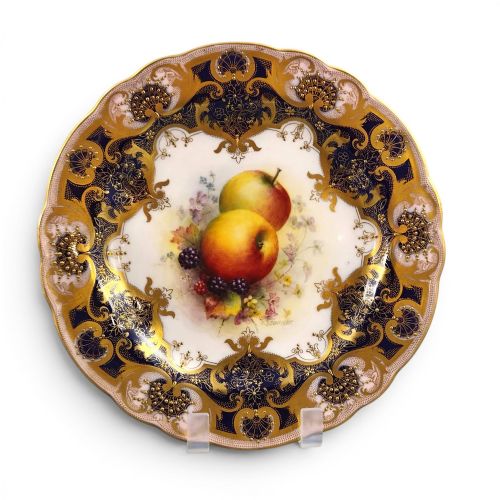
A vintage painted fruit plate is a decorative ceramic piece or canvas artwork depicting natural harvests, designed primarily for display rather than dining. The examples seen here range from eighteenth-century porcelain dessert dishes to mid-century cabinet plates.
The most common form on this page is the cabinet plate produced by Royal Worcester, often featuring elaborate hand-painted studies. Buyers also encounter framed wartime watercolours and oil paintings depicting still life fruit scenes alongside traditional ceramic wares.
Materials and methods of the painted plate
Makers utilise porcelain, bone china, soft-paste porcelain, and ironstone as the primary foundations for these decorative objects. Artisans apply detailed pigment layers by hand, often incorporating gilding, gold leaf, and gilt enamel accents to frame the central imagery.
Ceramic pieces undergo high-temperature firing before receiving their detailed botanical painting, while canvas works employ traditional oil or watercolour techniques within gilt frames. Edges frequently feature moulded rope details or elaborate traditional borders finished with metallic lustre.
Vintage Painted Fruit Plate Retail Price Guide 2026
Typical asking prices for vintage painted fruit plate among the pieces listed under this phrase on Sellingantiques today, from the lower quarter to the upper quarter. They describe what is for sale here now, not the wider market.
Apples and pears rendered centuries ago still manage to look suspiciously shinier than any fruit found in modern kitchens.
Distinguishing quality in painted fruit plates
Quality rests upon the skill of the brushwork and the prominence of the artist responsible for the hand-painted scene. Pieces bearing signatures from known porcelain painters command greater attention than unsigned factory productions.
The preservation of the gilding and the depth of the enamel work determine the standard of a ceramic piece. Finer examples display meticulous attention to botanical shading and realistic textures within the fruit motifs.
Royal Worcester·Charlotte Rhead Bursley Ware·Masons Ironstone
The Vintage Painted Fruit Plate Glossary
- Cabinet plate
- A decorative ceramic dish intended for display in a cabinet or on a wall rather than for practical table use. These plates usually feature elaborate hand-painted scenes.
- Soft-paste porcelain
- An artificial porcelain composition fired at lower temperatures than hard-paste, common in eighteenth-century English factories. It presents a warm, slightly softer glaze surface.
- Gilding
- The application of gold leaf or gold powder to ceramic surfaces or picture frames. This technique adds reflective metallic highlights to borders and motifs.
- Ironstone
- A heavy, durable type of earthenware developed in the nineteenth century. It provides a robust alternative to porcelain while accepting enamel decoration well.
Vintage Painted Fruit Plate: Frequently Asked Questions
How do I display a cabinet plate?
Cabinet plates are traditionally housed in glass-fronted display furniture or mounted securely on walls using specialised plate hangers. This keeps the hand-painted surfaces safe from accidental damage.
Ensure the mounting hardware supports the weight of the ceramic without putting undue pressure on the rim or the painted centre.
Can I use these plates for serving food?
These pieces are intended primarily as decorative items rather than functional tableware. Using them for dining risks scratching the delicate hand-painted enamel and wearing away the gold leaf.
Displaying them securely preserves both the artistic detail and the historical integrity of the glaze.
How do I identify an artist signature?
Artists often signed their work directly onto the front of the painted surface near the edge of the fruit motif. Factory stamps and date codes on the underside provide additional clues for identification.
Comparing signatures against known factory records helps confirm the attribution of the hand-painted scene.
What is the difference between porcelain and ironstone?
Porcelain is a vitrified, translucent ceramic fired at high temperatures, offering a refined and delicate appearance. Ironstone is a denser, opaque earthenware designed for greater durability.
Both materials serve as bases for painted fruit decoration, but porcelain typically indicates a more formal cabinet piece.