






Vintage Painted Fruit Jar
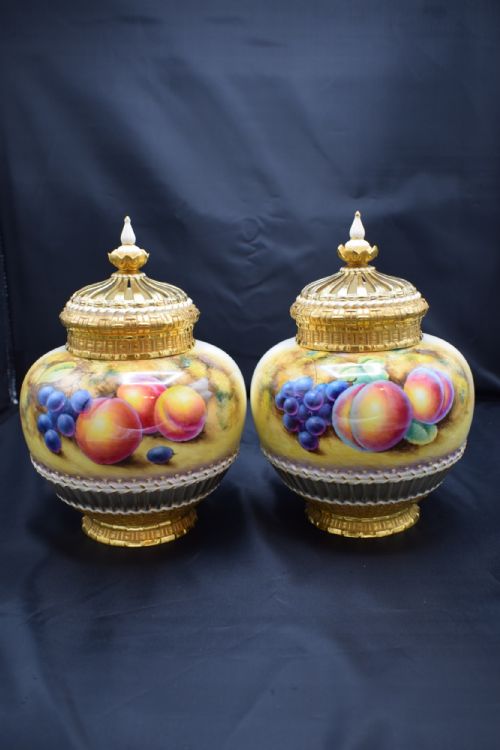
These vintage painted fruit jar pieces are hand-painted ceramic vessels depicting naturalistic fruit, sought after for their intricate detail.

Vintage Painted Fruit Jar
A vintage painted fruit jar brings hand-painted orchard studies into domestic spaces, taking the form of ginger jars, preserve pots, and lidded vases. When you search for this phrase, you encounter pieces spanning several decades of the twentieth century, predominantly originating from English potteries.
The selections here centre heavily on lidded pot pourri vessels and decorative jars rather than utilitarian pantry stores. These pieces serve primarily as ornamental focal points, often decorated with meticulous studies of apples, peaches, grapes, and berries.
The design lineage draws on traditional English floral and botanical illustration translated onto ceramic bodies. Makers from the mid-century period lean towards lavish fruit arrangements, continuing a long-standing porcelain painting tradition.
Methods and materials
Potters shape these vessels using fine bone china, porcelain, and glazed earthenware before applying intricate overglaze enamels. Artists paint each fruit motif by hand, building up naturalistic colours through successive kiln firings.
Gilding and gold leaf highlights frequently frame the painted panels, accentuating shoulders, rims, and pierced covers. Traditional hand-painting techniques require steady brushwork to capture the soft bloom on peaches and the sheen on plums.
Vintage Painted Fruit Jar Retail Price Guide 2026
Typical asking prices for vintage painted fruit jar among the pieces listed under this phrase on Sellingantiques today, from the lower quarter to the upper quarter. They describe what is for sale here now, not the wider market.
Plichta famously painted cherries with such enthusiasm that even jam pots felt like an orchard.
Judging quality and execution
Quality rests primarily on the skill of the artist and the complexity of the fruit composition. Signed works by recognised painters display a depth of shading and botanical accuracy that elevates standard decorative wares.
The crispness of the gilding and the integrity of the porcelain body also distinguish finer examples. Potpourri jars with undamaged pierced covers and matching lids retain greater coherence than altered pairs.
Royal Worcester·Plichta Pottery·Coalport·Charlotte Rhead
The Vintage Painted Fruit Jar Glossary
- Pot pourri
- A lidded vessel with a pierced cover designed to diffuse dried scent. These jars often feature intricate openings to allow fragrance to escape while concealing the contents.
- Bone china
- A type of porcelain incorporating animal bone ash, producing a strong, highly translucent white body. This material provides a smooth surface ideal for detailed enamel painting.
- Overglaze enamel
- Coloured glass decoration applied over a previously fired and glazed ceramic surface. A subsequent low-temperature firing fuses the pigments to the glaze.
- Gilding
- The application of gold leaf or gold dust onto ceramic surfaces for decorative emphasis. It frequently outlines painted panels or highlights moulded details on shoulders and feet.
Vintage Painted Fruit Jar: Frequently Asked Questions
What is a vintage painted fruit jar?
These pieces are decorative ceramic vessels, such as ginger jars and lidded pot pourri pots, adorned with hand-painted fruit motifs. They function as ornamental items rather than kitchen storage.
Most examples date from the mid-twentieth century and showcase traditional English porcelain painting techniques.
How do I care for painted porcelain?
Dust these decorative vessels gently with a dry, soft cloth to protect delicate overglaze enamels and gilding. Avoid using chemical cleaners or immersing gilded pieces in water.
Keep them away from direct sunlight to prevent fading of the hand-painted fruit pigments over time.
How are artists identified on these pieces?
Many skilled ceramic painters signed their fruit studies directly onto the porcelain body near the base of the design. Factory backstamps on the underside also help date the manufacture and attribute the piece to a specific pottery.
Signatures by known decorators add significant interest for collectors of British ceramics.
Why do some jars have pierced lids?
Vessels featuring pierced or perforated covers function specifically as pot pourri jars designed to hold scented dried plant materials. The openings allow the fragrance to diffuse gently into a room.
Unpierced covers usually indicate ginger jars or preserve pots intended for dry storage or pure decoration.