




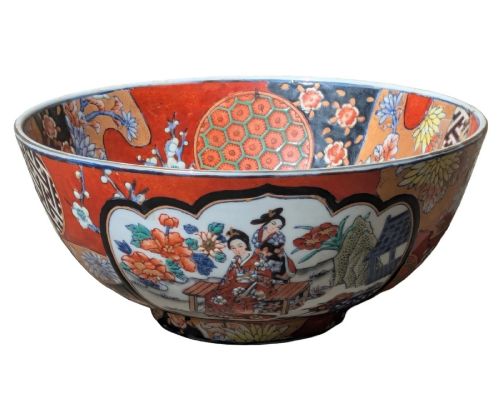
Vintage Painted Bowl
A vintage painted bowl brings hand-applied colour and period craft directly to the table, turning simple ceramics into striking focal points.
Vintage Painted Bowl
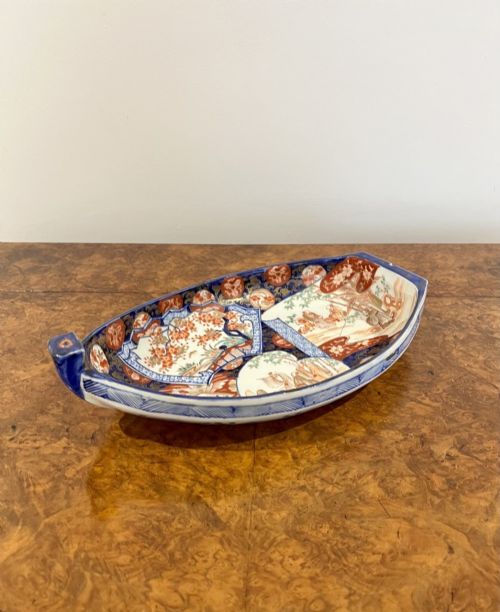
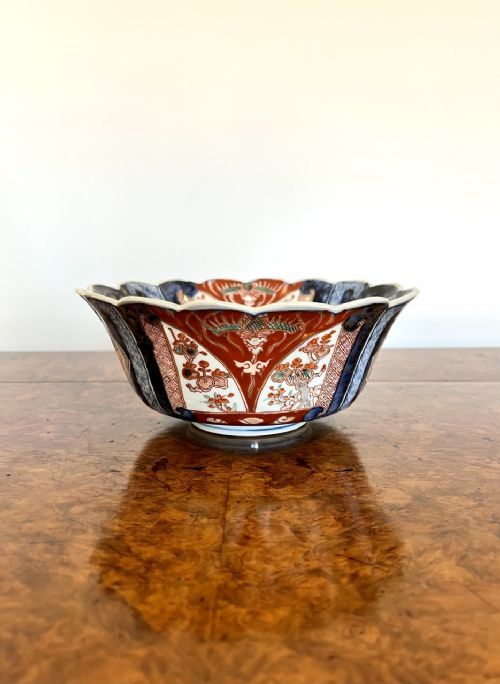
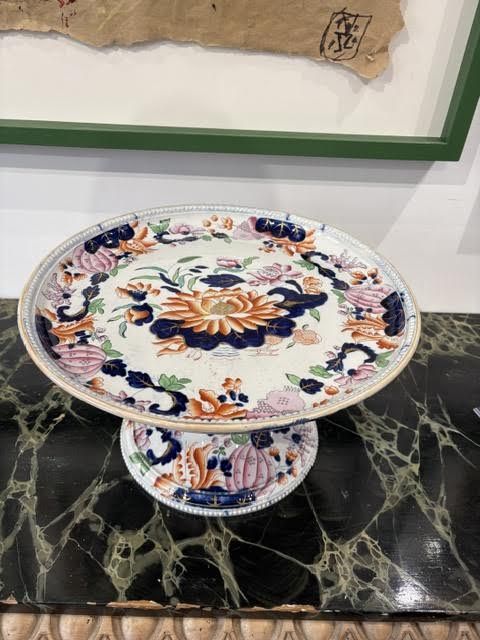
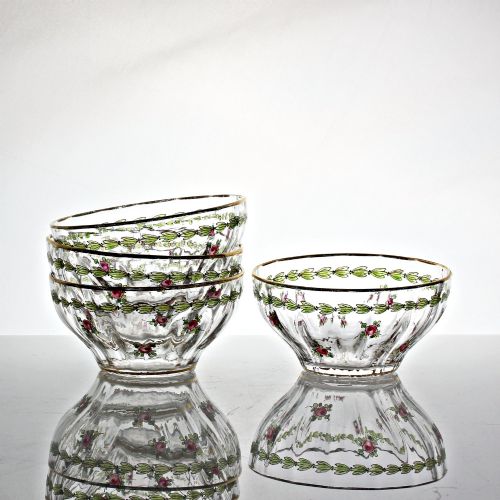
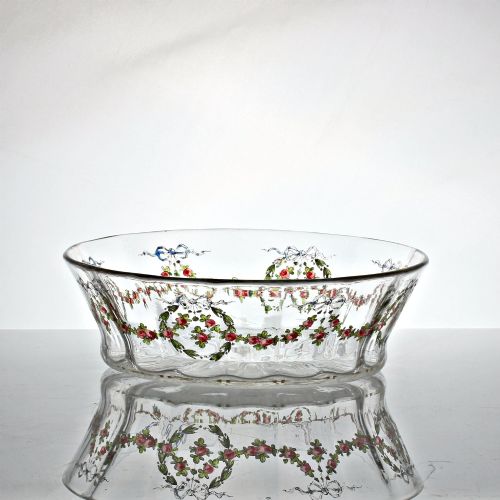
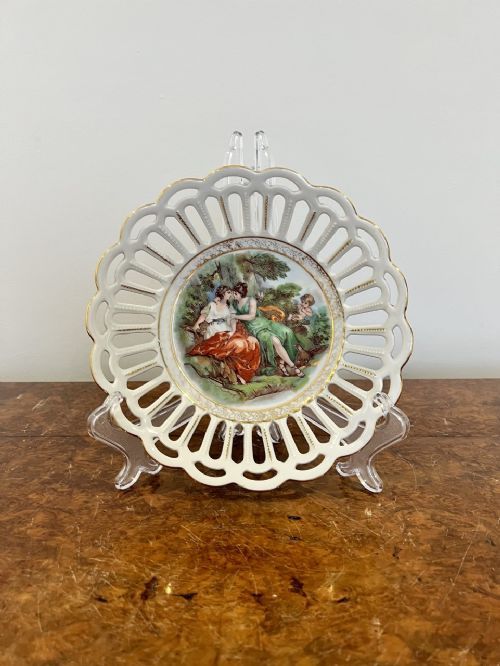
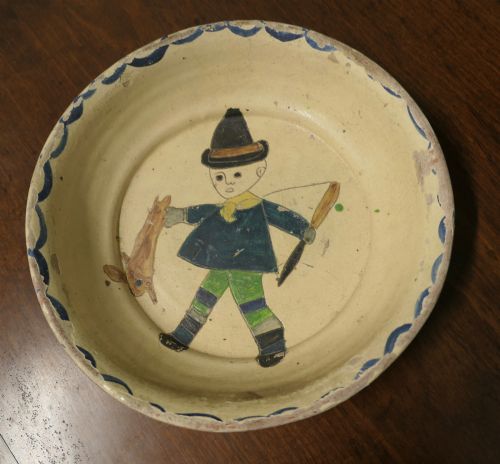
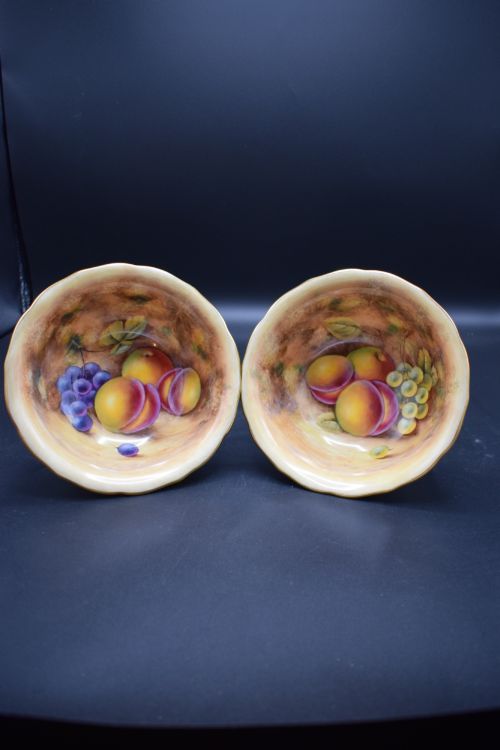
When searching for a vintage painted bowl, collectors encounter a diverse array of decorative vessels spanning several centuries. The selection encompasses robust earthenware, delicate porcelain, and timber forms originating from European and Asian workshops.
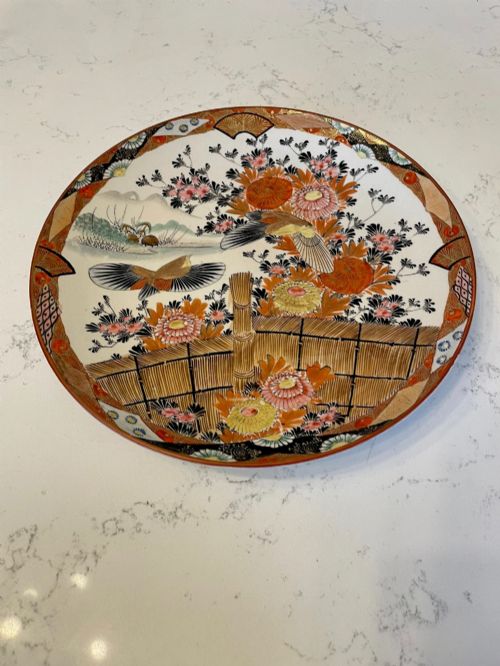
Japanese Imari porcelain vessels and eighteenth-century Chinese punch bowls frequently appear alongside European earthenware and Swedish painted timber pieces. These items range from large scallop-edged serving dishes to small salt bowls designed for domestic display or daily utility.
How they were made
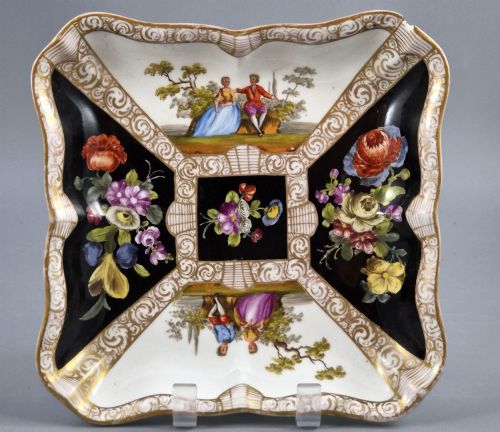
Artisans shaped porcelain, earthenware, and timber before applying intricate pigments by hand. Many pieces incorporate cobalt blue underglaze, enamel decorations, or gold leaf accents fired in kilns to secure the finish.
Wood and papier-mâché substrates receive specialised painted surfaces sealed with protective glazes or varnish. Painters utilised fine brushes to execute detailed botanical scenes, landscape panels, and abstract geometric motifs.
Vintage Painted Bowl Retail Price Guide 2026
Typical asking prices for vintage painted bowl among the pieces listed under this phrase on Sellingantiques today, from the lower quarter to the upper quarter. They describe what is for sale here now, not the wider market.
Listings feature porcelain, earthenware, glass, and wood across periods spanning the eighteenth through the twentieth centuries.
What varies in quality
The precision of the brushwork and the complexity of the pigment layering distinguish superior vessels from standard domestic wares. Master artisans executed balanced compositions with crisp outlines, whereas lesser examples show hurried execution and simpler glazing.
The purity of the underlying porcelain body and the preservation of hand-applied enamel or gold leaf determine the overall calibre of a piece. Well-preserved glazes maintain their original lustre without excessive surface degradation.
Coalport·Meissen·Royal Doulton·Clarice Cliff
The Vintage Painted Bowl Glossary
- Imari
- A style of Japanese porcelain featuring vibrant underglaze blue and iron red, often enriched with gold leaf. These wares were heavily exported to Europe during earlier periods.
- Delft
- Tin-glazed earthenware originating from the Netherlands, recognised by its white surface and blue painted designs. Production dates back several centuries.
- Famille Rose
- A palette of Chinese porcelain decoration distinguished by opaque pink enamel colours. The style developed during the Qing dynasty and spread globally.
- Spongeware
- Pottery decorated by dabbing pigment onto the clay body using a sponge or similar porous material. This technique creates a mottled, textured pattern across the surface.
- Scallop Edge
- A decorative rim shaped into a series of interconnected curves resembling a scallop shell. This form appears frequently on nineteenth-century porcelain bowls and dishes.
Vintage Painted Bowl: Frequently Asked Questions
How were antique bowls used?
These vessels served diverse roles ranging from punch service at gatherings to holding fruit or displaying flowers in domestic interiors.
Smaller examples functioned as dressing table jars, salt cellars, or cabinet dishes meant for visual admiration rather than heavy dining use.
How do I clean a painted bowl?
Gentle dusting with a dry microfibre cloth removes everyday debris without risking fragile enamel or gold leaf layers. Avoid immersion in water or chemical cleaning agents, particularly on pieces with aged timber or delicate surface glazes.
How do I tell periods apart?
Examining the ceramic paste, weight, and pigment characteristics helps differentiate eighteenth-century pieces from later nineteenth and twentieth-century production. Hand-painted underglaze details and specific potting techniques align closely with documented manufacturing eras.
Are painted bowls fragile?
Porcelain and earthenware require careful handling to prevent chipping along the rim or base. Enamel and gold leaf decorations can wear away over time if subjected to abrasive cleaning methods or constant friction.