



Vintage Oval Tea Tray
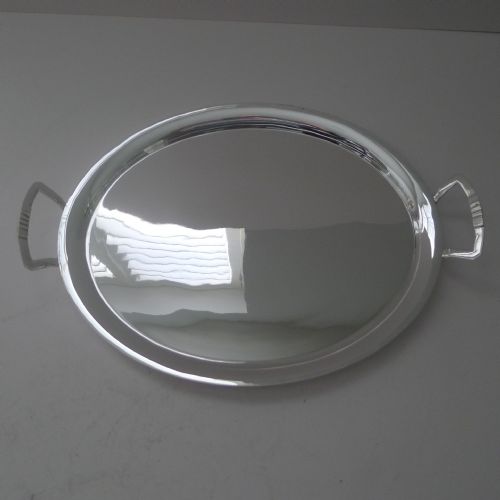
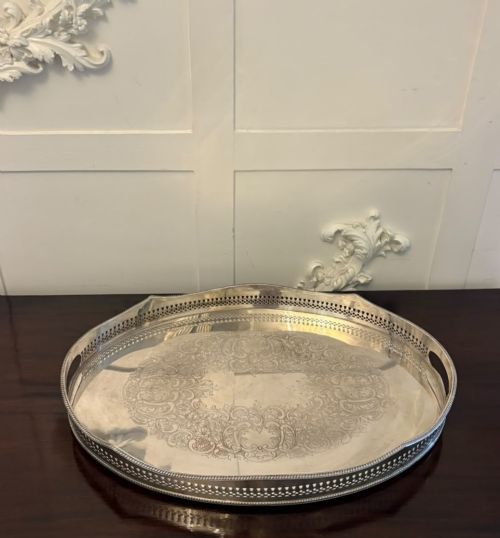
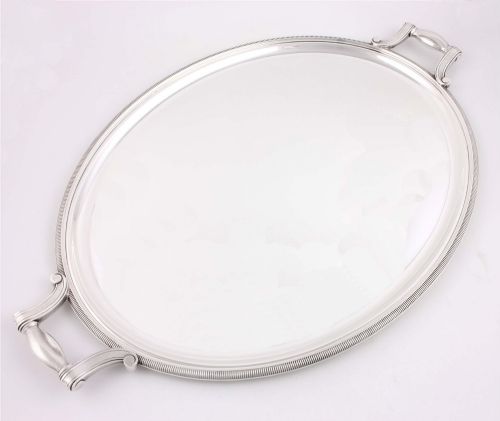
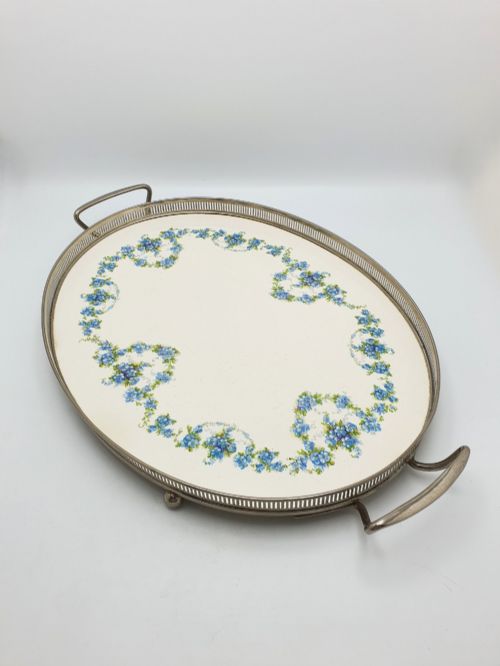
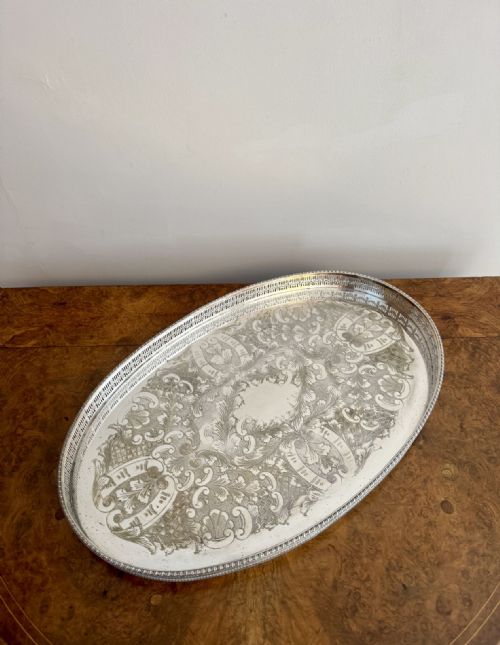
A vintage oval tea tray brings practical elegance to the table, offering a curved surface suited for serving drinks or displaying objects.
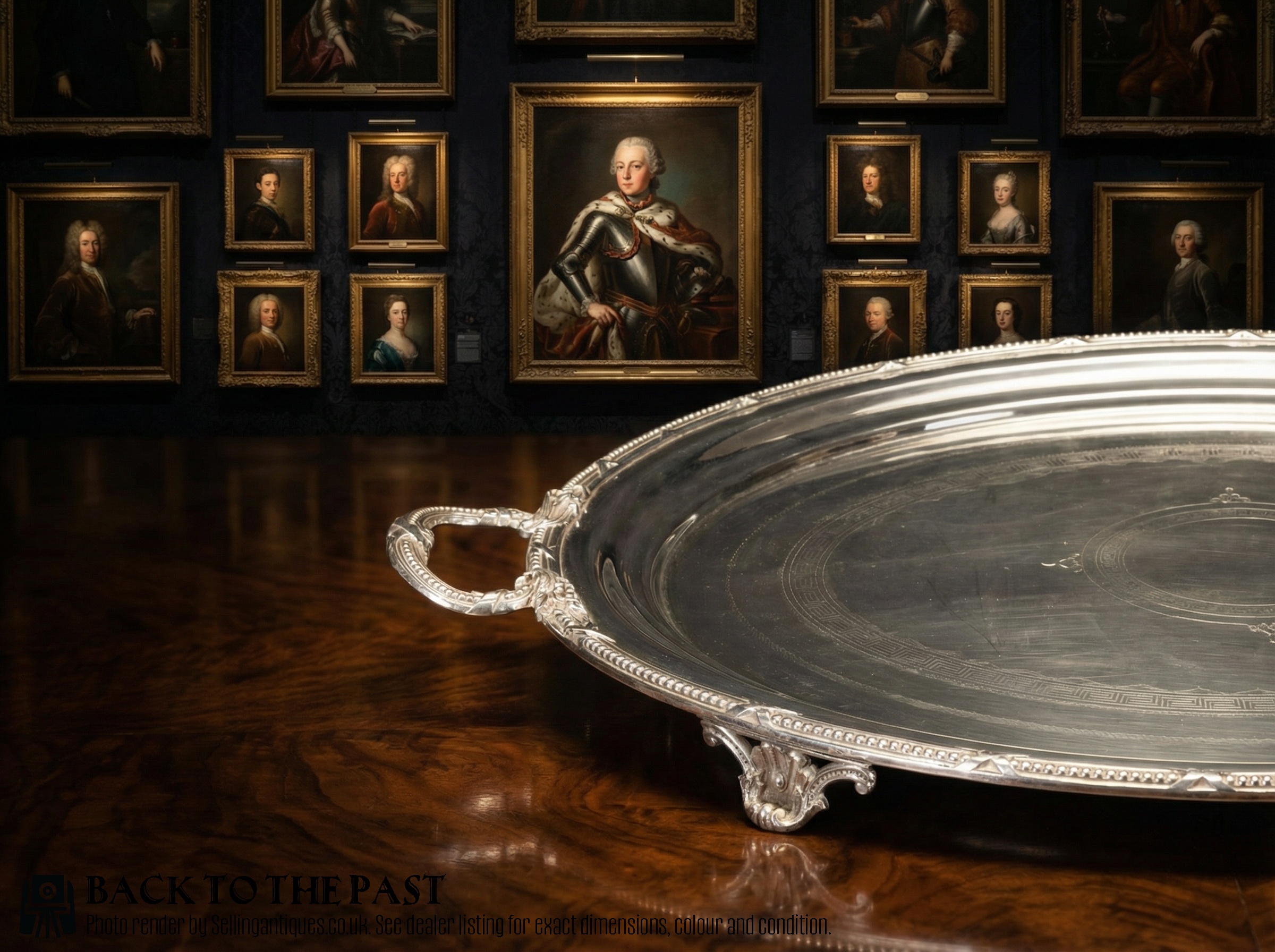
Vintage Oval Tea Tray
A vintage oval tea tray combines utility with decorative appeal, appearing across the Georgian, Victorian, and Edwardian eras up to the mid-twentieth century. These items were designed for hospitality, serving family members or guests in formal and domestic settings alike.
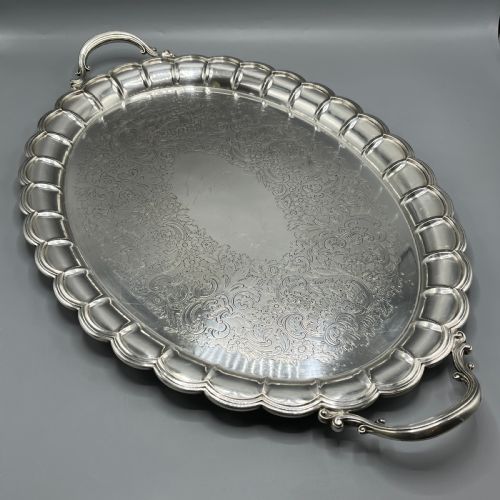
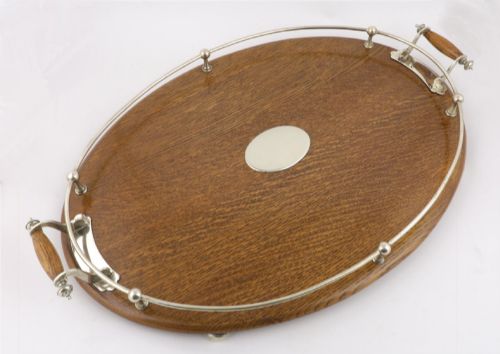
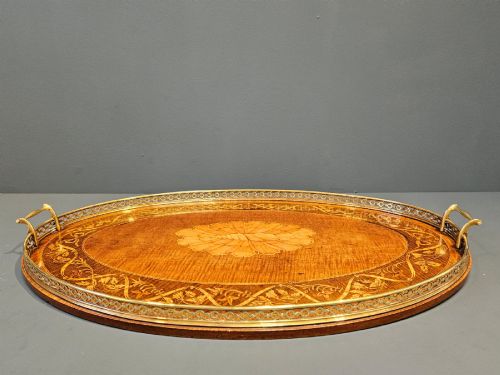
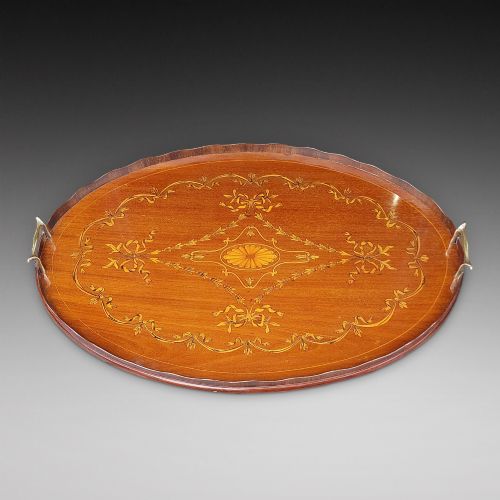
The Edwardian period and the early twentieth century dominate current selections, offering numerous examples in silver plate and inlaid mahogany. Buyers encounter pieces ranging from large butler trays with handles to smaller galleried versions intended for tea service.
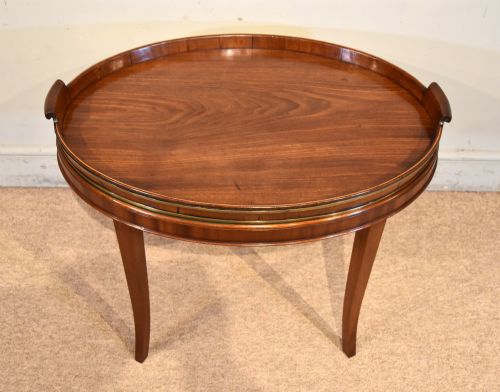
Beyond standard serving ware, some items cross into furniture forms, appearing as tray-top coffee tables or occasional tables supported by folding bases. The curve of the oval shape softens the harder lines of a room, fitting neatly onto side tables and cabinets.
Materials and construction
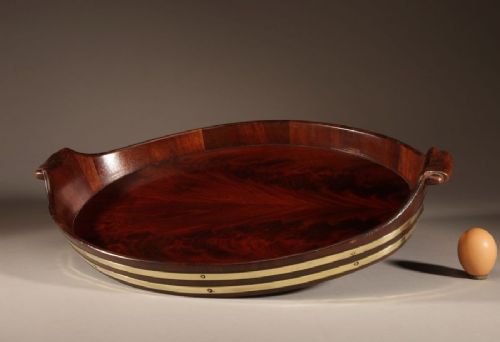
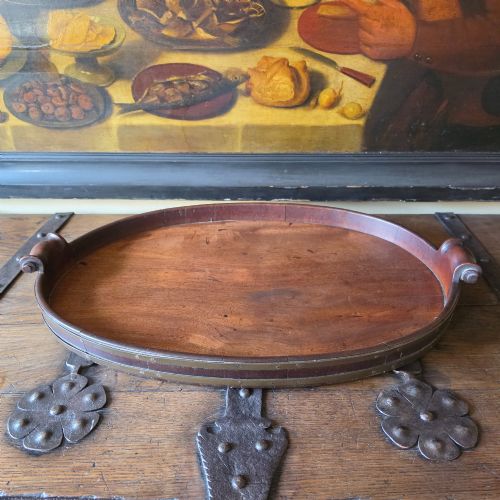
Wood construction relies on timbers like mahogany, oak, and walnut, frequently enhanced by decorative marquetry, oyster veneering, or inlaid contrasting woods. Coopered wooden trays utilise tight stave construction to form rigid curved walls.
Metal versions utilise base metals, copper, brass, and pewter, often treated with silver plating or electroplated nickel silver to create a reflective surface. Engraving, piercing, and embossed scrolls give texture and visual depth to metal trays.
Makers integrated sturdy handles directly into the metal galleries or wooden rims to manage the weight of heavy tea services and decanters. Surface decoration ranges from simple incised lines to complex floral motifs and Chinoiserie painting.
Vintage Oval Tea Tray Retail Price Guide 2026
Typical asking prices for vintage oval tea tray among the pieces listed under this phrase on Sellingantiques today, from the lower quarter to the upper quarter. They describe what is for sale here now, not the wider market.
Copper and pewter creations from the Arts and Crafts movement appear alongside formal Victorian and Edwardian silver-plated serving trays.
Distinctions in craftsmanship
The crispness of the engraving and the depth of the metal plating determine the visual strength of silver-plated and copper examples. Heavier gauge metal resists bending and provides a substantial feel in the hand.
In wooden pieces, the precision of the inlay work and the preservation of the original polish separate standard items from finer workshop output. Well-fitted joints and intact gallery rails indicate superior original construction.
Mappin & Webb·Christofle·Hugh Wallis·Liberty & Co·Peters Hamburg
The Vintage Oval Tea Tray Glossary
- Gallery
- A raised pierced or solid border surrounding the edge of a tray. This prevents items from sliding off during transit.
- Silver plate
- A thin layer of silver applied to a base metal core such as copper or nickel silver. This technique provided the appearance of solid silver at a lower cost.
- Marquetry
- Inlaid patterns of wood veneer forming decorative pictures or geometric designs. Craftsmen fitted these pieces meticulously into the primary timber ground.
- Coopered
- Made from adjacent curved wooden staves joined tightly together, similar to barrel construction. This method gives curved wooden trays structural strength.
- Chinoiserie
- European decorative art imitating Chinese artistic styles. It frequently appears as painted or lacquered scenes on various tray surfaces.
Vintage Oval Tea Tray: Frequently Asked Questions
How were these trays originally used?
These trays served to transport teapots, cups, and silver service items from the kitchen to the drawing room. They also functioned as cocktail and decanter trays for evening entertaining.
In daily domestic life, they protected wooden furniture from spills while keeping small items organised in one portable place.
Can I use a vintage tray for daily serving?
Silver-plated and wooden trays handle regular use well provided they receive gentle care. Metal versions benefit from soft cloths and specialised cleaning agents to preserve the plating.
Wooden trays need protection from standing water and excessive heat to keep the finish and any veneer intact.
How do I date an Edwardian tray?
Edwardian pieces often feature bright silver plating techniques alongside Edwardian hallmarks or maker stamps associated with the early twentieth century. Stylistic markers include delicate floral engraving and pierced metal galleries.
Comparing the construction methods and wood types with documented pieces from the same decade helps confirm the approximate age.