
Vintage Oval Diamond Ring
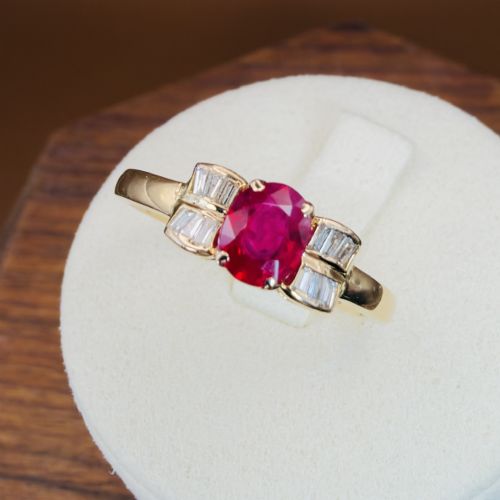
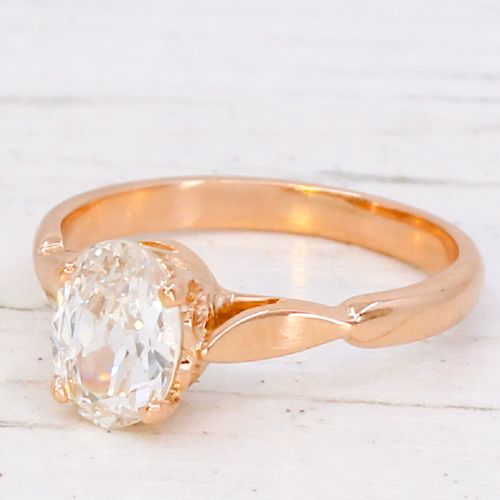
When you search for a vintage oval diamond ring, you enter a world of elongated proportions and clustered brilliance spanning from the Edwardian era to the mid-century.

Vintage Oval Diamond Ring
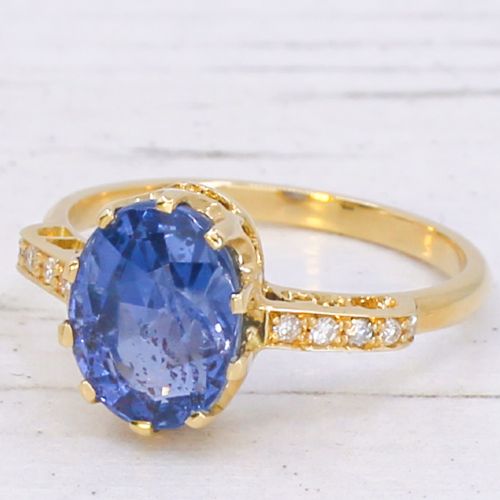
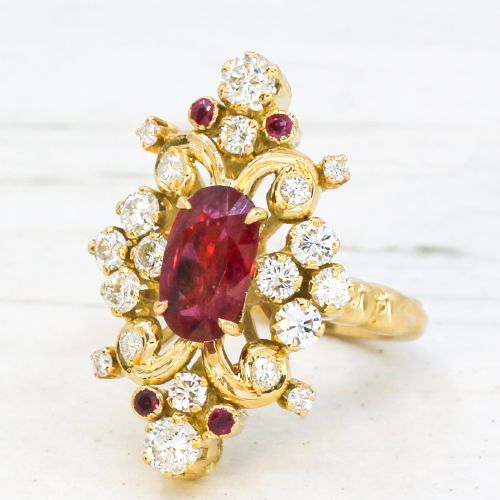
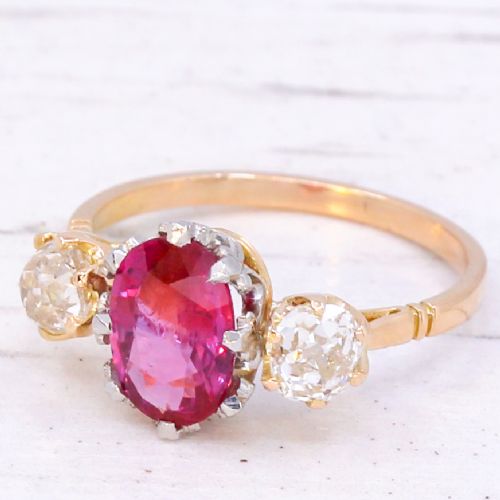
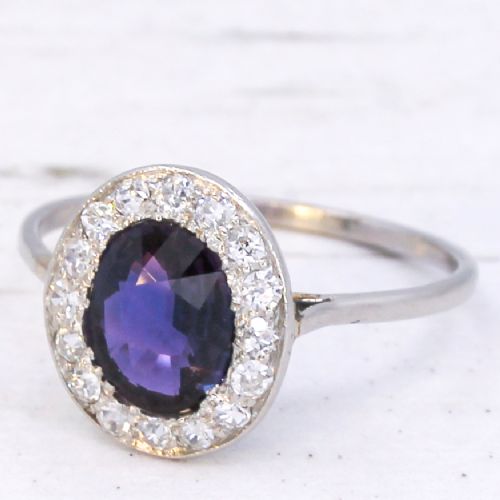
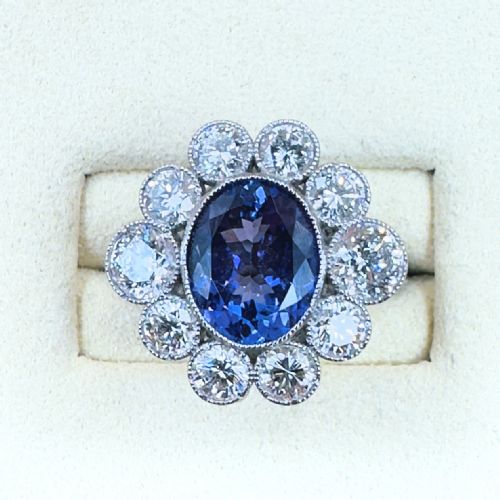
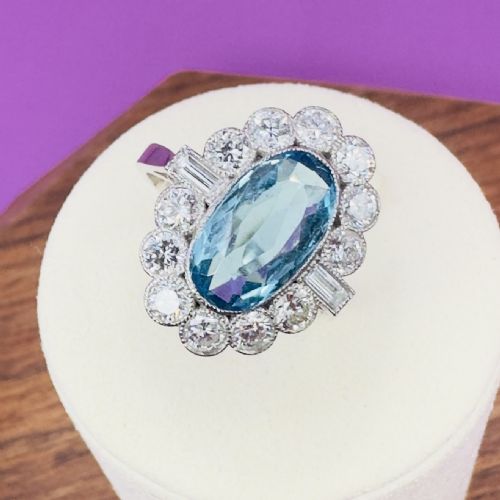
A vintage oval diamond ring centres on an elongated gemstone shape designed to flatter the finger while offering a larger apparent surface area than a round stone of equal weight. The pieces gathered here range from solitary diamond configurations to elaborate cluster rings featuring central ovals surrounded by smaller stones.
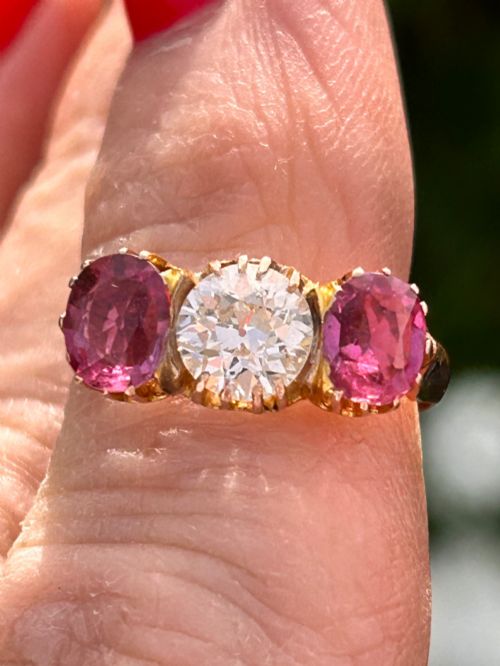
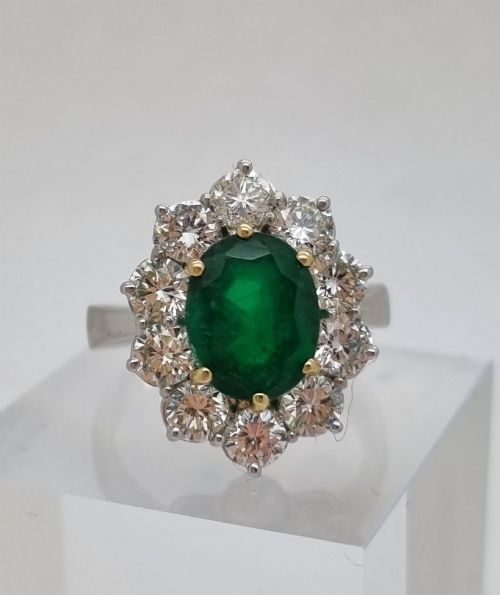
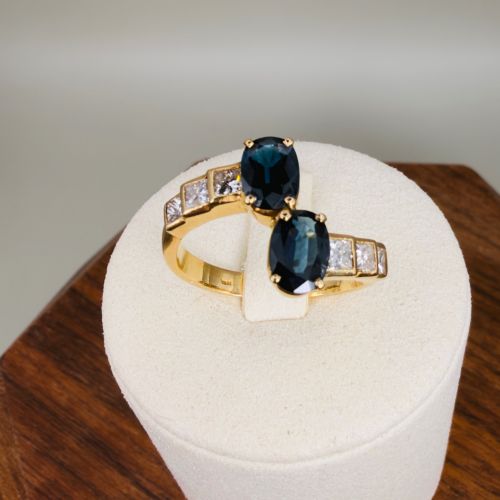
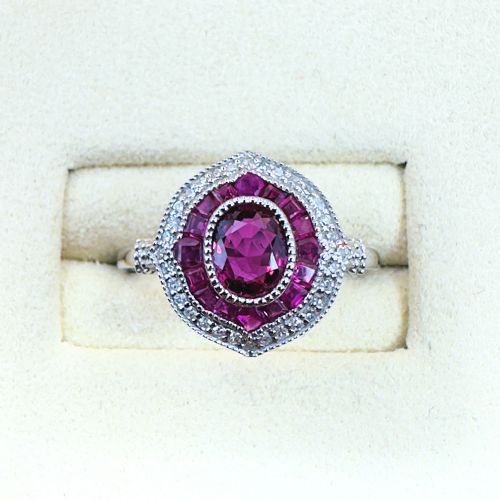
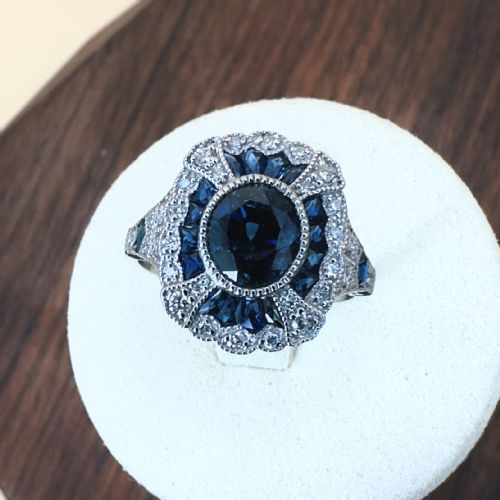
The most common examples on this page hail from the mid-twentieth century, particularly the 1950s, though earlier Edwardian and Art Deco specimens frequently appear alongside Victorian trilogy designs. These configurations often pair the central oval diamond with coloured gemstones such as unheated sapphires, rubies, and emeralds.
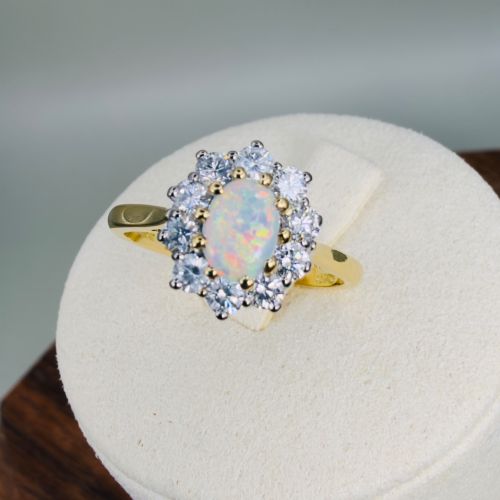
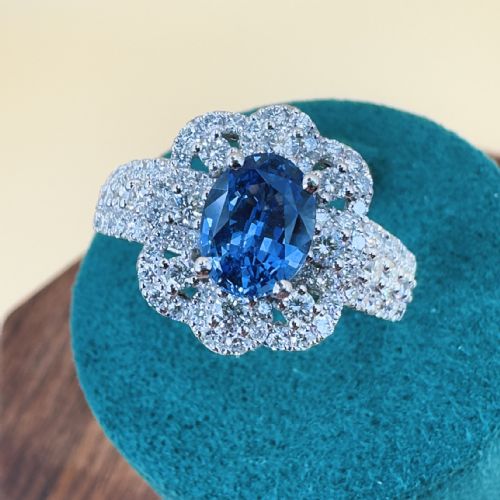
Cluster and cocktail rings dominate the selection, bringing together high-carat centre stones and intricate diamond halos. Buyers encounter various precious metals supporting these settings, moving from traditional yellow gold to platinum and white gold as twentieth-century tastes evolved.
Materials and Techniques
Master jewellers constructed these rings using durable platinum and varying grades of gold, notably 18ct yellow gold and 18ct white gold, which provided secure mountings for substantial stones. Platinum gained favour during the Art Deco period for its strength, allowing delicate claw settings and millegrain edges without sacrificing security.
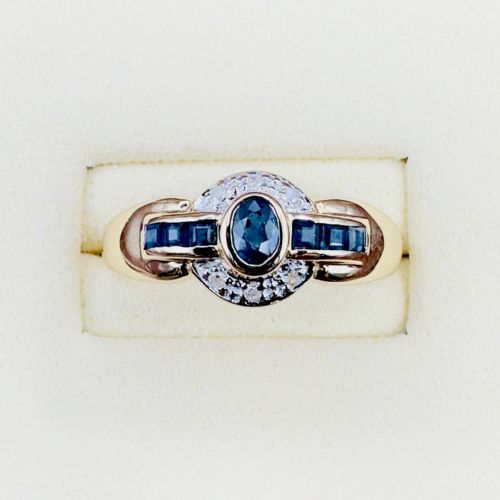
Gemstones such as rubies, sapphires, and aquamarines were shaped into oval cuts, cabochons, or baguette cuts to complement the central diamond. Cutters utilised old oval cuts and rose cuts in earlier pieces, creating distinct facet patterns that differ from modern brilliant cuts.
Listings span from the Victorian era through the 1960s, featuring platinum, white gold, and yellow gold set with aquamarines, sapphires, rubies, and emeralds.
Quality and Construction
The distinction between tiers rests upon the origin and treatment of the central gemstones, particularly unheated sapphires and rubies that command higher regard. Natural colour saturation and clarity within emeralds and aquamarines also dictate the standing of a piece.
Metalwork finesse separates standard production from exceptional examples, observed in the precision of the cluster symmetry and the integrity of the platinum or gold shanks. Rings featuring certified stones and intact maker details retain greater documentary completeness.
Le Vian
The Vintage Oval Diamond Ring Glossary
- Cluster ring
- A ring design featuring a prominent central gemstone encircled by a group of smaller accent stones, typically diamonds.
- Millegrain
- A decorative jewellery technique involving a line of tiny raised metal beads along the edges of a setting.
- Cabochon
- A gemstone shaped and polished with a smooth, rounded surface rather than faceted edges.
- Trilogy ring
- A ring set with three stones in a row, traditionally representing the past, present, and future.
- Old cut
- A diamond cutting style from earlier periods characterised by a smaller table, higher crown, and larger culet.
Vintage Oval Diamond Ring: Frequently Asked Questions
How do I date a vintage oval diamond ring?
Dating relies on the metal combinations, hallmark stamps, and cutting styles present in the mounting. Art Deco pieces often show geometric platinum work, while 1950s examples favour robust gold cluster settings.
Examining the facets of the central diamond also helps determine whether an old cut or a transitional cut was utilised by the original lapidary.
Are coloured gemstones common in these rings?
Coloured gemstones frequently accompany the diamonds in these listings, forming vibrant cluster and cocktail ring configurations. Sapphires, rubies, and emeralds are paired regularly with the central stones.
Many of these coloured stones originate from regions like Ceylon or Burma and often feature unheated natural properties.
How should I care for an antique diamond ring?
Regular cleaning with warm soapy water and a soft brush maintains the sparkle of both the diamonds and the surrounding precious metal. Avoid harsh chemical dips, particularly if the ring incorporates softer gems like opals or emeralds.
Periodic inspection by a professional jeweller ensures that the claw settings securing the oval stones remain tight and secure.