
Vintage Ornate Frame
These pieces give any interior a strong focal point through elaborate carving and gilding.
Vintage Ornate Frame
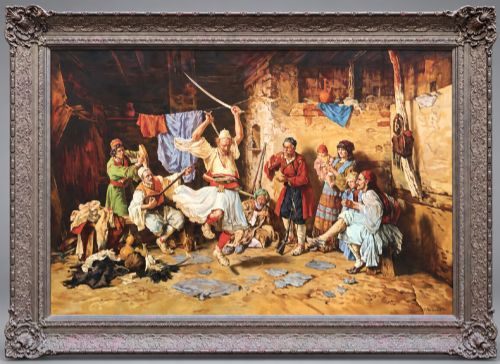
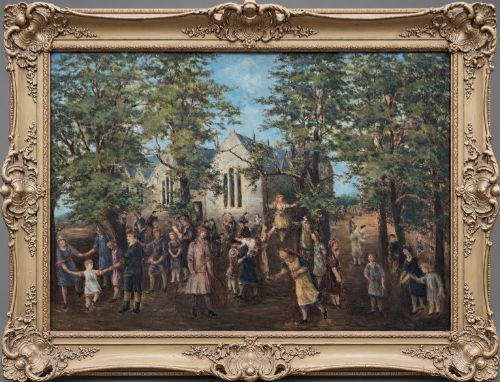
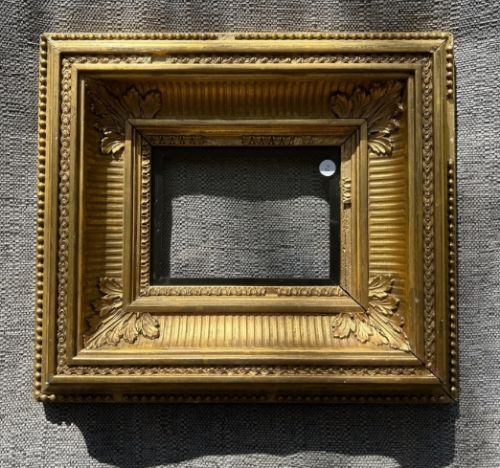
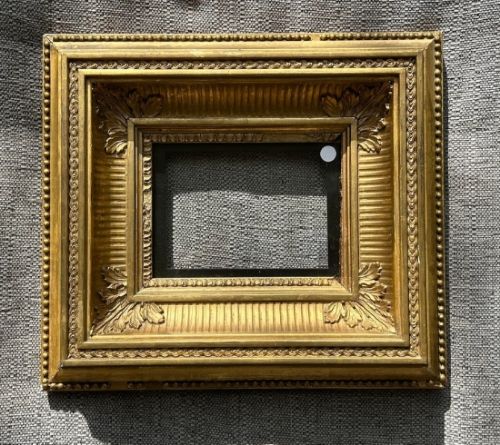
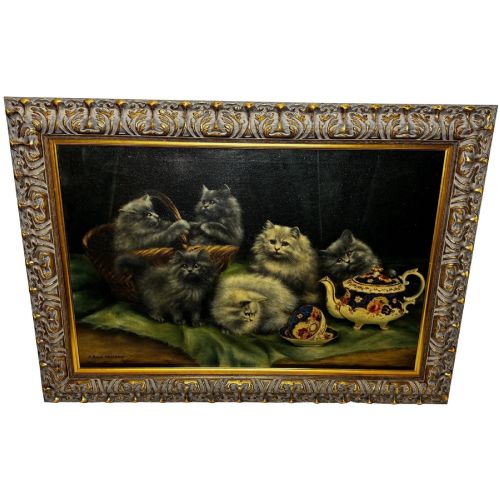
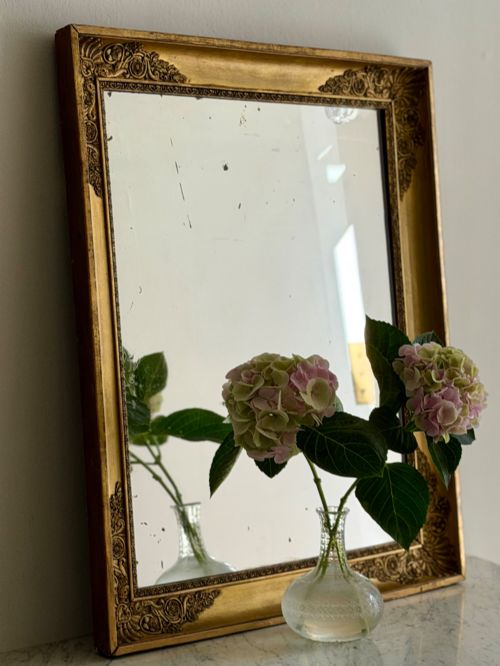
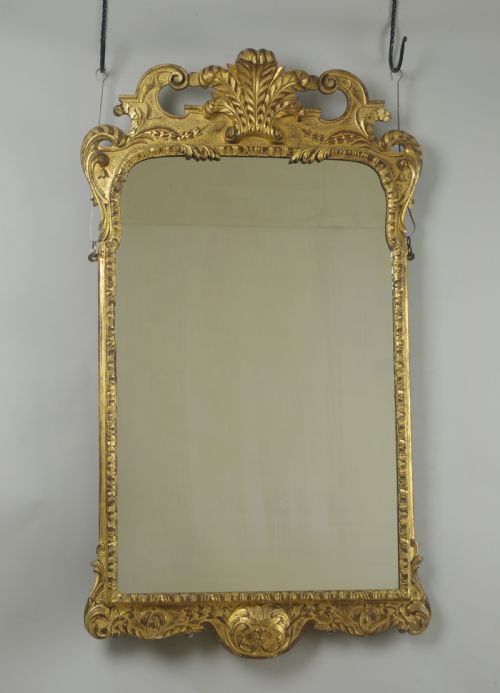
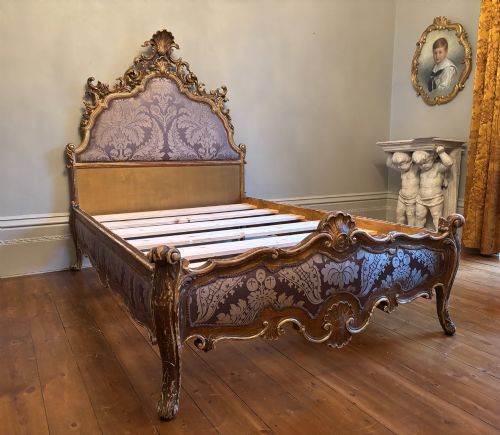
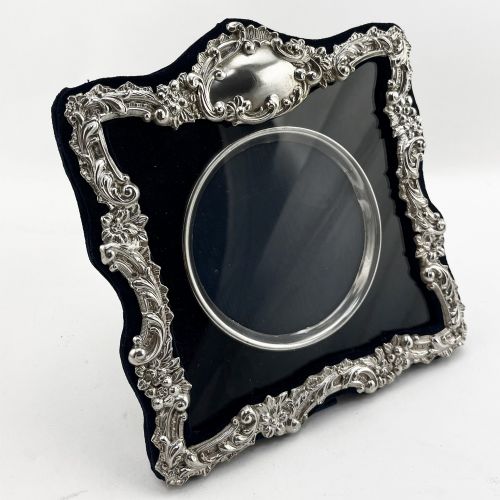
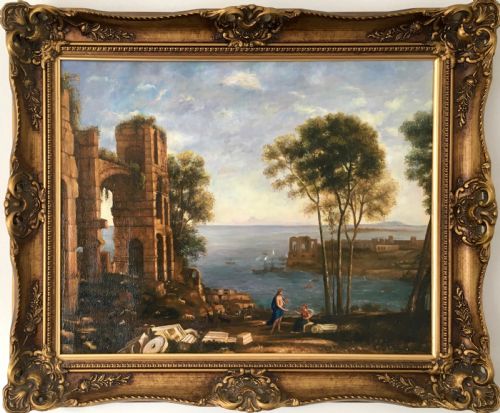
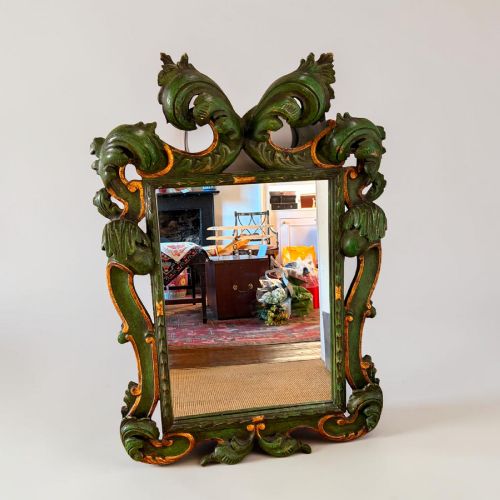
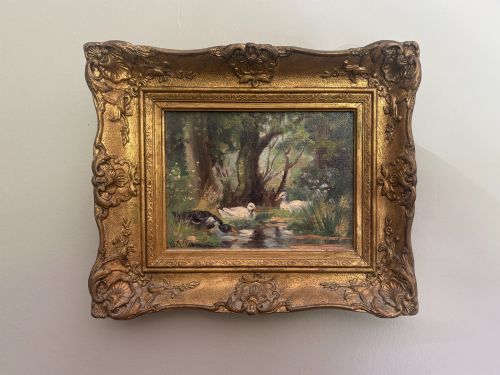
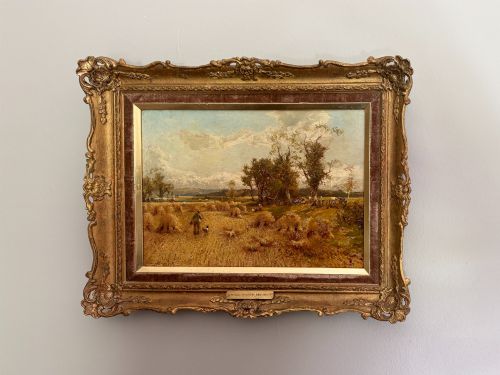
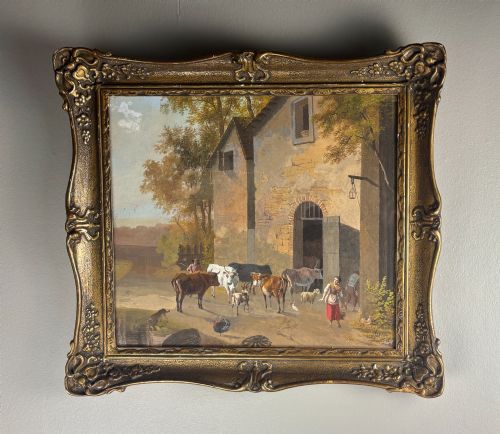
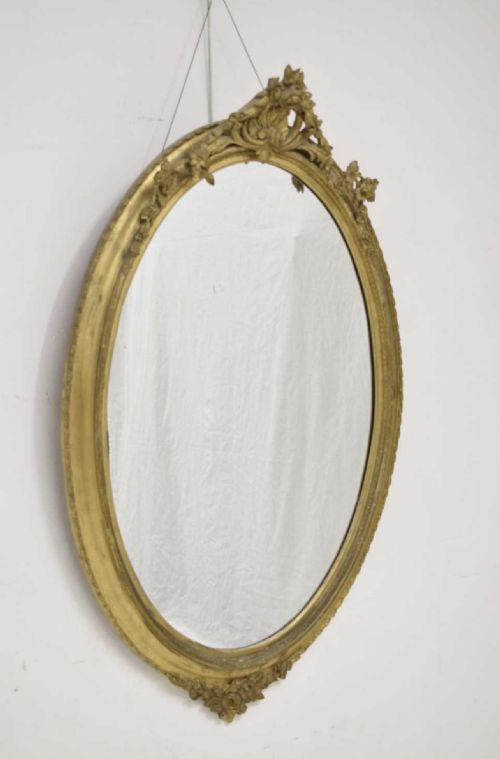
A vintage ornate frame brings together heavy decorative moulding, carved wooden details, and reflective glass or canvas art, spanning periods from the nineteenth century through the Edwardian era. You will frequently encounter wall mirrors and picture frames alongside oil paintings enclosed in similar elaborate borders, reflecting historical styles such as Rococo Revival and French Chateau.
The objects here originate predominantly from European workshops, encompassing French, Italian, and English craftsmanship. Surviving examples often combine mirrors with deep wooden surrounds or house landscape and portrait paintings within heavy gilt surrounds.
Materials and Construction Techniques
Carved wood forms the structural base for these pieces, utilising timber like oak and walnut alongside softer woods. Artisans applied layers of gesso - a mixture of plaster and binder - onto the timber substrate to create raised scrollwork, fluting, and intricate floral motifs.
Gold leaf or metallic paint finishes these surfaces, often applied over a red bole base to impart warmth to the gilding. Silver gilt, brass elements, and etched glass plates also appear in Edwardian and nineteenth-century examples.
Cats, ducks, and travellers populate the canvases found within these frames, bringing historic wildlife and passers-by straight onto the wall.
Distinctions in Quality
Quality rests in the depth and sharpness of the hand-carved detail rather than flat moulded composition. Pieces with crisp relief work, well-preserved gesso underlayers, and original gold leaf show superior craftsmanship compared to simpler or heavily restored substitutes.
The integrity of the underlying timber frame and the originality of the mirror plate or canvas insert dictate the structural merit of the piece.
Agnes Augusta Talboys·Willem J Palman·William Manners·Karel Dujardin·Barent Gael·Edward Mills
The Vintage Ornate Frame Glossary
- Gesso
- A plaster-based material applied to wood substrates to create a smooth surface for carving or gilding. This mixture allows artisans to sculpt intricate relief patterns.
- Giltwood
- Timber coated with gold leaf or metallic powder. It provides the characteristic bright metallic finish seen on historical mirrors and picture frames.
- Rococo Revival
- A nineteenth-century design movement inspired by eighteenth-century French style. It is characterised by asymmetrical scrollwork, C-scrolls, and naturalistic plant motifs.
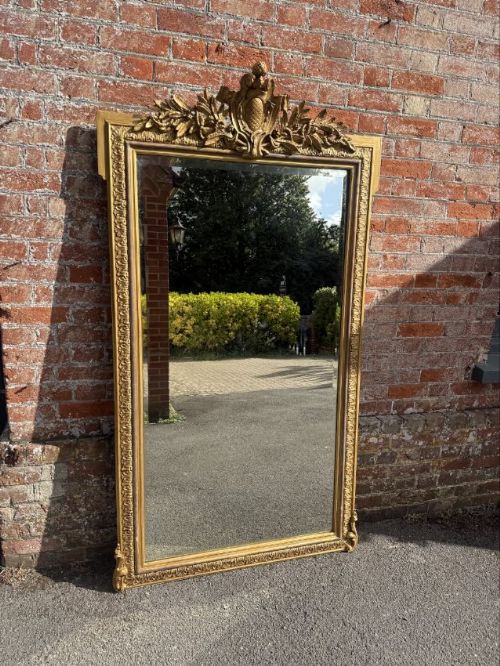
- Overmantel mirror
- A large mirror designed to hang above a fireplace mantel. These pieces frequently feature architectural framing and extensive crest decorations.
- Bevelled mirror plate
- Glass with an angled edge polished around the perimeter. This technique adds depth and catches light at various angles.
Vintage Ornate Frame: Frequently Asked Questions
How do I hang a heavy antique mirror?
Heavy carved wall mirrors require secure attachment directly into wall studs or proper masonry anchors. Using steel wire rated well above the weight of the frame ensures structural safety.
Professional mirror hangers often utilise french cleats to distribute the substantial weight evenly across the wall surface.
Are these frames suitable for modern art?
Historic frames provide a striking contrast when paired with contemporary canvases or minimalist prints. The heavy gilding and ornate carving create a deliberate juxtaposition against clean modern lines.
Ensuring the rebate depth matches the new canvas thickness is the main technical consideration during framing.
How do I clean giltwood safely?
Dust giltwood surfaces gently using a very soft dry brush or a feather duster. Moisture and chemical cleaners can dissolve historical water gilding and damage the gesso beneath.
Professional conservators should handle any repairs involving flaking leaf or damaged plaster ornament.
How can I tell nineteenth-century frames apart from later copies?
Nineteenth-century examples display hand-carved tool marks, oxidised gesso layers, and shrinkage cracks in the wood underneath the gilding. Modern replicas often use uniform polyurethane resin or machine-pressed composition ornament.
Examining the backboards, nail types, and corner joints reveals the age of the construction materials.