



Vintage Ornate Clock
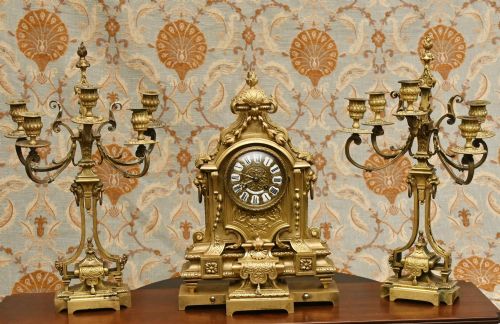
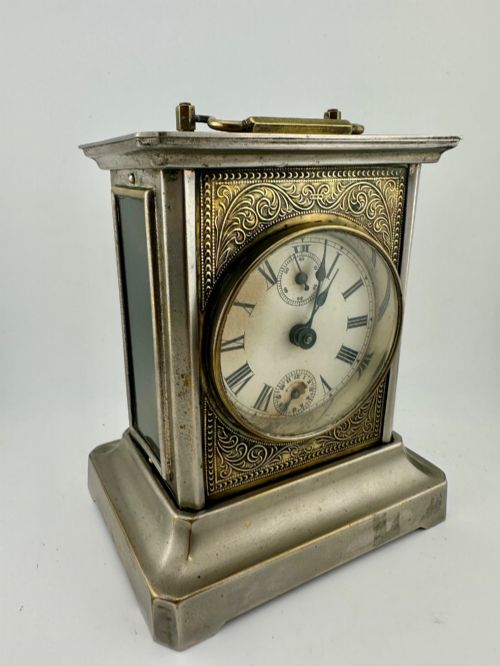
A vintage ornate clock brings intricate brass work, bevelled glass and heavy gilding into a room, offering both reliable timekeeping and undeniable decorative presence.
Vintage Ornate Clock
When you search for a vintage ornate clock, you enter a field dominated by nineteenth-century carriage clocks, mantel pieces and desk designs. These items originate predominantly from French and Victorian workshops, spanning periods from the mid-nineteenth century through to the Edwardian era.
The selection here ranges from compact brass miniature carriage pieces and glass crystal regulators to heavy marble and ormolu mantel clocks. French influences run deep through the available styles, frequently drawing on Rococo Revival, Louis XVI and baroque decorative vocabularies.
Buyers will encounter freestanding carriage clocks housed in gilt engraved or cast cases alongside larger domestic mantel models designed to sit prominently on a shelf or desk. Each form relies on decorative metalwork and architectural detailing to catch the eye from across the room.
How they were made
Maker workshops built these mechanisms using robust brass plates, steel arbors and intricate gear trains driven by mainsprings or fusee movements. Many incorporate jewelled escapements and platform balances to maintain accuracy within portable or domestic housings.
Casework relies heavily on cast gilt brass, ormolu, gilt bronze and silver, paired with transparent glass panels or bevelled viewing windows. Details such as chwed mounts, enamel dials and painted ceramic plaques add colour and texture to the metallic frames.
Vintage Ornate Clock Retail Price Guide 2026
Typical asking prices for vintage ornate clock among the pieces listed under this phrase on Sellingantiques today, from the lower quarter to the upper quarter. They describe what is for sale here now, not the wider market.
Some carriage clocks were made specifically for the Chinese market, featuring ornate painted porcelain panels alongside heavy brass.
What varies in quality
The standard of a piece rests on the crispness of the cast ornamentation and the depth of the gilding on the brass or bronze case. Heavy, well-finished metalwork with deeply engraved side panels and tight joinery separates superior examples from mass-produced items.
Internal mechanics also define the tier of the clock, particularly the presence of signed movements, repeater complications or complex striking mechanisms. Original platforms and clean, unpolished enamel dials indicate a higher level of preservation and original craftsmanship.
Brunelot·Gontard and Bolviller Paris·Thomas Cole and James Cole·Hunt and Roskell·Tiffany·Luxor
The Vintage Ornate Clock Glossary
- Carriage clock
- A portable spring-driven timepiece originally designed for travel, typically fitted with a carrying handle and glass panels. They often sit in brass or gilt metal cases.
- Ormolu
- Gilt bronze produced by applying a finely ground high-carat gold-mercury amalgam to a bronze object, which is then fired. It provides a rich, durable golden finish.
- Platform escapement
- The tiny self-contained assembly holding the balance wheel and hairspring placed on top of the movement. It replaced the pendulum in portable clocks.
- Crystal regulator
- A mantel clock housed in a brass frame with four glass panels that expose the movement and mercurial or standard pendulum. These pieces became popular during the late nineteenth century.
- Fusee
- A conical pulley used with a cord or chain to maintain an even pull on the gear train as the mainspring unwinds. This mechanism improves the timekeeping accuracy of older clocks.
Vintage Ornate Clock: Frequently Asked Questions
What is a repeater carriage clock?
A repeater is a more complex carriage clock that chimes the hours and quarters on demand when a button or plunger on top of the case is pressed. This feature allowed owners to check the time in total darkness without lighting a candle.
These models contain additional gear trains and hammers inside the brass case, which increases their mechanical complexity. Collectors prize repeater movements for their intricate engineering and auditorily pleasing strikes.
How should I clean a brass clock case?
Dust brass and gilt surfaces regularly with a soft, dry microfibre cloth to prevent dirt from settling into the engraved crevices. Avoid using abrasive commercial metal polishes, as these can strip away the original fire gilding or ormolu finish.
If the glass panels require cleaning, apply a small amount of glass cleaner to a cloth rather than spraying it directly onto the clock. This prevents liquid from seeping into the movement and causing corrosion.
Why does my mantel clock stop running?
Mechanical clocks require a completely level surface to keep the balance wheel or pendulum swinging evenly. Shifting the clock slightly to the left or right will often restore the correct beat.
If the clock is level and still stops, it may simply need its mainspring wound or professional oiling if the lubricants have dried out over time. Older escapements are sensitive to dust and benefit from servicing by a horologist every few years.