




Vintage Ornate Brass Frame
A vintage ornate brass frame brings tactile metalwork and historical weight to interiors, capturing Victorian and French revival tastes.
Vintage Ornate Brass Frame
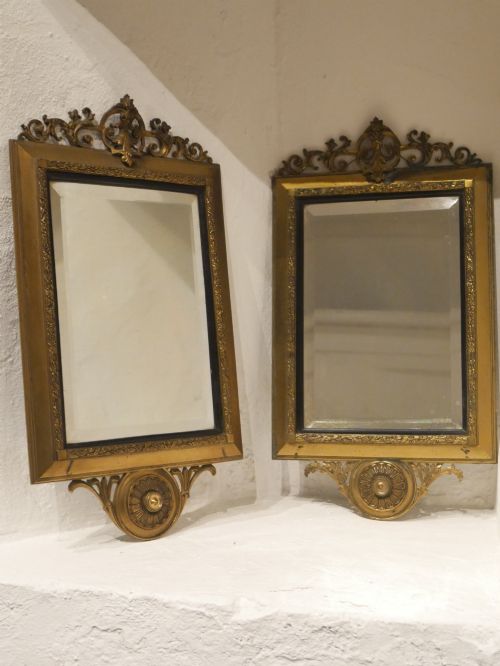
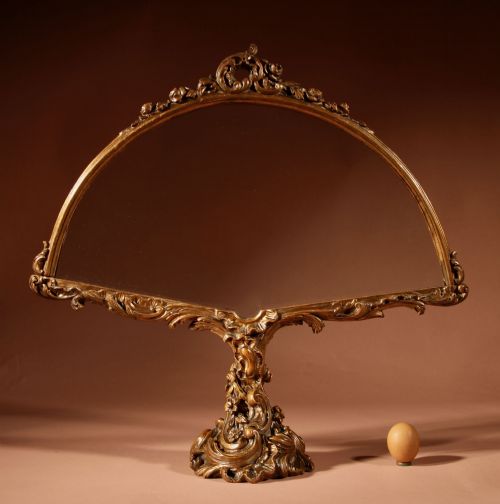
A vintage ornate brass frame encompasses a variety of decorative objects, most notably wall mirrors, picture frames, and display items from the nineteenth and early twentieth centuries. These items reflect revivalist aesthetics such as French Rococo, Louis XVI, and Victorian design.
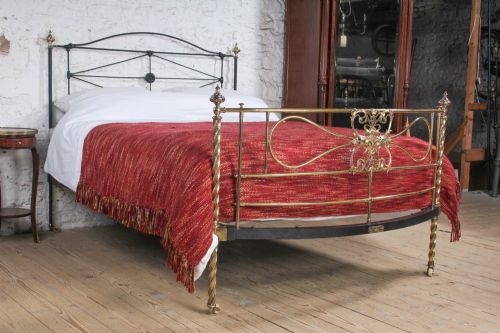
Origins trace through British, French, and Dutch workshops, capturing periods from the eighteen-fifties through to the nineteen-twenties. The forms range from simple wall-hanging plates to elaborate half-tester beds and ceremonial pieces.
How they were made
Construction relies heavily on cast brass, gilt bronze, and wrought iron, frequently combined with wooden components or glass plates. Makers utilised casting techniques to achieve high relief ornamentation, incorporating cherubs, masks, and scrollwork directly into the metal.
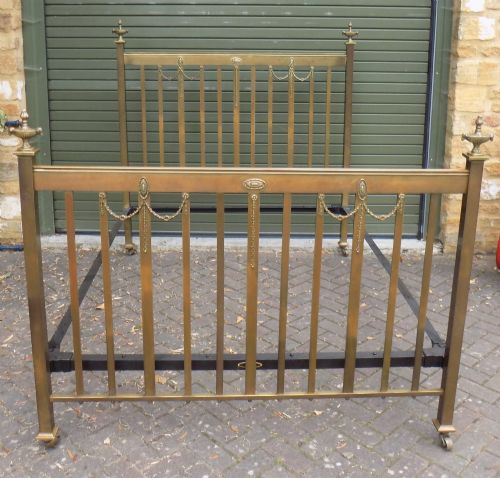
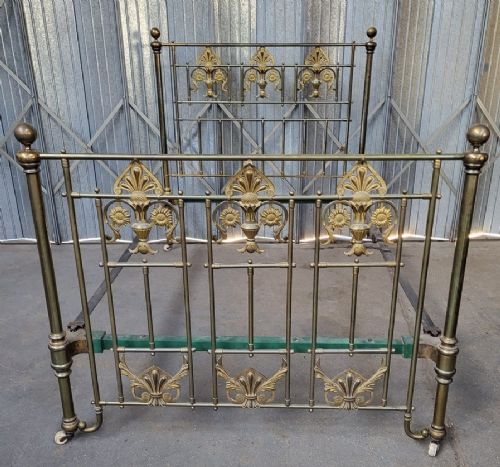
Surface finishes involve polishing, fire-gilding, or retaining original patination on metal elements. Structural joins in larger pieces like beds utilise heavy iron brackets and bolts to support substantial metal tubing and cast crests.
Vintage Ornate Brass Frame Retail Price Guide 2026
Typical asking prices for vintage ornate brass frame among the pieces listed under this phrase on Sellingantiques today, from the lower quarter to the upper quarter. They describe what is for sale here now, not the wider market.
What varies in quality
The refinement of the casting defines the upper tier of these pieces, distinguishing sharp, deep relief work from softer, summary moulding. Pieces produced by known firms exhibit crisper detailing in motifs such as rams' heads and floral garlands.
The integrity of the original components, including mirror glass and mounting hardware, separates untouched examples from those with replaced elements. The weight and gauge of the brass used in the frame construction also indicate the standard of manufacture.
Winfield·Maple And Co
The Vintage Ornate Brass Frame Glossary
- Gilt bronze
- Metal cast in bronze and treated with a gold-coloured finish or mercury gilding. This material allows for exceptionally sharp detail in decorative mounts and frames.
- Half-tester bed
- A bed featuring a partial canopy that extends only over the head portion of the framework. These structures often incorporate ornate brass posts and cast crests.
- Cushion mirror
- A looking glass set within a frame that curves outward towards the edges, resembling a plump cushion. This form appears frequently in seventeenth-century Dutch and nineteenth-century revival pieces.
- Wall mirror
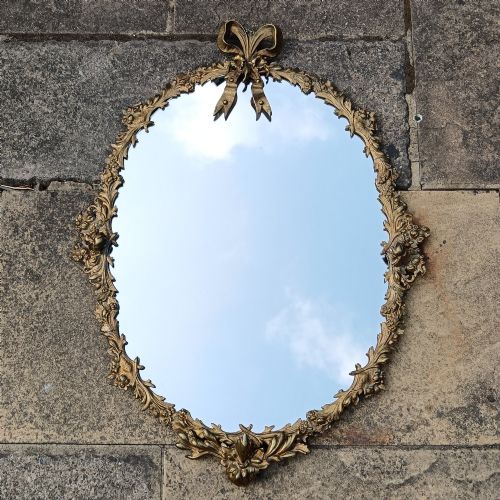
- A reflective glass plate set into a hanging frame designed for vertical display. Surviving examples often retain their original bevelled glass and backboards.
Vintage Ornate Brass Frame: Frequently Asked Questions
How do I clean an antique brass frame?
Dust the metal gently with a soft, dry cloth to remove surface particles without disturbing the underlying surface. Avoid harsh chemical polishes that can strip historical patination and damage delicate cast details.
For stubborn grime, use a mild soap solution applied sparingly with a soft brush, drying the metal immediately afterwards. Preserving the natural ageing on Victorian and French bronze pieces maintains their historical character.
How do I identify a Victorian brass bedstead?
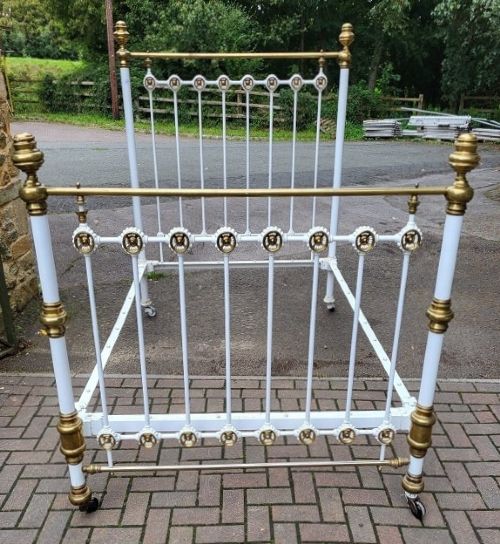
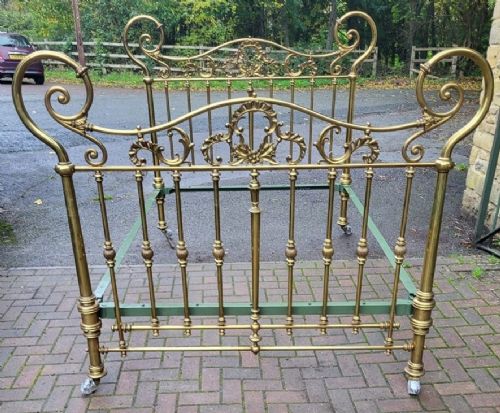
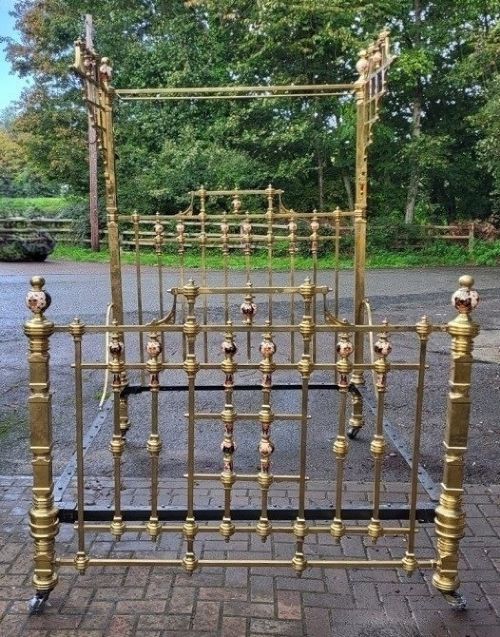
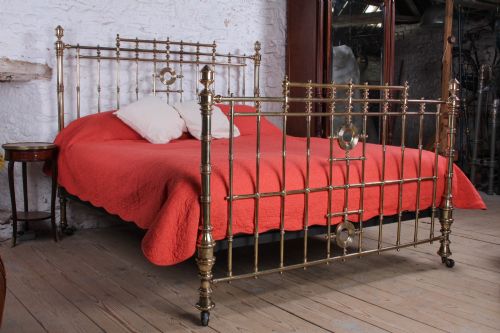
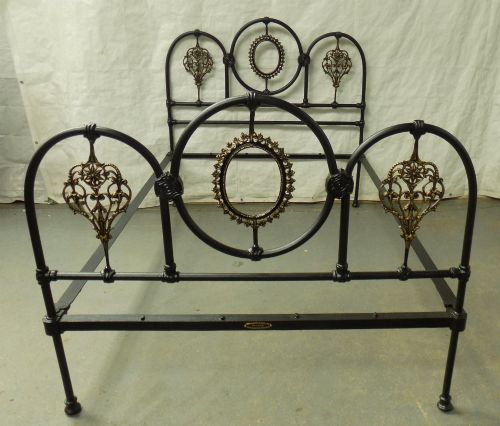
Victorian bedsteads typically feature heavy brass tubing, cast iron internal frames, and decorative cast brass finials or crests. Manufacturers often incorporated stamp marks or brass plaques near the headboard joints.
Sizes vary from single formats to king dimensions, frequently utilising bolted joints rather than modern slats. The presence of original porcelain castors or ceramic wheels also points to nineteenth-century production.
What distinguishes French Rococo style from Victorian?
French Rococo revival pieces focus on asymmetrical scrollwork, naturalistic shell motifs, and elaborate cartouches executed in gilt bronze or brass. The lines are generally more fluid and organic compared to standard British Victorian production.
Victorian design often employs stricter symmetry, prominent crests, and heavier massing in both iron and brass combinations. Examining the depth of relief work helps clarify the specific stylistic origin of the metalwork.