



Vintage Ormolu Timepiece
These vintage ormolu timepieces combine gilded bronze and brass with intricate dials, bringing French and British decorative history into any room.
Vintage Ormolu Timepiece
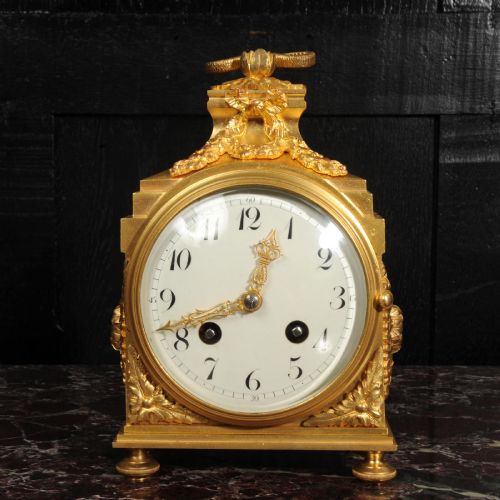
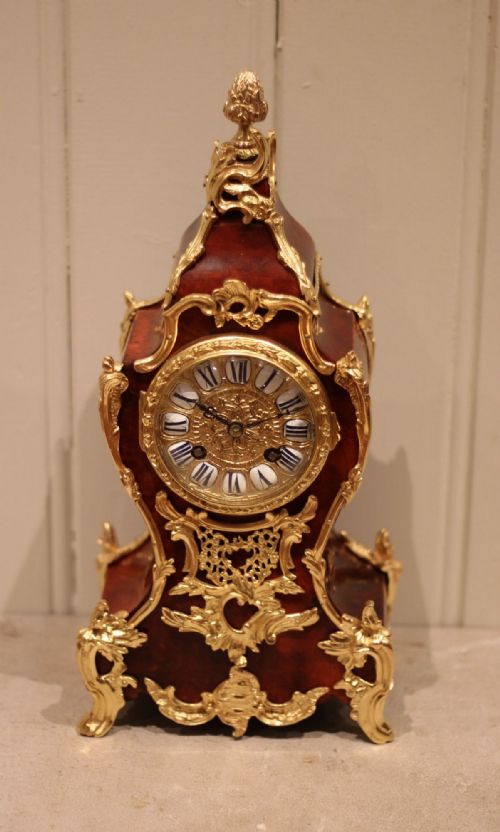
A vintage ormolu timepiece is a decorative clock housing an internal movement, predominantly styled in French Empire, Rococo Revival, and Victorian designs. Buyers seek these objects for their sculptural metalwork and traditional mantel presence.
The selections span mantel clocks, boudoir clocks, and bracket clocks produced across the nineteenth century and into the early twentieth century. Most examples originate from French workshops or British makers utilising marble, glass, and gilt bronze.
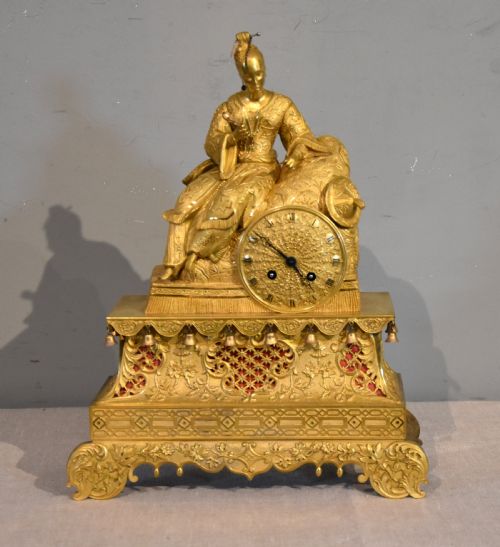
Forms range from architectural marble cases and crystal regulators to figural mantel clocks depicting historical or mythological scenes. Ormolu mounts, cast brass, and patinated bronze define the visual identity of these items.
Materials and construction methods
Gilt bronze and ormolu form the decorative surface of these timepieces, applied through traditional mercury gilding or electrogilding onto a brass or bronze base. Artisans cast these metal mounts with floral motifs, scrolls, and figural details before hand-chasing the surfaces.
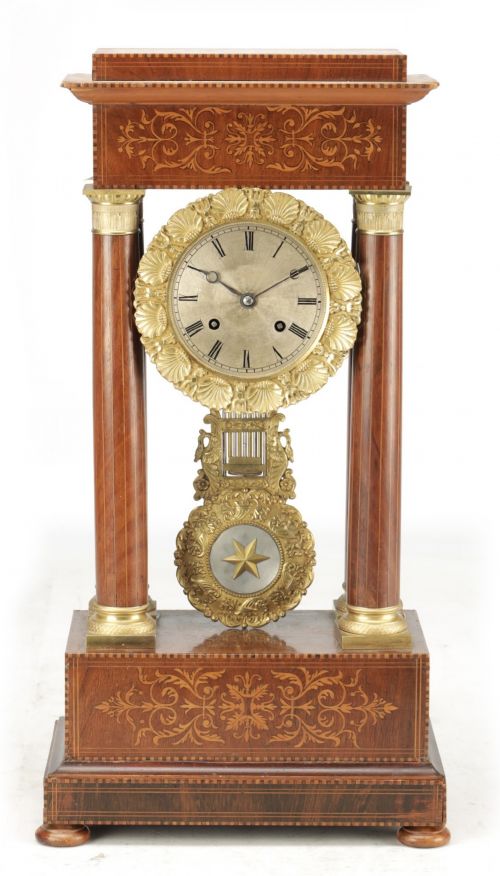
Structural cases rely on natural materials including red and white marble, alabaster, tortoiseshell, mahogany, and burr walnut. Glass panels enclose delicate movements in crystal regulators, while enamel dials display painted numerals.
Materials recur across marble mantel clocks, wooden bracket clocks, and glass crystal regulators fitted with enamel dials and mechanical movements.
Quality factors in metalwork and movement
The crispness of the chased ormolu and gilt bronze separates masterwork castings from standard production, as sharper relief work and deeper hand-chiselling reflect higher workshop standards. Heavier metal gauge and intricate figural modeling indicate superior craftsmanship.
The complexity and integration of the clock movement, such as fusee mechanisms or silk suspension systems housed within marble or crystal cases, dictate the mechanical calibre. Original matching components and signed dials elevate the standing of the piece.
Louis Goret·Henry Berkeley Square London·Baetens London·Marti·Asprey Of London·Japy Freres·Payne of London
The Vintage Ormolu Timepiece Glossary
- Ormolu
- Gilded bronze produced by applying a gold and mercury amalgam to a bronze base, or through modern electroplating methods. This technique creates a durable, bright golden finish characteristic of decorative French clocks.
- Fusee
- A conical pulley used in mechanical clocks to maintain an even pull on the movement as the mainspring unwinds. This mechanism improves timekeeping accuracy across the power reserve.
- Crystal Regulator
- A mantel clock featuring glass panels on multiple sides that expose the internal movement and swinging pendulum. These clocks emerged during the late nineteenth century in France.
- Silk Suspension
- An early method of hanging the pendulum from a fine thread of silk attached to an adjustment regulator. This delicate system appears on older French movement types.
- Bracket Clock
- A portable clock originally designed to sit upon a wall bracket, later placed on desks or mantelpieces. These pieces often feature wooden cases with brass carrying handles.
Vintage Ormolu Timepiece: Frequently Asked Questions
How do I wind a vintage timepiece?
Most models use a winding key inserted into holes on the enamel dial to tension the mainspring barrels. Turn the key gently until resistance is felt, avoiding overwinding to protect the internal gear train.
Ensure you do not force the mechanism past its stopping point. Regular gentle winding keeps the movement running reliably without straining antique brass teeth.
Where should I place a heavy marble clock?
Heavy marble and ormolu clocks require a sturdy, level surface such as a fireplace mantel or a heavy sideboard. The substantial weight of stone cases demands stable support to prevent tipping.
Keep the clock away from direct sunlight and damp environments to protect the mercury gilding and marble surfaces. A level placement also ensures the pendulum swings evenly for accurate timekeeping.
How do I tell a French clock from an English one?
French clocks often feature ornate gilt bronze mounts, figural ormolu subjects, and white enamel dials housed in marble, alabaster, or glazed crystal cases. Movement stamps frequently reference makers like Japy Freres or Marti.
English timepieces rely more heavily on wooden cases like mahogany, walnut, or tortoiseshell, alongside fusee movements signed by London makers. The overall aesthetic tends toward understated architectural lines rather than exuberant Rococo revival casting.
What is a crystal regulator clock?
A crystal regulator is a mantel clock enclosed entirely by bevelled glass panels held within a polished brass or gilt metal frame. This design allows light to pass through the clock and exposes the swinging pendulum and movement.
Popularised during the late nineteenth century in France, these clocks showcase delicate escapements and mercury or gridiron pendulums. Their transparent construction gives them a lighter visual presence than solid marble or bronze housings.