


Vintage Original Watercolour Drawing
When you search for a vintage original watercolour drawing, you are looking at unique works on paper spanning centuries of British and European art.
Vintage Original Watercolour Drawing
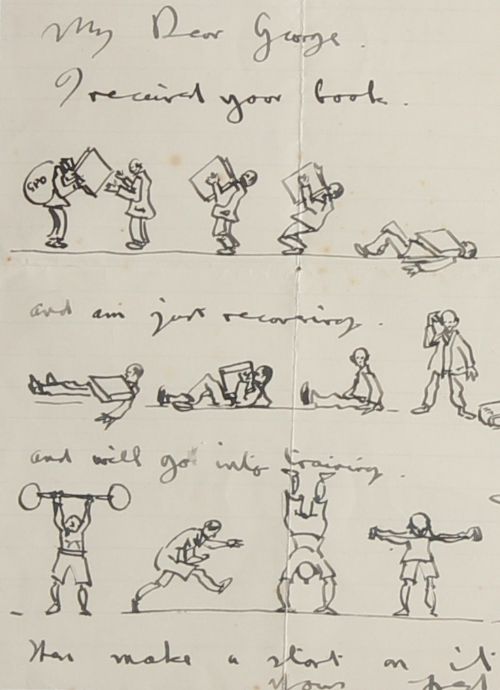
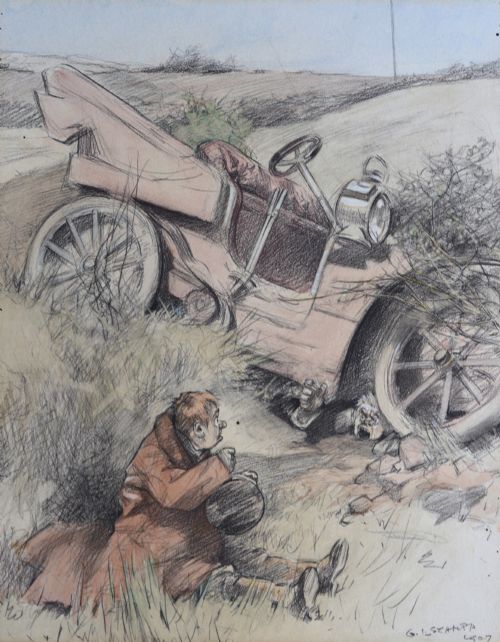
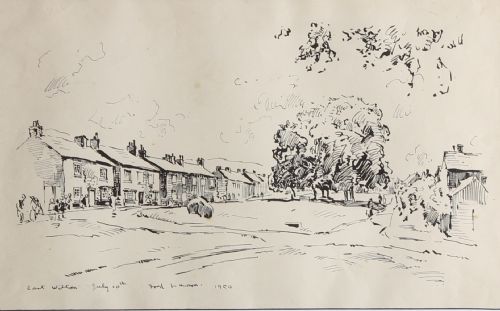
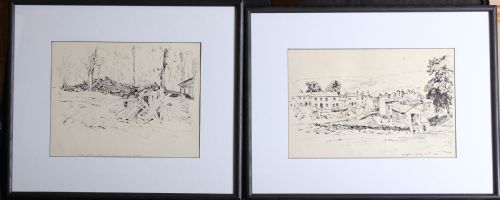
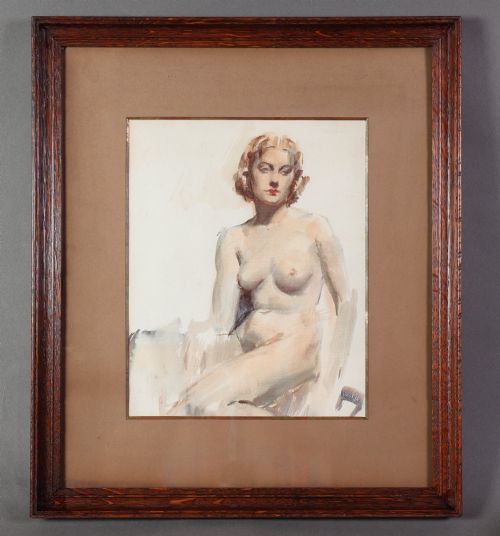
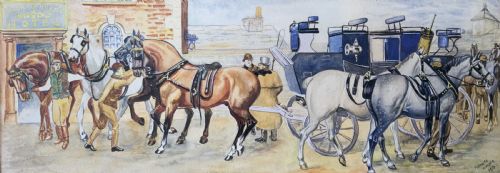
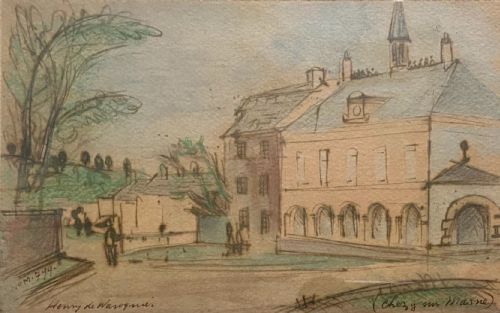
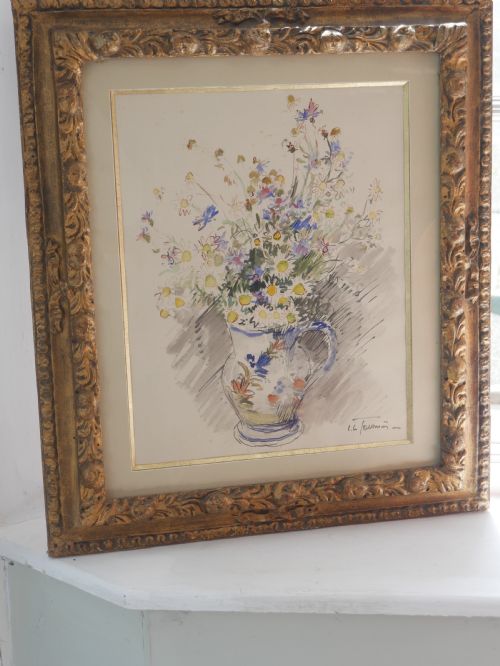
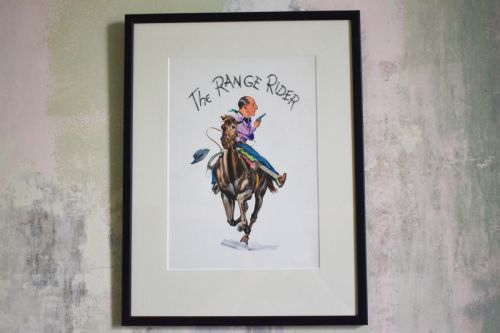
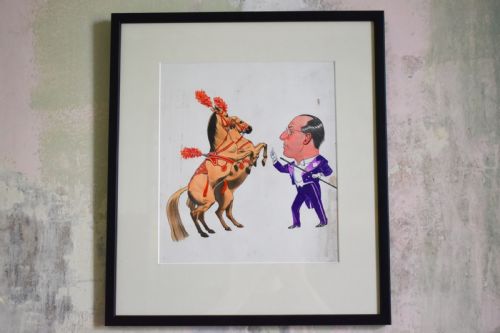
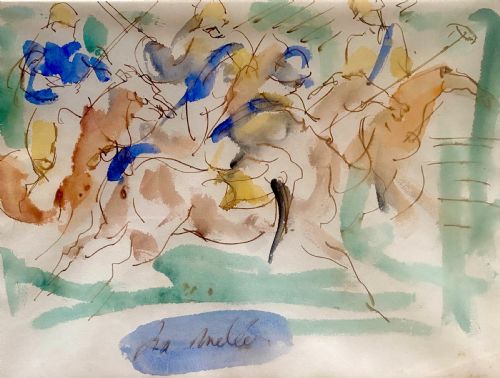
A vintage original watercolour drawing brings together works on paper executed in water-soluble pigments, often accompanied by ink, pencil, pastel, or charcoal. When searching this phrase, you encounter diverse subject matter ranging from landscapes and coastal scenes to portraits, botanical studies, cartoons, and architectural designs.
The selections span multiple eras, including Georgian, Victorian, Edwardian, and mid-century periods through to the 1960s. Landscapes, townscapes, genre scenes, and still lifes dominate the offerings, created by named artists, regional schools, and anonymous hands alike.
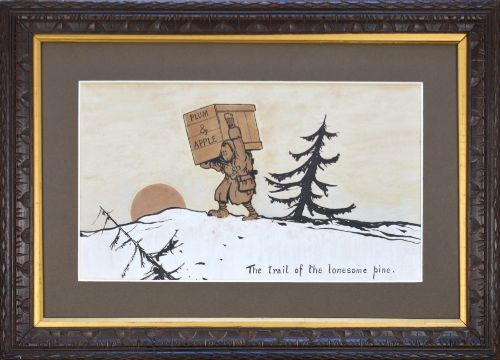
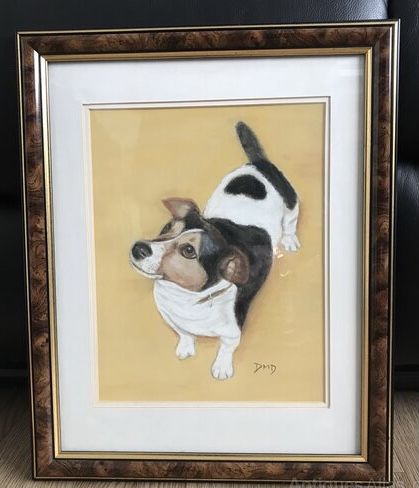
Framing is frequently part of the object's history, with pieces presented behind glass in period wood frames such as oak, maple, and burr veneers. These works function as direct tactile links to past illustrative, commercial, and fine art practices.
Materials and techniques
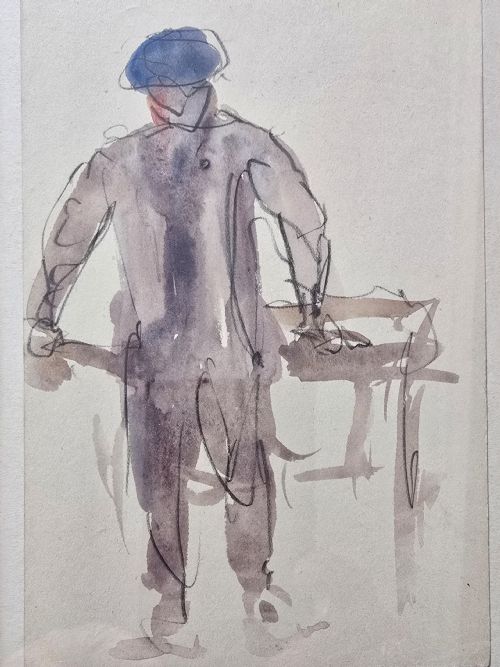
Artists relied primarily on watercolour applied to paper, frequently combining media by introducing ink lines, pencil underdrawings, charcoal, gouache, pastel, or collage to build texture and contrast. Support materials range from lightweight sheets to heavier card stock.
Preservation typically involves mounting beneath glass within timber frames constructed from oak, maple, or burr wood, protecting the delicate pigments from atmospheric wear while maintaining the original presentation of the artwork.
Cats and dogs occasionally share billing with royalty, circuses, and bustling city streets across these ink and wash sketches.
Variations in quality
Quality in a vintage original watercolour drawing rests upon the surety of the draughtsmanship, the clarity of the pigment application, and the expressive strength of the composition. Works by established artists or named practitioners generally demonstrate a higher degree of execution and compositional balance compared to anonymous sketches.
Condition also dictates standing, with preference given to sheets retaining strong, unfaded colour, stable paper free from severe foxing, and original period framing that complements the era of the work.
Fred Lawson·Bruce Bairnsfather·George Lorain Stampa·Alfred Young Nutt·Henry de Waroquier·Albert Ludovici Jnr·Michael Healy·Gen Paul·James Tower·William Frederick Settle·Maison Krieger·Charles James Lauder·Edward Dayes·J W Hogley·Raoul Millais·Arthur Todd R A·Johan Noah Bemmel·Walt Disney·Irene Lagut·Kees van Dongen·Dame Laura Knight
The Vintage Original Watercolour Drawing Glossary
- Watercolour
- A painting method in which the paints are made of pigments suspended in a water-based solution. It allows for translucent washes and delicate layering upon paper.
- Gouache
- An opaque water-based paint that provides solid, matte areas of colour. It is frequently combined with transparent watercolour to add highlights and depth.
- Foxing
- Brown spots or discolouration that appear on old paper due to chemical reactions over time. It is a common occurrence in antique works on paper.
- Works on paper
- A collective category encompassing drawings, watercolours, prints, and pastels created on paper supports. This term highlights the fragile nature of the primary material.
- Mixed media
- An artwork combining two or more artistic materials or mediums, such as watercolour with ink, pencil, or collage. It offers layered textures and visual complexity.
Vintage Original Watercolour Drawing: Frequently Asked Questions
How should I display a watercolour drawing?
Keep watercolours away from direct sunlight to prevent the pigments from fading over time. Hanging them in rooms with stable humidity levels protects the paper and the original frame.
Ensure the artwork remains behind glass with a proper mount that stops the paper from touching the glazing directly. This simple precaution prevents moisture damage and preserves the integrity of the drawing.
How can I tell the period of a painting?
Examine the framing materials and style, as frames often date directly to the period of creation. Oak, maple, and burr timber mouldings frequently provide strong clues to Victorian, Edwardian, or mid-century origins.
Paper characteristics, signatures, inscriptions, and subject matter also help narrow down the date. Clothing styles, architectural details, and artist biographies offer further historical context.
Are these works always signed?
Many pieces feature artist signatures, monograms, or studio stamps, while others remain entirely anonymous. Unsigned works were often produced by regional practitioners, students, or commercial artists working for publications and advertisements.
Attributions are sometimes established through stylistic comparison, archival records, or accompanying gallery labels. An unsigned drawing can still possess high artistic merit based purely on its execution.
What is mixed media in these drawings?
Mixed media refers to the use of multiple materials within a single composition. An artist might lay down a watercolour wash before adding ink lines, pencil shading, or gouache highlights.
This approach was common in both finished illustrations and preparatory sketches. It allowed creators to achieve varied textures and tonal depth across the paper surface.