
Vintage Original Portrait Study
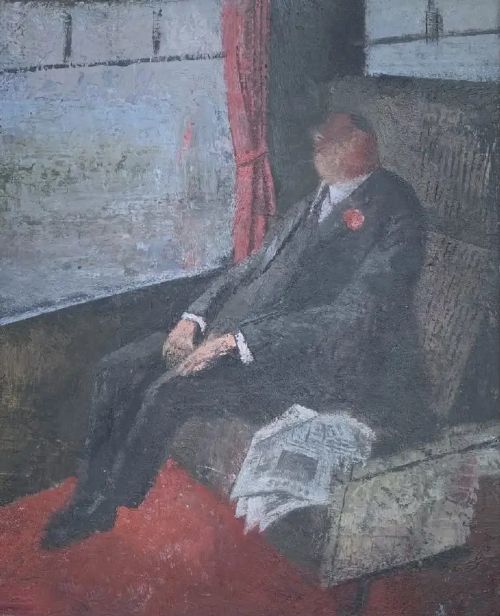
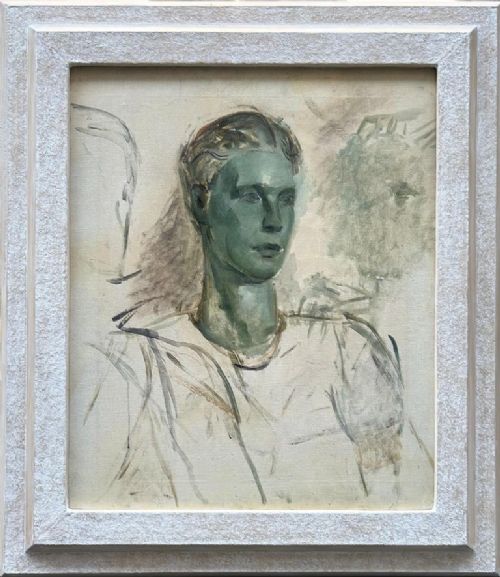
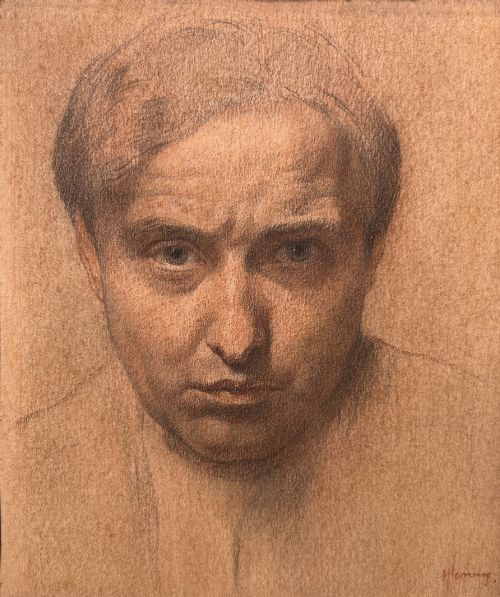
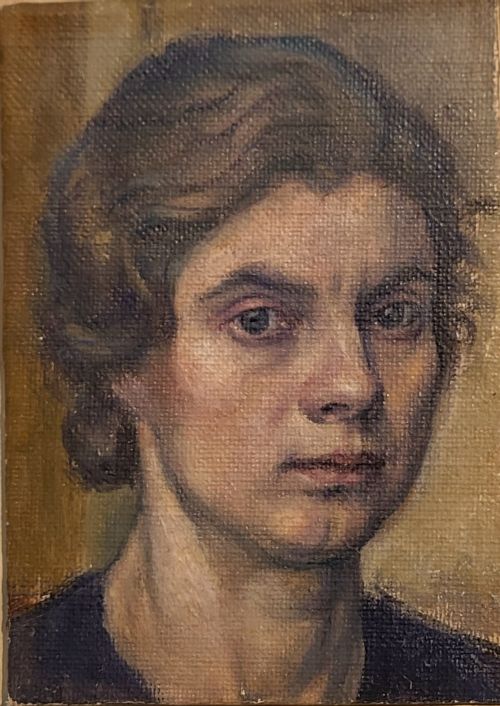
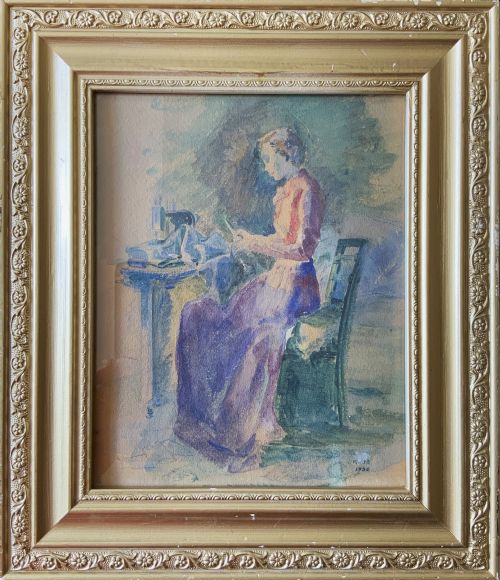
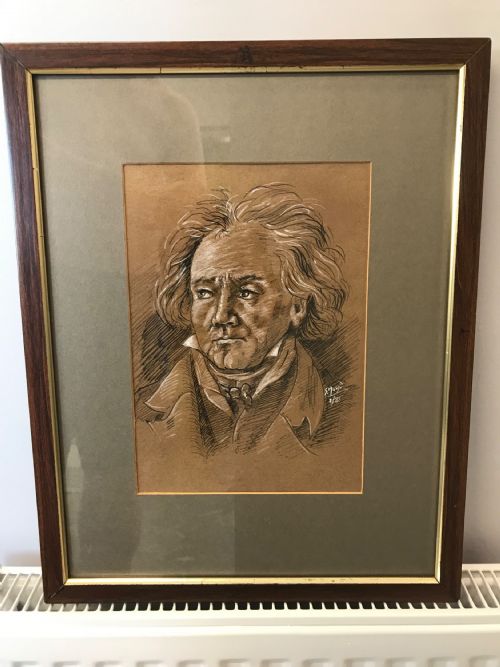
A vintage original portrait study captures the immediate observation of a sitter, animal or form, preserving the hand of the artist before any formal finished commission.
Vintage Original Portrait Study
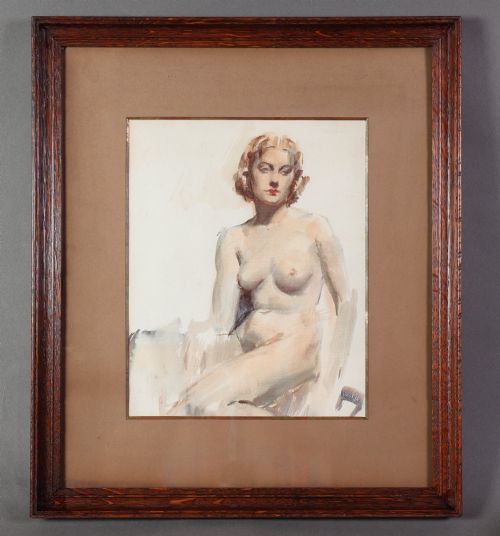
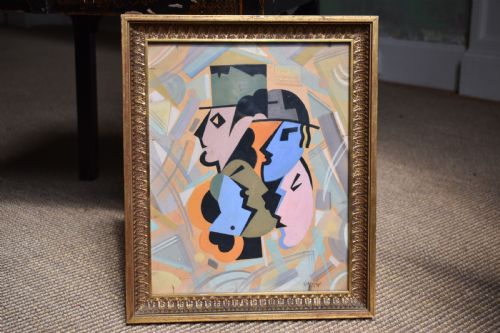
A vintage original portrait study is a direct graphical or painted record, ranging from rapid academic life drawings to finished oil sketches. When searching this phrase, a buyer encounters works spanning the nineteenth century through the mid-twentieth century, including Edwardian pieces, Art Deco compositions, and mid-century modern examples.
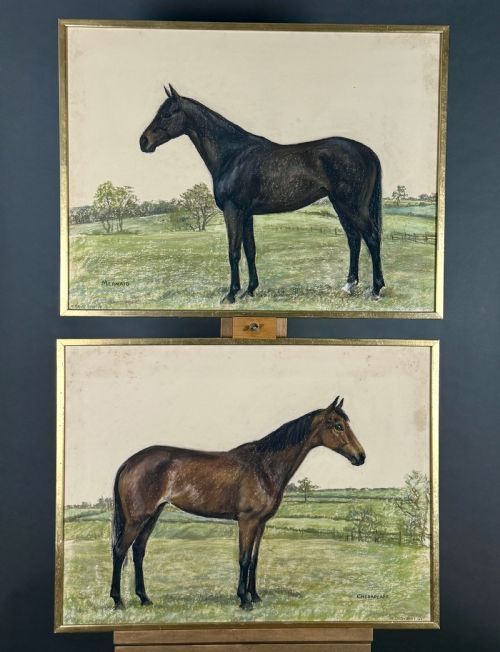
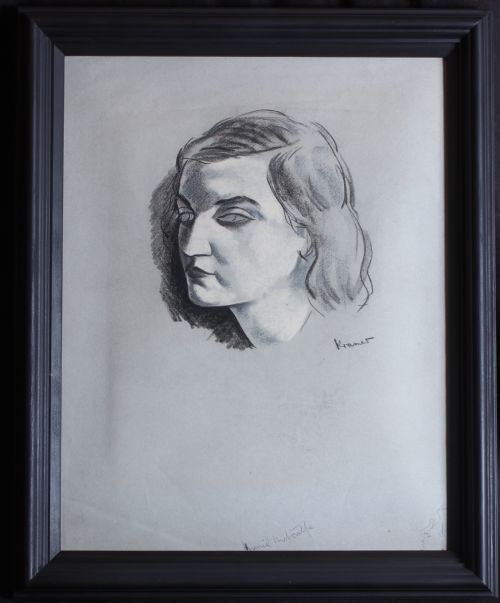
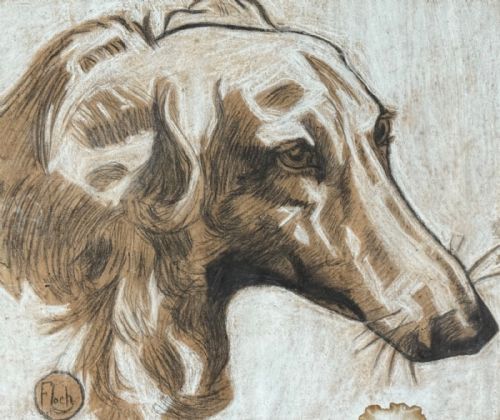
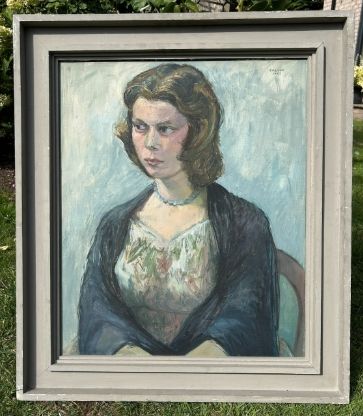
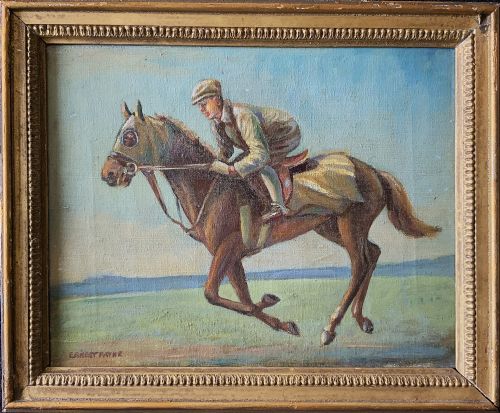
The subjects extend beyond human faces to include academic nudes, animal studies of horses and dogs, and preparatory sketches from artists' studios. These pieces frequently appear in mediums such as watercolour, charcoal, pastel, and oil on paper, canvas, or board.
Works on paper and framed drawings dominate the selection alongside oil paintings, reflecting the working methods of British and European schools from the 1880s to the 1960s. Many bear the marks of studio practice, capturing fleeting expressions or anatomical forms with direct economy.
How They Were Made
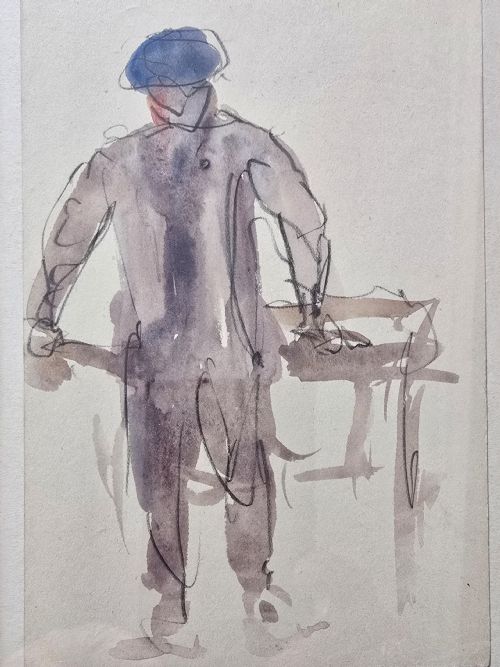
Artists deployed fluid mediums like watercolour, gouache, and ink wash to capture rapid tonal shifts and linear gestures on paper or buff boards. These liquid applications allowed for transparent layering and immediate marks that recorded the sitter without laborious blending.
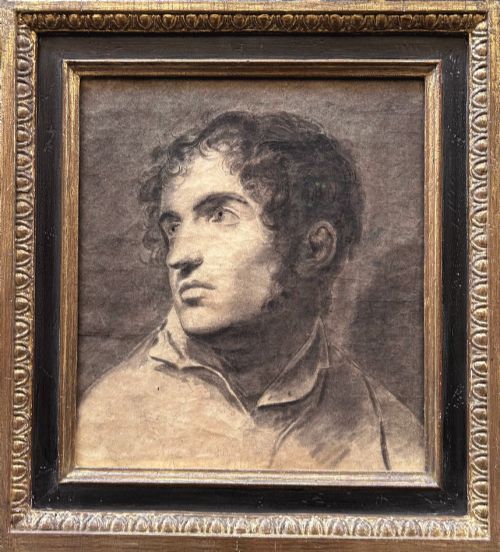
Dry mediums such as charcoal, chalk, and pastel were utilised extensively for life studies and academic drawing, often fixed to preserve the soft dust of the pigment. These materials demanded confident strokes to delineate form, shadow, and muscle tone directly on the sheet.
Oil paint was handled with equal versatility, applied thickly on canvas or thinly on small wooden panels and boards for quick outdoor or studio impressions. Painters manipulated oil to build rich textures in portraits or smooth gradients in academic figure studies.
Listings feature works executed across paper, canvas, wood, and glass, utilising oil, watercolour, charcoal, and ink.
What Varies In Quality
The strength of a study relies upon the sureness of the draftsmanship and the economy of the marks used to define the subject. A superior piece demonstrates confident anatomical understanding or spatial awareness, where every line or brushstroke performs a structural role.
Execution speed often correlates with vitality; the best examples retain a sense of urgency and direct encounter between the artist and the subject. Hesitant corrections or laboured blending generally diminish the immediate energy expected from a working study.
Frank Dobson·Augustus John·Lucien Freud·Harry Epworth Allen·David Cox
The Vintage Original Portrait Study Glossary
- Academic Realism
- A style of painting and drawing produced under the influence of European academies of art, prioritising accurate anatomy and traditional techniques. This approach is frequently seen in nineteenth-century and early twentieth-century life studies.
- Gouache
- An opaque water-based paint that combines pigments with a binding agent and white filler, resulting in a heavier, matte finish. Artists used it alongside watercolour and ink to add highlights and solid areas of colour.
- Buff Paper
- A light brownish-yellow paper stock commonly utilised by draughtsmen in the nineteenth and early twentieth centuries. Its neutral tone allowed artists to apply dark charcoal alongside white chalk highlights effectively.
- Mixed Media
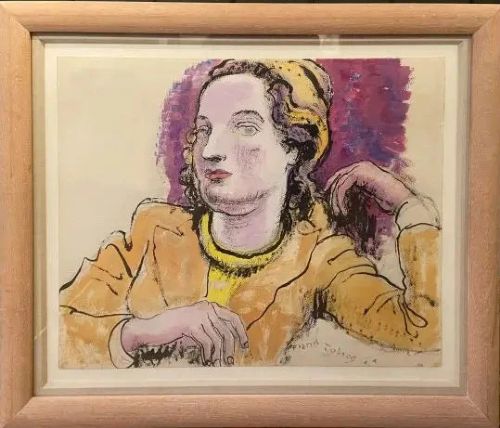
- An artwork created using a combination of different materials, such as pastel, watercolour, and ink on a single surface. This technique appears frequently in mid-century portraiture and illustrative studies.
- Life Study
- A drawing, painting, or sculpture of a human figure from a live model, historically produced for training or compositional preparation. These works form a core category of the available portrait studies.
Vintage Original Portrait Study: Frequently Asked Questions
What is a portrait study?
A portrait study is a preliminary or exploratory artwork created to capture the likeness, expression, or anatomy of a subject without the constraints of a formal finished commission. These pieces often reveal the working process and raw technique of the artist.
Such works were typically kept in the artist's studio as reference material or executed as rapid exercises during life-drawing sessions. They offer buyers an intimate glimpse into historical artistic training and observation.
How should I frame works on paper?
Works on paper, including watercolours, pastels, and charcoal drawings, require conservation framing with acid-free mounts to prevent the paper from yellowing over time. Using a window mount ensures the delicate surface of pastel or charcoal does not touch the glazing.
Glazing with UV-filtered glass or acrylic protects fugitive pigments from fading under ambient light. Proper sealing of the frame back prevents dust and moisture ingress, preserving the integrity of the antique sheet.
Are these pieces one-of-a-kind?
Every piece listed under this category is an original, unique artwork hand-drawn or painted directly by the artist. Unlike prints or reproductions, there are no multiples or identical editions available.
This uniqueness means each study carries distinct brush marks, paper textures, and signatures or studio stamps that cannot be replicated. Collectors value them precisely for their singular, unrepeatable nature.
How do I identify the period of a study?
Dating a study involves examining the paper stock, framing materials, stylistic movements, and any signatures, inscriptions, or dates left by the artist. Academic nudes and heavy charcoal techniques often point to nineteenth-century or Edwardian academy training.
Mid-century modernism and post-war abstracts introduce bolder palettes, simplified forms, and varied mixed media on modern boards or papers. Comparing the handwriting of titles or signatures with known examples from the period helps confirm the timeline.