





Vintage Oriental Ceramics
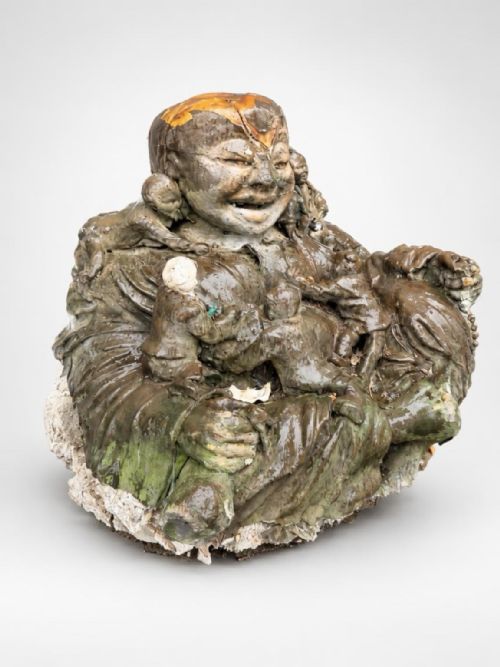
These vintage oriental ceramics bring hand painted porcelain, cloisonné enamel and earthenware into a room with distinct colour and historical form.
Vintage Oriental Ceramics
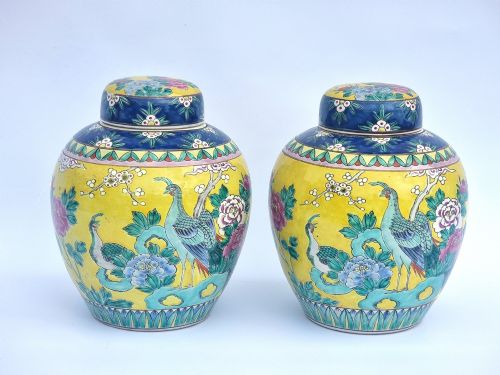
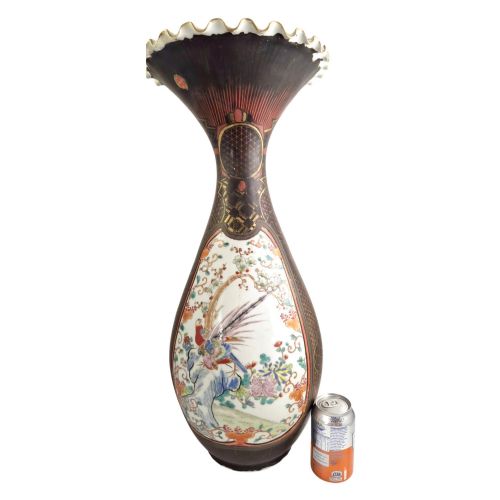
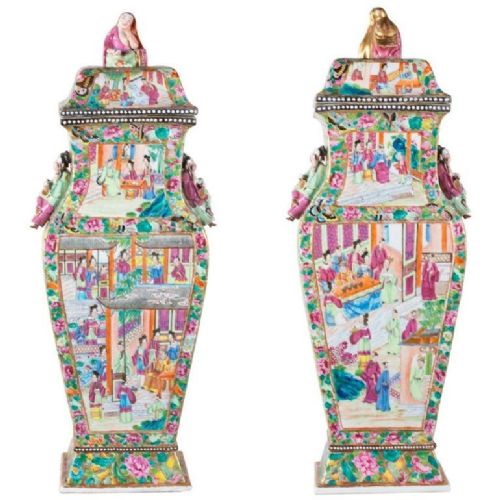
Vintage oriental ceramics encompass a broad selection of decorative objects, from ginger jars and vases to table lamps and serving platters. When searching for vintage oriental ceramics, buyers encounter nineteenth and twentieth century pieces originating from Chinese and Japanese workshops.
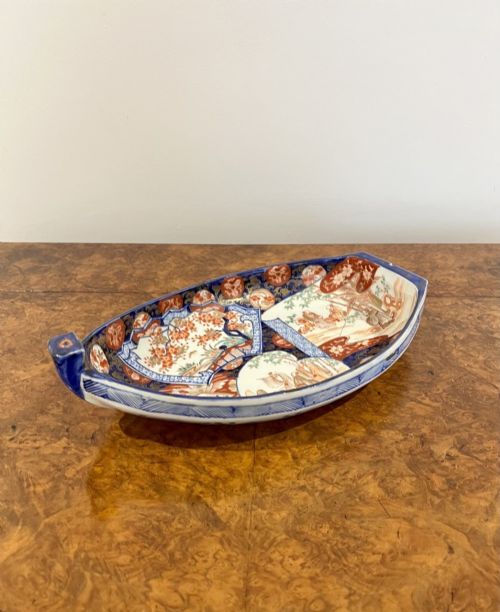
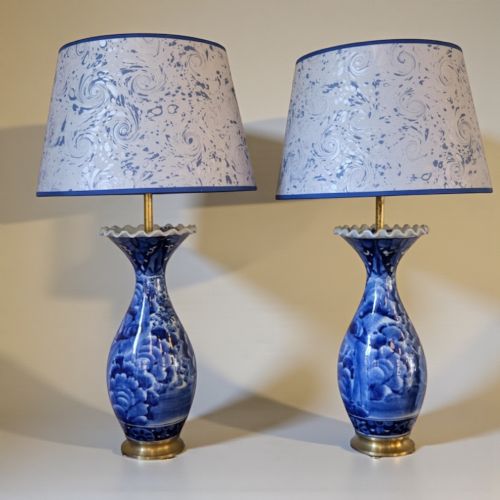
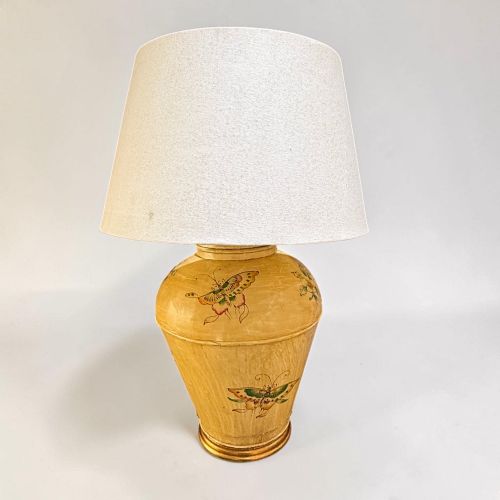
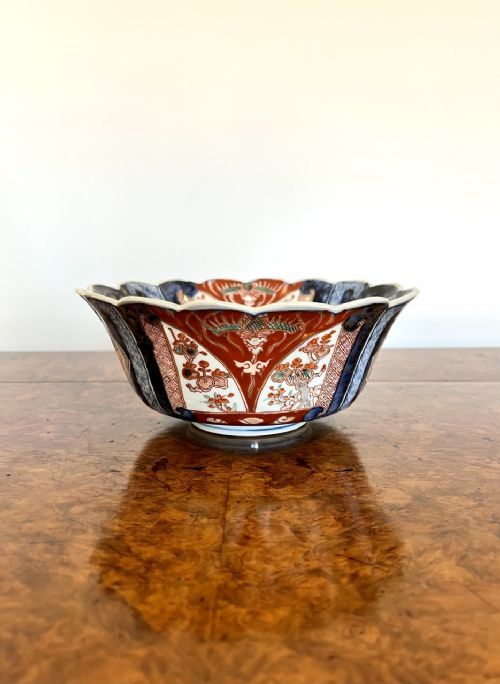
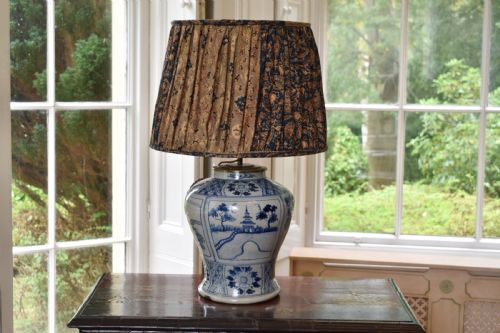
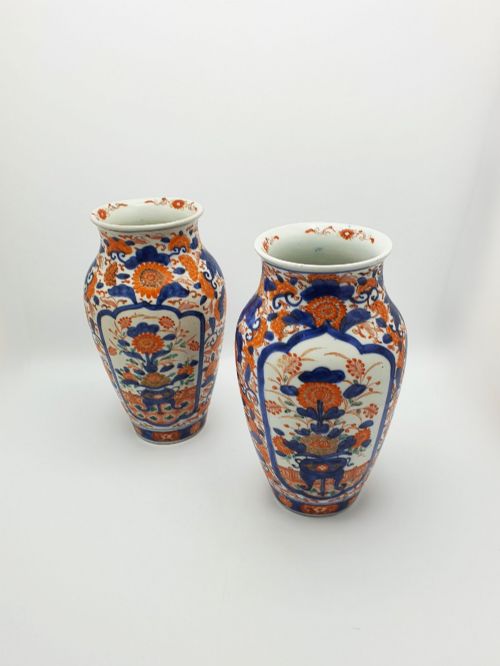
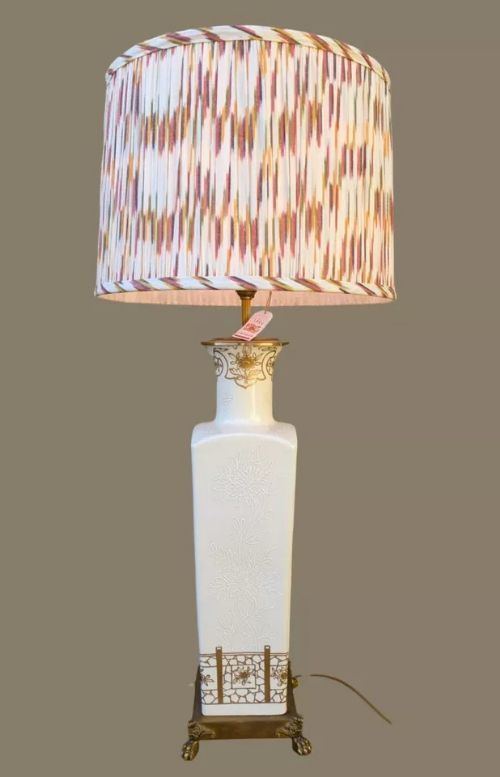
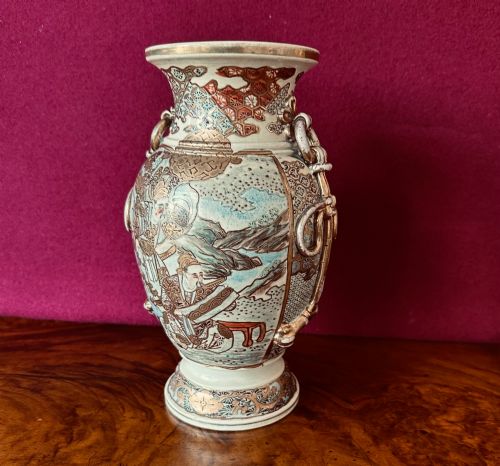
The objects on this page span several distinct traditions, including Satsuma earthenware, Kutani porcelain, and Imari blue and white wares. Table lamps converted from earlier vases appear frequently alongside traditional ginger jars, chargers, and decorative bowls.
Pieces range from nineteenth century export items to twentieth century decorative wares produced during the Meiji, Taisho, and early Chinese republican periods. Each category brings specific glaze styles, painting techniques, and kiln methods native to its region of production.
Materials and Making
Potters shaped these objects using porcelain clay, earthenware, and red clay, frequently applying hand painted pigments and gold leaf details over white glazes. Japanese cloisonné enamel pieces utilise metal wires soldered to a base to hold coloured enamel pastes before firing.
Many items combine ceramic bodies with brass bases or electrical fittings added during later conversions into table lamps. Artisans employed cobalt blue underglazes, polychrome overglaze enamels, and moulded relief figures to build texture and depth across the surface of each vessel.
Vintage Oriental Ceramics Retail Price Guide 2026
Typical asking prices for vintage oriental ceramics among the pieces listed under this phrase on Sellingantiques today, from the lower quarter to the upper quarter. They describe what is for sale here now, not the wider market.
Several vases now serve as table lamps, shedding new light on rooms after centuries of quiet shelf life.
Assessing Quality
Quality rests upon the precision of the hand painting, the clarity and richness of the enamel colours, and the balance of the ceramic form. Superior pieces display crisp brushwork, well controlled glaze firings, and intricate detailing in gold leaf or multi layered enamels.
The weight of the porcelain, the symmetry of thrown or moulded vessels, and the fineness of the cloisonné wirework distinguish workshop production standard grades from finer examples. Potter marks, artist signatures, and provenance add historical weight to individual items.
Shozo·Koshida·John Rogers and Son·Hicks and Meigh·Mason's Ironstone
The Vintage Oriental Ceramics Glossary
- Imari
- A style of Japanese porcelain featuring a palette of underglaze blue, iron red, and gold leaf highlights. These patterns originated in Arita and were widely exported to Europe.
- Satsuma
- A type of Japanese earthenware characterised by a crackle ivory glaze decorated with polychrome enamel and gilt scenes. Satsuma wares gained immense popularity during the Meiji period.
- Cloisonné
- A metalwork technique where flat wires create compartments on a vase or vessel body, which are then filled with coloured enamel pastes and fired. This method produced highly detailed decorative surfaces.
- Ginger Jar
- A ceramic container featuring a rounded body and a domed cover, originally used to store spices. Later production focused purely on decorative interior display.
- Kutani
- Japanese porcelain or earthenware distinguished by bold pictorial designs, often incorporating rich red and gold pigments over white backgrounds.
Vintage Oriental Ceramics: Frequently Asked Questions
What are vintage oriental ceramics?
These pieces are decorative and functional vessels, figures, and lamps originating from Asian ceramic traditions, primarily dating from the nineteenth and twentieth centuries.
They encompass hand painted porcelain ginger jars, earthenware Satsuma vases, cloisonné enamel vessels, and blue and white chargers produced for both domestic use and international export.
How were these ceramics used originally?
Many items served practical domestic purposes such as storing food, holding spices, or burning incense during daily rituals.
Others were created strictly as decorative display objects, chargers for formal dining, or ceremonial figures representing historical and mythological subjects.
How do I live with oriental ceramics?
These pieces suit interiors ranging from traditional country houses to modern minimalist spaces, where their vibrant glazes and intricate patterns provide strong visual focal points.
Table lamps converted from antique vases allow you to incorporate historical ceramics into daily lighting schemes while keeping delicate surfaces safe on sturdy side tables.
How do I tell periods apart?
Differentiating periods relies on observing stylistic traits, such as the heavy gilding typical of Meiji Satsuma wares or the simpler export blue and white patterns of the nineteenth century.
Examining the base of a vessel for maker marks, kiln stamps, or signs of age on the footrim helps place an object within its correct historical era.