


Vintage Optical Instruments
These vintage optical instruments combine practical science with polished brass and mahogany, offering a tactile connection to historical observation.
Vintage Optical Instruments
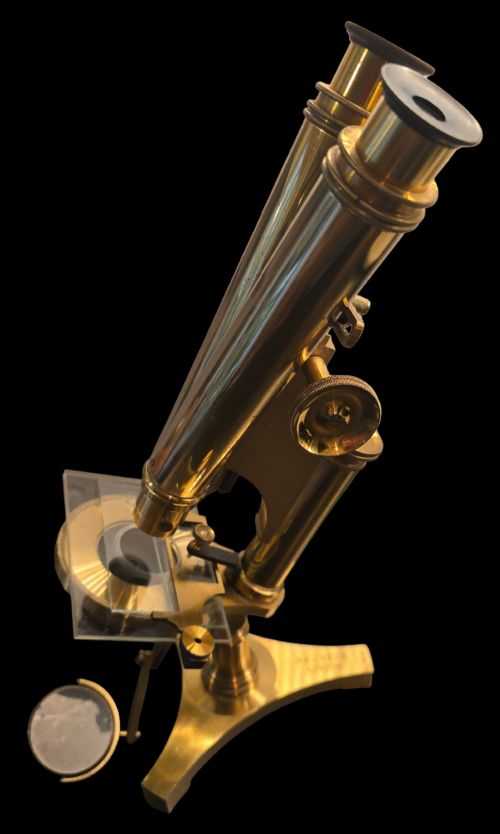
Most pieces date from the Victorian and Edwardian eras, reflecting a period of intense scientific curiosity and precision manufacturing. Common forms include cased binocular microscopes, marine telescopes, and specialised desk accessories utilised by opticians and naturalists.
Materials and Construction
Construction relies heavily on turned brass and polished glass lenses, frequently paired with fitted mahogany, rosewood, or burr yew cases. Many items incorporate leather grips, velvet linings, and mother-of-pearl inlays to combine utility with refined aesthetics.
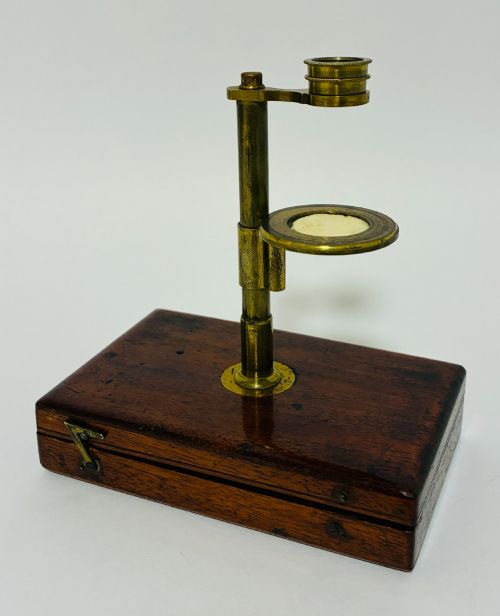
Makers utilised durable metals and seasoned hardwoods to ensure longevity in field and laboratory environments. Mechanical components such as draw tubes, rack-and-pinion focusing adjustments, and pivoting stands demonstrate precise engineering.
Early nineteenth-century botanists carried folding field microscopes into damp meadows to inspect mosses before tea time.
Evaluating Quality
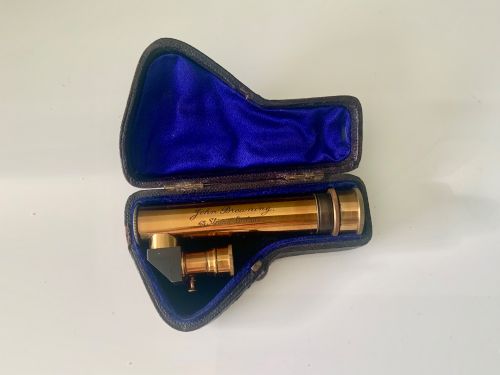
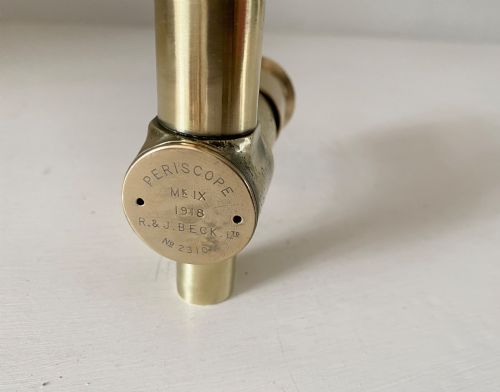
Quality depends upon the optical clarity of the glass and the precision of the mechanical focusing actions. Finer examples retain signed inscriptions from notable makers on the barrel or lens housing, alongside complete fitted presentation cases.
The sophistication of the mechanism distinguishes standard utility items from premium instruments. Robust brass castings, smooth draw action, and original fitted cabinetry elevate the standing of a piece.
John Browning Strand London·Casartelli Manchester·R & J Beck Ltd·Thomas Rubergall of London·Steward of London·Ross London·Iris Paris·Swift & Son·Chadburn Brothers of Sheffield·Francis West·Dollond·Broadhurst & Co·CW Dixey London·WF Stanley
The Vintage Optical Instruments Glossary
- Achromatic lens
- An optical lens designed to reduce chromatic and spherical aberration. It brings wavelengths of colour into focus at the same plane.
- Draw tube
- A sliding telescopic tube that extends to adjust the focal length. Multiple draw tubes allow a long telescope to collapse into a compact size.
- Spectroscope
- An instrument used to measure properties of light over a specific portion of the electromagnetic spectrum. It splits light into component wavelengths for analysis.
- Stereoscope
- A device for viewing a stereoscopic pair of images. It creates a three-dimensional visual effect from two flat photographs.
- Loupe
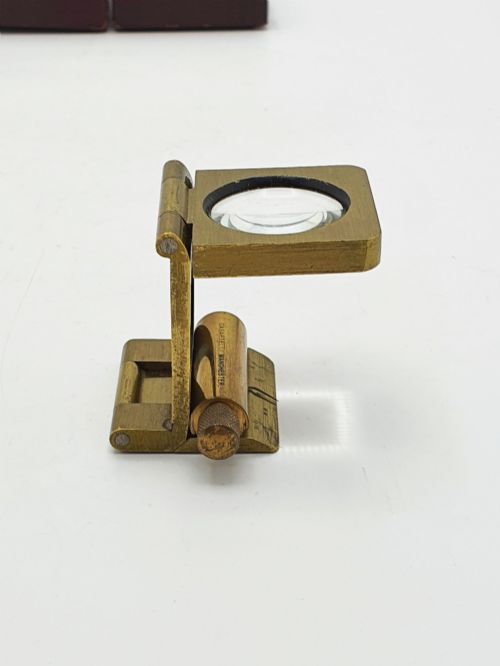
- A small magnifying glass used to examine details closely. These often feature measuring scales or folding stands.
Vintage Optical Instruments: Frequently Asked Questions
How do I date a brass telescope?
Dating relies on maker signatures, address details, and the style of the draw tubes. Inscriptions often match historical trade directories.
Changes from multiple-draw marine tubes to simpler configurations help narrow the production era.
Can I use antique opera glasses?
Most antique opera glasses remain fully functional for low-magnification viewing at theatres or concerts. Adjusting the central thumb screw brings distant details into focus.
Care should be taken with delicate mother-of-pearl or tortoiseshell bodies during adjustment.
What is a Culpeper microscope?
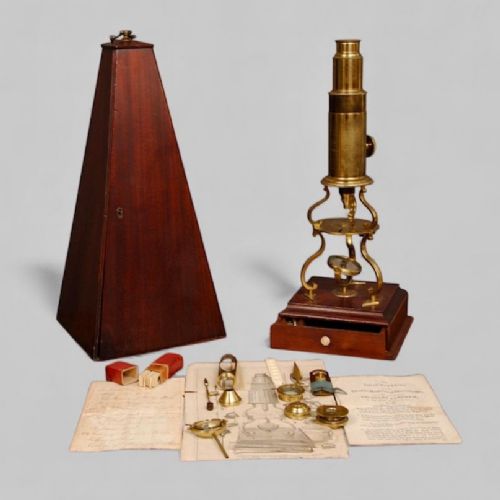
A Culpeper microscope represents an early tripod-based design developed in the eighteenth century. It utilises a mirrored base to reflect light upwards through the specimen.
These instruments usually arrive in pyramid-shaped wooden carrying cases.
How should I clean brass instruments?
Preserving the aged patina requires avoiding harsh chemical polishes that remove historical character. Dusting with a soft dry cloth maintains the surface.
Glass elements benefit from specialised optical cleaning solutions applied gently.