

Vintage Open Storage Cabinet
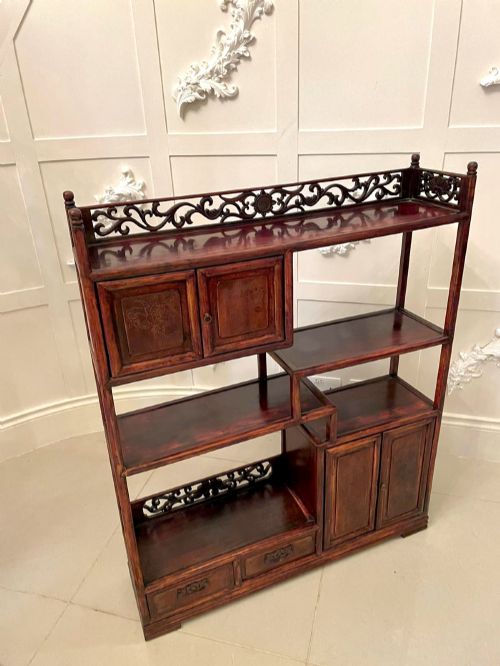
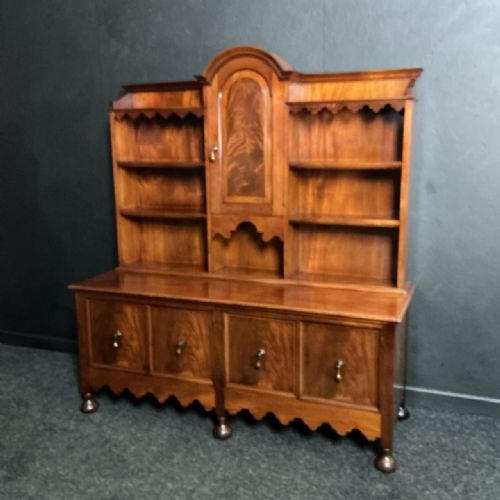
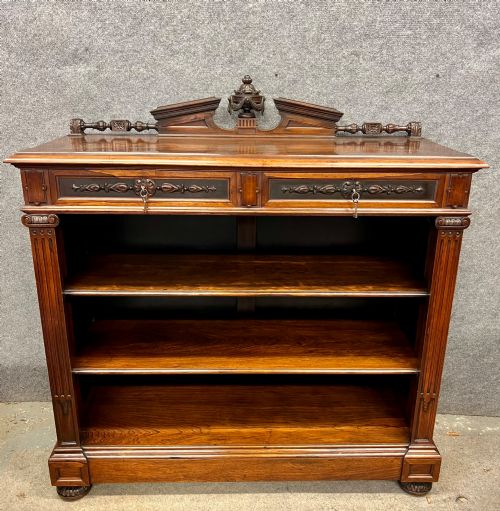
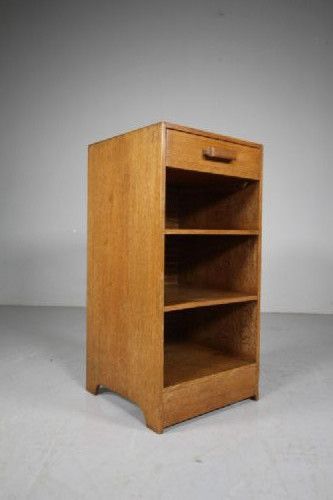
A vintage open storage cabinet brings accessible shelving and varied wood grains to a room, offering practical display space with period character.
Vintage Open Storage Cabinet
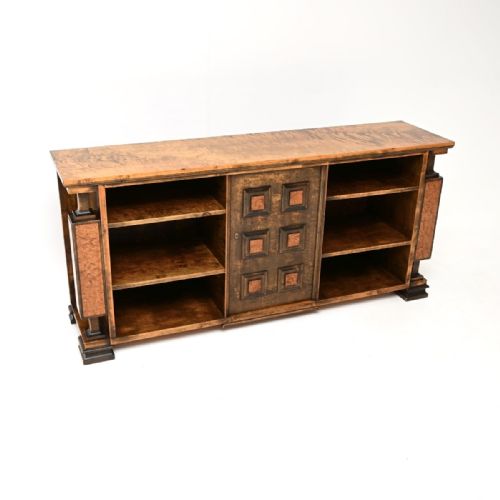
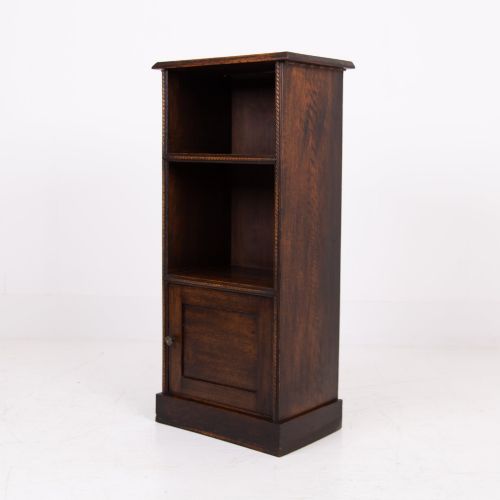
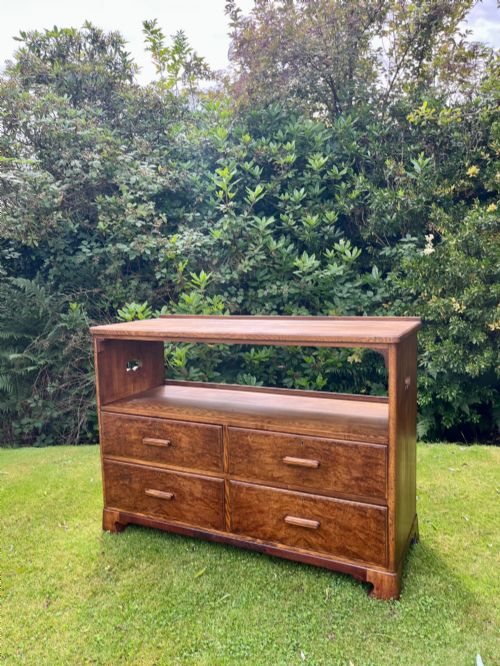
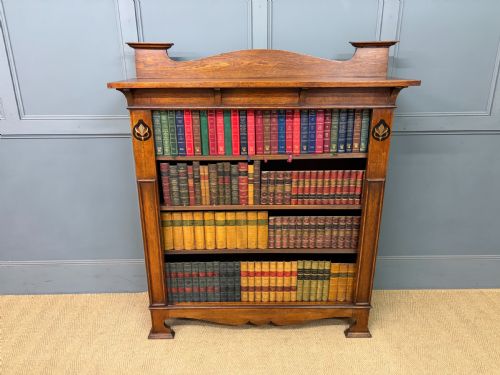
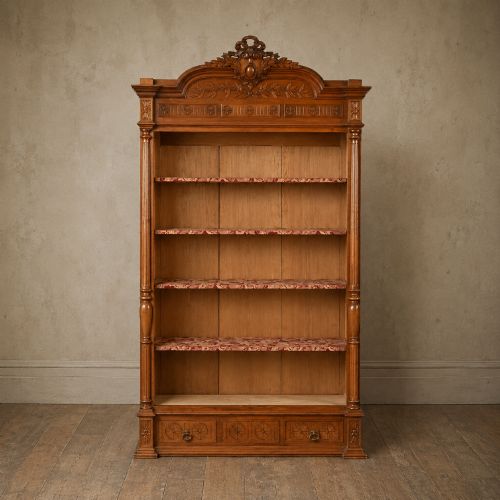
A vintage open storage cabinet spans diverse forms such as bookcases, dressers, display cabinets, and bedside cupboards originating from the nineteenth century up through the nineteen-thirties. Buyers encounter pieces reflecting Victorian, Edwardian, Art Deco, and Arts and Crafts design movements alongside revival styles.
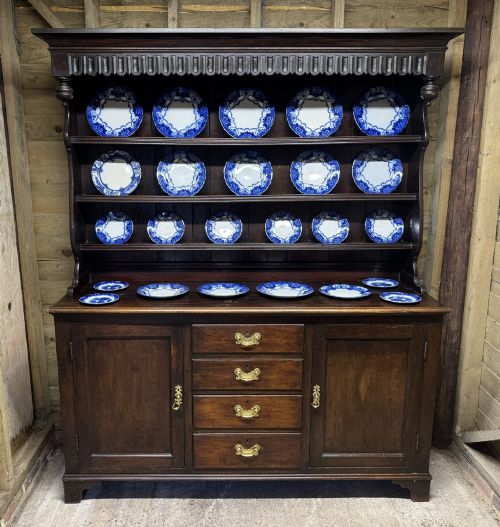
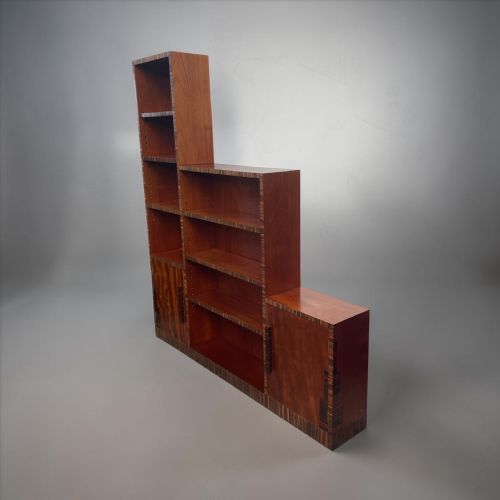
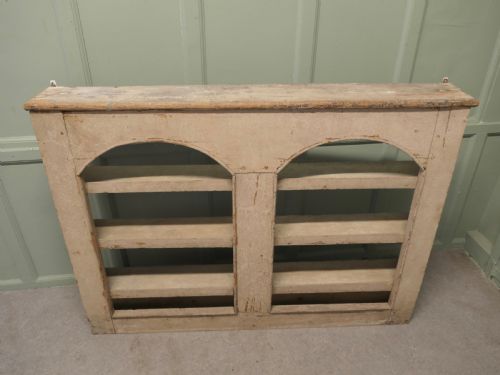
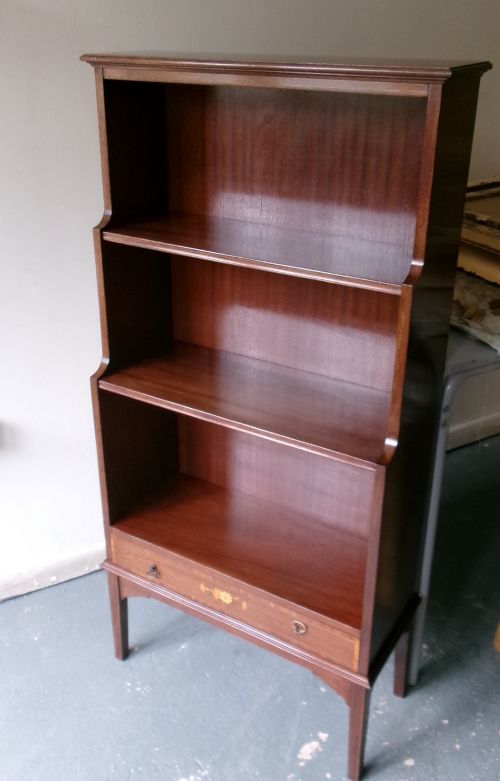
The selection ranges from tall library bookcases in mahogany and walnut to simpler pine cottage dressers and oak side cabinets. Shelved alcove cupboards and stepped bookcases provide alternative configurations for open storage within domestic interiors.
Materials and construction methods
Cabinetmakers utilised timbers such as mahogany, walnut, oak, pine, elm, yew, and satin birch, frequently selecting solid hardwoods for primary structures and display surfaces. Cabinet construction involves traditional joinery methods, housing joints for fixed or adjustable shelves, and sometimes applied beaded edges or carved details.
Surface treatments rely on the natural grain of the wood, enhanced with polish or wax, while some examples incorporate brass hardware, glass panels, or inlaid stringing to accentuate the timber.
A humble wooden pigeon hole cabinet sits alongside grand breakfront libraries, proving paperwork had its own architecture.
Distinctions in construction and design
Quality rests upon the selection of timber figures, such as burr walnut or figured mahogany, and the crispness of any applied carving or inlay. Well-executed joinery ensures structural stability in tall bookcases and heavy dressers without relying on excessive reinforcement.
Proportion and utility dictate the distinction between standard utilitarian items and bespoke cabinetmaker pieces, where thoughtful detailing on cornices, plinths, and shelf supports elevates the finished furniture.
Whytock and Reid·Betty Joel·Maple and Co·Heals
The Vintage Open Storage Cabinet Glossary
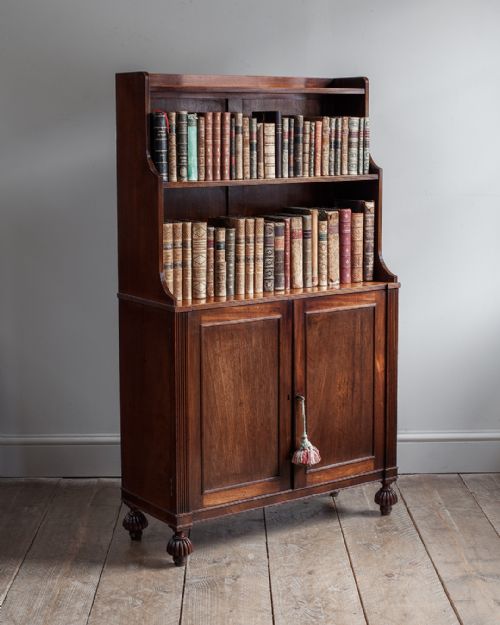
- Waterfall bookcase
- A piece of furniture featuring receding shelf depths from bottom to top, creating a stepped profile.
- Breakfront
- A cabinet design where the central section projects forward from the flanking sections.
- Chiffonier
- A low cabinet, typically fitted with a combination of shelves and enclosed cupboards, popular in the nineteenth century.
- Whatnot
- An open set of freestanding shelves used for displaying ornaments or books.
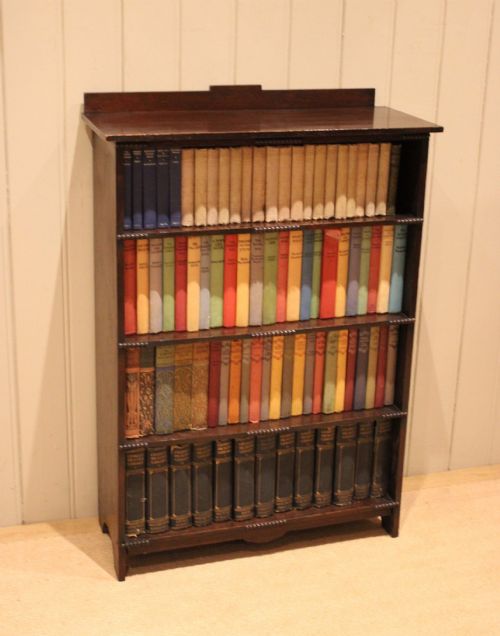
- Beaded edge
- A narrow rounded moulding carved along the corner or edge of a wooden board or shelf.
Vintage Open Storage Cabinet: Frequently Asked Questions
How do I style a vintage open storage cabinet?
Balance books of varying heights with ceramics or framed photographs to maintain visual interest across the open shelves. Leave some space empty to let the wood grain and backboards remain visible.
Position the cabinet against a flat wall in a living room, study, or hallway where natural light highlights the timber tones without causing fading.
Are the shelves adjustable on these cabinets?
Many nineteenth and twentieth century open bookcases feature adjustable shelving supported by wooden rack strips or brass studs. This flexibility accommodates books or objects of different heights.
Fixed shelves remain common in older pine dressers and specific revival models where structural rigidity relies on permanent joinery.
How do I identify an Art Deco cabinet?
Art Deco pieces from the nineteen-thirties typically display geometric stepped profiles, streamlined silhouettes, and contrasting veneers such as satin birch and walnut. These designs discard elaborate historical ornamentation in favour of clean architectural lines.
Hardware is often minimal or stylised, focusing attention on the symmetry and grain pattern of the wood.
What is the difference between a bookcase and a dresser?
A bookcase focuses primarily on open or glazed tier shelving designed specifically for holding books and small display items. These usually maintain a shallow depth.
A dresser combines upper open shelving with lower enclosed cupboards or drawers, originating as a functional piece for kitchen or dining storage.