






Vintage Opaline Shade
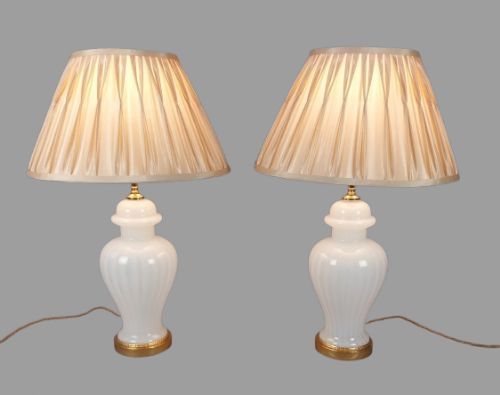
These vintage opaline shade selections bring soft, diffused illumination to a room through milky glass formed in traditional shapes.
Vintage Opaline Shade
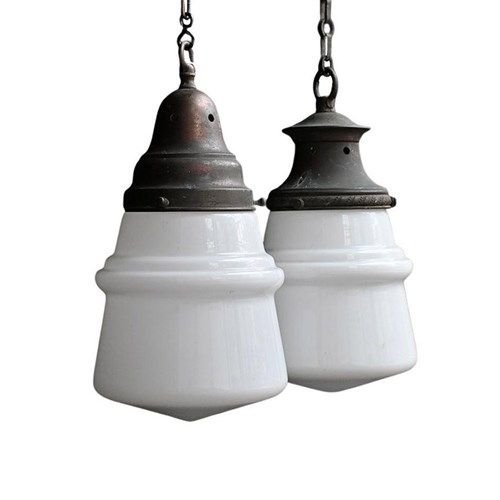
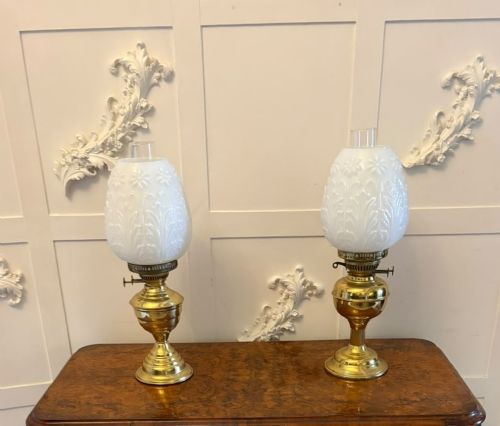
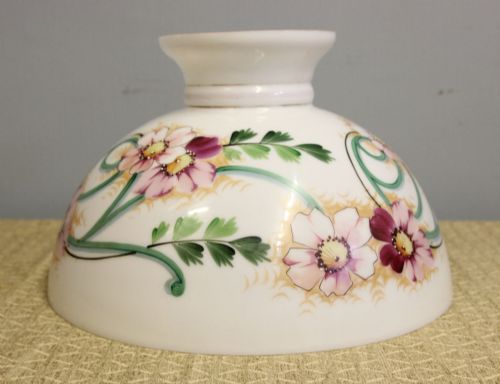
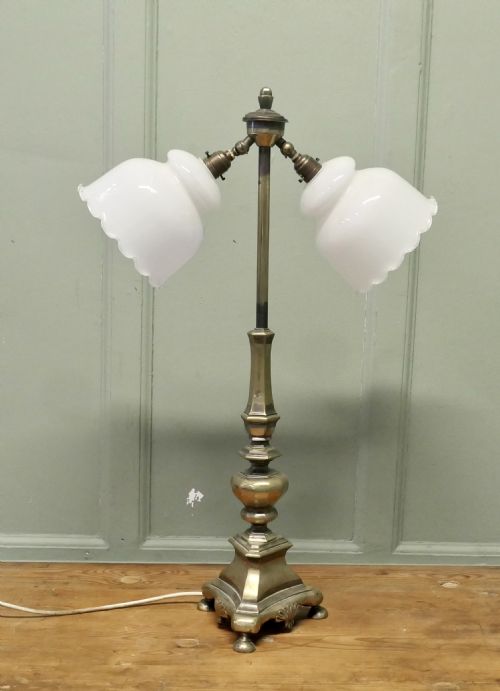
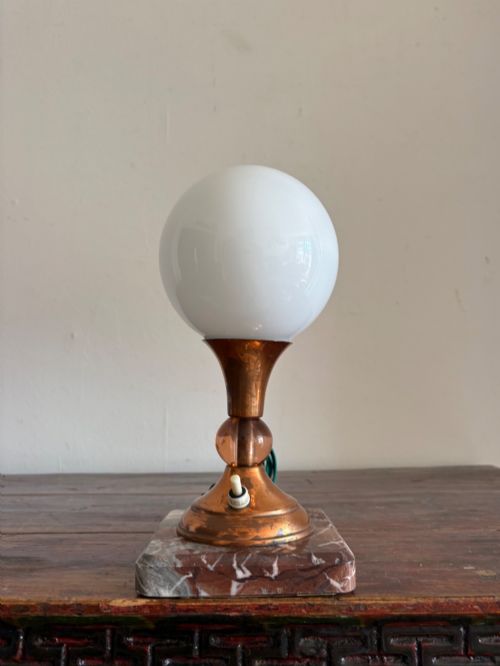
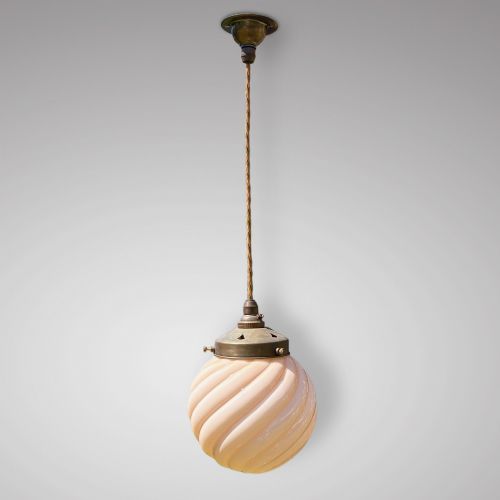
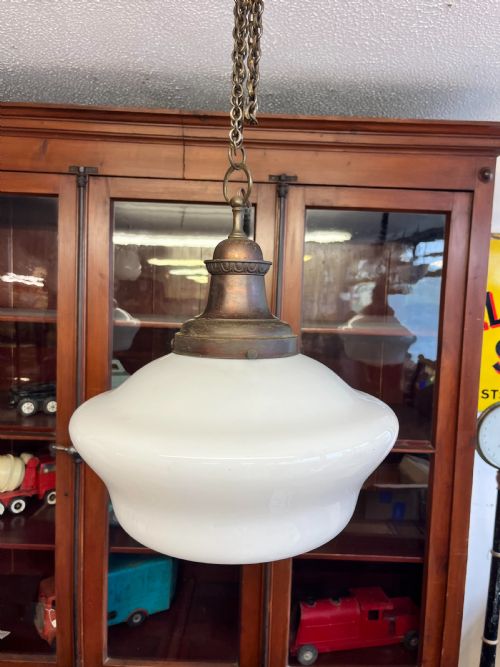
A vintage opaline shade provides a classic lighting element typically constructed from translucent white glass that softens bulbs. Buyers seeking a vintage opaline shade encounter various forms including hanging pendants, ceiling lights, and lamp shades designed for oil or electric fittings.
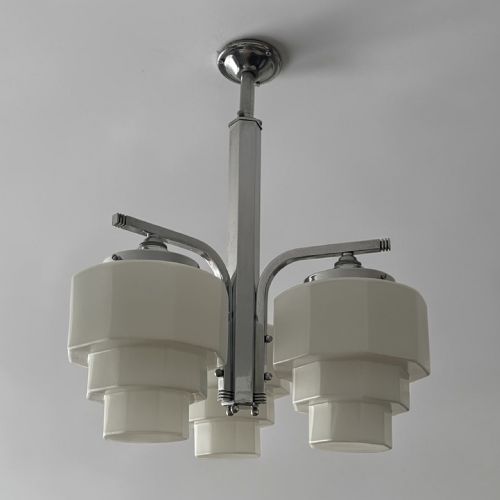
The selections span multiple eras from Victorian and Edwardian periods up through Art Deco and 1930s designs. Pendant lights and individual lamp shades dominate the available items, often paired with brass or bronze fittings.
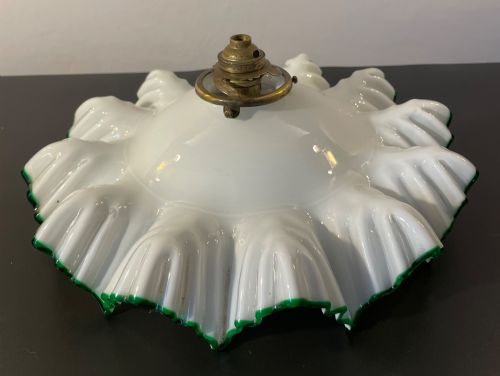
Origin details in the evidence show pieces originating from French and English workshops. Forms range from simple conical pendants to frilled edges and reeded designs.
Materials and construction methods
Production relies heavily on opaline glass, sometimes noted alongside milk glass, shaped into bowls, globes, and cones. Glassmakers utilised moulding techniques to achieve distinct profiles such as fish scale patterns and fluted edges.
Metal components accompanying the shades incorporate brass, chrome, copper, or ormolu. These metal holders, galleries, and stems support the glass elements in ceiling pendants and table lamps.
Vintage Opaline Shade Retail Price Guide 2026
Typical asking prices for vintage opaline shade among the pieces listed under this phrase on Sellingantiques today, from the lower quarter to the upper quarter. They describe what is for sale here now, not the wider market.
Some Edwardian desk lamps feature telescopic stems for adjustable reading heights.
Distinctions in quality and execution
Quality differences appear in the weight and consistency of the opaline glass itself. Finer examples display an even distribution of opacity and smooth forming without excessive bubbles or surface waviness.
The secondary materials and mounting hardware dictate overall grade. Solid brass galleries, hand-painted details, and substantial metal fittings separate standard utility lighting from more decorative examples.
The Vintage Opaline Shade Glossary
- Opaline Glass
- A type of semi-translucent glass that appears milky white and diffuses light evenly. It was widely utilised in nineteenth and twentieth-century lighting.
- Pendant Light
- A light fixture suspended from the ceiling by a cord, chain, or metal rod. These fixtures often feature single opaline shades directed downward.
- Gallery
- The metal ring or collar that grips the top rim of a glass shade to secure it to a lamp or pendant fitting. Galleries are frequently cast in brass or bronze.
- Plafonnier
- A ceiling light fixture mounted flush or very close to the ceiling surface. They frequently utilise glass shades with decorative metal mounts.
- Frill
- A decorative ruffled or fluted edge formed on the rim of a glass lampshade. This shape was popular in Victorian and later French lighting designs.
Vintage Opaline Shade: Frequently Asked Questions
How do I clean vintage opaline shades?
Wash the glass gently in warm soapy water using a soft cloth. Avoid harsh abrasives that might scratch the surface.
Dry thoroughly with a lint-free towel before reattaching the shade to its metal gallery.
Are these shades suitable for modern electric bulbs?
Many vintage shades accommodate standard modern bulb holders when paired with appropriate wiring. Check the fitter neck diameter to ensure compatibility with your lamp base or pendant.
Consult a qualified electrician if rewiring antique brass or chrome fixtures is required for safe home use.
What styles accompany opaline glass shades?
The evidence links opaline shades with Art Deco, Victorian, Edwardian, and Industrial designs. Brass and chrome mountings frequently define the aesthetic era of the complete lamp.
Matching the shade shape to the period of the base helps maintain historical consistency in a room.
How can I tell an older shade from a recent reproduction?
Examine the glass rim for minor irregularities and hand-finished traits typical of older manufacturing methods. Weight, thickness, and the specific composition of the white glass offer clues to age.
Compare the fitter dimensions against standard historical sizes found on period oil and electric lamps.