




Vintage Oil Portrait Lady
When you search for a vintage oil portrait lady, you enter a world of painted canvases capturing women from Georgian, Victorian and mid-century eras.
Vintage Oil Portrait Lady
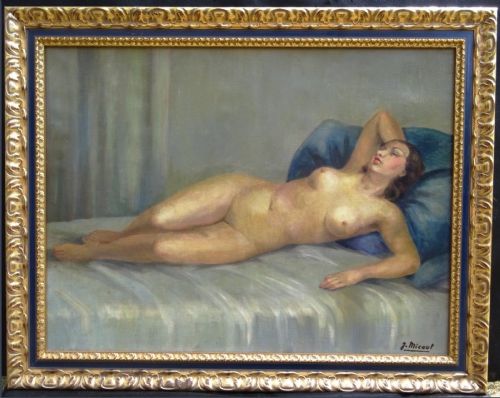
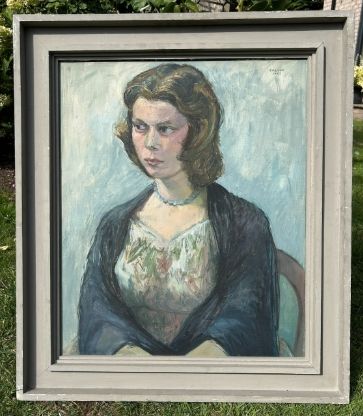
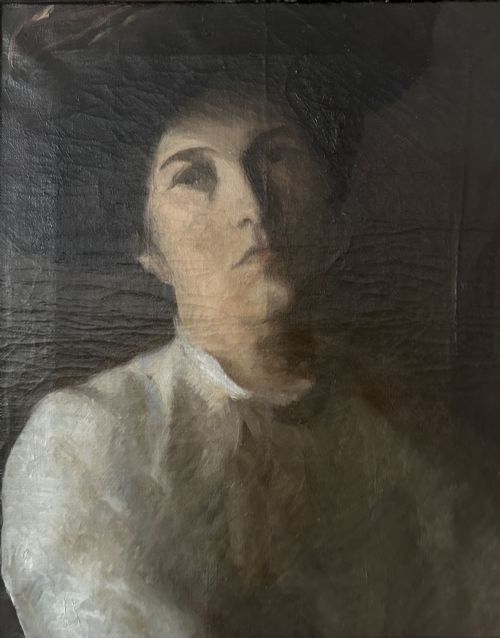
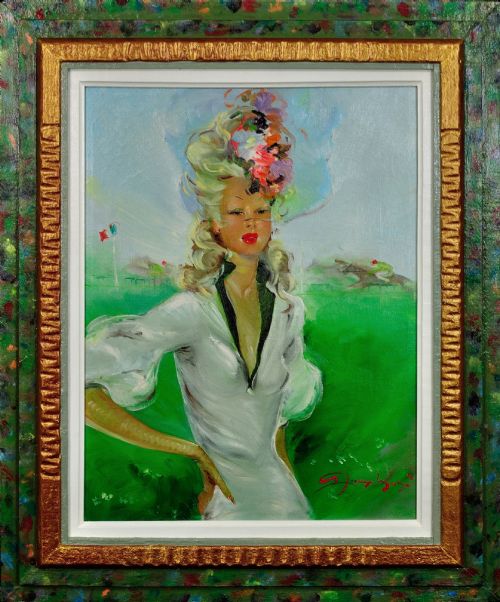
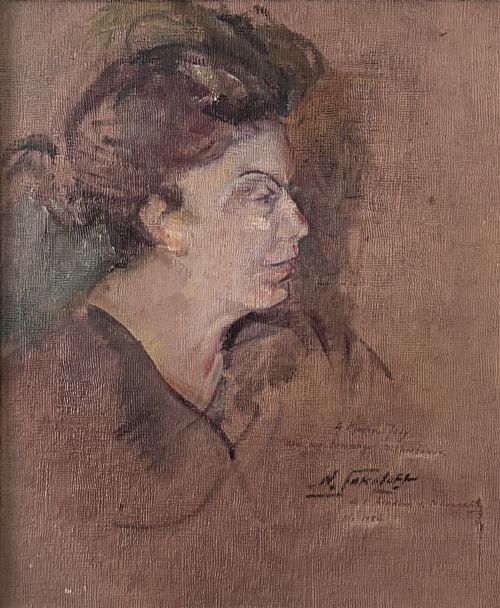
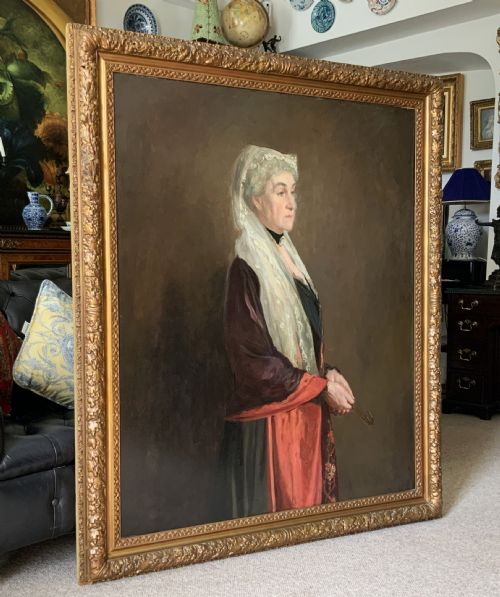
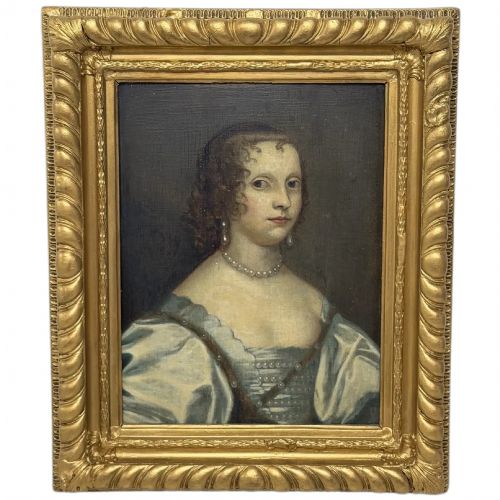
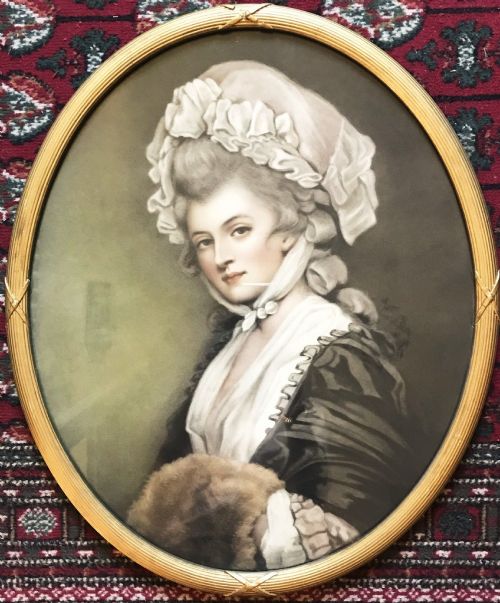
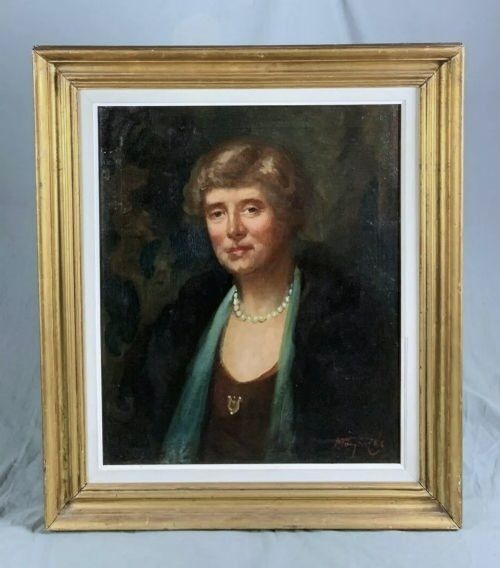
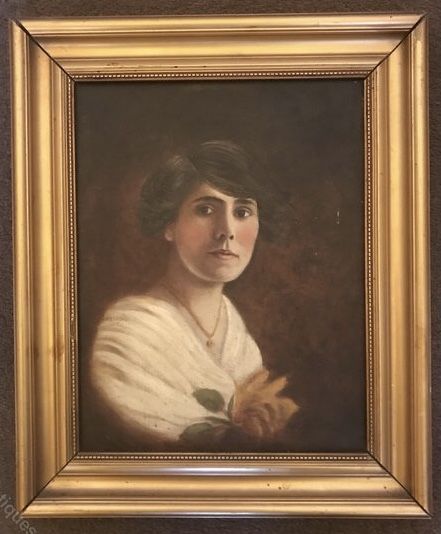
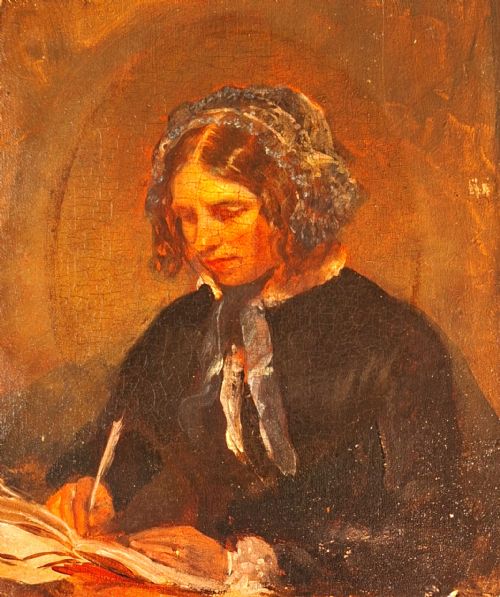
A vintage oil portrait lady represents a painted depiction of a female figure executed in oil paints on canvas, wood, or panel substrates. These works span multiple centuries, capturing subjects ranging from Victorian society figures and Edwardian ladies to French Art Deco compositions and mid-century modernist interpretations.
The versions most frequently encountered on this page originate from the nineteenth and twentieth centuries, often housed in period wooden or gilded frames. You will find large wall art paintings alongside smaller formats, depicting women in hats, with flowers, or in contemplative settings.
Each canvas preserves a distinct historical persona, from formally posed matrons to liberated figures captured in looser post-impressionist strokes. The selection bridges formal academic portraiture and more expressive mid-century depictions of women.
How They Were Made
These works rely primarily on oil paint applied to prepared canvas stretched over wooden frames, though certain examples utilise wood panels or oak supports. The foundational structure often involves gesso layers beneath the paint surface to seal and prepare the ground for the artist's brush.
Framing forms an integral part of the physical object, with many pieces set within ornate gilt wood or gilded wood frames that reflect the decorative tastes of their respective periods. Techniques range from tight academic realism with fine brushwork to broader post-impressionist application of pigment.
Listings feature canvases spanning the eighteenth, nineteenth, and twentieth centuries, executed in oil on canvas, wood, and panel.
What Varies in Quality
The distinction between standard works and exceptional examples rests upon the confidence of the brushwork and the psychological depth captured in the sitter's expression. Masterful handling of light upon fabric, skin, and surrounding interiors elevates a canvas above a purely mechanical likeness.
Provenance and attribution also differentiate the range, with signed works by recorded artists or those carrying detailed inscriptions on the reverse commanding greater scholarly interest. The preservation of the original paint layer and the harmony of the period frame contribute significantly to the overall integrity of the piece.
Kenneth Cozens·Jean-Gabriel Domergue·Charles James McCall·Raymond Moritz·H. Bayly·William Henry Knight·Georges Goursat·Philip Naviasky·S. Dennant Moss·Frank Moss Bennett·Quirijn Van Brekelenkamp·Harry Clifford Pilsbury·Ove Haase·Lionel Hamilton Renwick·Hamish Paterson
The Vintage Oil Portrait Lady Glossary
- Oil on Canvas
- A traditional painting medium where pigments bound in drying oils are applied to a woven fabric support stretched across a wooden frame. This combination allows for rich colour depth and subtle blending.
- Gesso
- A paint mixture consisting of a neutral binder mixed with chalk, gypsum, or pigment, used to prepare a wood or canvas substrate for painting. It creates a smooth, stable surface for the oil layers.
- Gilt Wood
- Wood that has been treated with a thin layer of gold leaf or metallic powder applied to its surface. It provides the ornate, reflective borders typical of period picture frames.
Vintage Oil Portrait Lady: Frequently Asked Questions
How do I date a vintage oil portrait lady?
Dating relies heavily on the sitter's costume, hairstyle, and framing materials, alongside any signatures or inscriptions found on the reverse of the canvas.
Examinations of the stretcher frames and canvas weave also offer reliable clues to determine whether a work originates from the eighteenth, nineteenth, or mid-twentieth century.
Where should I hang an oil portrait?
These works suit traditional living spaces, libraries, or hallway settings where adequate wall space allows the piece to serve as a focal point.
Keep canvases away from direct sunlight and excessive humidity to protect both the oil pigments and the wooden frames.
What is the difference between a painting and a portrait miniature?
Standard paintings utilise full-scale canvases or panels intended for prominent wall display within domestic interiors.
Portrait miniatures are scaled-down works meant for close inspection, often possessing a high degree of fine detail executed on a compact surface.
Are all the subjects identified by name?
Many canvases depict anonymous sitters whose identities were lost over time, recorded simply as ladies, women, or figures in specific attire.
Inscribed panels or identified sitters with documented biographies represent a distinct group among these historical artworks.