



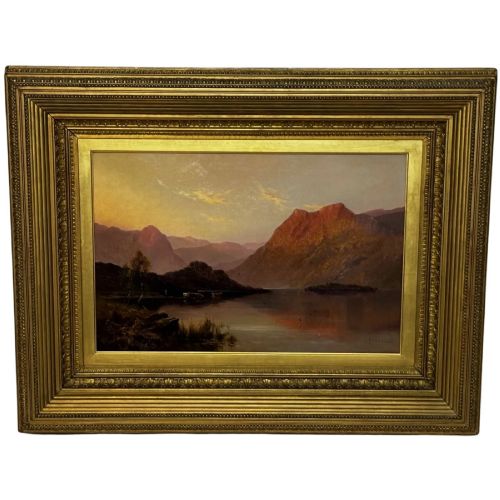
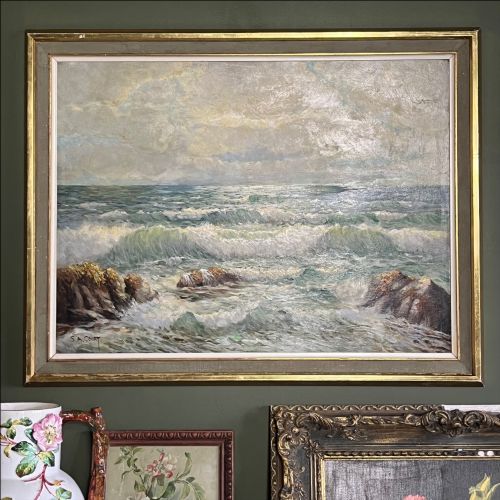
Vintage Oil Landscape Artwork
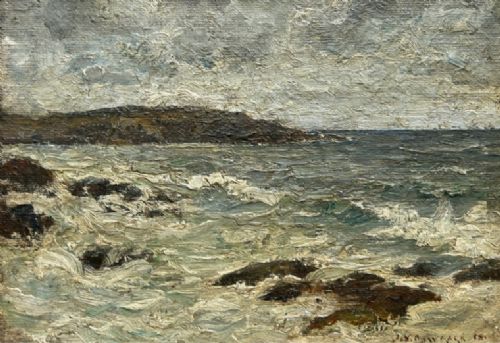
Vintage oil landscape artwork brings traditional scenery and coastal views into a room through textured brushwork and rich pigments.
Vintage Oil Landscape Artwork
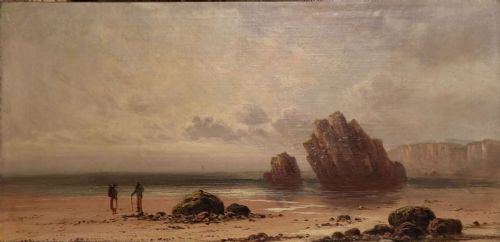
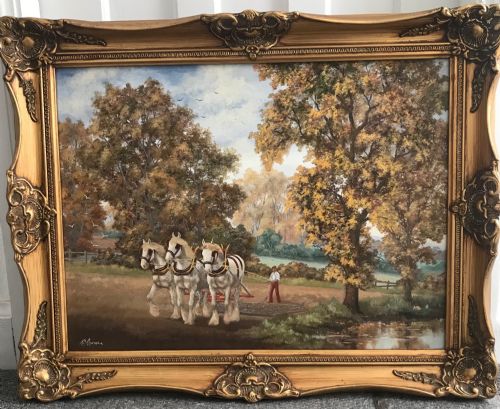
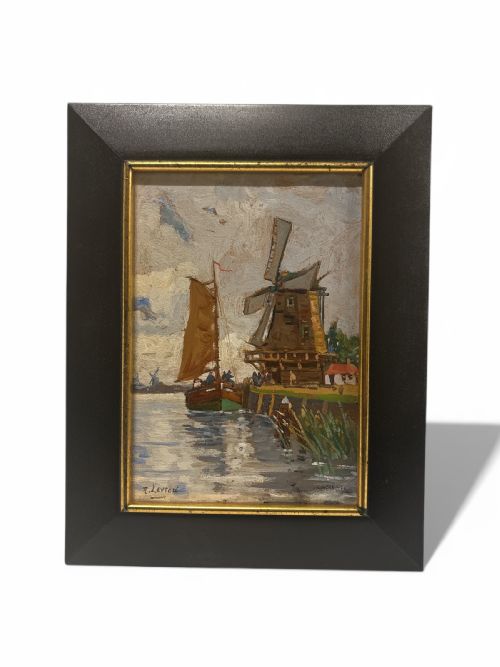
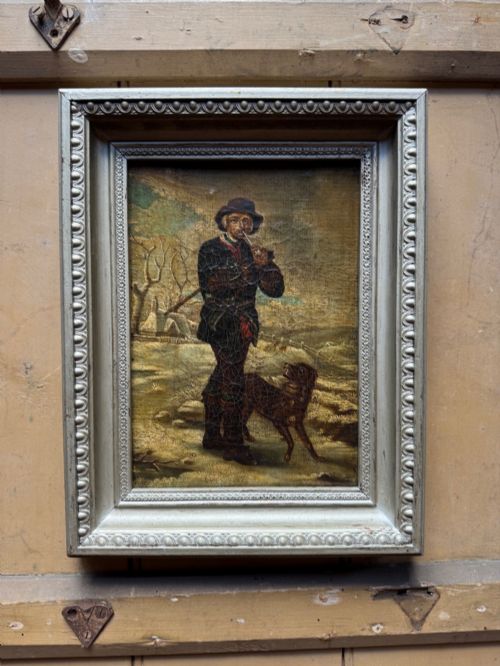
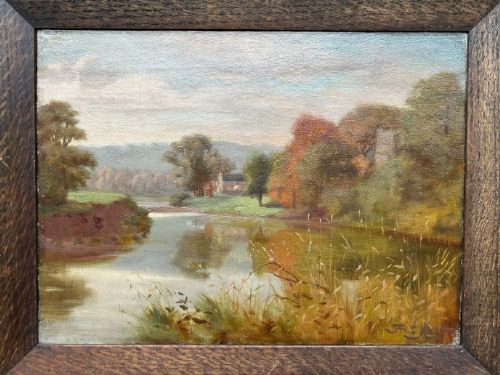
Vintage oil landscape artwork captures natural scenery, rural farms, and coastal views through traditional painting methods. These pieces range from nineteenth-century river scenes to mid-twentieth-century post-impressionist depictions of the countryside.
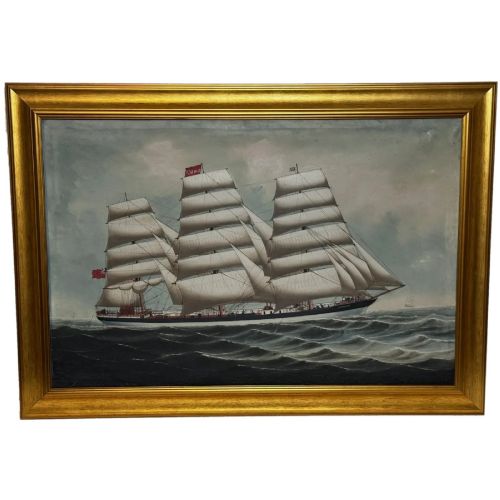
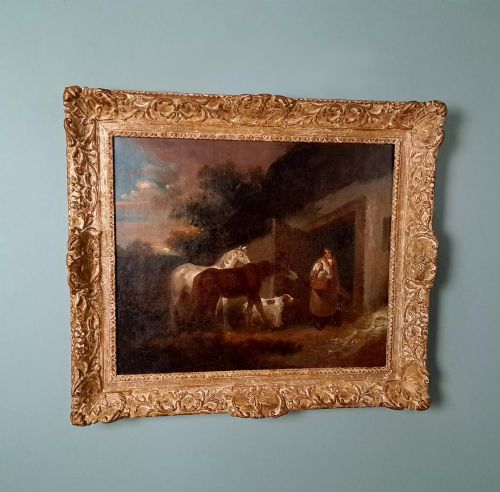
Subjects frequently include woodland clearings, marine seascapes, riverbanks, and agricultural fields with livestock. Artists render these views using oil paint on canvas, board, or wood.
Materials and construction methods
Artists applied oil paint to prepared surfaces such as woven canvas, wooden boards, and wood panels. Oil paint provided slow drying times, allowing creators to blend tones and build up thick, textured layers known as impasto.
Many works incorporate gilt or gilt wood frames that complement the painted scenes. These supports and housings preserved the pigments and structural integrity of the paintings across successive centuries.
Listings feature works spanning the nineteenth century through the 1960s, executed in oil on canvas, wood, and board.
Distinguishing quality in paintings
Quality rests in the handling of light, brushwork confidence, and composition depth. Masterful examples display deliberate pigment application that creates convincing atmospheric depth and movement.
The condition of the oil paint surface and the originality of the mounting frame influence the overall integrity of the piece. Subtle colour harmonies and precise spatial relationships separate exceptional works from standard decorative output.
Kenneth Cozens·R Leyton·William H Myers·Tom Campbell·Clifford Hanney·Frederick Marriott·Reginald Arthur Borstel·William Joseph Shayer Senior·Alfred Fontville de Breanski Jr·Sidney A Court·B Nash·Edward Mills·Kershaw Schofield·George Houston·Herbert Royle·Thomas W Lascelles·James Kay·Augusto Alberici·Gabriel Mathieu·Arthur Gué·Thomas Smythe·Robert John Hammond·Charles Houben·Alfred Pollentine·Hubert Haider
The Vintage Oil Landscape Artwork Glossary
- Impasto
- A technique where oil paint is laid thickly on the surface, standing out from the canvas so that brush or palette knife marks remain visible. This method adds tactile three-dimensional texture to foliage, water, or clouds.
- En plein air
- The practice of painting outdoors to capture direct natural light and environmental conditions. Artists utilising this approach completed their works on location rather than inside a studio.
- Post-Impressionism
- An art movement developing from the late nineteenth century that extended impressionist principles while rejecting its limitations. Painters focused on symbolic content, expressive brushwork, and distinct abstract qualities.
- Wood Panel
- A rigid flat support made from timber used instead of stretched canvas. Painters applied grounds directly to the wood to receive oil pigments.
Vintage Oil Landscape Artwork: Frequently Asked Questions
How do I identify the age of an oil painting?
Dating relies on examining the stretcher frames, canvas preparation, pigments, and stylistic markers characteristic of specific decades or reigns. Signatures and exhibition labels on the reverse also offer clues.
Secondary indicators include the type of wood panel or nails used in framing, alongside historical documentation linked to the artist.
What subjects are common in these landscapes?
Common subjects feature rural British countryside, Scottish highlands, agricultural fields with livestock, and marine coastal views. Scenes often capture specific locations such as rivers, bridges, and foreign cityscapes.
Artists also depicted seasonal transitions, including winter snow scenes and autumn woodlands.
How should I care for vintage oil paintings?
Preservation involves keeping works away from direct sunlight, excessive moisture, and rapid temperature fluctuations. Gentle dusting with a soft, dry brush maintains the surface without disturbing the pigment.
Avoid using liquid cleaners on the paint surface and consult a professional conservator for deeper cleaning.
What is the difference between canvas and board supports?
Canvas consists of woven fabric stretched across a wooden frame, offering slight flexibility and a textured weave beneath the paint. Board provides a rigid, inflexible surface made from wood or compressed material.
Both supports received specific priming grounds before the artist applied oil paint.