





Canvas Oil Landscape Artwork
Canvas oil landscape artwork brings together centuries of painted scenery, offering buyers historical views rendered in oil paint on canvas.
Canvas Oil Landscape Artwork
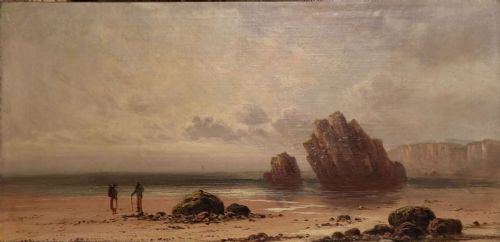
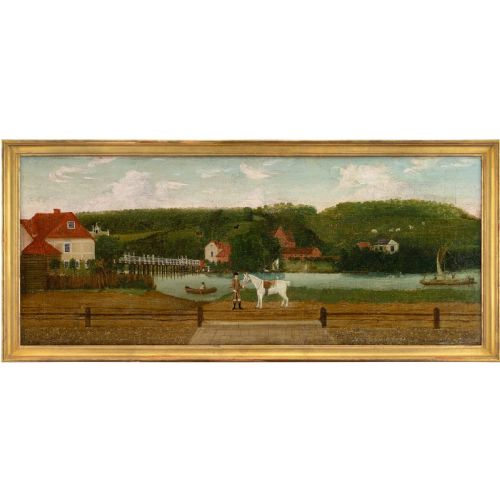
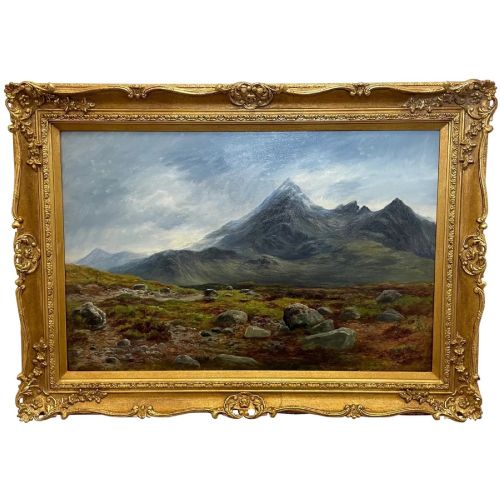
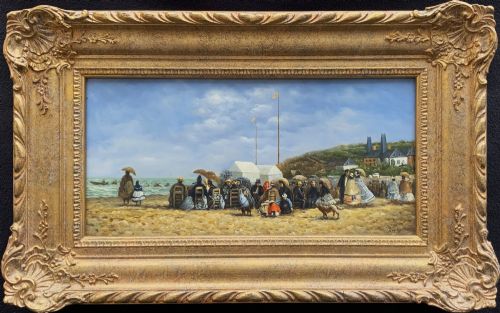
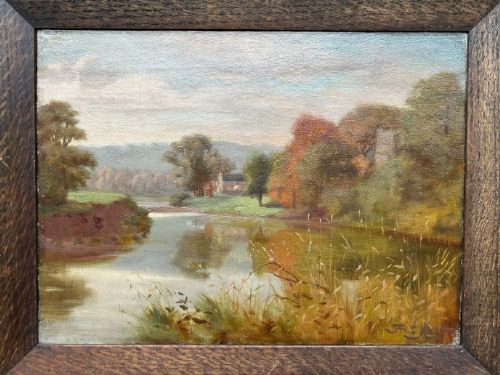
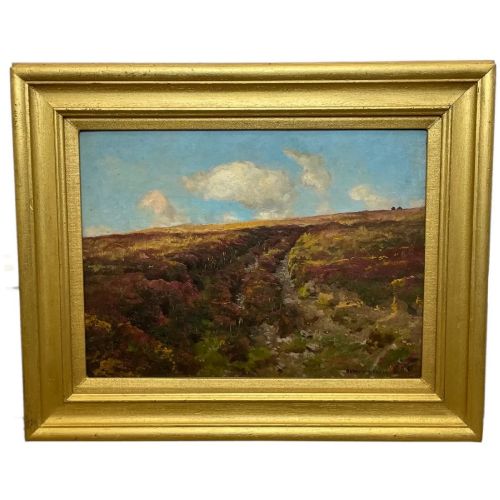
Canvas oil landscape artwork captures natural scenery, coastal views, riverbanks, and pastoral estates produced across the seventeenth, eighteenth, nineteenth, and twentieth centuries. Buyers searching this phrase encounter regional British and European schools, ranging from Victorian coastal depictions to Post-Impressionist rural scenes.
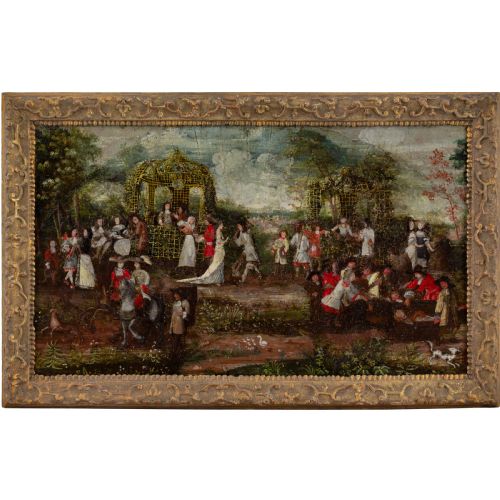
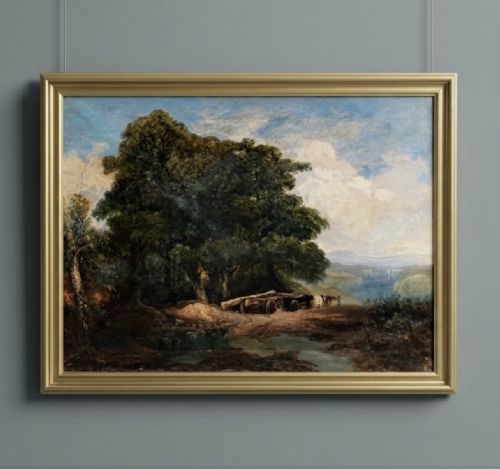
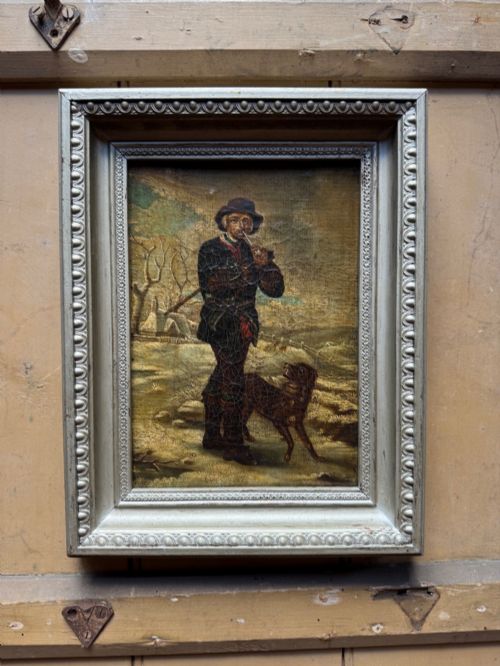
The objects take the form of framed oil paintings on canvas or board, often housed in period giltwood or gesso frames. Examples span grand romantic vistas, intimate woodland paths, and maritime harbours executed by named artists and regional schools.
Materials and construction
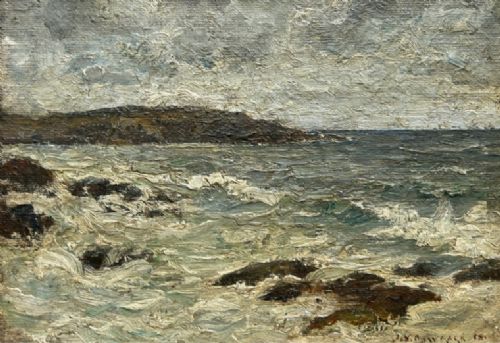
These works rely primarily on oil paint applied to woven canvas supports, occasionally utilising wooden boards or panels as a base. Pigments are built up in layers, sometimes incorporating impasto techniques to add texture to rocky coastlines or autumn foliage.
Surviving pieces are typically completed with period frames constructed from wood, gesso, and gilt, which protect the edges of the canvas and complement the visual depth of the painted landscape.
Several canvases capture cows, sheep, and sturdy shire horses quietly interrupting otherwise pristine rural landscapes.
Distinctions in execution and preservation
Quality in these paintings rests on the surety of the brushwork, the handling of light and atmospheric perspective, and the compositional balance of the scene. Stronger examples demonstrate precise control over natural light, whether capturing a sunrise over the sea or the shadow of woodland trees.
The condition of both the painted surface and the original frame influences the integrity of the piece. Retaining an untouched surface without extensive overpaint, alongside a period giltwood frame, distinguishes better-preserved works from heavily restored examples.
Kenneth Cozens·Eugène Verboeckhoven·Richard Sebastian Bond·William Beattie-Brown·William H Myers·Clifford Hanney·Frederick Marriott·Arthur Wardle·Angelo Maria Crivelli·Francois Boucher·John Horace Hooper·Reginald Arthur Borstel·Alfred Fontville de Breanski Jr·George Houston·Herbert Royle·Robert Morson Hughes·Thomas Barker of Bath·Thomas W Lascelles·James Kay·Augusto Alberici·Gabriel Mathieu·Hubert Haider
The Canvas Oil Landscape Artwork Glossary
- Impasto
- Paint applied thickly to a canvas, standing out in relief from the surface and giving physical texture to elements like crashing waves or foliage.
- Giltwood
- Wood carved and covered with a thin layer of gold leaf or metal powder, commonly used for antique picture frames.
- Gesso
- A plaster-like mixture applied to wooden frame mouldings to create a smooth surface before gilding.
- Post-Impressionism
- An art movement following Impressionism that extended its use of vivid colours and thick brushstrokes while emphasising geometric forms or expressive content.
- Seascape
- A type of fine art painting depicting the sea, coastal views, ships, or marine hazards.
Canvas Oil Landscape Artwork: Frequently Asked Questions
What periods do these paintings date from?
The works span from the late seventeenth century through the Victorian and Edwardian eras up to the mid-twentieth century.
Most examples originate from the nineteenth and early twentieth centuries, reflecting changing British and European landscape traditions.
Are the frames original to the paintings?
Many pieces retain period giltwood or gesso frames that match the approximate age of the canvas, though framing practices varied over time.
Examining the corner joints and backing helps determine if a frame has been paired with the artwork later in its history.
How should I care for an oil painting on canvas?
Keep the artwork away from direct sunlight, high humidity, and rapid temperature fluctuations to protect the canvas and oil pigments.
Dust the surface gently with a soft, dry brush and avoid using liquid cleaners or touching the painted area directly.
What is the difference between an oil painting on canvas and on board?
Canvas paintings utilise a stretched woven textile support that yields slightly to pressure and allows for large-scale compositions.
Board supports consist of rigid wood or composite panels, which were frequently used for smaller outdoor studies and plein-air works.