





Vintage Oil Artwork Panel
When you search for a vintage oil artwork panel, you are looking at small-scale paintings executed directly onto wooden supports across several centuries.
Vintage Oil Artwork Panel
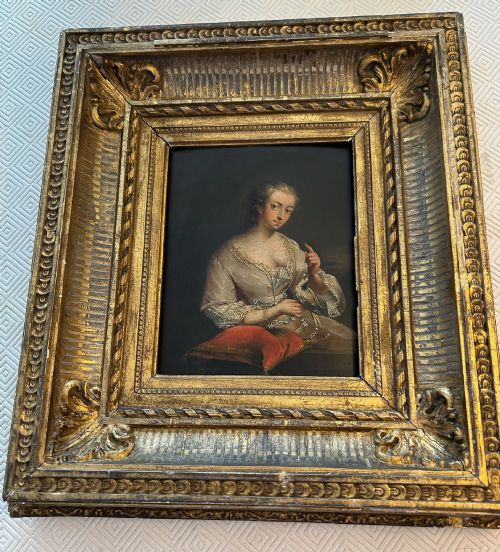
A vintage oil artwork panel consists of pigment bound in drying oil applied to a rigid wooden surface rather than flexible stretched fabric. The selection ranges widely in subject matter, encompassing landscapes, portraits, still lifes, animals, and architectural scenes.
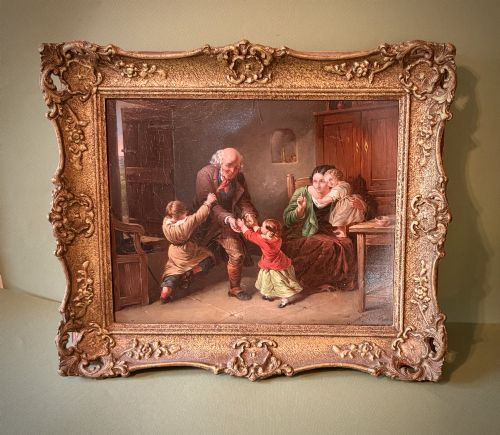
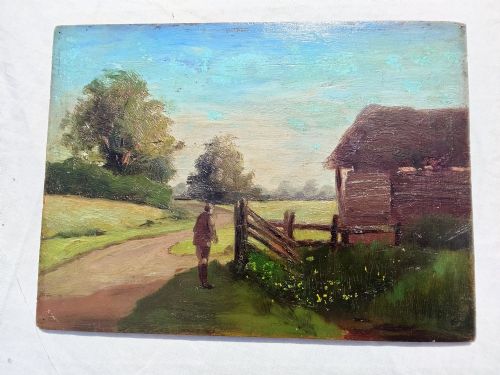
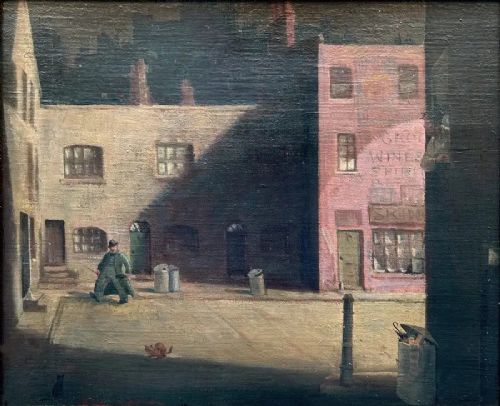
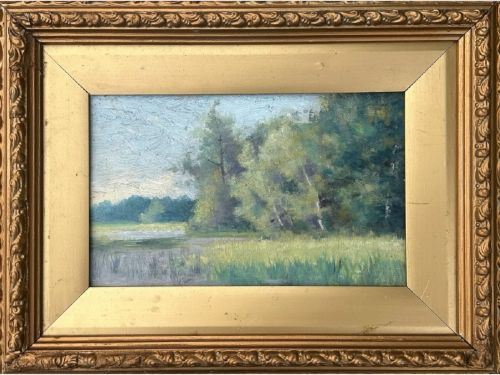
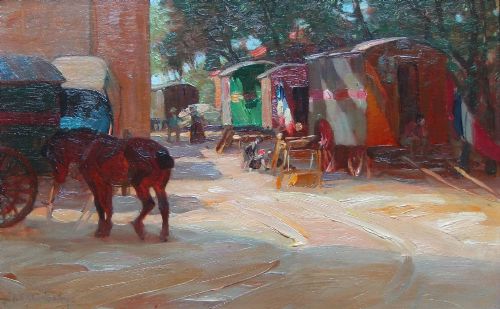
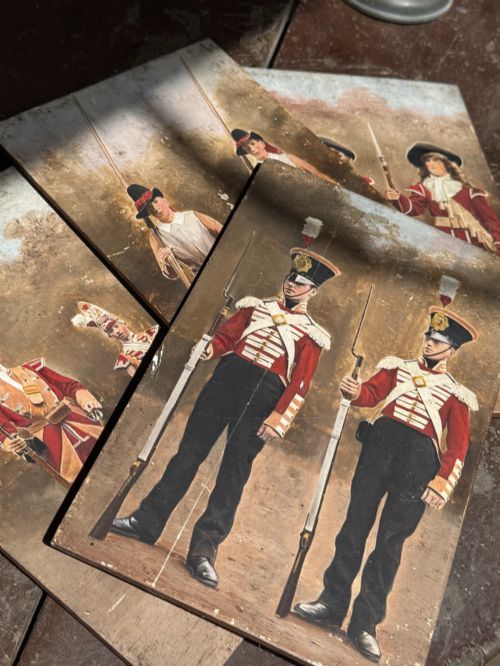
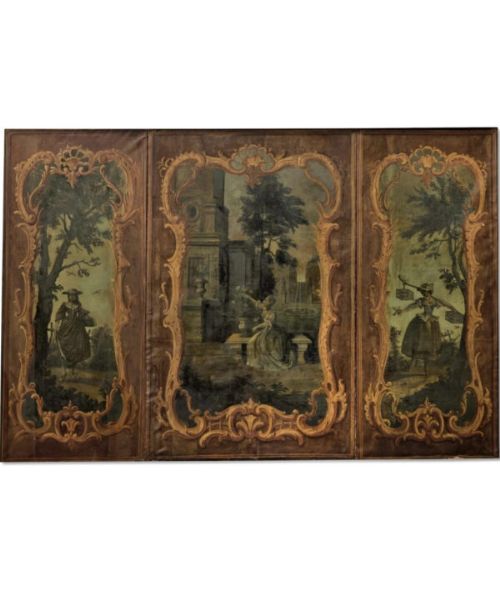
Most examples you encounter on this page date from the nineteenth and early twentieth centuries, reflecting a period when artists frequently utilised portable wooden boards for plein air and studio painting. Forms vary from small landscape studies to framed interior scenes, coaching panels, and multi-part triptychs.
These works emerge from diverse European traditions, featuring British, French, Italian, and Dutch schools of painting. The underlying support alters the visual character, giving each piece a distinct weight and permanence compared to canvas works.
How they were made
Makers applied oil paint directly to prepared wood panels, wooden boards, or pine supports, sometimes utilising card or canvas adhered to a rigid base. This rigid ground allowed artists to employ fine brushwork and smooth blending without the give associated with woven textiles.
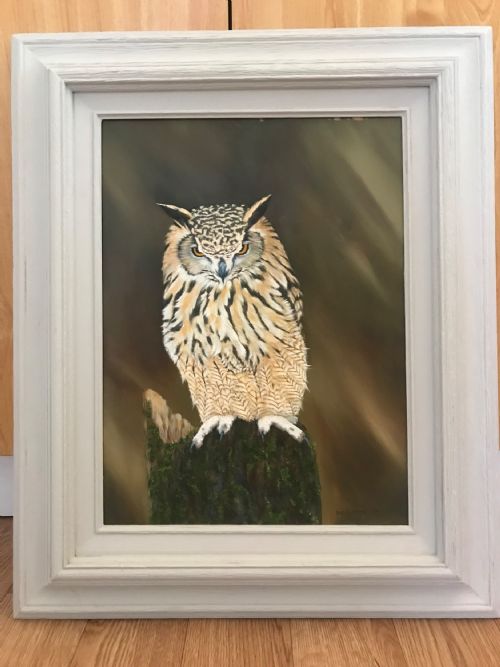
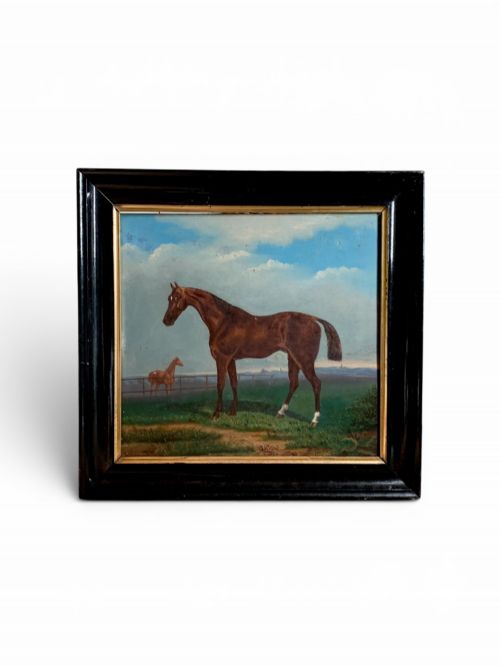
Framing played an integral role in finishing these works, with many pieces housed in period gilt wood frames or solid wood surrounds designed to protect the painted edges. The combination of stable wood supports and oil media contributed to the survival of these panels across generations.
The available selection encompasses diverse subjects including British landscapes, French impressionist scenes, Dutch interiors, and heraldic coaching panels.
What varies in quality
The distinction between standard works and exceptional examples lies in the confidence of the brushwork and the precision of the composition. Masterful handling of light and shadow transforms a modest wooden board into a compelling visual statement.
The harmony between the painted surface and the original period frame influences the overall integrity of the piece. Superior examples retain their original context without excessive overpainting or structural modification to the underlying timber.
Tom Campbell·Maud Raphael Jones·Paul Ehrenberg·Florence Adelina Hess·Paul-Élie Gernez·Hubert Wellington·Edouard Julien·Fernando Del Basso·William Williams·Alfred John Bouchette·Hans Temple·John Gilbey Bowles·Kershaw Schofield·Théophile Emmanuel Duverger·Del Buono·Edmond Defonte·Charles Cameron Baillie
The Vintage Oil Artwork Panel Glossary
- Panel
- A rigid flat piece of wood used as a support for painting instead of canvas. Artists favored wood for its smooth surface and durability.
- Grisaille
- A painting executed entirely in shades of grey or neutral monochrome. This technique often served as a decorative scheme or a preliminary underpainting.
- Plein air
- The practice of painting outdoors to capture direct natural light and atmosphere. This method gained widespread popularity among nineteenth-century landscape artists.
- Triptych
- A picture or relief carving on three panels hinged or displayed together side by side. These works frequently depict expansive narratives or paired landscape views.
- Heraldic
- Relating to coats of arms and armorial bearings. Such panels were traditionally commissioned to display family lineage and status.
Vintage Oil Artwork Panel: Frequently Asked Questions
What is an oil artwork panel?
An oil artwork panel is a painting created with oil-based pigments upon a rigid wooden board or panel rather than a stretched canvas.
These pieces offer a solid foundation that often allowed artists to work in a portable format for outdoor studies or detailed indoor compositions.
How do I care for a wood panel painting?
Protect wooden panel paintings by keeping them away from extreme humidity shifts and direct heat sources, which can cause timber to warp.
Displaying them in stable indoor environments preserves both the wooden support and the delicate oil paint layers.
How do I date an antique oil panel?
Dating relies on examining the characteristics of the wood preparation, the style of the brushwork, and the framing materials used.
Signatures, artist attribution, and historical inscriptions on the reverse of the panel also provide reliable chronological markers.
Were these panels always framed?
Most quality oil panels were fitted with period wooden or gilt frames designed to protect the edges of the board and enhance the display.
Some panels survive in their original frames, while others were historically reframed to suit changing interior tastes.