
Vintage Office Furniture
Vintage office furniture comprises desks, filing cabinets, and seating from the nineteenth and twentieth centuries built for working lives.
Vintage Office Furniture
Vintage office furniture spans practical workspace items designed for administrative tasks across the nineteenth and twentieth centuries. Buyers seeking vintage office furniture commonly encounter sturdy pedestals, writing tables, and filing cabinets.
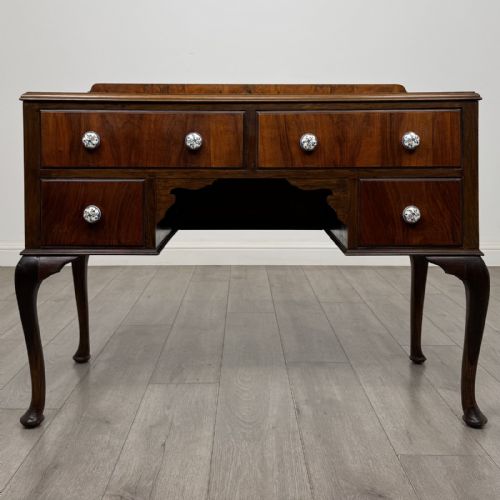
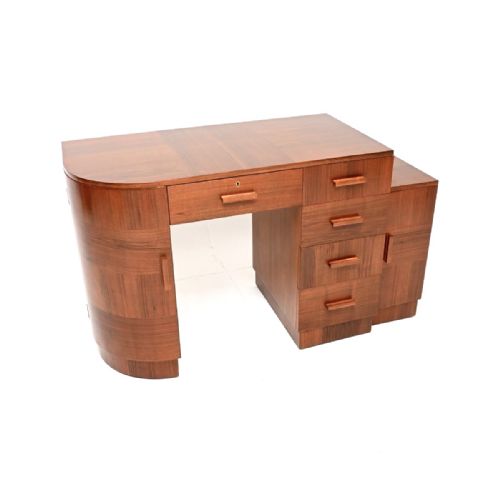
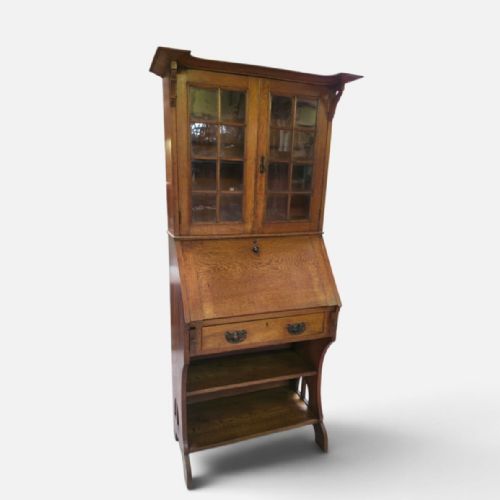
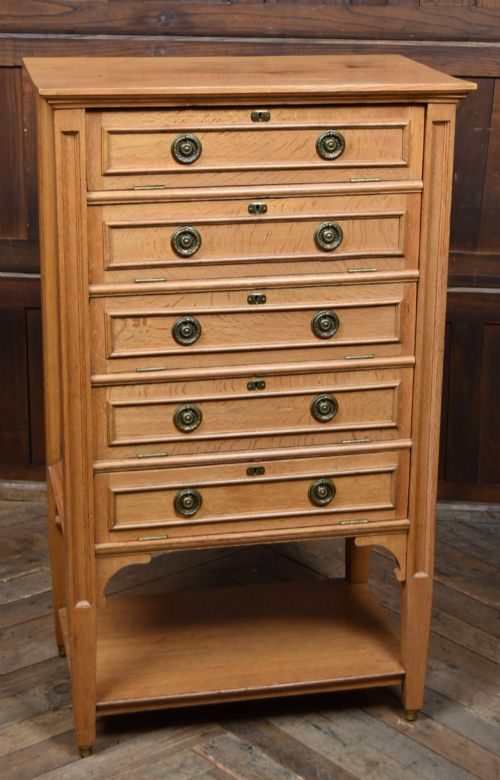
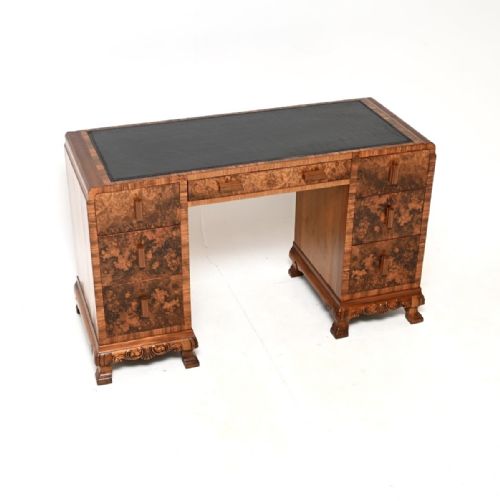
The selection ranges from Edwardian oak filing systems to Art Deco walnut writing desks. Pieces emerge from periods including the Victorian era, the Edwardian years, and the nineteen-thirties.
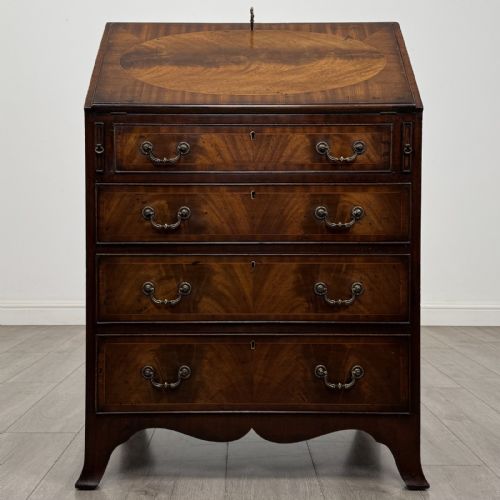
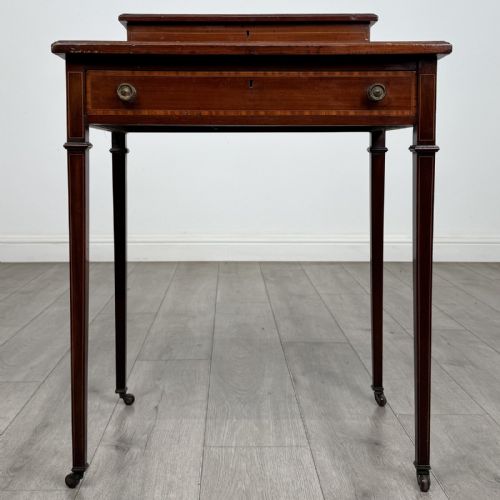
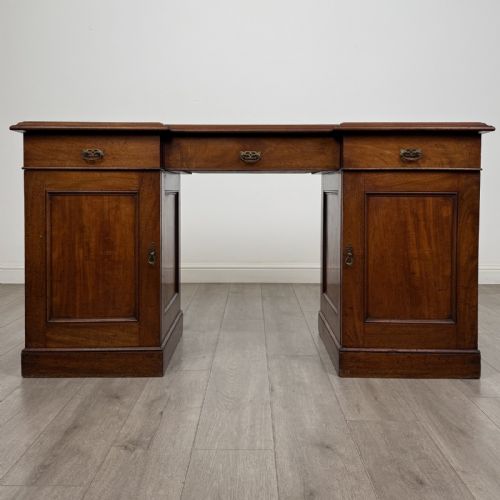
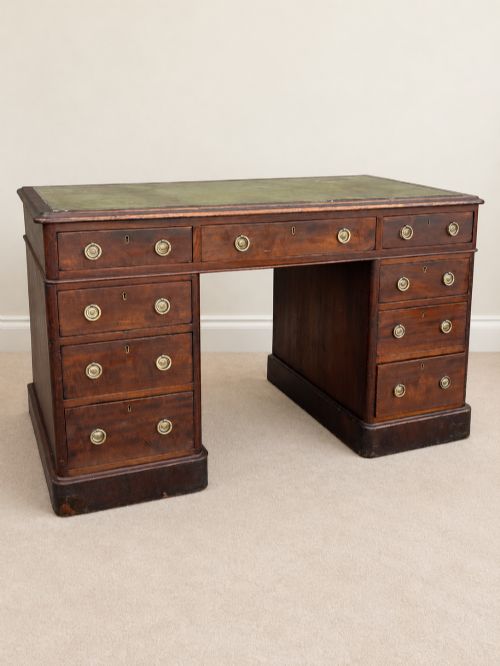
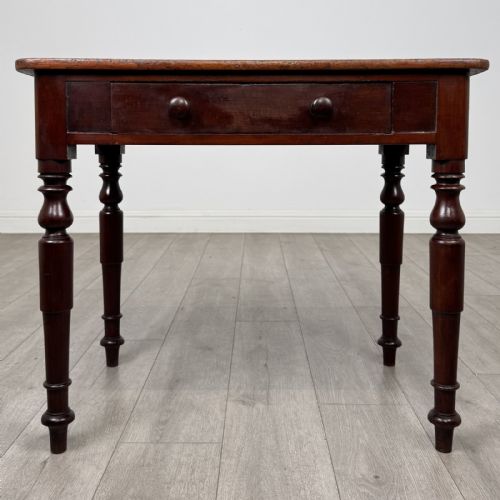
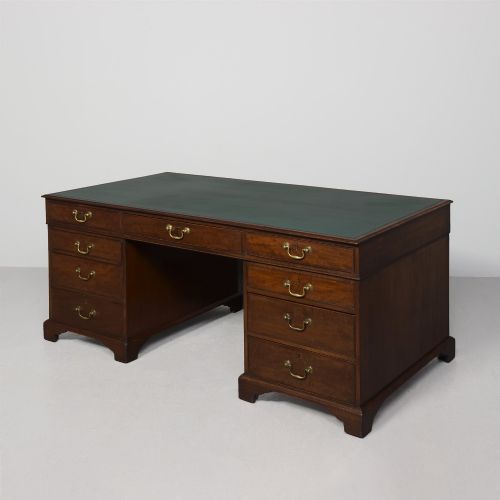
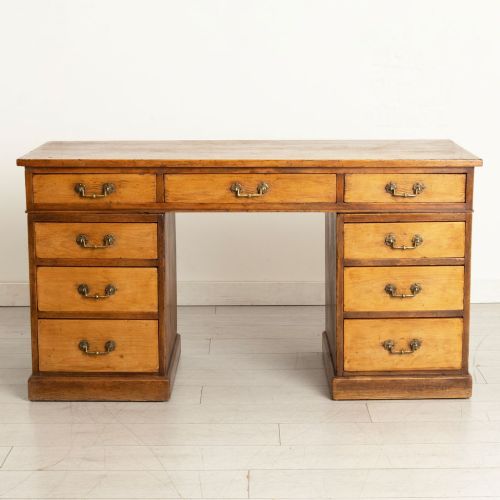
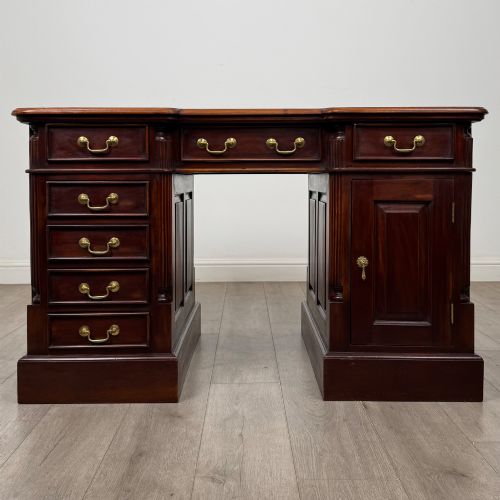
Forms include kneehole desks, tambour cabinets, and partners desks constructed for professional environments. These items combine utilitarian purpose with period craftsmanship in wood and leather.
How they were made
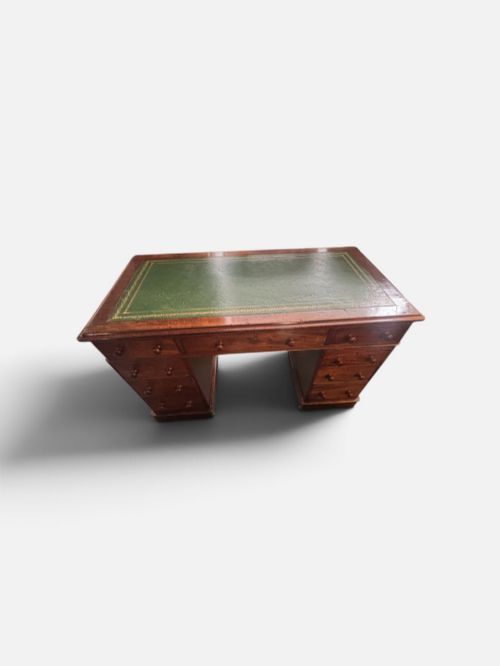
Maker workshops utilised solid timbers such as mahogany, oak, and walnut, frequently applying burr walnut veneers to prominent surfaces. Leather inserts often provide writing surfaces on desk tops.
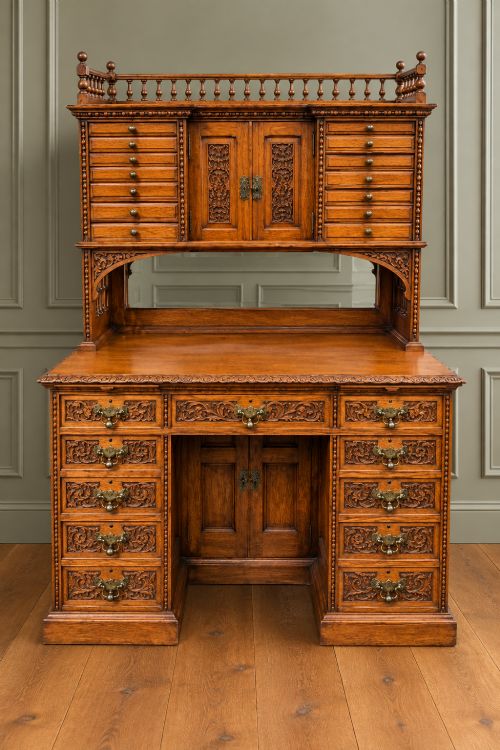
Construction techniques involve dovetail joints for drawers and slatted tambour doors that slide along tracks. Brass handles and fittings complete the functional hardware on drawers and doors.
Materials span oak, mahogany, walnut, burr walnut, rosewood, brass, leather, and metal across multiple decades.
What varies in quality
Quality separates workshop-produced pieces bearing maker stamps from utilitarian office items built without attribution. Selection of timber grain, particularly matched burr walnut or figured mahogany, indicates higher ambition.
Joinery execution in drawer construction and the smooth operation of tambour slats distinguish superior examples from standard commercial production.
Trollope and sons·James Mein of Kelso·Maple and Co·Wylie and Lochhead Glasgow·Whytock and Reid of Edinburgh·F.H. Marshall and Co Glasgow·Heal's
The Vintage Office Furniture Glossary
- Pedestal desk
- A desk featuring two separate blocks of drawers beneath the work surface supporting the top. These provide substantial storage flanking the central seating space.
- Tambour
- A flexible door constructed from narrow strips of wood glued to canvas backing to slide around a curve. This mechanism conceals pigeonholes and files in cabinets and desks.
- Partners desk
- A large double-sided desk designed for two people to work face-to-face with drawers and cupboards on both sides. These typically feature leather top inserts.
- Kneehole desk
- A compact desk with a central recess for the legs positioned between two pedestals of drawers. They often incorporate smaller proportions suitable for domestic studies.
- Pigeonholes
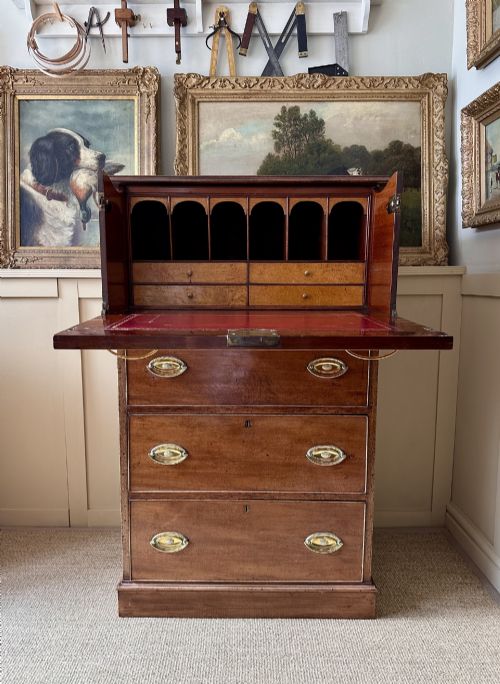
- Small open compartments arranged in rows inside desks or cabinets for sorting correspondence and papers. They form an interior organizational feature of writing bureaux.
Vintage Office Furniture: Frequently Asked Questions
What is a tambour desk?
A tambour desk incorporates sliding wooden slats running in tracks to conceal the writing surface and pigeonholes. This mechanism allows the user to secure the desk interior without swinging doors.
Such desks appear in oak and mahogany from the Edwardian period and later decades.
Which woods were used for desks?
Mahogany, oak, and walnut serve as the primary timbers found across these workspace items. Cabinet makers also applied burr walnut veneers for decorative grain patterns.
Secondary woods sometimes support internal drawer framing while primary timbers face outward.
Where were these pieces made?
Pieces originate from British workshops and department stores spanning the Victorian, Edwardian, and Art Deco eras. Makers based in cities such as Edinburgh and Glasgow produced notable examples.
Export pieces also appear, including campaign furniture from overseas contexts.