



Vintage Office Desk Accessories
These vintage office desk accessories bring practical elegance to a workspace, offering period craftsmanship in materials like mahogany, brass and silver.
Vintage Office Desk Accessories
When you search for vintage office desk accessories, you encounter items designed to organise correspondence and document workspaces from the nineteenth and twentieth centuries. These survivals range from utilitarian desk organisers and postal scales to decorative letter openers and perpetual calendars.
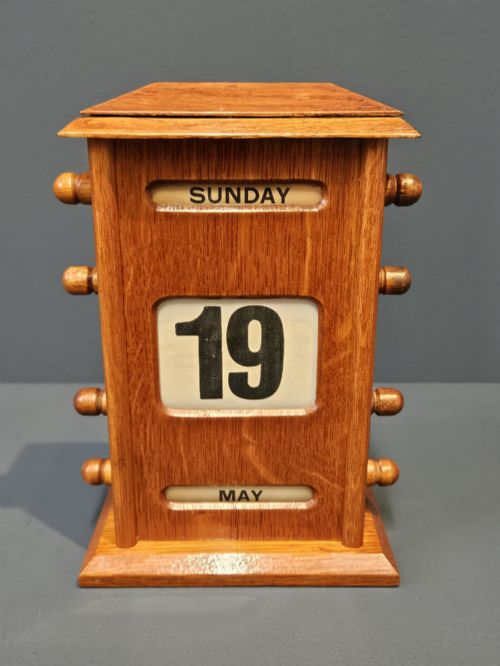
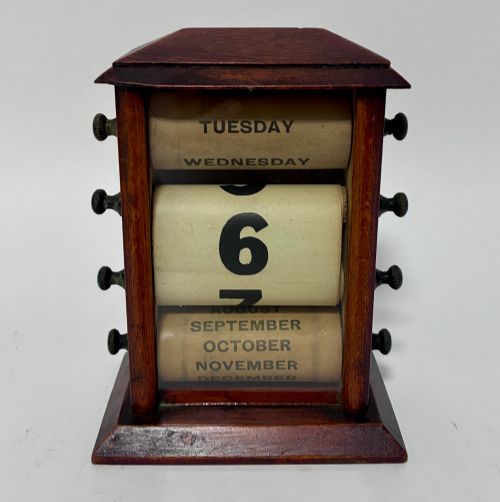
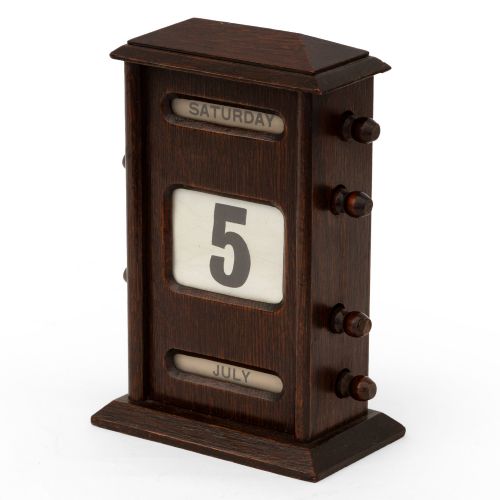
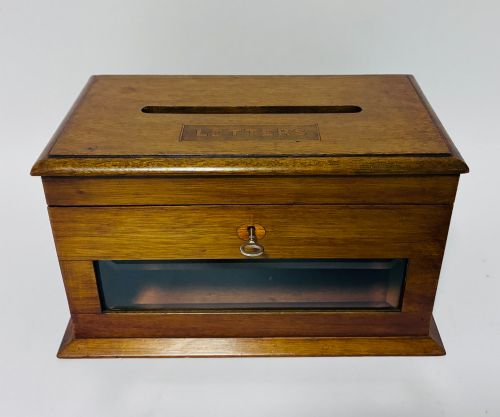
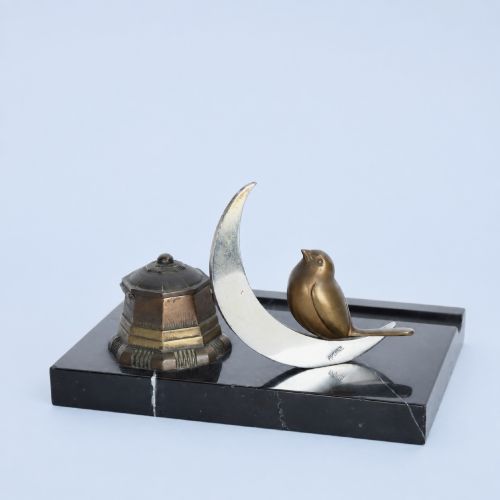
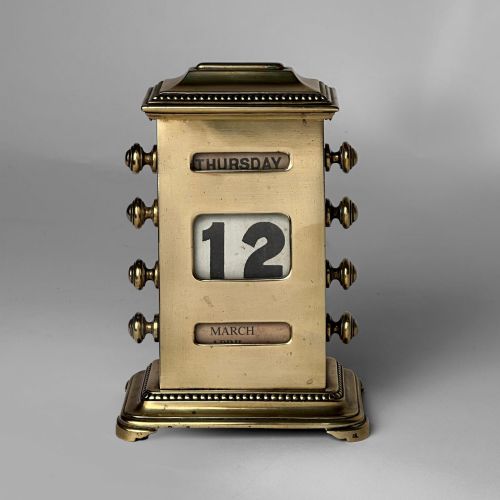
The selections you meet most frequently on this page span the Victorian and Edwardian eras through to the Art Deco and Mid-Century periods. Typical forms include mahogany letter boxes, brass perpetual calendars, and sterling silver inkwells intended for daily desktop utility.
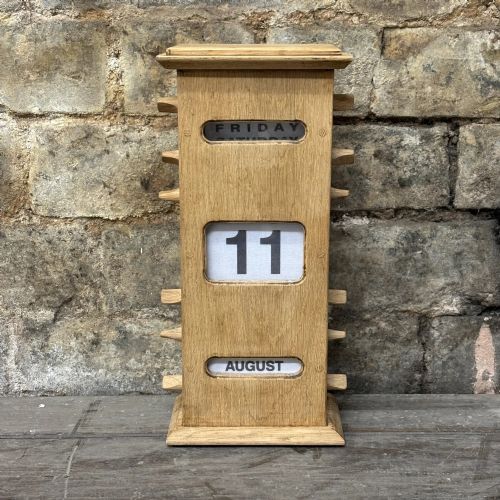
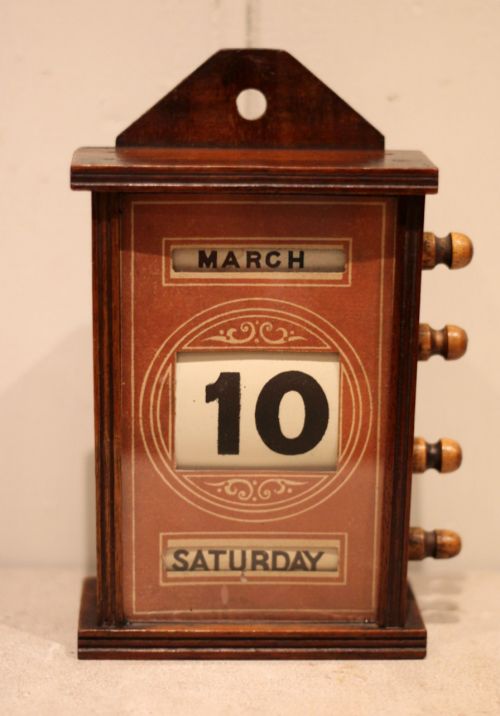
Many of these accessories reflect distinct stylistic movements, encompassing Victorian solidity, Edwardian practicality, and the streamlined geometry of Art Deco design. Pieces often combine multiple functions, such as combined desk clips and perpetual calendars in mahogany and brass.
Materials and construction
Traditional cabinet timbers such as mahogany and oak form the structural foundation for many desk tidies, calendars, and letter boxes. These woods are frequently paired with glass, brass hinges, and paper components.
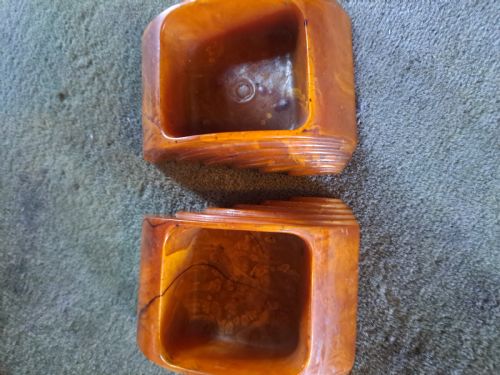
Metalworking techniques shape accessories in cast brass, sterling silver, and bronze, sometimes incorporating specialised plastics like Bakelite and Catalin in Art Deco designs. Artisans employed casting, silver plating, and fine leatherwork to create both decorative and functional pieces.
Assessing quality and execution
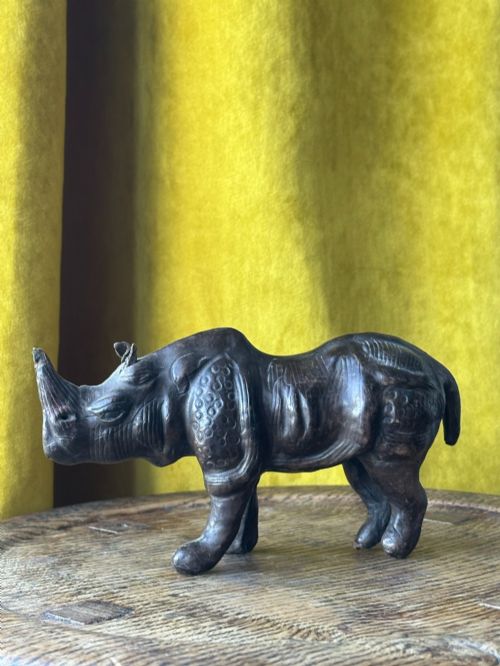
Quality rests in the weight and selection of materials, distinguishing solid oak and heavy cast brass from lighter plated alternatives. Superior examples display crisp casting details on bronze sculptures and precise lettering on perpetual calendar drums.
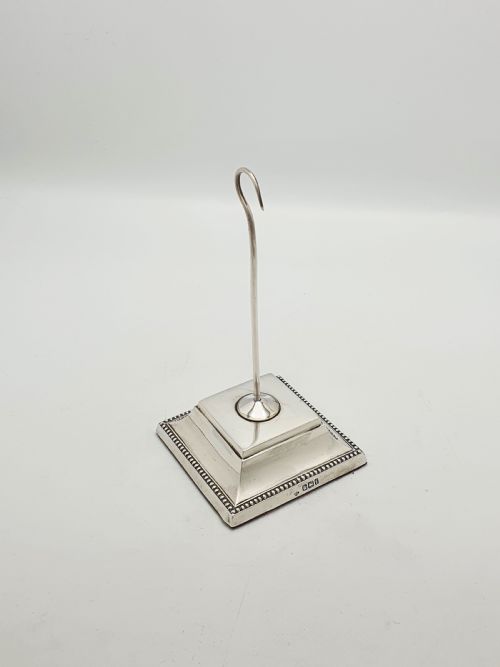
Makers' marks and silver hallmarks elevate certain pieces, indicating prominent firms and silversmiths. The integration of materials, such as tortoise-shell panels set into silver frames, demonstrates higher workshop standards.
William Tonks of Birmingham·Liberty and Co·Rene Lalique·Tiffany and Co
The Vintage Office Desk Accessories Glossary
- Perpetual calendar
- A desktop device with interchangeable cards or rotating drums designed to indicate the date for any year without replacement. These mechanical items often utilise brass mechanisms housed in oak or mahogany frames.
- Inkwell
- A small container for liquid ink, usually fitted with a hinged lid to prevent evaporation. Examples range from simple glass wells to elaborate sterling silver and marble designs.
- Desk tidy
- An integrated stand or rack designed to hold stationery, letters, and writing implements in an organised manner. They frequently incorporate bookshelves, receipt hooks, or compartments.
- Postal scales
- A weighing device utilised for determining letter and parcel postage rates before digital measurement. Fine Edwardian sets are mounted on solid oak bases with calibrated brass weights.
- Catalin
- A cast phenolic formaldehyde resin developed in the twentieth century, celebrated for its rich colours and translucency. It appears frequently in Art Deco desk accessories such as stamp wetters.
Vintage Office Desk Accessories: Frequently Asked Questions
How do I set a perpetual calendar?
Most vintage perpetual calendars operate using rotating side knobs or sliding indicators that adjust the day, date, and month drums.
Carefully turn the mechanisms until the correct alignments show through the display windows without forcing stiff gears.
What materials were commonly used?
Desk accessories relied heavily on traditional cabinet timbers like mahogany and oak, alongside durable metals including brass, bronze, and sterling silver.
Twentieth-century pieces also introduced modern materials such as glass, Bakelite, and Catalin to achieve distinct Art Deco aesthetics.
How were postal scales used?
Postal scales were positioned on office desks to weigh letters and small parcels to calculate correct postage fees.
Items were placed upon the brass platform, causing a calibrated arm or needle to indicate the required weight class.
How do I date a desk accessory?
Dating relies on stylistic indicators such as Victorian ornamentation, Edwardian oak construction, or Art Deco geometric forms and Bakelite elements.
Silver hallmarks and maker signatures stamped into the metal provide precise manufacturing years and locations.