



Vintage Oak Tobacco Cabinet
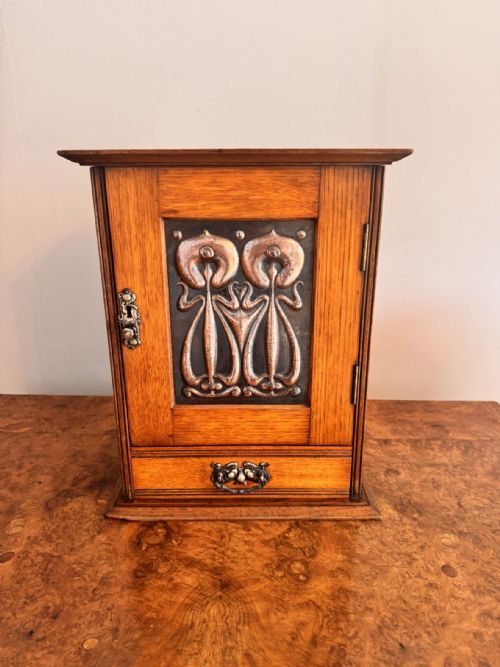
These vintage oak tobacco cabinet designs are sturdy tabletop pieces built to keep pipes, cigars and tobacco secure, offering a glimpse into Edwardian and later smoking habits.
Vintage Oak Tobacco Cabinet
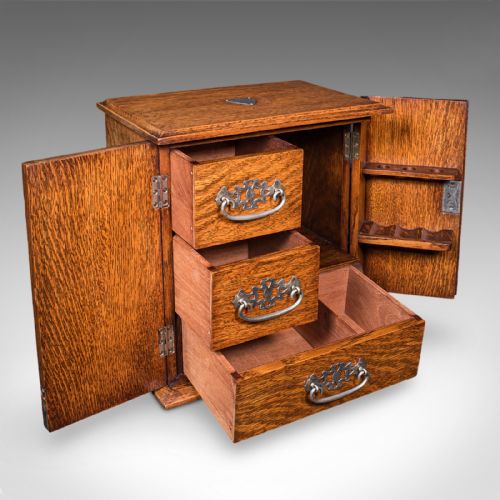
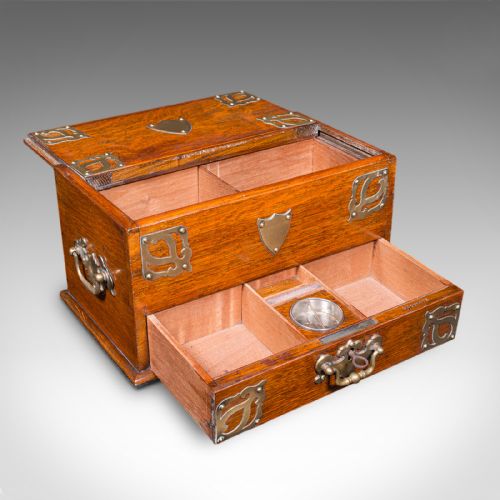
When you search for a vintage oak tobacco cabinet, you find compact tabletop boxes and small cupboards designed to house smoking paraphernalia. The examples available span the late nineteenth century through to the nineteen-thirties, taking forms such as smokers boxes, humidors and pipe cabinets.
Most pieces seen here belong to the Edwardian period, often displaying golden oak construction with brass hardware. Alongside standard tabletop cabinets, the selection includes themed items like a coal wagon design and a cigarette vending cabinet.
How they were made
These items utilise solid oak and golden oak, shaped into small cupboards and boxes with fitted interiors for pipes and tobacco. Cabinet makers incorporated brass, copper and cast iron for hinges, locks, handles and internal mountings.
Glass panels appear on doors to display contents, while ceramic and chrome elements occasionally feature in specialised fittings. Tambour doors and drop-front panels provide secure access to the interior compartments.
Vintage Oak Tobacco Cabinet Retail Price Guide 2026
Typical asking prices for vintage oak tobacco cabinet among the pieces listed under this phrase on Sellingantiques today, from the lower quarter to the upper quarter. They describe what is for sale here now, not the wider market.
One exceptional piece takes the literal form of a coal wagon, proving that Victorian smokers took their railway enthusiasm right to the mantelpiece.
What varies in quality
The standard of a vintage oak tobacco cabinet rests on the complexity of its internal fittings and the quality of the timber selection. Golden oak pieces with intricate tambour fronts or specialised doctor's cases display greater craftsmanship than plain utility boxes.
Hardware execution also defines the grade of a piece, with heavy brass mounts and functional locking mechanisms elevating the construction. Novelty items, such as those styled after railway wagons, reflect distinctive design ambition rather than standard workshop production.
The Vintage Oak Tobacco Cabinet Glossary
- Humidor
- A moisture-controlled box designed specifically to keep cigars fresh. These containers are lined to maintain proper humidity.
- Tambour
- A door constructed of narrow strips of wood glued to a fabric backing, allowing it to slide around a curve. This mechanism appears on select cigar cabinets.
- Edwardian
- A historical period spanning from nineteen hundred to nineteen ten, noted for lighter furniture styles. Pieces from this era often feature golden oak.
- Smokers cabinet
- A dedicated tabletop cabinet fitted with racks for pipes and jars for tobacco. They keep smoking accessories organised in club lounges and studies.
Vintage Oak Tobacco Cabinet: Frequently Asked Questions
How were these cabinets used?
Owners placed them on tables or desks to keep smoking gear neat and secure away from dust. The compartments held loose leaf tobacco, ceramic jars and clay or briar pipes.
Many examples include specific slots for individual pipes and small drawers for matches or cleaning tools, keeping everything required for a smoke in one place.
How do I date an oak tobacco cabinet?
Dating relies on stylistic markers such as Edwardian or Art Nouveau motifs, alongside materials like brass hardware and golden oak finishes. Specific dates or periods are often recorded in the maker details or structural design.
Construction methods, including the presence of tambour doors or specific lock types, also help place a piece within the nineteenth or early twentieth century.
Where should I place one at home?
These compact boxes fit well on side tables, desks or bookshelves where their timber grain can be appreciated. Their small tabletop footprint makes them easy to integrate into a study or living space.
They function well for general small storage if you do not use them for tobacco, keeping desktop clutter contained inside locked wooden compartments.