
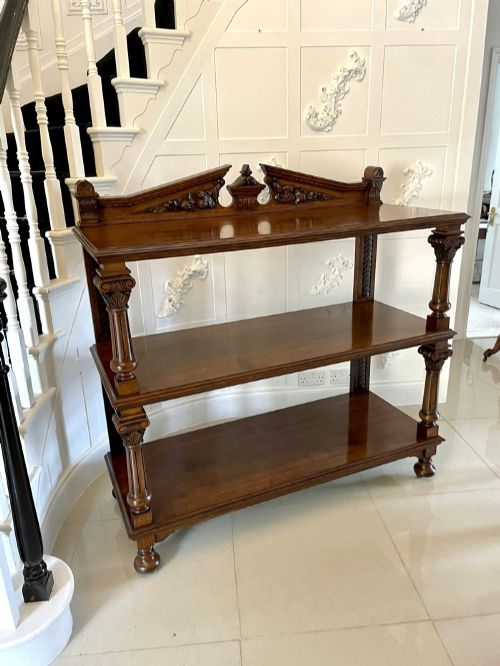
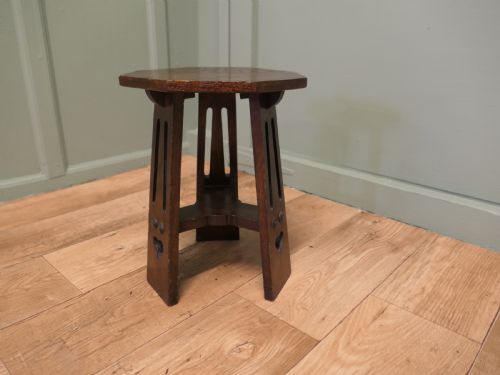
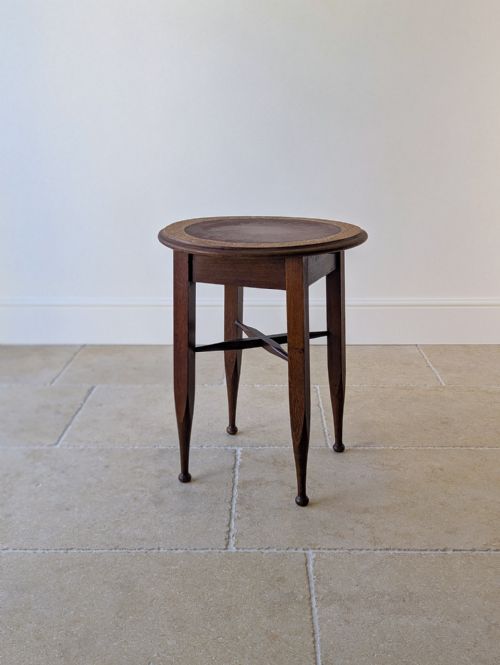
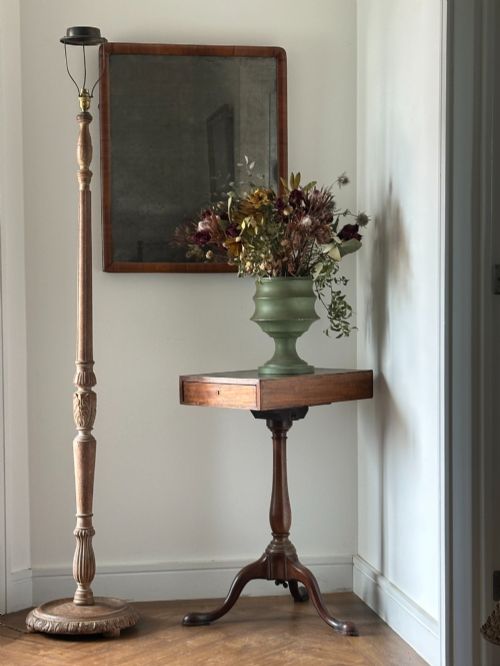
Vintage Oak Stand
A vintage oak stand brings grounded British utility and sturdy timber grain into a room, spanning Edwardian hall furniture to simple display pieces.
Vintage Oak Stand
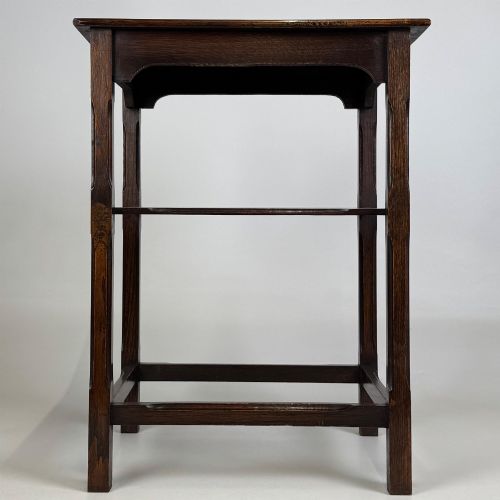
A vintage oak stand encompasses a diverse group of practical domestic furnishings designed for holding items such as umbrellas, books, plants, and serving trays. These objects serve specific household functions while displaying the robust character of hardwood construction. Buyers searching this phrase encounter practical items that organised hallways and living spaces in past decades.
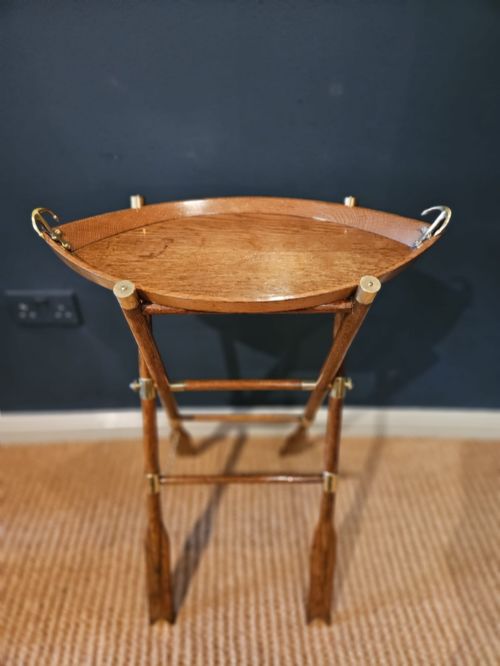
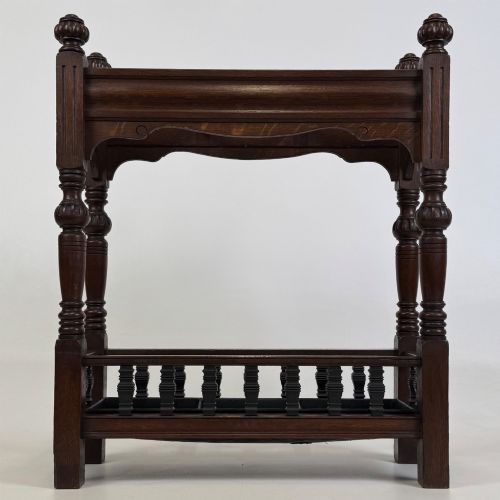
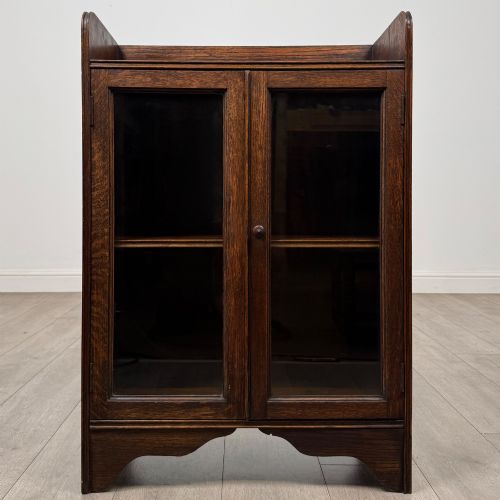
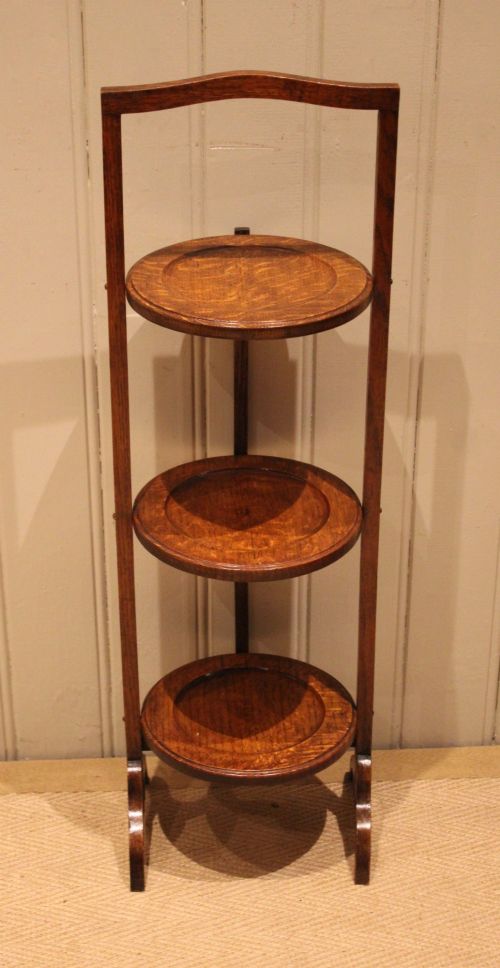
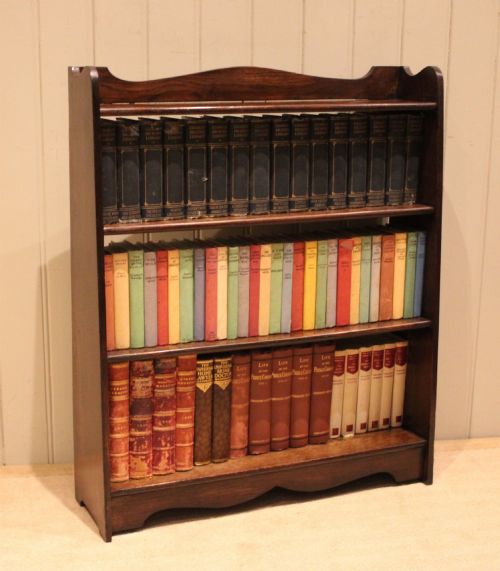
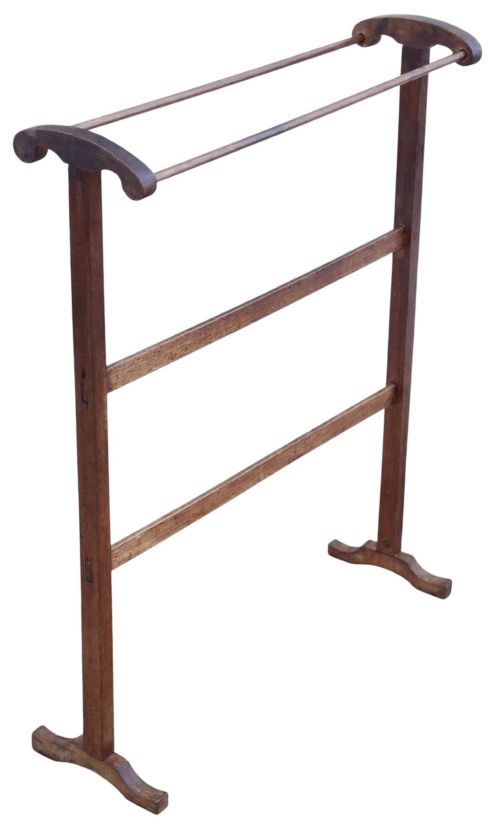
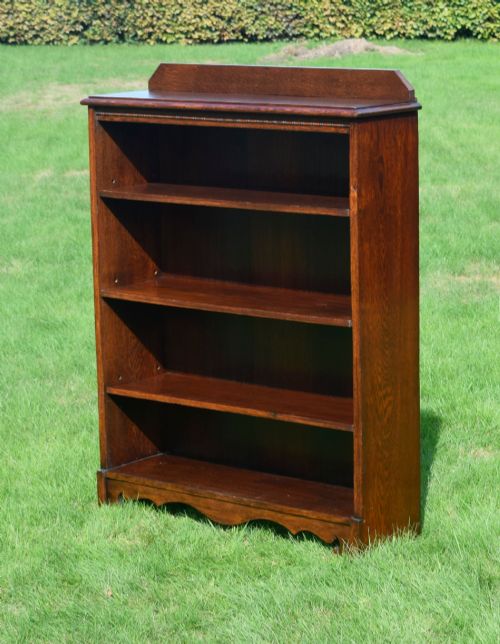
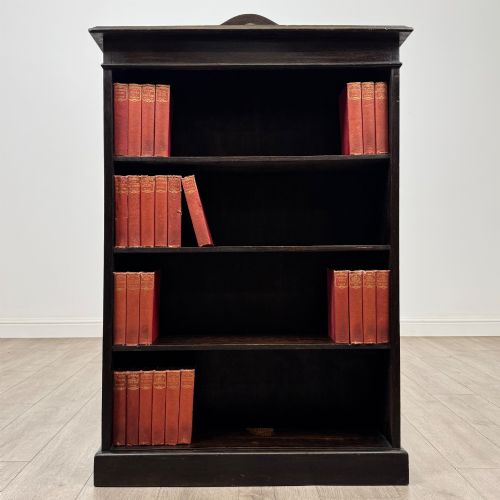
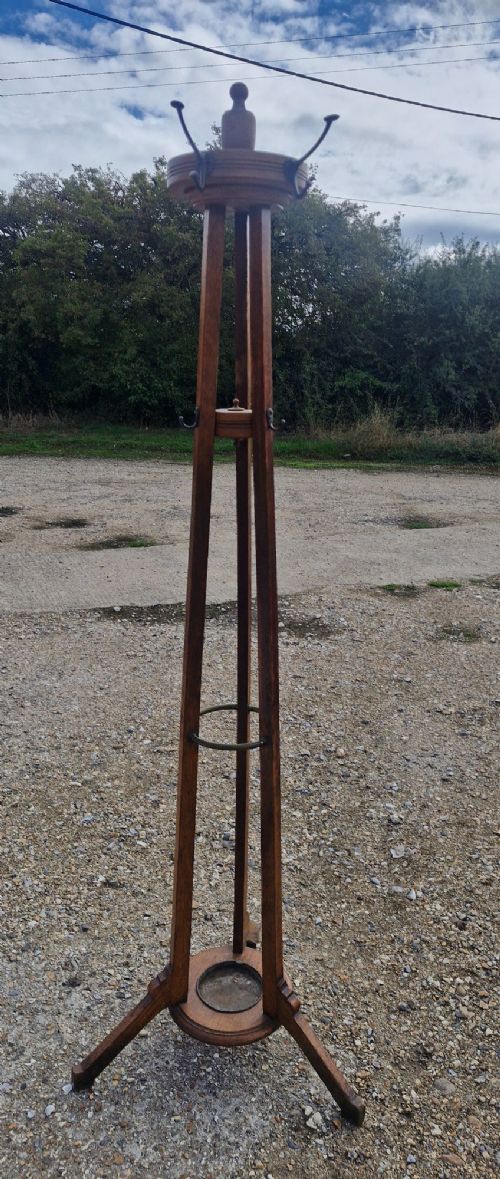
The selection on this page leans heavily towards Edwardian and early twentieth-century examples, alongside nineteenth-century pieces and occasional Georgian items. Common forms include umbrella and stick stands, plant tables, bookcases, hall stands, and cake stands. Oak dominates the material record, often paired with brass or metal components for utility.
Origins stretch from domestic British workshops to specialised retailers, capturing the shift from ornate Victorian tastes to cleaner Arts and Crafts or Interwar designs. Whether utilitarian luggage stands or refined music cabinets, these objects remain functional additions to contemporary interiors. Their survival demonstrates the enduring strength of solid timber.
How they were made
Makers utilised solid oak as the primary structural timber, chosen for its durability, pronounced grain, and resistance to heavy daily use. Workshops frequently combined this primary wood with secondary timbers such as mahogany or walnut, while incorporating brass and cast iron fittings for hooks, rails, and drip pans.
Construction techniques relied on traditional joinery methods suited to load-bearing items like hall stands and revolving bookcases. Surface finishes ranged from polished dark wax to limed treatments and wood inlay, depending on the prevailing style of the period, from Aesthetic Movement to Arts and Crafts.
Several umbrella stands include original brass drip pans, proving that previous owners were just as worried about wet floors as we are.
What varies in quality
Quality in these pieces rests upon the integrity of the timber selection and the precision of the joinery rather than surface embellishment alone. Higher-grade examples display thoughtful grain matching and robust structural framing that withstands decades of weight and movement. Lesser pieces rely on thin veneers or simpler construction methods that show strain over time.
The integration of secondary materials such as brass drip pans, metal hooks, or glass panels defines the distinction between standard utility items and finer workshop productions. Better examples retain their original hardware and functional stability, whereas inferior items often suffer from replaced components or weakened joints.
GM Elwood for JS Henry·Richard Corless of Stockport·Lee of Great Marlow·Astrola
The Vintage Oak Stand Glossary
- Arts and Crafts
- A design movement emphasising handcraftsmanship, simple forms, and local materials. It emerged in the late nineteenth century as a reaction against mass production.
- Hall Stand
- A piece of furniture placed near an entrance for hanging coats, storing hats, and holding walking sticks or umbrellas. These often incorporate mirrors and glove boxes.
- Dumbwaiter
- A multi-tiered stand or revolving table used for serving food or displaying items without needing a servant present. These typically feature graduated circular shelves.
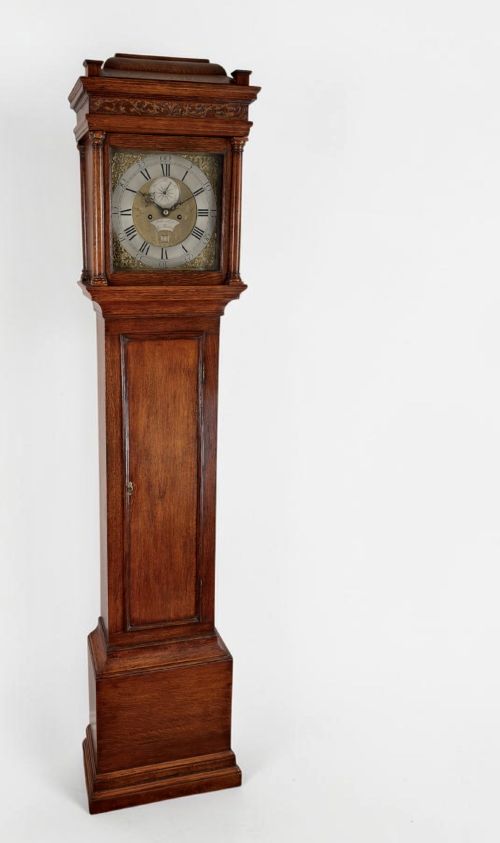
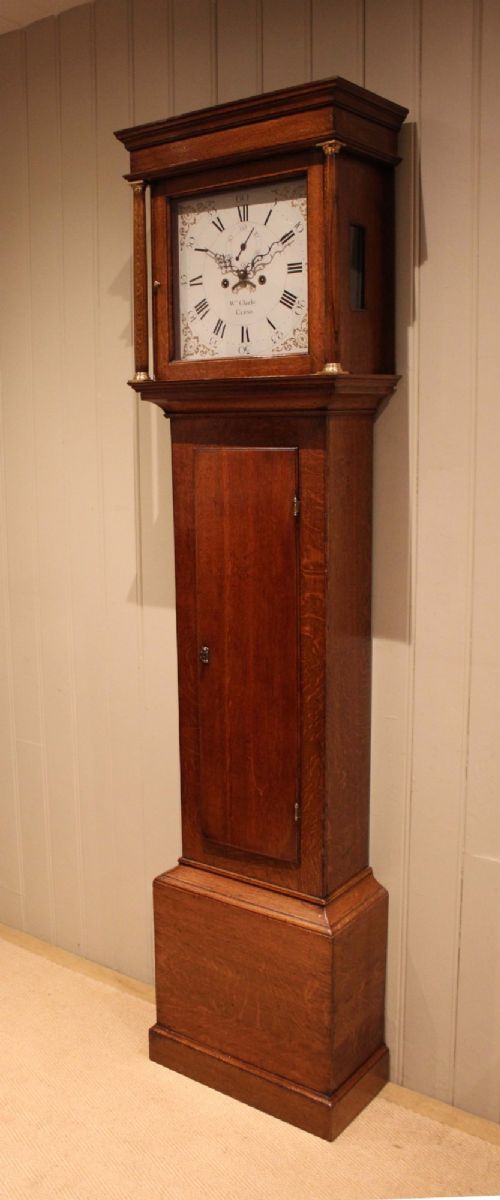
- Longcase Clock
- A tall pendulum clock enclosed in a wooden case, often standing over six feet high. The evidence records examples featuring brass dials and oak construction.
Vintage Oak Stand: Frequently Asked Questions
How do I date an oak plant stand?
Dating relies on examining the timber preparation, joinery methods, and stylistic cues present in the design. Edwardian and Arts and Crafts examples often show simpler lines and exposed construction.
Nineteenth-century versions tend to feature heavier carving or darker polished finishes. Comparing the hardware and general proportions helps place the piece within a specific era.
Are revolving bookcases practical for modern rooms?
Revolving bookcases provide efficient book storage while occupying a relatively small floor footprint. Their rotating mechanism allows easy access to volumes from any seating position.
Solid oak construction ensures these stands remain stable even when fully loaded with heavy books. They fit well beside armchairs or in corners where standard shelving is impractical.
What distinguishes Arts and Crafts oak furniture?
Arts and Crafts pieces emphasise visible construction methods, honest materials, and functional simplicity over excessive ornamentation. Makers prioritized the natural grain of oak and often used pegged joints.
This aesthetic rejected mass-produced factory decoration in favour of traditional craftsmanship. The resulting items possess a sturdy, understated character that suits varied interior styles.