

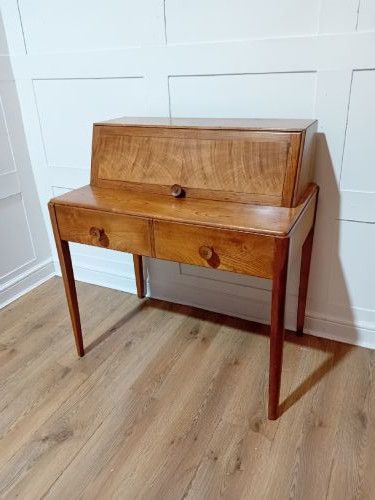
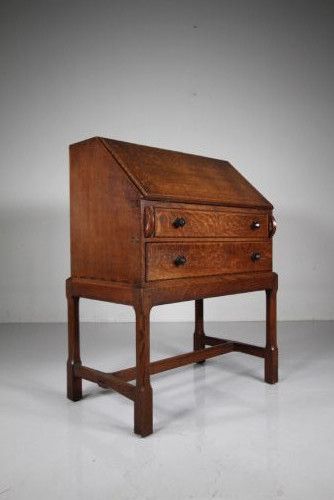


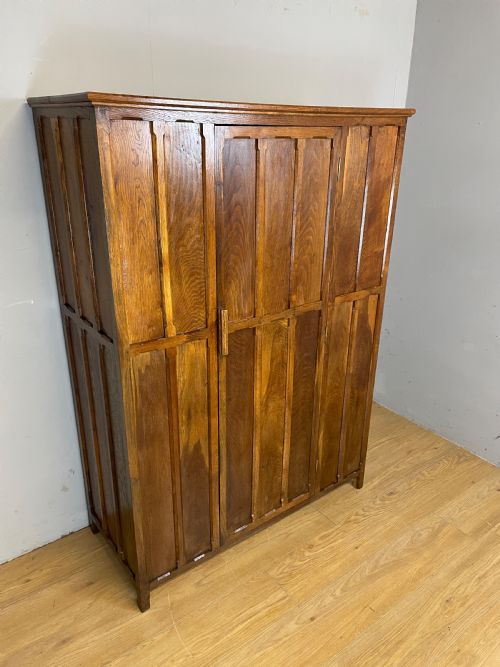
Vintage Oak School Cabinet
These vintage oak school cabinet pieces bring solid institutional utility and workshop craft into modern rooms.
Vintage Oak School Cabinet
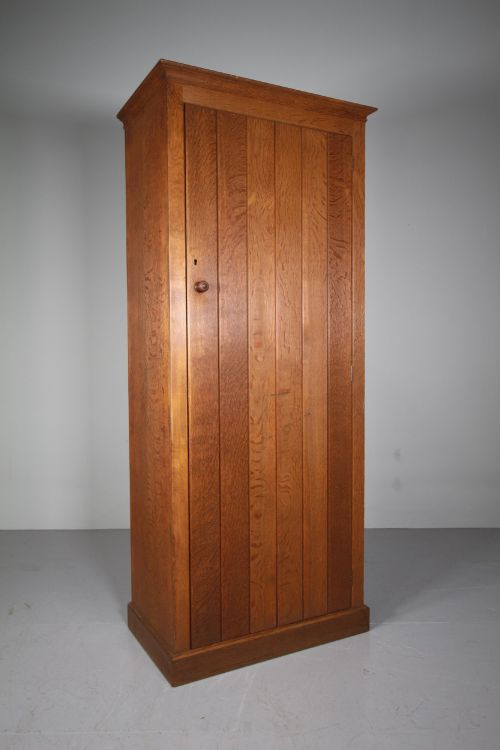
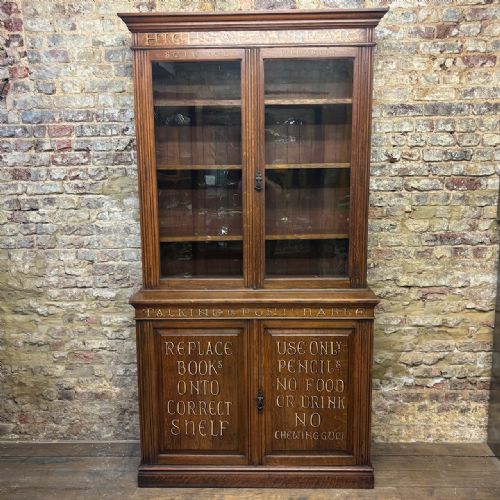
When you search for a vintage oak school cabinet, you enter a field populated by sturdy institutional bookcases, library storage units, and writing desks originating from the early decades of the twentieth century. These items were built to withstand rigorous daily use in classrooms and study halls, employing honest construction methods that emphasise durability.
The pieces most frequently encountered under this heading date from the 1920s and 1930s, often bearing the strong influence of the Cotswold School and Arts and Crafts design principles. They range from tall library book cabinets to smaller cupboards and writing bureaux, predominantly fashioned from English oak.
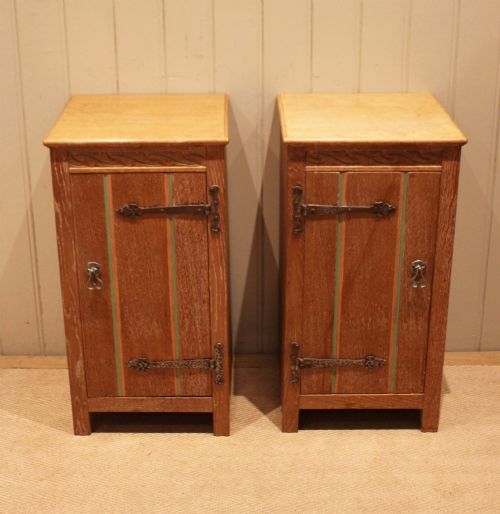
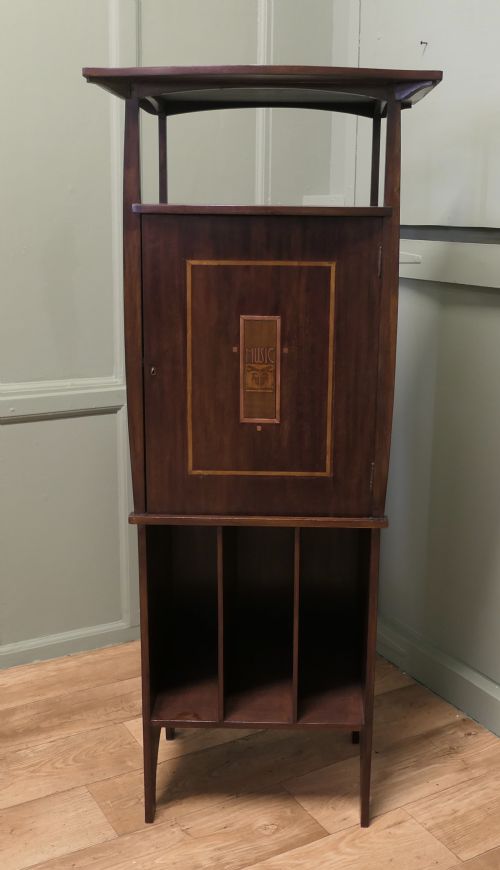
While traditional school furniture forms the core of this category, related items such as bedside cabinets, music cabinets, and dressers occasionally appear. These share the same robust timber construction and straightforward architectural lines characteristic of institutional and workshop production from the period.
Materials and construction methods
Construction relies heavily on solid oak, frequently specified as English oak, chosen for its strength and resilience under heavy use. Workshops utilised traditional joinery techniques to frame these large storage units, ensuring structural stability without relying on metal fasteners.
Metal fittings such as brass and iron appear on handles, hinges, and lock escutcheons, adding functional contrast to the warm grain of the wood. Selected pieces incorporate glass panels for bookcase doors or subtle wood inlay details to break up expansive timber surfaces.
Vintage Oak School Cabinet Retail Price Guide 2026
Typical asking prices for vintage oak school cabinet among the pieces listed under this phrase on Sellingantiques today, from the lower quarter to the upper quarter. They describe what is for sale here now, not the wider market.
Design styles span Arts and Crafts, Edwardian, and Cotswold School aesthetics, alongside institutional pieces from the 1920s.
Assessing quality in institutional oak
Quality in these pieces is determined by the integrity of the timber selection and the precision of the joinery rather than surface ornamentation. Pieces originating from named workshops or prominent designer-makers exhibit superior hand-finished detailing, such as pegged mortise and tenon joints and carefully matched grain patterns.
The balance between utilitarian purpose and refined proportion separates standard institutional surplus from exceptional cabinet work. Heavier, unadorned school cupboards serve storage functions reliably, while items bearing workshop stamps or distinct movement characteristics demonstrate a higher level of artistic ambition.
GM Elwood for JS Henry·Arthur Basil Reynolds·Peter Waals·Stanley Webb Davies·Heals of London·Robert Mouseman Thompson
The Vintage Oak School Cabinet Glossary
- Cotswold School
- A twentieth-century design movement focused on honest construction, traditional hand-working tools, and respect for the natural qualities of solid timber. This style heavily influences many educational and domestic cabinets from the interwar period.
- Arts and Crafts
- A design philosophy championing traditional craftsmanship and vernacular forms over mass production. Pieces from this movement often display visible construction details like exposed joints and hand-beaten metalwork.
- Mortise and tenon
- A fundamental woodworking joint where a projecting tongue fits snugly into a corresponding cavity, providing exceptional strength to cabinet frames and doors. This technique underpins the longevity of early twentieth-century oak furniture.
- Limed oak
- A wood finish treatment where a white pigment is rubbed into the open grain of oak to lighten its appearance. This technique gained popularity during the interwar decades for domestic and institutional interiors.
Vintage Oak School Cabinet: Frequently Asked Questions
What defines a school cabinet?
A school cabinet is a sturdy storage unit built for educational environments, typically constructed from solid oak to endure heavy daily handling. These pieces prioritise functional shelving and secure doors over delicate ornamentation.
They often include tall library bookcases, supply cupboards, and writing bureaux designed for institutional longevity rather than transient domestic fashions.
How do I date these oak cabinets?
Dating relies on examining construction techniques, hardware materials, and stylistic influences present in the piece. Items from the early twentieth century frequently exhibit Arts and Crafts or Cotswold School characteristics.
Documentation such as original stamps, maker signatures, or receipts can also help confirm the exact decade of manufacture, commonly spanning from the 1900s through the 1940s.
Where were these pieces used originally?
These cabinets served primarily in school libraries, classrooms, and administrative offices where durable storage for books and stationery was essential. Their robust build quality made them suitable for continuous institutional operations.
Over time, many of these utilitarian pieces transitioned into domestic settings, where their honest proportions suit modern home offices and living spaces.
How should I care for vintage oak?
Maintaining vintage oak involves keeping the timber away from direct heat sources and sudden humidity changes to prevent warping. Regular dusting with a soft cloth preserves the natural finish without building up heavy chemical residues.
Occasional application of appropriate wax feeds the wood and maintains the lustre of the grain on heavily used surfaces.