


Vintage Oak Reading Stand
A vintage oak reading stand brings solid timber character and adjustable utility to any study, library or sitting room.
Vintage Oak Reading Stand
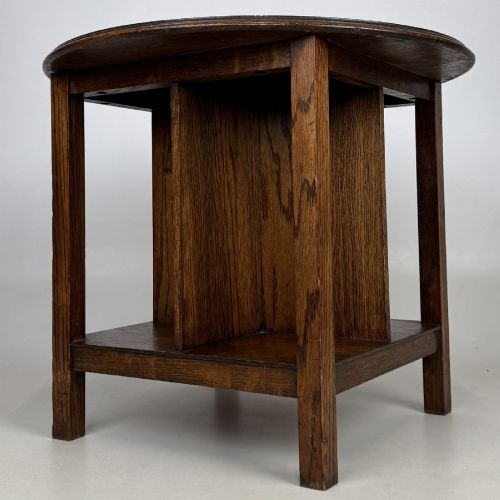
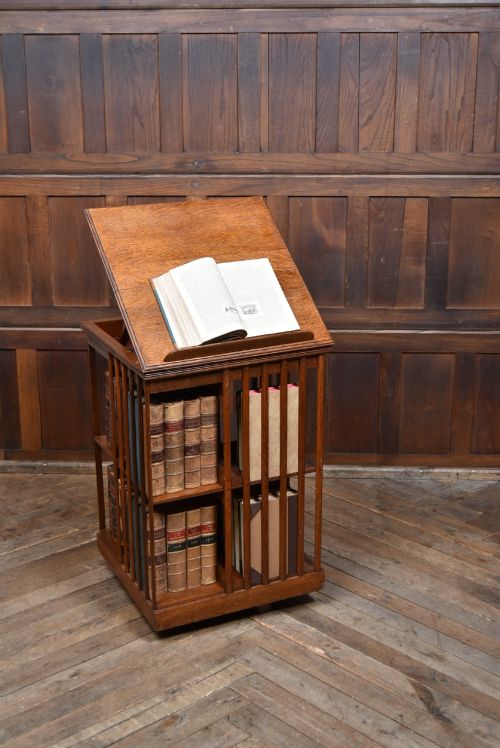
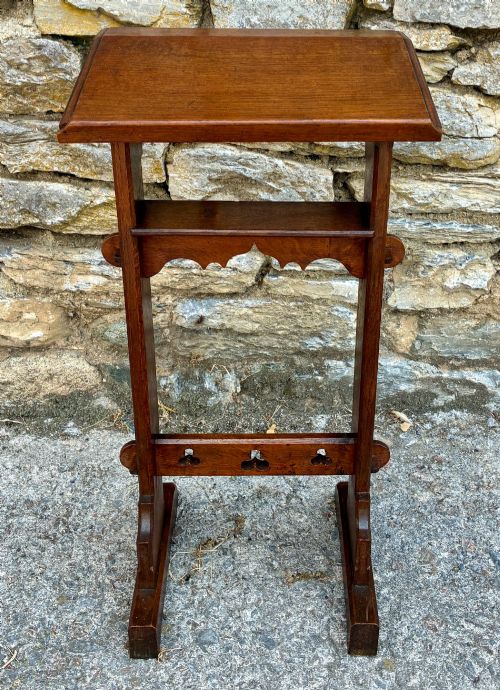
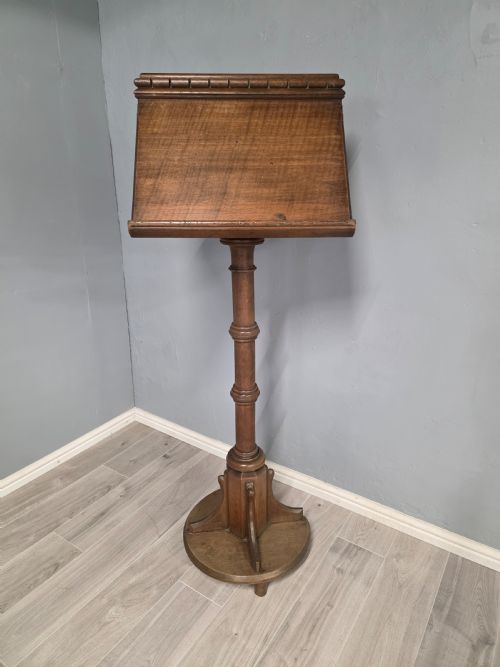
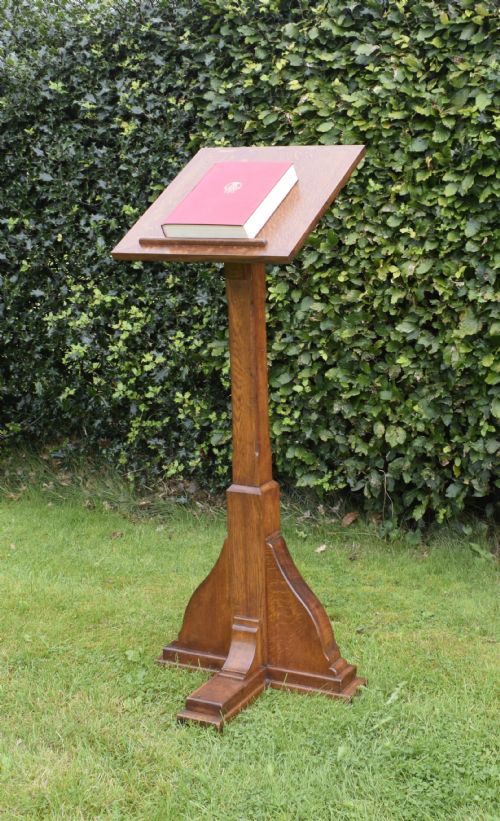
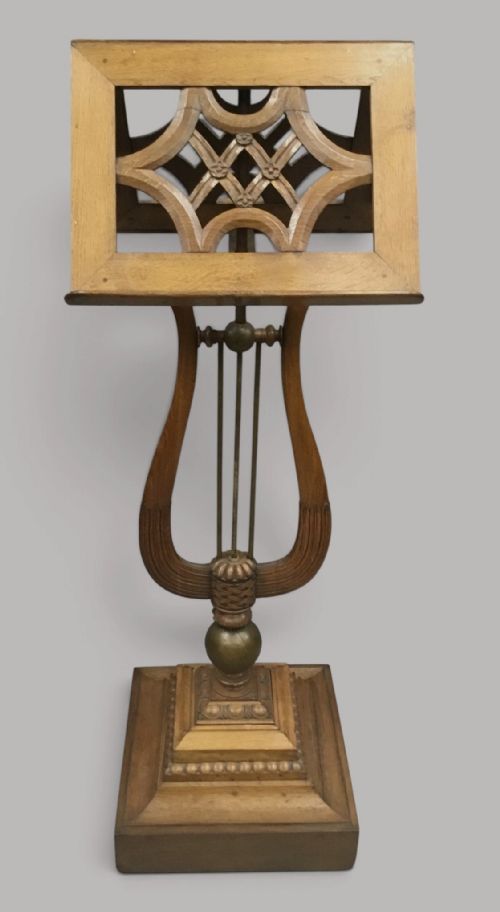
A vintage oak reading stand combines sturdy utilitarian design with periods spanning the Victorian era through the Interwar years. Buyers searching this phrase encounter floor-standing lecterns, adjustable tables, music stands and desktop book rests.
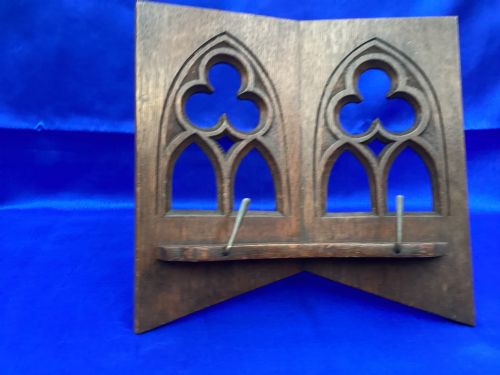
The selections available here lean heavily towards Edwardian and early twentieth-century pieces, alongside nineteenth-century Gothic Revival examples and church furniture. Solid oak dominates the construction, frequently paired with brass or cast iron fittings.
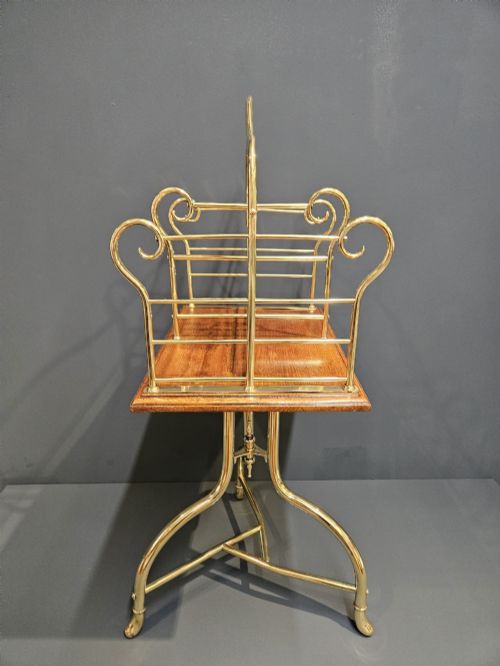
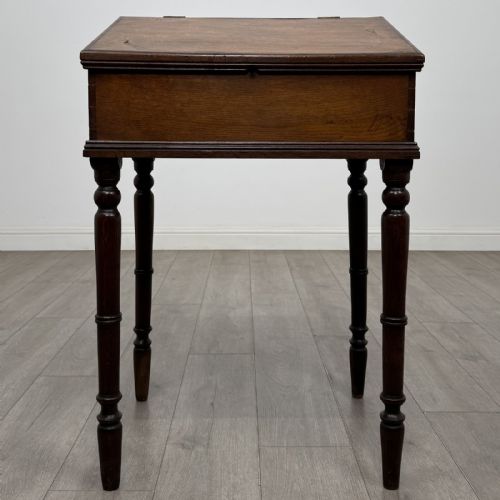
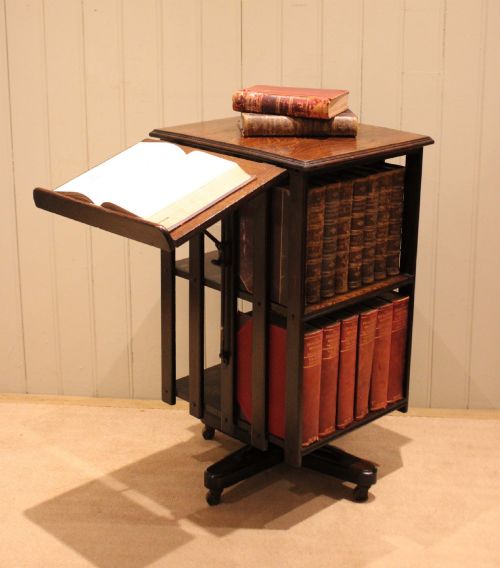
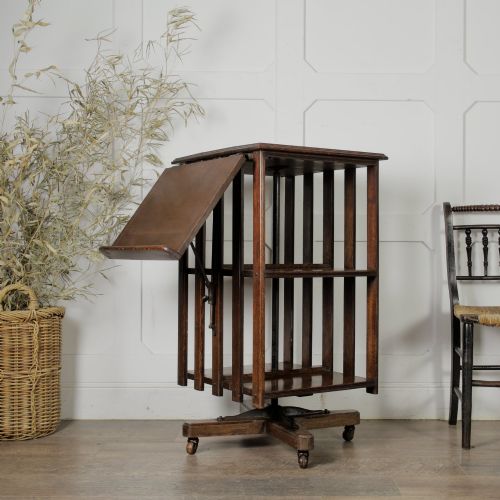
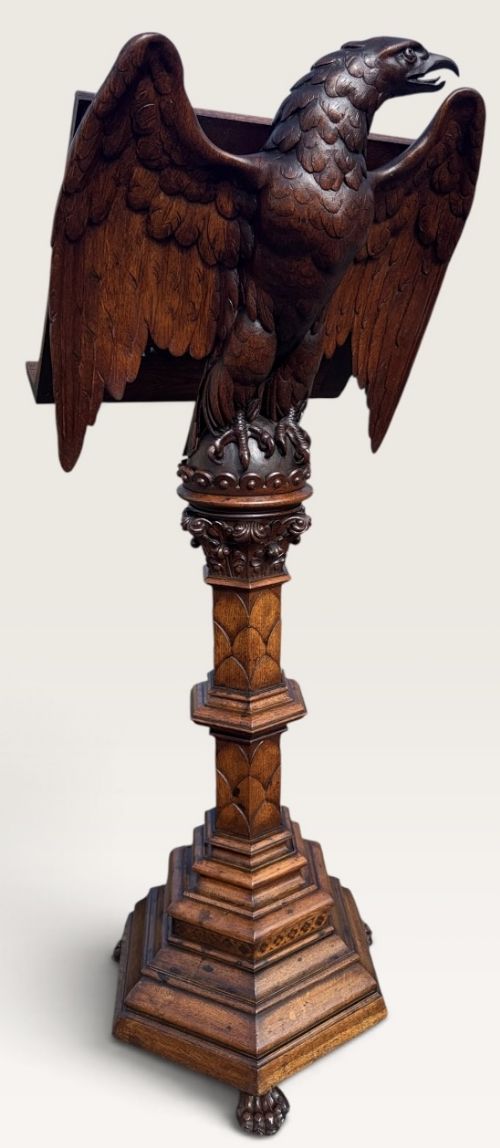
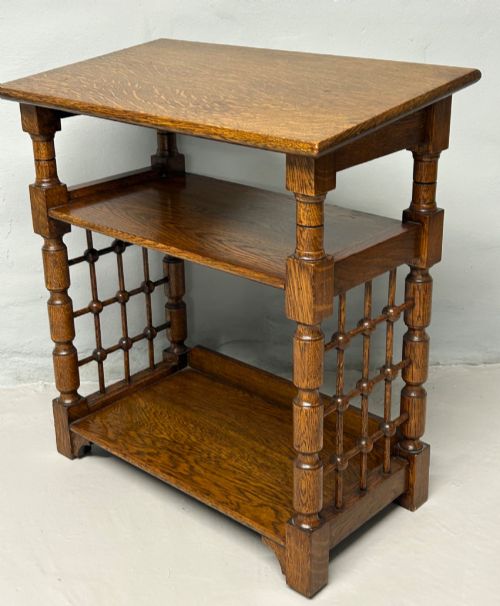
Forms range from simple slope-shelf bookcases to metamorphic magazine racks and complex church lecterns carved with eagles. Each piece serves the practical purpose of holding books, music or papers at a convenient angle for the reader.
How they were made
Makers utilised solid oak as the primary timber, sometimes quarter-sawn to reveal rich medullary rays, and occasionally combined it with pine, mahogany or satinwood. Joinery relied on traditional methods suited to heavy daily use in homes, schools and churches.
Metalwork plays a crucial supporting role, with brass brackets, hinges and adjustable mechanisms providing both function and decorative contrast. Cast iron appears on heavy floor bases to ensure stability when the stands are adjusted to extended heights.
Vintage Oak Reading Stand Retail Price Guide 2026
Typical asking prices for vintage oak reading stand among the pieces listed under this phrase on Sellingantiques today, from the lower quarter to the upper quarter. They describe what is for sale here now, not the wider market.
What varies in quality
The distinction between standard utility items and superior examples lies in the depth of hand-carving and the sophistication of the adjustable mechanisms. Pieces featuring figural carving, such as eagles or Gothic tracery, require a higher level of craftsmanship than plain functional stands.
The choice of secondary timbers and the retention of original brass or cast-iron hardware affect the overall integrity of the piece. Superior examples maintain smooth articulation in their folding or pivoting joints without relying on modern replacement parts.
Carters Of London·Whytock And Reid
The Vintage Oak Reading Stand Glossary
- Lectern
- A tall stand with a slanted top designed to hold a book or notes for a standing reader. These often appear in ecclesiastical or institutional contexts.
- Arts and Crafts
- A design movement prioritising traditional craftsmanship, visible construction and simple forms. Pieces in this style reject mass production in favour of honest materials.
- Gothic Revival
- An architectural and decorative style drawing inspiration from medieval forms. You will spot pointed arches, tracery and heavy carved details.
- Metamorphic
- Describing a piece of furniture designed to transform into another form, such as a magazine rack converting into a reading table. This clever engineering maximises domestic utility.
- Quarter-sawn oak
- Timber cut radially through the growth rings rather than tangentially. This method produces a distinctive flake pattern across the grain.
Vintage Oak Reading Stand: Frequently Asked Questions
How do I adjust a reading stand?
Most stands utilise a system of brass thumbscrews, ratchets or cast-iron friction levers to alter the height and angle of the reading surface.
Take care to support the weight of the reading shelf with one hand while releasing the mechanism with the other to prevent sudden dropping.
Where should I place a floor lectern?
These tall pieces suit studies, libraries, or corners of living rooms where they can function as display points for open art books or family bibles.
Ensure the floor base, particularly heavy cast-iron versions, sits on a level surface to maintain absolute stability.
How do I date an oak stand?
Examine the construction methods, secondary timbers, and the style of any brass or iron hardware attached to the frame.
Victorian and Gothic Revival pieces display heavier carved ornamentation, whereas Edwardian and 1920s examples often favour cleaner Arts and Crafts lines.
Can these hold heavy books?
Solid oak construction and substantial timber ledges allow most reading stands to support large reference volumes and heavy folios with ease.
Check that the supporting brackets and hinges remain tight and secure before resting very heavy volumes upon the slope.