



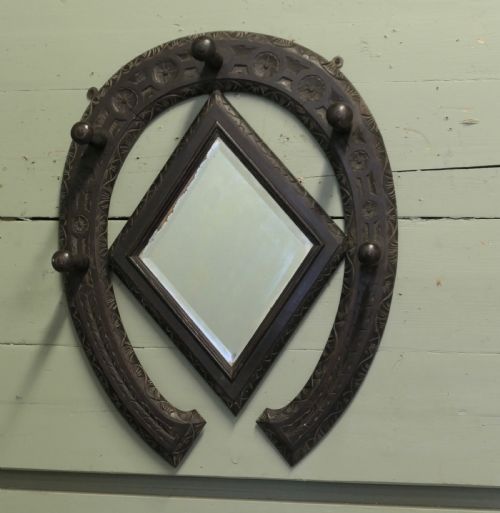

Vintage Oak Hanging Rack
A vintage oak hanging rack organises domestic life with sturdy joinery and rich timber grain.
Vintage Oak Hanging Rack
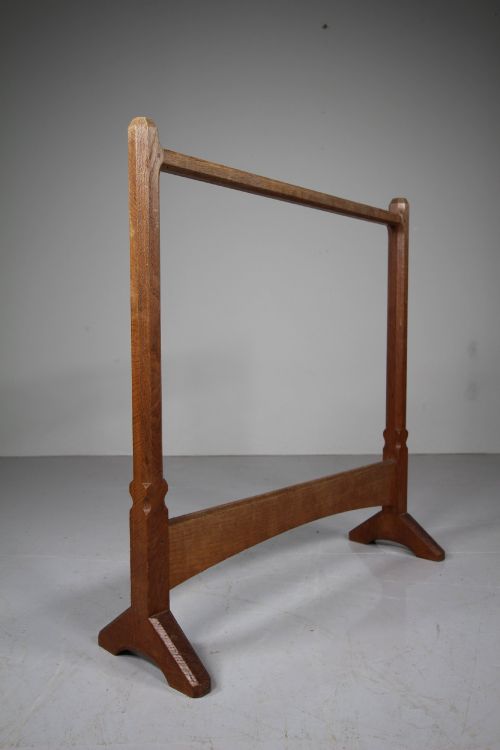
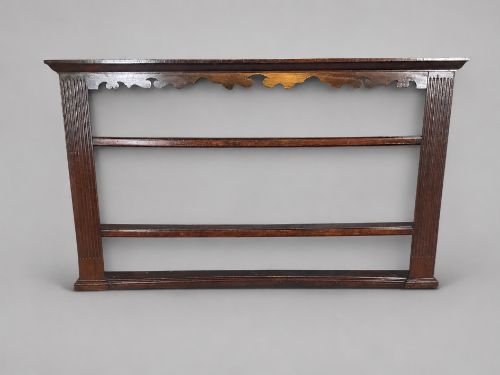
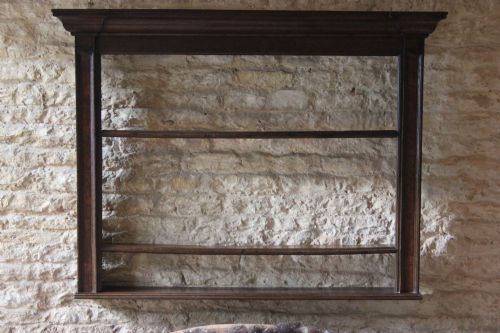
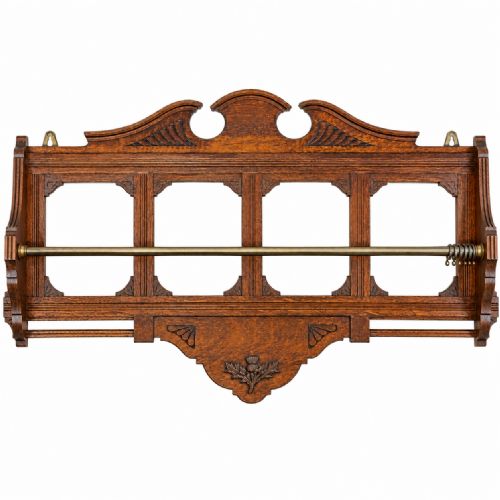
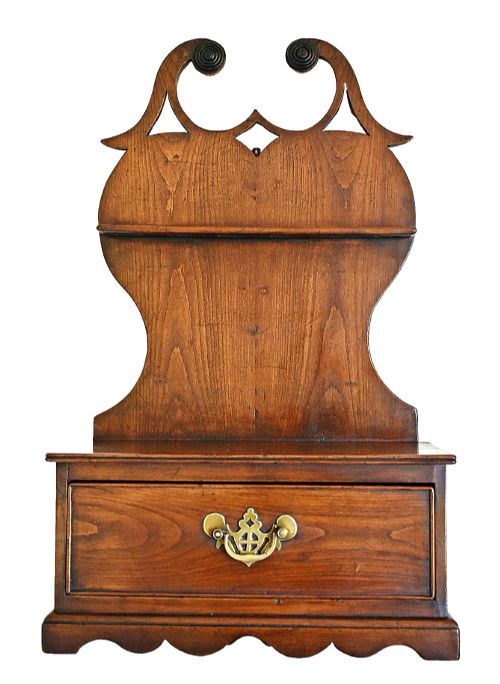
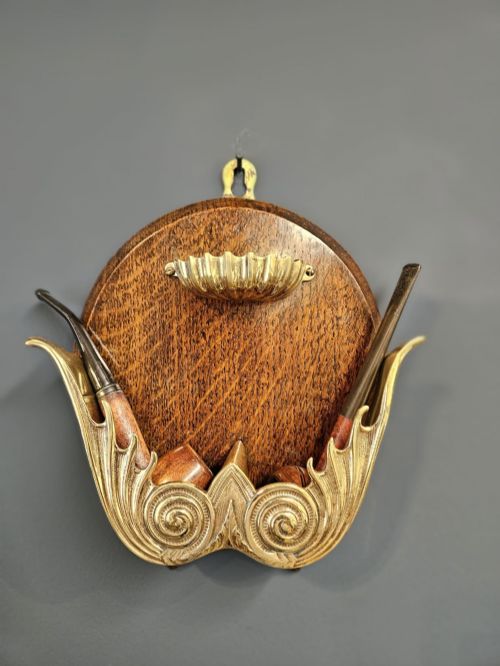
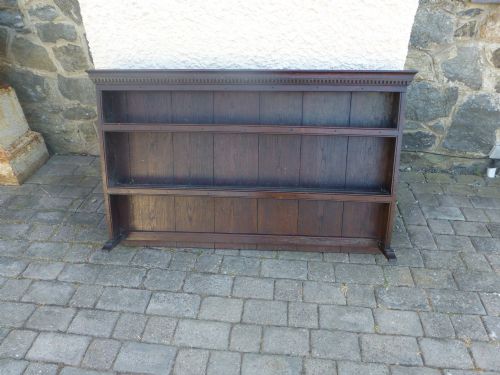
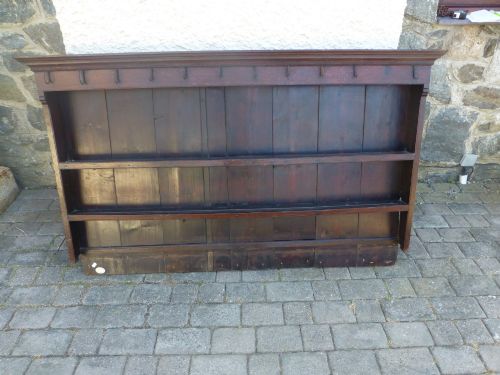
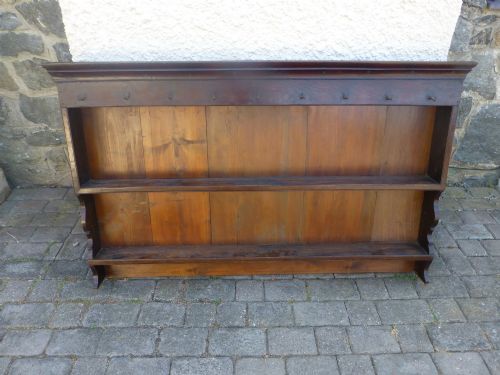
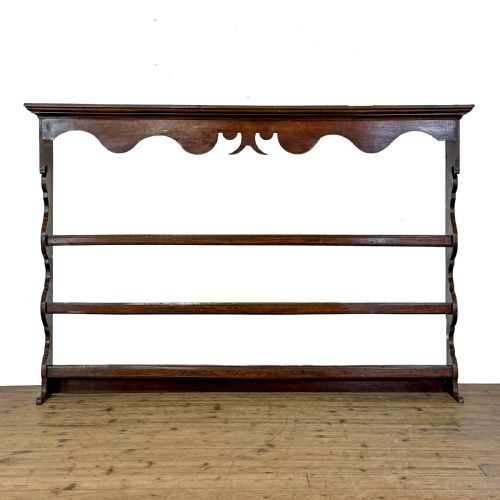
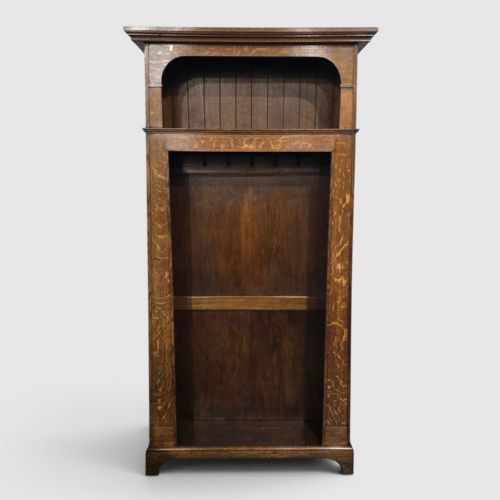
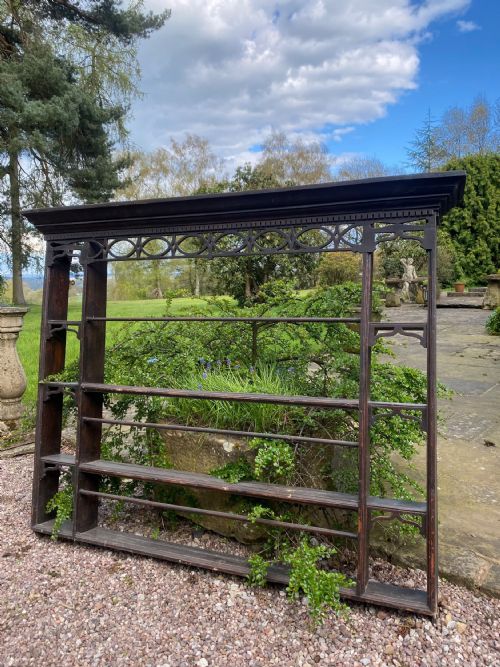
When you search for a vintage oak hanging rack, you encounter a range of wall-mounted storage forms including plate racks, spoon racks, pipe racks, and general wall shelves. The majority of pieces on this page originate from the eighteenth and nineteenth centuries, spanning Georgian, Victorian, and Arts and Crafts styles.
Kitchen and dining pieces predominate, particularly delft plate racks and spoon racks designed to display pewter and earthenware against timber panels. Simpler wall shelves and hall robes also appear, reflecting domestic requirements from country kitchens to entrance halls.
How they were made
Makers utilised solid timber, primarily oak, alongside supporting structural elements in brass and iron for hooks, bars, and fixings. Construction relied on traditional joinery methods appropriate for wall-mounted furniture that needed to bear the weight of ceramics or metalware.
Surface treatments developed naturally through handling and environmental exposure, leaving visible grain patterns and deep patination across the wood. Secondary materials such as glass appear occasionally in mirrored mirror-backed coat and tack racks.
Vintage Oak Hanging Rack Retail Price Guide 2026
Typical asking prices for vintage oak hanging rack among the pieces listed under this phrase on Sellingantiques today, from the lower quarter to the upper quarter. They describe what is for sale here now, not the wider market.
Several racks arrive equipped with built-in horseshoes, combining equestrian utility directly with hallway coat and tack storage.
What varies in quality
Quality rests upon the integrity of the timber selection and the retention of original structural components like hanging brackets and plate bars. Pieces displaying thoughtful proportions and harmonious integration of iron or brass hardware stand apart from utilitarian alternatives.
The depth of patination and the survival of early surface finishes dictate the visual appeal of an individual rack. Honest domestic wear enhances character, whereas unsympathetic alterations or replaced timber diminish the integrity of the piece.
The Vintage Oak Hanging Rack Glossary
- Delft rack
- A wall-mounted wooden shelving unit specifically designed with narrow ledges and front retaining rails to display ceramic plates upright.
- Trefid spoon
- An early form of dining spoon with a broad, three-lobed terminal handle, frequently associated with antique spoon racks.
- Patination
- The surface sheen and colour depth developed on timber over decades through light, handling, and wax application.
- Gothic Revival
- A nineteenth-century architectural and decorative style incorporating pointed arches, heavy mouldings, and medieval motifs into functional wooden furnishings.
Vintage Oak Hanging Rack: Frequently Asked Questions
How do I hang a heavy oak rack safely?
Secure the piece directly into wall studs or utilise appropriate heavy-duty masonry fixings matched to the weight of the timber and its intended load.
Ensure the mounting brackets or pre-drilled hanging points on the rear of the rack are fully stable before placing any objects on the shelves.
Were all plate racks made for kitchens?
While the majority served domestic food preparation and dining areas for storing earthenware, similar hanging shelves functioned in hallways and living rooms.
Items like spoon racks and pipe racks fulfilled specific social habits in communal spaces rather than solely utilitarian kitchen duties.
How should I clean antique oak timber?
Dust the surface regularly with a soft, dry cloth and apply a quality beeswax sparingly to nourish the dry wood without building up a sticky residue.
Avoid liquid cleaners, silicone polishes, and excessive water, which can damage historic finishes and lift the grain of the oak.
Can I date a rack by its brass hardware?
Hand-forged iron hooks and early cast brass fittings generally indicate eighteenth-century or earlier origins, whereas machine-stamped brass points towards the Victorian era.
Hardware can be replaced over time, so assess the screw types and fixing recesses alongside the construction of the oak frame itself.