

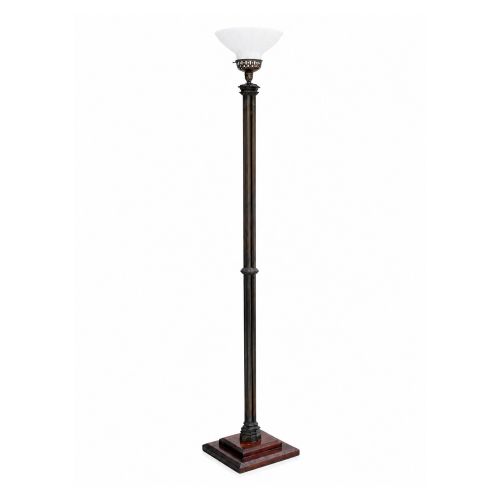
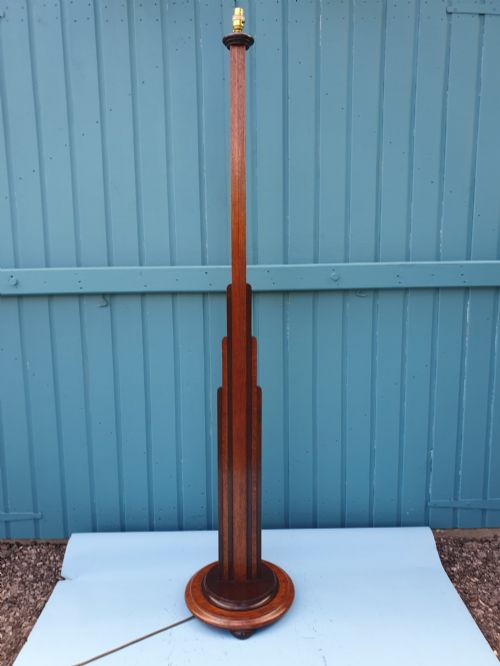
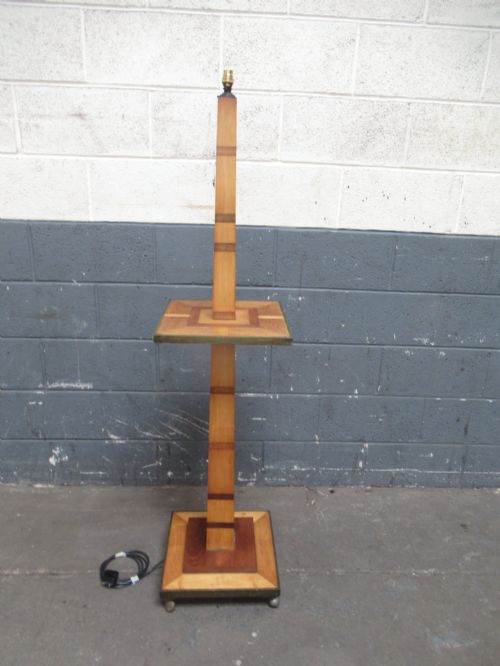


Vintage Oak Floor Light
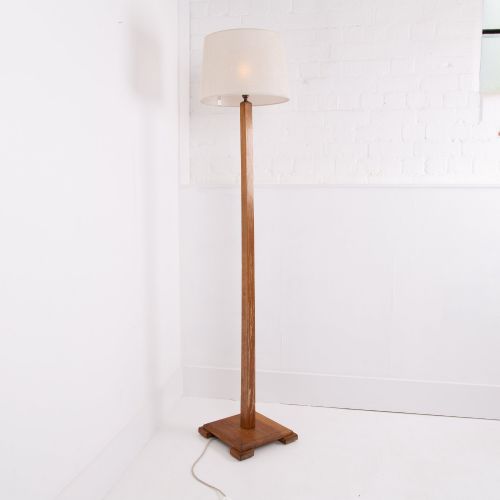
A vintage oak floor light brings warm height and architectural grain to a corner, grounding a room with solid timber character.
Vintage Oak Floor Light
The selections most commonly met on this page include standard lamps from the nineteen twenties and thirties alongside Arts and Crafts interpretations. Sturdy timber construction defines the group, occasionally paired with contrasting elements such as ebony or brass.
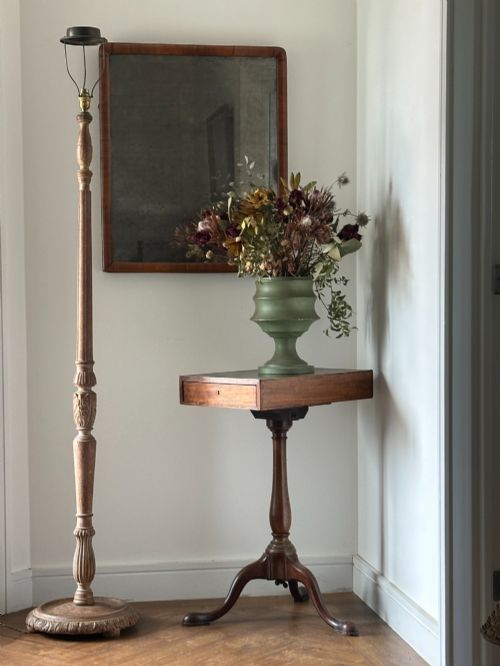
Buyers also encounter related forms in the listings such as longcase clocks, standard lamp bases, and occasional mirrors sharing period oak construction. Each object reflects the prevailing interior tastes of its specific decade, from heavy carved motifs to geometric stepped silhouettes.
Materials and construction methods
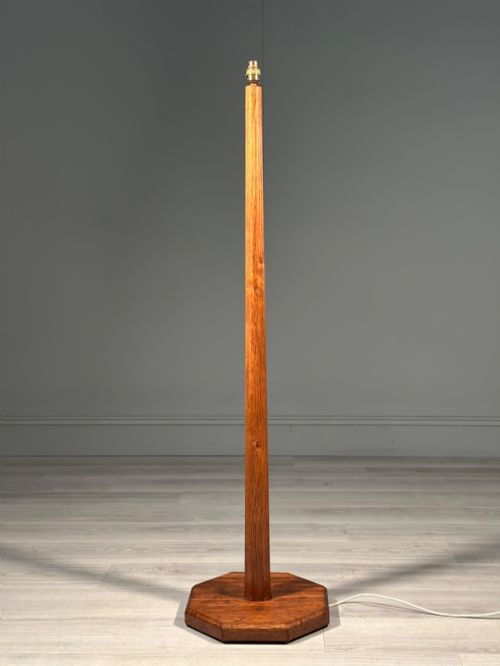
Timbers are selected for grain pattern and density, utilising solid oak or golden oak alongside decorative veneers and contrasting details like ebony. Woodworkers shape the uprights and bases through turning, carving, and joining techniques suited to supporting vertical height.
Metal components in brass and other metals integrate into the design for switch fittings, collars, or weighted base plates to ensure stability. Surface finishes range from natural waxed polish to limed treatments that highlight the open grain of the oak.
Vintage Oak Floor Light Retail Price Guide 2026
Typical asking prices for vintage oak floor light among the pieces listed under this phrase on Sellingantiques today, from the lower quarter to the upper quarter. They describe what is for sale here now, not the wider market.
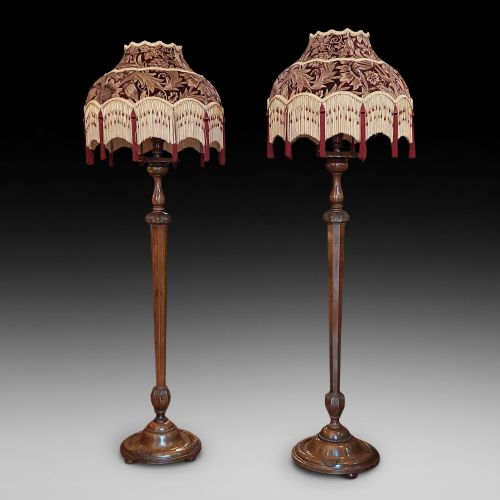
One stubborn standard lamp insisted on wearing its original nineteen thirties fringe long after everyone else moved on to drum shades.
Factors distinguishing quality
The integrity of the timber selection and the depth of hand-carving set finer examples apart from simpler turned standards. Well-proportioned columns with crisp detail and balanced weight distribution demonstrate superior craftsmanship.
Makers known for specific regional styles, such as the Cotswold School or established cabinet firms, exhibit distinct joinery precision and thoughtful material contrast that elevates the piece above standard commercial production.
Arthur Reynolds·Whytock and Reid
The Vintage Oak Floor Light Glossary
- Standard Lamp
- A tall freestanding floor lamp designed to hold an electric bulb and shade. These fixtures provide ambient illumination without requiring table surfaces.
- Arts and Crafts
- A design movement prioritising traditional craftsmanship and simple forms. Pieces often display honest construction and hand-finished oak timber.
- Art Deco
- A style originating in the early twentieth century featuring geometric shapes and stylised motifs. Standards from this era utilise stepped designs and contrasting woods.
- Gothic Revival
- An architectural style applied to furnishings through pointed arches, heavy mouldings, and medieval ornamentation. These items showcase dark oak and robust carving.
Vintage Oak Floor Light: Frequently Asked Questions
What is a vintage oak floor light?
A vintage oak floor light is a tall freestanding lamp constructed from oak during the nineteenth or twentieth centuries. These pieces serve as functional vertical lighting while adding substantial timber texture to a room.
They range from unadorned turned wooden columns to carved Arts and Crafts standards and geometric Art Deco designs. Each piece reflects the furniture-making standards of its specific decade.
How do I date an oak standard lamp?
Dating relies on stylistic clues and construction methods visible in the base and column. Arts and Crafts items often show hand-planed surfaces and Cotswold School influence, while Art Deco pieces feature stepped profiles.
Material combinations also offer context, such as pairing golden oak with ebony details. Hardware and wiring channels provide additional physical evidence of the manufacturing era.
How do I care for vintage oak furniture?
Maintain the timber by dusting regularly with a soft cloth and applying appropriate wax polish periodically. Avoid placing wooden standards in direct sunlight or beside intense heat sources to prevent drying.
Protect the finish from moisture by using coasters nearby and checking electrical components periodically for safe operation.