


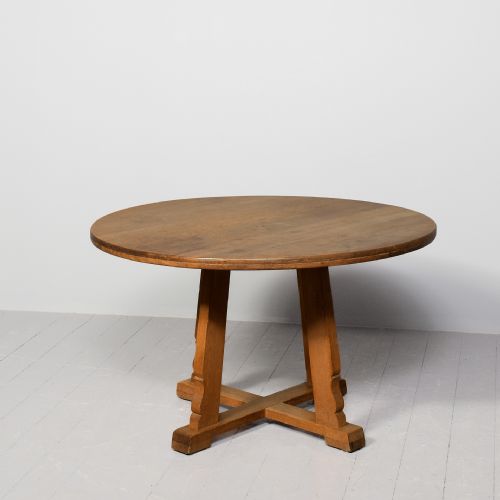


Vintage Oak Centre Table
A vintage oak centre table anchors a room with solid timber character, bringing generous proportions and dependable utility to domestic spaces.
Vintage Oak Centre Table
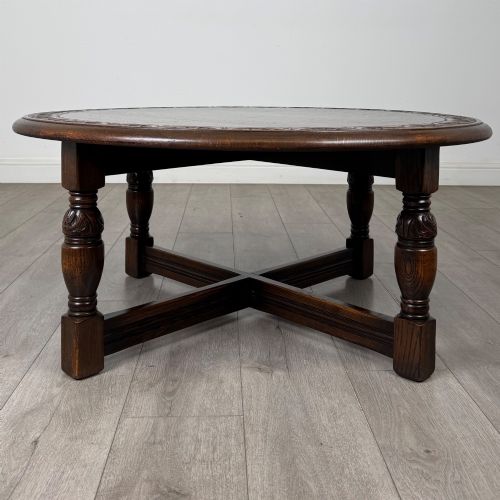
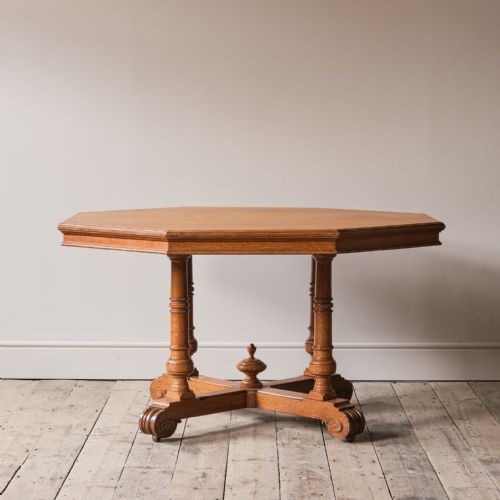
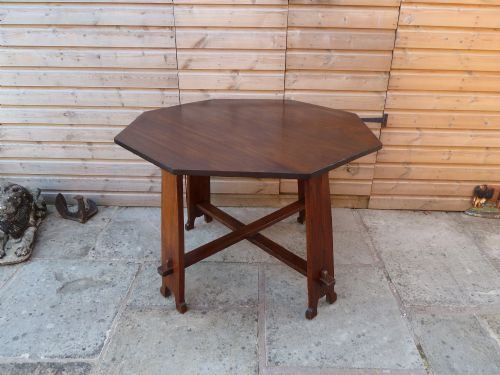
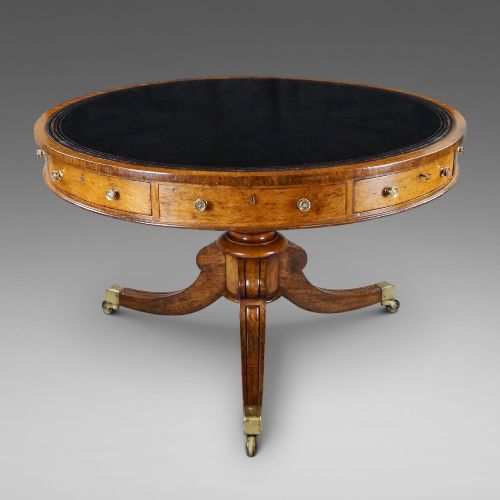
A vintage oak centre table encompasses versatile domestic furniture designed for central placement in a room, drawing on periods from the nineteenth century into the mid-twentieth century. Buyers encounter forms ranging from circular library drums and octagonal surfaces to low coffee tables and extended stretcher designs.
Origins span British workshops alongside French and Dutch makers, offering varied heights from low coffee proportions up to standard library table dimensions. Construction employs robust timbers suited to sustained daily use across different domestic interiors.
Distinguishing quality variations
Superior examples demonstrate exceptional timber selection, such as richly figured burr oak or carefully matched grain patterns across large tabletops. The integration of specialised materials like original Derbyshire fossil marble or finely cast brass mounts elevates specific pieces above standard domestic utility.
Construction rigour distinguishes finer workshops, evident in stable stretcher frames, precise turned leg profiles, and well-executed joinery. The depth of the mellow colour in the timber and the retention of original surface patination contribute significantly to the standing of individual tables.
Listings include nineteenth-century Victorian pieces alongside mid-twentieth-century examples, incorporating materials such as leather, brass, and Derbyshire fossil marble.
Sir Robert Stoddart Lorimer
The Vintage Oak Centre Table Glossary
- Centre table
- A freestanding table designed to be viewed from all sides rather than pushed against a wall. These pieces often serve as focal points in large hallways or principal reception rooms.
- Library drum table
- A circular table featuring a deep frieze containing drawers, traditionally used for storing books and writing materials. These substantial pieces usually stand on a central pillar supported by tripod or pedestal feet.
- Stretcher table
- A table featuring horizontal wooden rails connecting the legs to provide structural reinforcement. This traditional framing method enhances stability while often adding decorative architectural detail.
- Derbyshire fossil marble
- A dark limestone containing ancient crinoid fragments, polished for decorative tabletops. This dense material provides a cool, patterned surface favoured in nineteenth-century design.
- Burr oak
- Timber harvested from tree growths that produce complex, swirling grain patterns. Cabinet makers prized this wood for creating highly decorative veneer surfaces on principal furniture items.
Vintage Oak Centre Table: Frequently Asked Questions
How do I care for a vintage oak table?
Maintain the timber by applying appropriate beeswax polishes periodically to nourish the grain and protect the finish from drying out. Avoid placing solid wood items in direct sunlight or near heat sources to prevent timber movement.
Use coasters and felt pads beneath objects to guard against surface moisture and scratching. Gentle dusting with a soft, dry cloth preserves the mellow patination developed over decades of use.
Where should I place a centre table?
Position these freestanding pieces in the middle of a room, hallway, or spacious landing where they remain accessible from all sides. Ensure adequate clearance around the perimeter for comfortable movement and seating access.
They function effectively beneath hanging pendant lights that illuminate the timber surface and display decorative items. Matching the table height to surrounding seating or architectural proportions ensures a balanced interior arrangement.
Can these tables be used for dining?
Certain larger library tables and drop-form variations accommodate casual dining depending on their height and leg clearance. Selecting models with sturdy stretcher bases ensures stability during meal times.
Verify that the knee clearance beneath the frieze or drawers suits dining chairs before daily use. Protecting vulnerable timber surfaces with linens or heat-resistant mats prevents marking from hot dishes.
How are different periods identified?
Nineteenth-century examples often display heavy turned legs, substantial oak scantlings, and classical revival influences like aesthetic movement or Victorian styling. Mid-century and later pieces tend to adopt simpler profiles with bleached or lighter timber finishes.
Examining the construction methods, underside fixings, and secondary woods helps determine the manufacturing era. Hardware choices, such as brass fittings or leather inserts, provide further chronological indicators.