

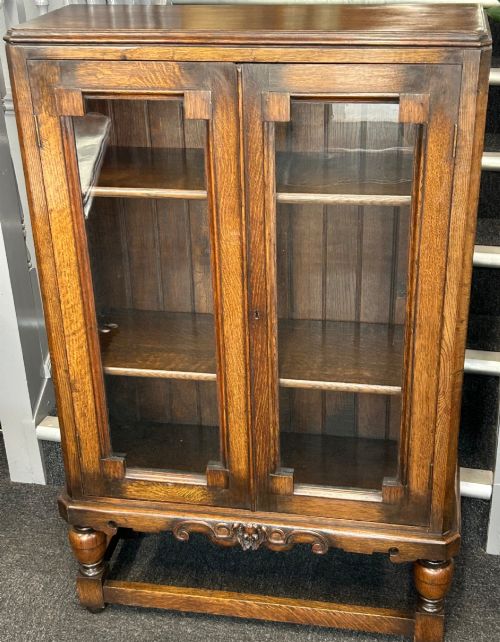


Vintage Oak Book Cupboard
A vintage oak book cupboard is a sturdy storage piece built to hold volumes while showing the timber's grain.
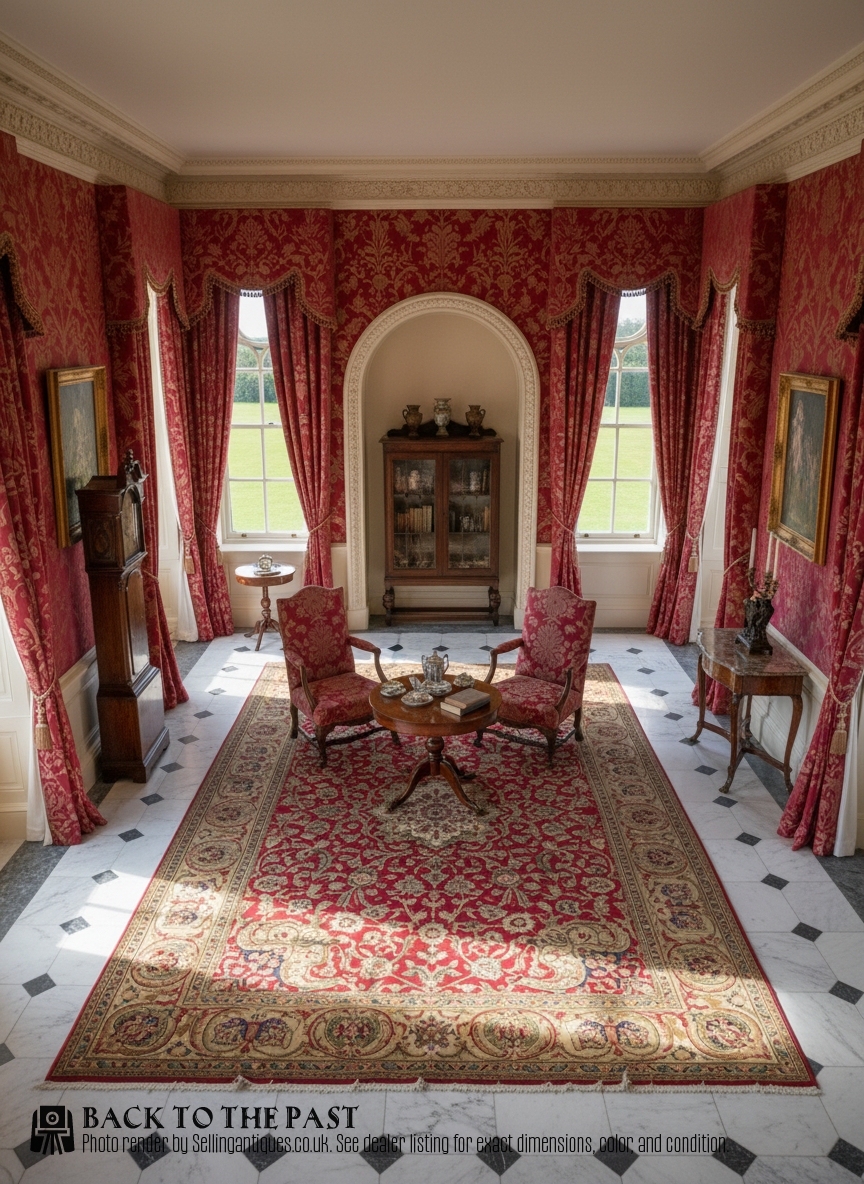
Vintage Oak Book Cupboard
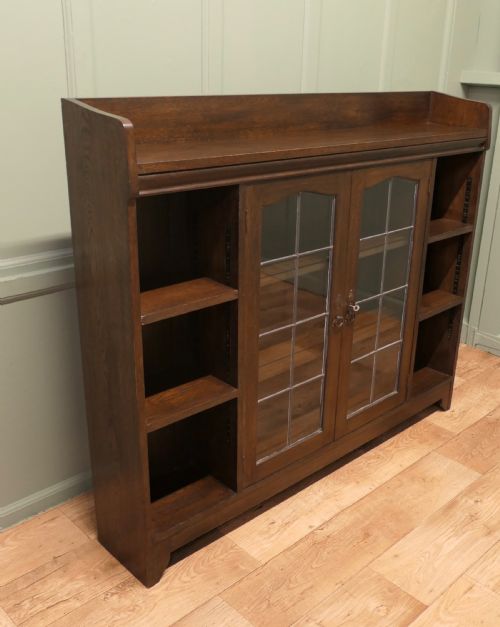
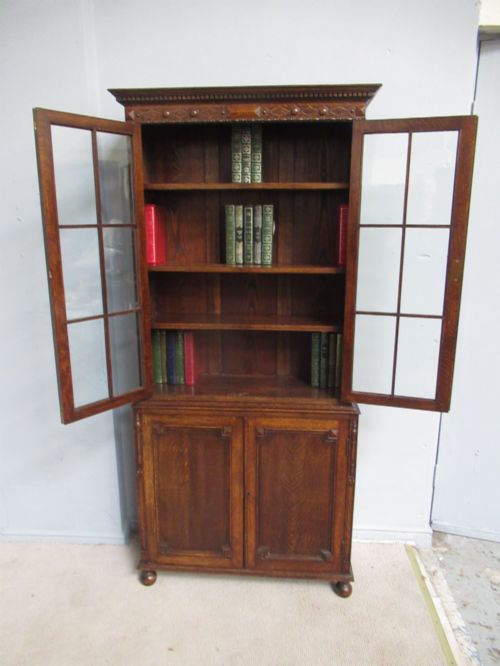
A vintage oak book cupboard brings together utilitarian storage and display, most commonly seen in pieces dating from the Victorian era through the 1930s. Buyers searching for a vintage oak book cupboard will encounter styles ranging from Arts and Crafts and Jacobean Revival to Edwardian and Art Deco.
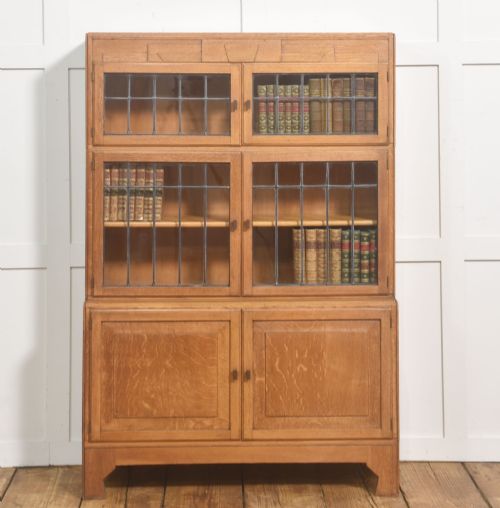
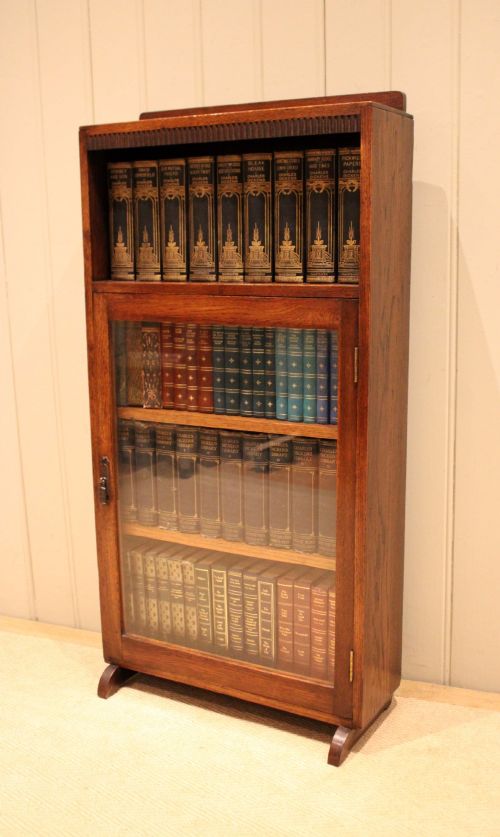
The selection includes glazed cabinets, open shelving configurations, and hybrid pieces featuring both closed cupboards and display space. Many examples reflect specific institutional or domestic origins, from school libraries to Victorian studies.
Materials and construction methods
Makers relied primarily on solid oak and oak veneers, sometimes enhanced with mahogany details, to build these durable cabinets. Glazing took various forms, from leaded and clear glass panels to iron and brass hardware fittings.
Joinery techniques span traditional panelled doors, beaded edges, and open shelving designs suited to heavy domestic or institutional use. Period pieces integrate structural iron and lead work to secure glass panels within wooden frames.
Vintage Oak Book Cupboard Retail Price Guide 2026
Typical asking prices for vintage oak book cupboard among the pieces listed under this phrase on Sellingantiques today, from the lower quarter to the upper quarter. They describe what is for sale here now, not the wider market.
Listings feature oak as the primary material, alongside glass, brass, lead, and iron across various revival styles.
Assessing build and finish
Quality rests upon the selection of timber and the integrity of the joinery, distinguishing heavy solid oak carcasses from lighter secondary woods. The refinement of stylistic details, such as carved revival motifs or hand-beaded edges, marks the difference between standard production and finer workshop output.
Original hardware, sound glass panels, and intact galleries or cornices elevate a piece's integrity. Well-preserved finishes that retain the natural grain of the oak indicate superior initial craftsmanship and careful subsequent maintenance.
The Vintage Oak Book Cupboard Glossary
- Arts and Crafts
- A design movement prioritising traditional craftsmanship, visible construction, and simple forms. It is frequently seen in early twentieth-century oak furniture.
- Jacobean Revival
- A style popular in the nineteenth and early twentieth centuries that reinterprets seventeenth-century motifs, often featuring heavy carved oak and dark finishes.
- Leaded glass
- Small panes of glass held together by strips of lead, commonly utilised in cabinet doors of the Edwardian and Art Deco periods.
- Book press
- A heavy mechanical device used historically to flatten paper or bind volumes, occasionally integrated into utilitarian cabinetry.
Vintage Oak Book Cupboard: Frequently Asked Questions
What is a book cupboard?
A book cupboard is a piece of furniture designed to store volumes behind closed doors while occasionally offering display space. These units protect books from dust and light.
They combine the shelving function of a bookcase with the concealed storage of a traditional cabinet.
How do I date an oak cupboard?
Dating relies on observing construction methods, hardware types, and prevailing styles such as Arts and Crafts or Art Deco. Materials like leaded glass and brass fittings also offer clues to the decade of manufacture.
Evidence from nineteenth and early twentieth-century pieces shows distinct shifts in timber preparation and decorative carving.
Are these cupboards solid oak?
Many listings feature solid oak or substantial oak construction, though secondary timbers and veneers occasionally appear in specific panels. The use of robust timber ensured these cabinets could support heavy libraries.
Buyers should examine the interior shelving and door panels to understand the exact construction method used.
Where were these cabinets used?
These cupboards served in domestic studies, libraries, and institutional settings such as school libraries. Their sturdy build accommodated heavy reference volumes and everyday reading material.
Over time, many transitioned into domestic living spaces as decorative and functional storage items.