

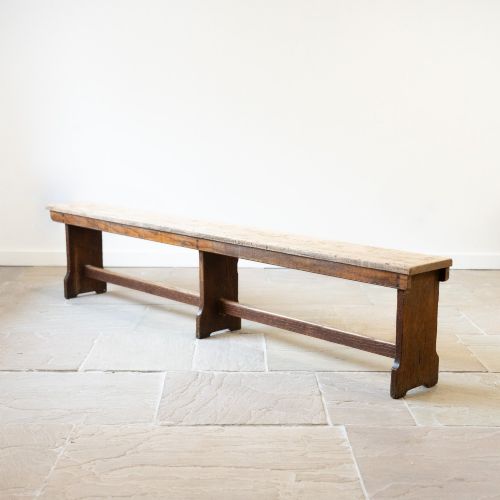



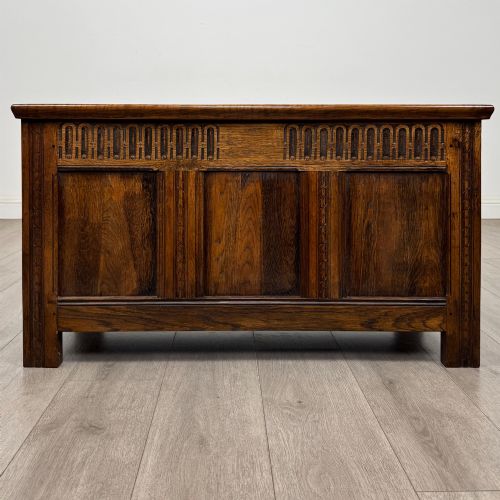
Vintage Oak Bench
A vintage oak bench brings honest craftsmanship and rich grain into an entryway, hallway, or living space.
Vintage Oak Bench
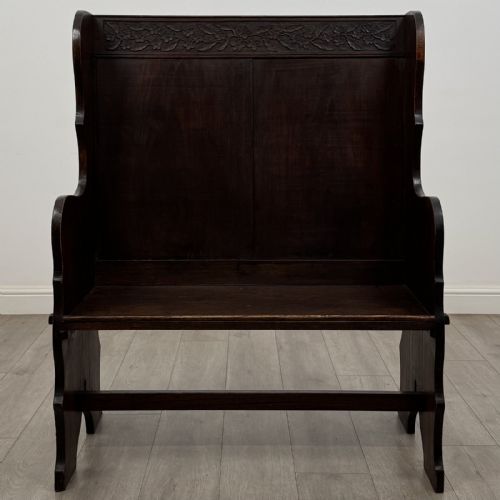
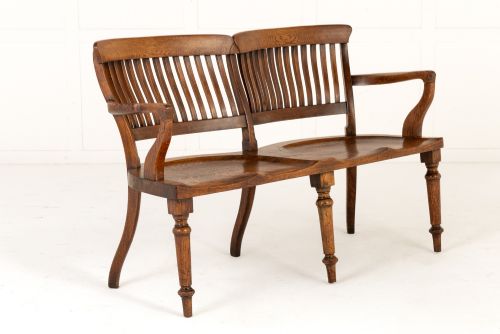
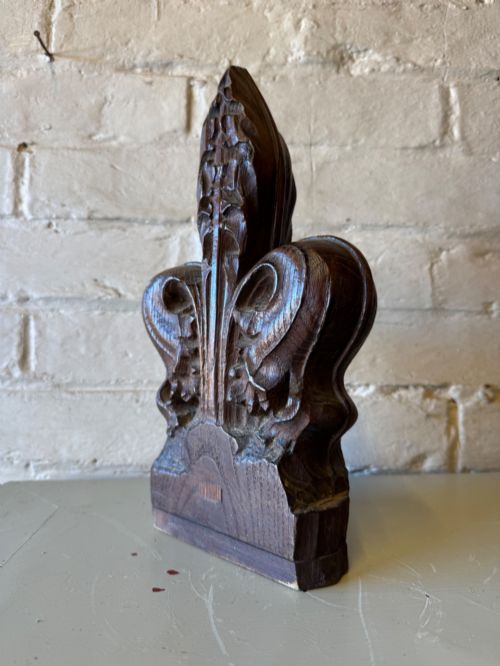
When searching for a vintage oak bench, buyers encounter a diverse selection ranging from Edwardian and Victorian hall seats to rustic country forms and Arts and Crafts designs. These pieces serve practical functions in hallways, dining spaces, and living rooms, often incorporating lift-up storage compartments, hat stands, or carved trefoil supports.
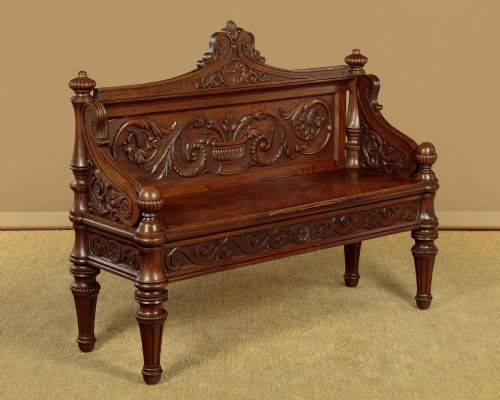
The pieces available span several decades, notably the nineteenth and early twentieth centuries, drawing on Jacobean Revival, Art Nouveau, and rustic farmhouse traditions. English and French workshops produced these items in solid oak, incorporating panelled backs, trestle ends, and shaped arms suited to domestic daily use.
Materials and construction methods
Cabinet makers and country joiners relied primarily on solid oak and heavy timber, supplemented by brass and iron hardware for hinges, hooks, and clamping bars. Surfaces were frequently polished to highlight the natural grain of the hardwood, while structural joinery utilised sturdy pegged joints and panelled construction.
Detailing on these pieces ranges from simple rustic shaping to elaborate carving, including Gothic trefoil supports, canopy tops, and bobbin-turned elements. The integration of functional compartments, such as lift seats and fold-over mechanisms, demonstrates traditional woodworking ingenuity designed for longevity.
Vintage Oak Bench Retail Price Guide 2026
Typical asking prices for vintage oak bench among the pieces listed under this phrase on Sellingantiques today, from the lower quarter to the upper quarter. They describe what is for sale here now, not the wider market.
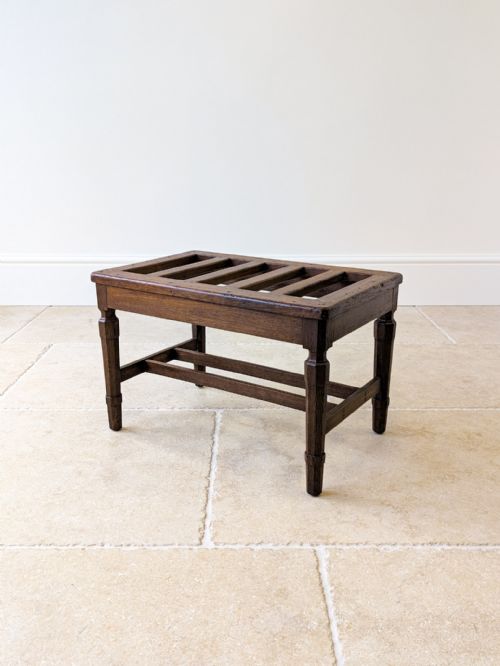
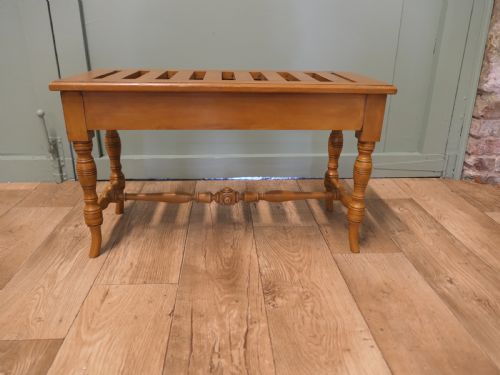
Some luggage stands served guests in West End hotels before finding their way into domestic hallways.
Assessing quality in construction and finish
The distinction between standard examples and finer pieces lies in the selection of timber and the depth of hand-carved detailing. Superior items exhibit dense solid oak with consistent grain patterns, robust structural framing, and well-executed stylistic motifs characteristic of specific movements like Arts and Crafts or Jacobean Revival.
Workmanship in the joinery and hardware integration further separates everyday utility items from workshop-attributed pieces. Original brass or iron fittings, clean panel work, and balanced proportions indicate higher standards of period production.
Liberty·Harry and Lou Epstein·Shapland and Petter
The Vintage Oak Bench Glossary
- Hall seat
- A compact bench designed for an entrance hall, frequently featuring a lift-up storage compartment and a panelled back fitted with coat hooks.
- Trestle ends
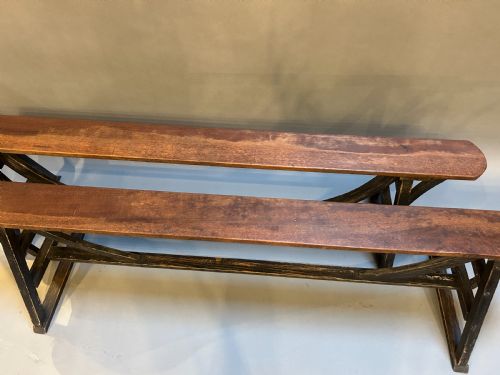
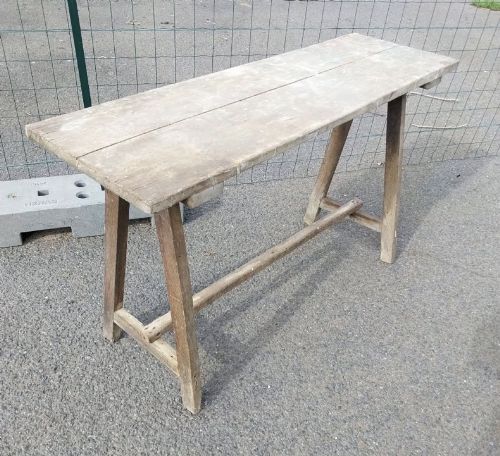
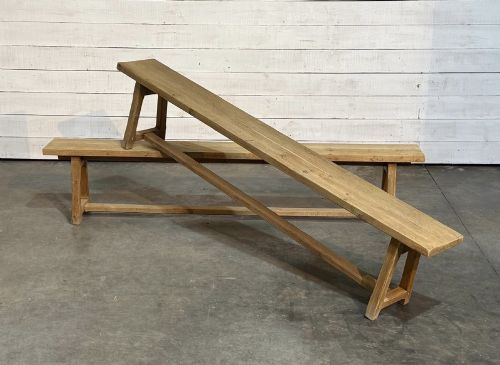
- Support structures comprising upright vertical members connected to a horizontal base or foot, commonly seen on heavy refectory benches.
- Blanket box
- A large chest used for storing linens that often doubles as a seating bench when placed in a bedroom or hallway.
- Luggage stand
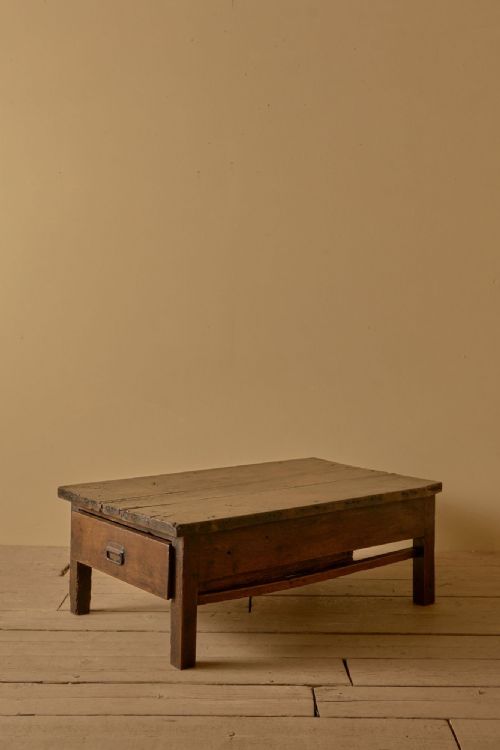
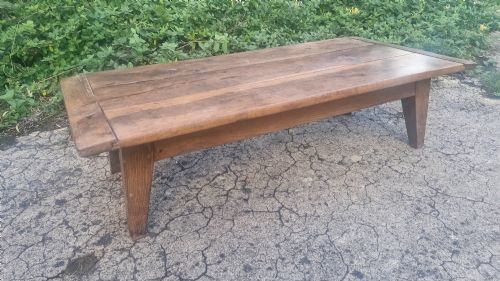
- A low raised platform constructed from hardwood, historically utilised in hotels and grand houses for holding trunks and cases.
- Settle
- A wooden bench with a high panelled back and solid arms designed to block draughts in traditional interiors.
Vintage Oak Bench: Frequently Asked Questions
Where should I place a vintage oak bench?
These benches suit entrance halls, boot rooms, and large kitchens where sturdy seating and practical storage are required.
Models featuring integrated hat stands or lift-up seats work particularly well in narrow corridors for managing everyday garments and accessories.
How do I care for solid oak furniture?
Regular dusting with a dry cloth keeps the polished hardwood surface clean and prevents the buildup of airborne particles.
Avoid placing timber furniture near direct heat sources or in areas with fluctuating humidity to protect the joints and prevent the wood from drying out.
What is the difference between a hall seat and a settle?
A hall seat generally incorporates functional elements such as coat hooks, umbrella stands, or a hinged compartment for storage beneath the squab.
By contrast, a settle is characterised by a high solid back and enclosed arms originally designed to keep seated occupants warm from cold draughts.
How can I identify Edwardian oak furniture?
Edwardian pieces often feature lighter golden oak tones, clean lines, and revivals of earlier styles such as Arts and Crafts or Jacobean carving.
Construction from this period commonly utilises machine-planed timber combined with traditional hand-finishing and brass or iron hardware.