




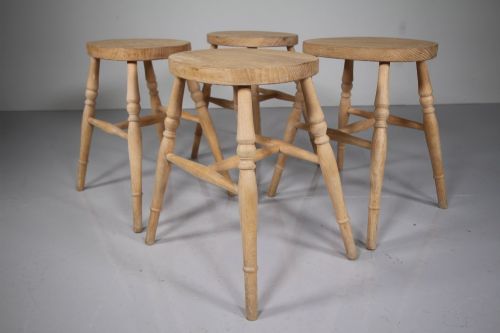
Vintage Oak Bench Seat
These vintage oak bench seat pieces bring honest timber and functional utility to hallways and country interiors alike.
Vintage Oak Bench Seat
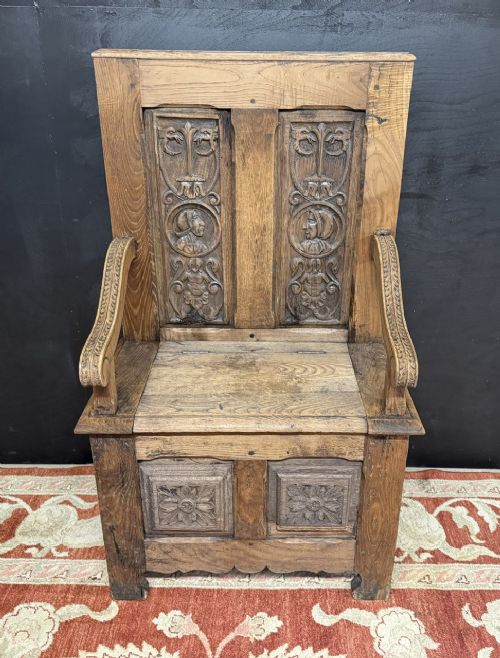
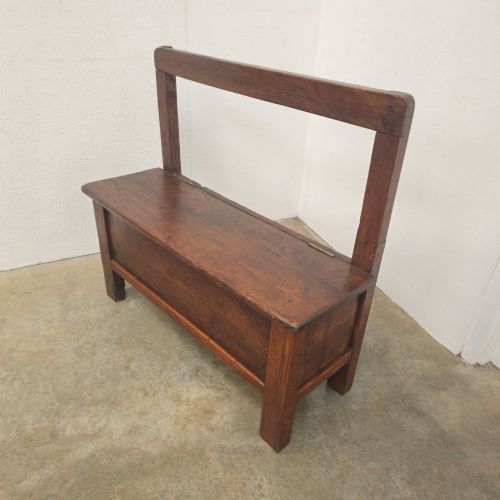
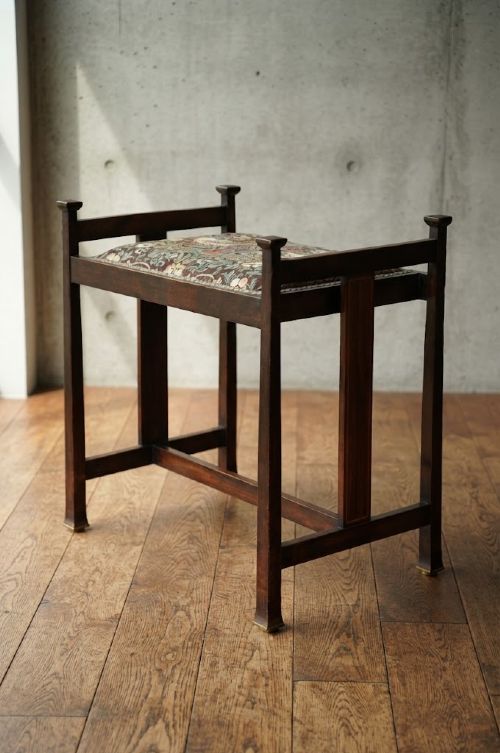
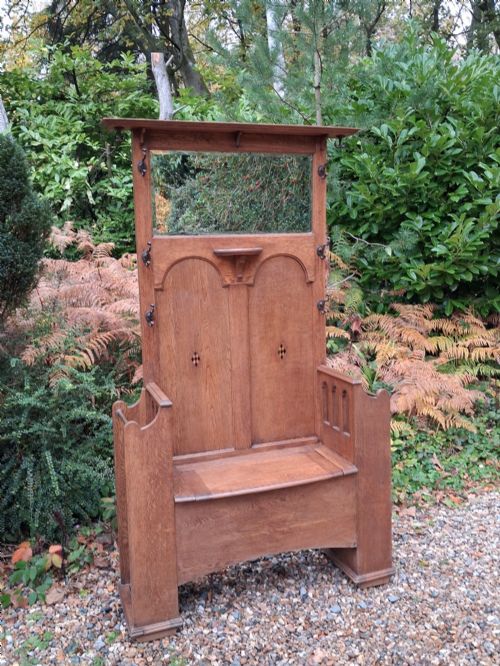
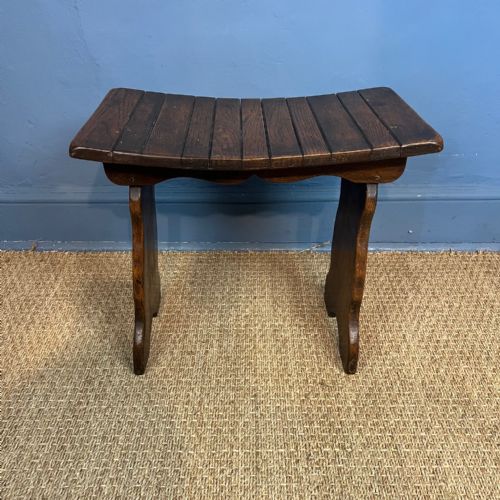
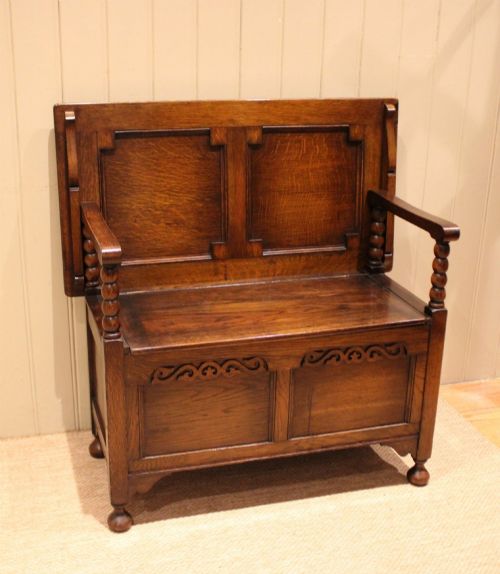
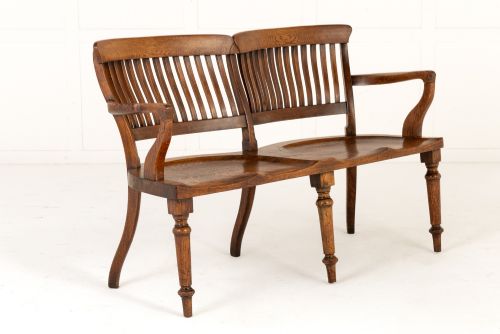
When you search for a vintage oak bench seat, you encounter practical seating originating from various periods between the late nineteenth century and the interwar decades, including the Edwardian era and the Arts and Crafts movement. The forms vary from straightforward rustic farmhouse benches and church pews to ingenious monks benches that convert into tables, alongside hall seats incorporating lift-up storage compartments or umbrella stands.
You are most likely to meet solid oak examples bearing stylistic influences such as Jacobean Revival or English rustic country design. Many of these pieces served a functional purpose in hallways, boot rooms, or large country houses, offering durable seating paired with clever spatial utility.
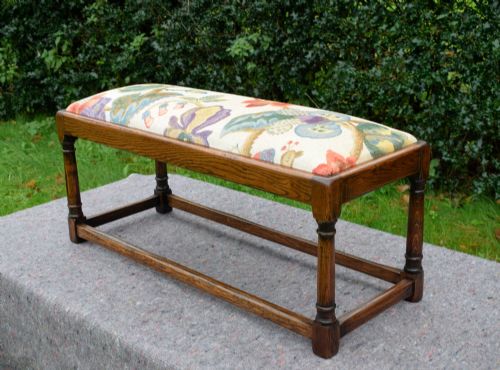
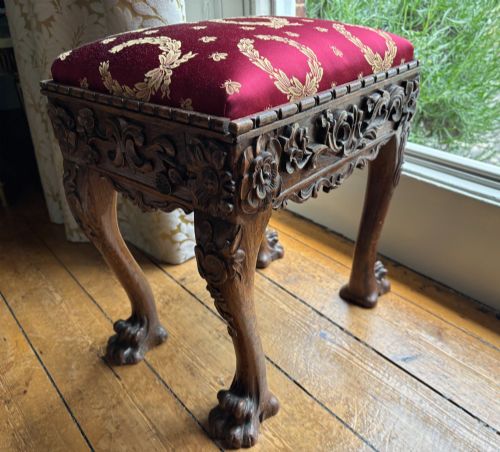
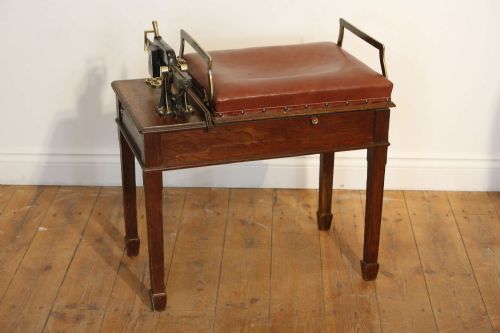
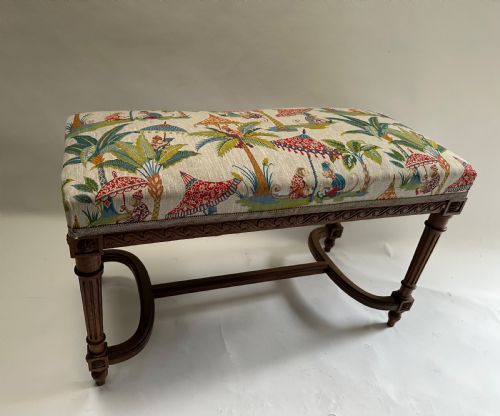
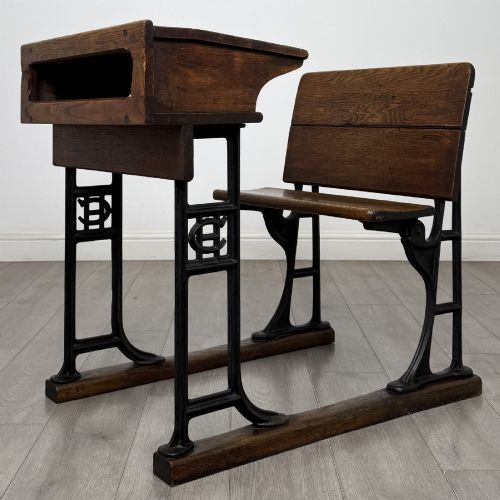
The selection ranges from compact window seats and piano stools to substantial tavern refectory benches and heavy monastic pews. Each piece reflects the utilitarian demands of its original domestic or institutional setting, executed primarily in sturdy timber.
What varies in quality
The distinction between ordinary utility items and superior examples lies in the integrity of the timber selection and the ambition of the joinery. Finer pieces demonstrate thoughtful proportions, substantial stock thickness, and crisp, purposeful hand-carving rather than mechanical replication.
Design pedigree elevates certain examples, particularly those bearing the hallmarks of the Arts and Crafts movement or specific workshops. Original surfaces, patination earned through genuine age, and well-integrated multi-functional elements like hidden storage or fold-over mechanisms distinguish the more accomplished pieces.
Vintage Oak Bench Seat Retail Price Guide 2026
Typical asking prices for vintage oak bench seat among the pieces listed under this phrase on Sellingantiques today, from the lower quarter to the upper quarter. They describe what is for sale here now, not the wider market.
Several pieces double as umbrella stands, boot stores, and even coffee tables, proving Victorians loved multipurpose furniture as much as we do.
Liberty·Harry & Lou Epstein·Shapland & Petter·William Birch
The Vintage Oak Bench Seat Glossary
- Monks bench
- A convertible form with a hinged top that folds down to transform the seat back into a table top. This dual-purpose design proved popular in compact domestic spaces.
- Settle
- A high-backed wooden bench with solid arms and a closed base designed to block draughts in traditional rooms. Examples often feature panelled backs and integrated box storage beneath the seat.
- Hall bench
- A narrow seating form intended for corridors and entranceways, frequently incorporating coat hooks, stick stands, or boot storage. These pieces managed hallway clutter in large period homes.
- Trefoil
- A three-lobed decorative carving resembling clover leaves, frequently seen in Gothic Revival and Arts and Crafts ornament. Craftsmen applied this motif to structural supports and panel heads.
- Club fender
- A low, upholstered-top seating structure surrounding a fireplace, constructed from timber and metal frames. It provided comfortable fireside seating in Edwardian reception rooms.
Vintage Oak Bench Seat: Frequently Asked Questions
Where should I place a hall bench?
These pieces suit entrance halls, boot rooms, and wide corridors where they provide a practical spot for putting on shoes while making efficient use of narrow spaces.
Many incorporate integrated storage compartments, stick stands, or coat panels that help keep entrance areas tidy.
What is an Arts and Crafts bench?
Arts and Crafts benches emphasise honest construction, visible joinery, and natural materials over excessive ornamentation. They often display Gothic influences, exposed pegs, and hand-carved motifs like trefoils.
Makers working in this tradition valued traditional craftsmanship and sturdy utility.
How do I care for vintage oak furniture?
Maintain vintage oak by keeping it away from direct heat sources and sudden temperature fluctuations that can dry out the timber. Regular dusting and occasional application of appropriate wax help preserve the natural patination.
Avoid harsh modern cleaning chemicals that strip the historic finish.