


Vintage Oak Arm Chair
A vintage oak arm chair brings solid timber frame construction, vernacular seating forms and period character into a modern interior.
Vintage Oak Arm Chair
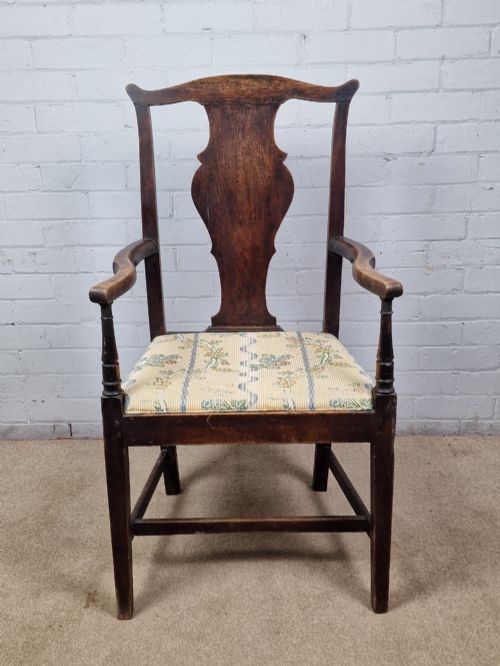
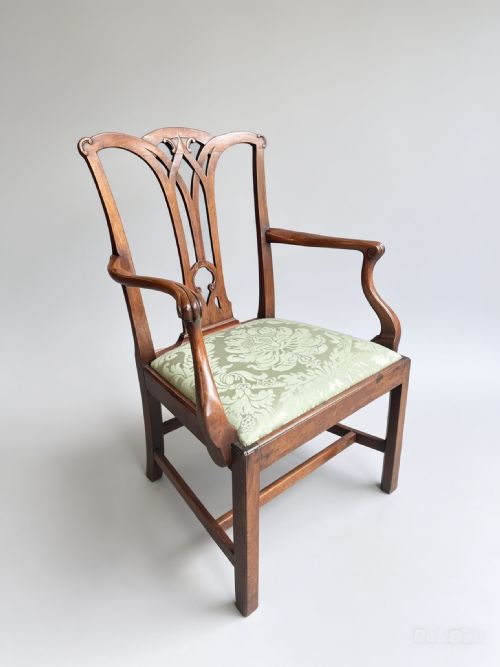
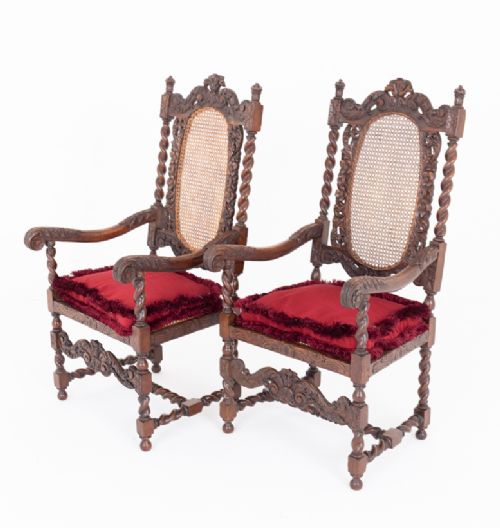
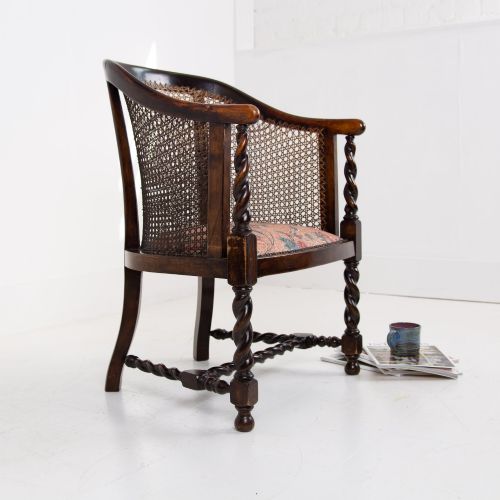
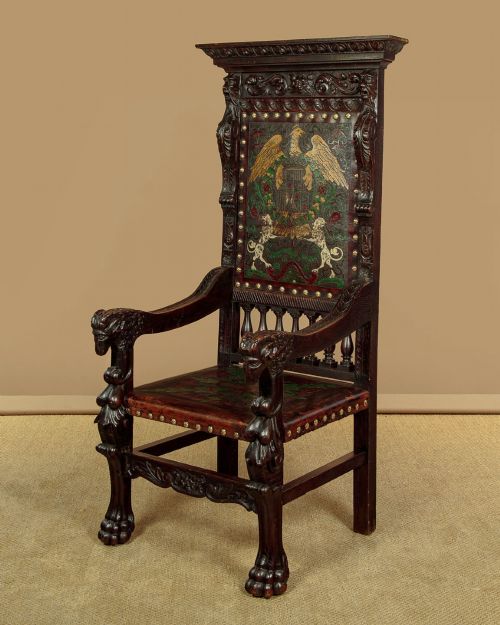
When you search for a vintage oak arm chair, you encounter a wide array of seating forms spanning the Georgian, Victorian, Edwardian and early twentieth century periods. The inventory on this page ranges from simple English country country house and kitchen chairs to heavily carved revival library armchairs and revolving office desk seats.
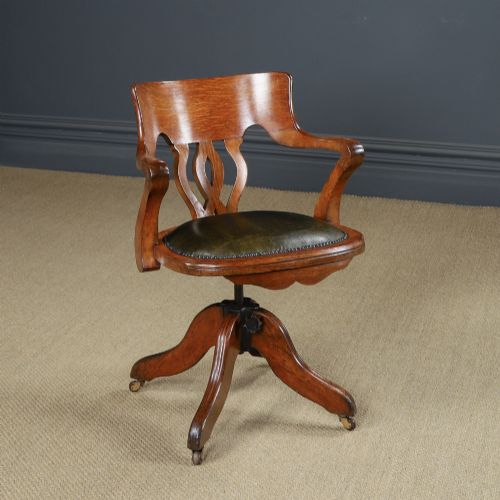
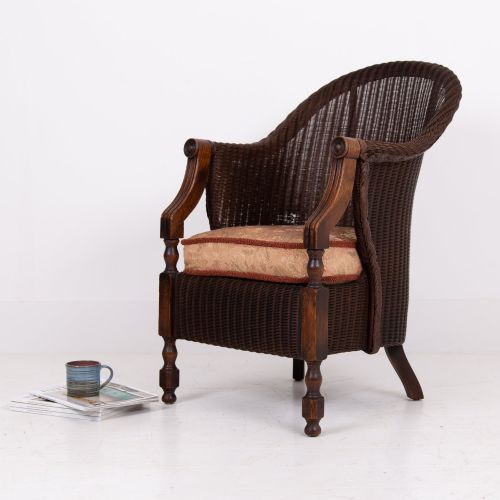
The most common examples you will meet include sturdy office swivel chairs fitted with leather pads, traditional Windsor armchairs, and low lounge seats produced through the Edwardian era and into the nineteen thirties. Regional vernacular styles, such as Yorkshire elbow seats and Thames Valley rocking chairs, sit alongside continental fauteuils and arts and crafts designs.
Makers utilised solid oak alongside secondary timbers like elm, while incorporating brass castors, iron swivel mechanisms, cane inserts and wool or leather upholstery. These pieces served diverse domestic and commercial functions, from high chairs and rocking chairs to study armchairs and garden room seating.
What varies in quality
The distinction between ordinary and superior examples rests upon the integrity of the timber framing and the depth of carving or turning. Heavier, dense oak framing with precise joinery and retained original surface patination commands greater appreciation than later mass-produced alternatives.
Subtleties in proportion, the use of complementary secondary timbers like elm for seats, and functional additions such as smooth-operating swivel actions or adjustable height mechanisms set finer desk and library chairs apart from standard utilitarian seating.
The inventory spans the Georgian, Victorian, Edwardian and Art Deco periods.
S&H Jewell·Lloyd Loom
The Vintage Oak Arm Chair Glossary
- Windsor chair
- A chair built with a solid wooden seat into which the legs and back spindles are bored directly, often featuring a bowed top rail. These vernacular forms developed regional variations across the Thames Valley and wider English countryside.
- Bobbin framing
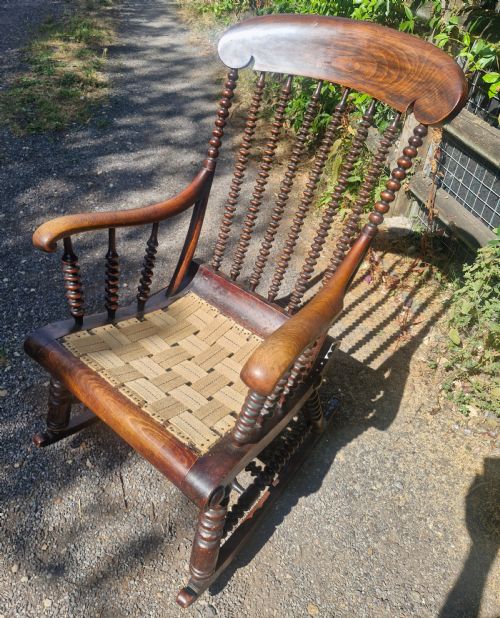
- A style of furniture construction characterised by turned woodwork resembling a series of rounded spools or bobbins threaded together. This decorative turning technique appears frequently on nineteenth-century rocking and lounge chairs.
- Fauteuil
- An open-armed upholstered armchair with exposed wooden sides, originating in France. These pieces typically feature carved frames and refined proportions distinct from heavier English country seating.
- Captain's chair
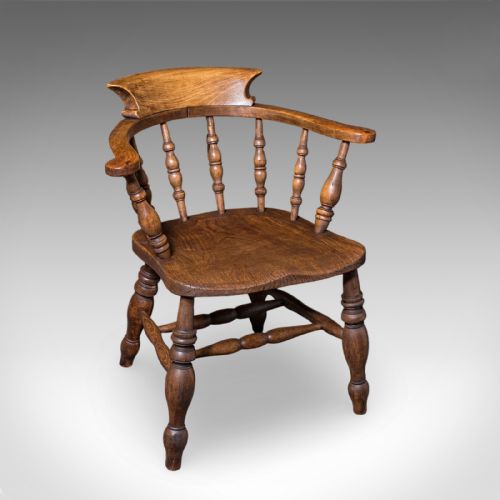
- A low-backed wooden armchair designed for sturdy use, often featuring a rounded steam-bent rail supported by spindles above a saddle seat. They became staples of Victorian studies and country houses.
- Cane armchair
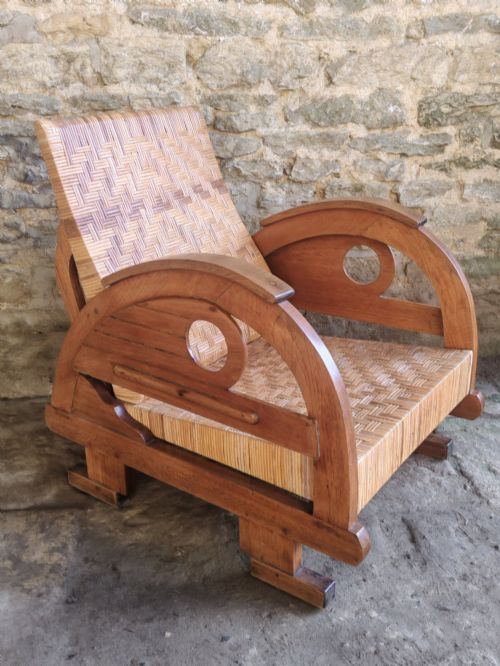
- Seating utilising woven rattan or wicker panels stretched across the backrest or seat frame. This technique lightens the visual weight of heavy oak frames and adds textural contrast.
Vintage Oak Arm Chair: Frequently Asked Questions
How do I date an oak armchair?
Dating relies on examining the construction methods, tool marks, timber selection and style of turning or carving present in the frame. Earlier pieces from the eighteenth century show hand-cut joinery and pegged joints, while nineteenth and twentieth-century examples often incorporate machine-turned spindles or mechanical adjustments.
Changes in upholstery techniques and hardware, such as brass castors or iron swivel mechanisms, provide further clues for pieces produced during the Victorian and Edwardian eras.
Are desk chairs adjustable?
Many office and library armchairs produced from the late nineteenth century onward feature mechanical adjustments. You will find revolving swivel seats and threaded iron spindles that allow you to alter the height of the chair.
These functional designs combined solid oak frames with leather upholstery to serve professional workspaces during the Edwardian period and the nineteen thirties.
Where should I place a vintage armchair?
These chairs suit studies, living rooms, bedrooms and hallways depending on their scale and upholstery. A sturdy swivel desk chair pairs naturally with a writing table, while a low lounge chair or rocking chair works well in a reading corner.
Mixing vernacular wooden styles with contemporary interiors adds texture and historical contrast to a room.