





Vintage Novelty Pin Cushion
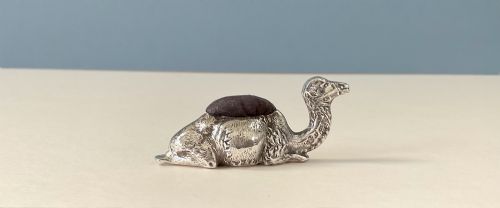
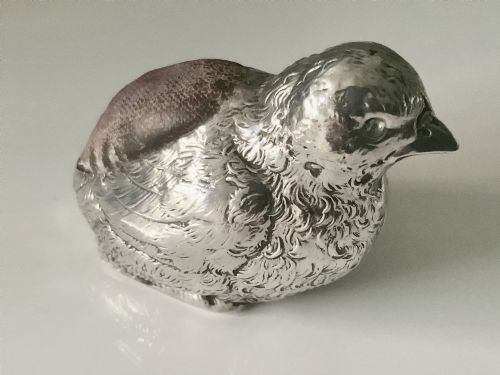
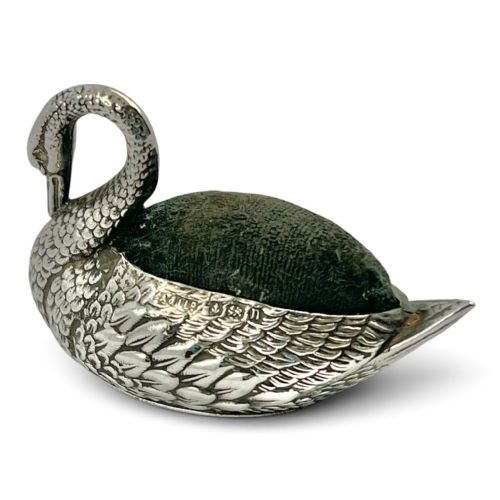
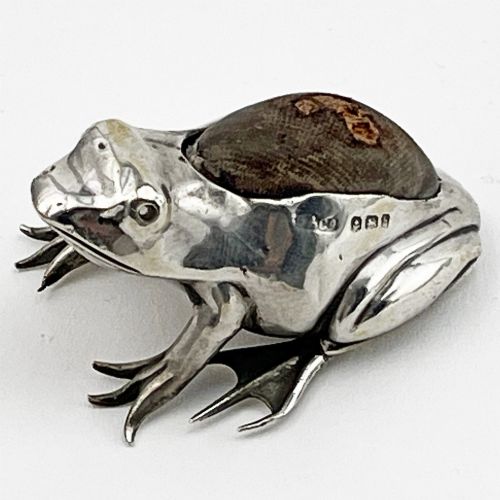
These vintage novelty pin cushion examples combine miniature silver animal and object forms with traditional fabric pads for functional dressing table accessories.
Vintage Novelty Pin Cushion
When you search for a vintage novelty pin cushion, you encounter small desk and dressing table items modelled into animals, birds, and everyday objects. The selection here leans heavily towards Edwardian and Victorian sterling silver figures, alongside Georgian and George V examples.
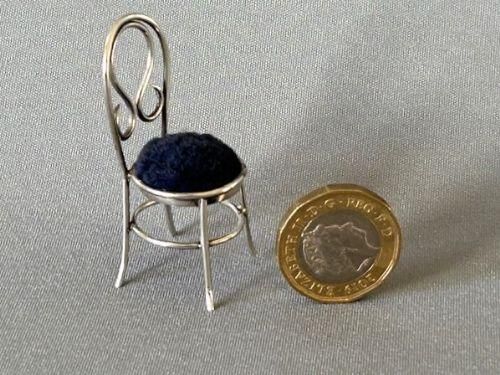
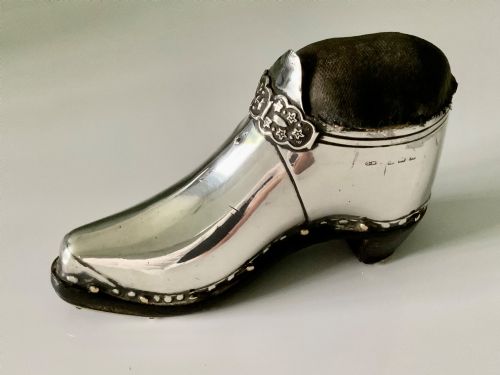
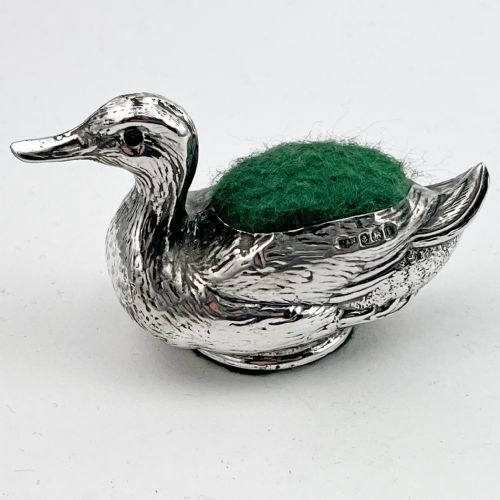
Most pieces you meet take recognisable figurative shapes such as swans, pigs, birds, and shoes, mounted with velvet or felt pads. These functional sewing accessories served as decorative desk ornaments as well as practical pin holders.
The range spans from the late nineteenth century through to the early twentieth century, capturing a period of intricate miniature silversmithing. These objects reflect domestic sewing habits and desk culture of the Edwardian era in particular.
Materials and construction methods
Silversmiths formed the bodies of these pieces using sterling silver or solid silver, often shaping them through casting and detailed hand-chasing. The metal surfaces capture the textures of feathers, fur, and manufactured objects like cars and railway lamps.
Internal stuffing holds coloured velvet, felt, or fabric pads securely within the silver frames to receive pins and needles. Mother-of-pearl and shell elements also appear in certain designs, adding textural contrast to the metalwork.
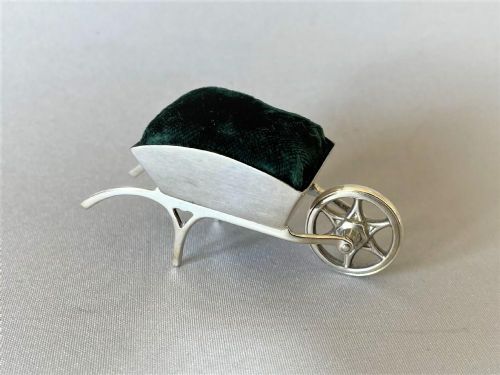
Silversmiths immortalised everyday transit and utility by crafting miniature railway lamps, wheelbarrows, and vintage cars into functional pin holders.
Factors defining quality and execution
The preservation of the original fabric insert relative to the metal casing influences the overall integrity of the piece. Well-proportioned figural forms that balance securely on their bases demonstrate thoughtful design and manufacturing care.
The Vintage Novelty Pin Cushion Glossary
- Sterling silver
- A silver alloy containing 92.5 percent pure silver by mass and 7.5 percent other metals, usually copper. This standard composition provides the necessary durability for detailed miniature silversmithing.
- Hallmark
- An official mark stamped onto precious metal items in the United Kingdom to certify their purity and origin. These stamps typically include maker marks, standard marks, and assay office symbols.
- Figural
- Representing a human, animal, or recognizable object in art or decorative items. In this context, it describes cushions modelled as birds, mammals, and vehicles.
- Velvet
- A type of woven tufted fabric with a dense pile of evenly distributed cut threads. This material provides the traditional soft surface for pinning needles.
Vintage Novelty Pin Cushion: Frequently Asked Questions
How do I date an antique pin cushion?
Dating relies heavily on the silver hallmarks stamped directly onto the metal casing, which indicate the exact assay office and year of production. Stylistic markers, such as the prevalence of Edwardian figural designs or Victorian aesthetic choices, also point to specific eras.
Examining the construction methods and the wear patterns on the silver and fabric components helps confirm the period of manufacture. Comparing the specific animal or object form against documented historical examples provides further chronological context.
How were these pin cushions used?
Victorian and Edwardian households kept these items on dressing tables, sewing boxes, and writing desks to keep pins and needles close at hand during dressmaking or daily grooming. The padded fabric insert held the sharp points securely while the silver base kept the item stable.
Beyond basic sewing utility, they served as charming ornamental objects that displayed the owner's taste and the silversmith's skill. Their novelty shapes made them popular gifts and conversational desk accessories.
How do I care for a silver pin cushion?
Maintain the silver exterior by gently dusting it with a soft cloth, avoiding harsh chemical polishes that might damage the fabric insert or remove subtle chased details. Keep the piece in a stable environment away from excess moisture to protect both the metal and the internal padding.
Handle the cushion carefully by the silver base rather than the fabric top to prevent loosening the internal mount. Regular, gentle maintenance preserves the original patina and structural integrity of the antique.