



Vintage Needlework Panel
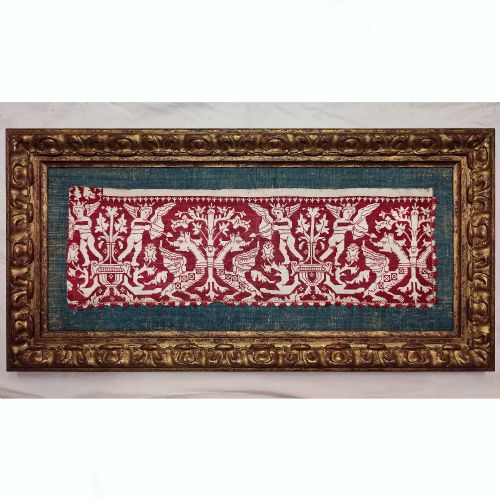
A vintage needlework panel brings centuries of threadwork, wool work and textile artistry directly onto the wall.
Vintage Needlework Panel
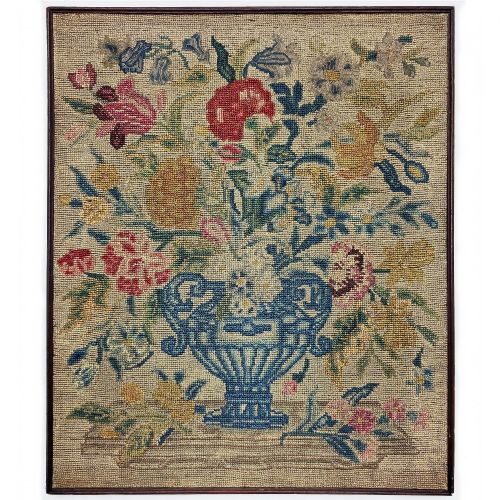
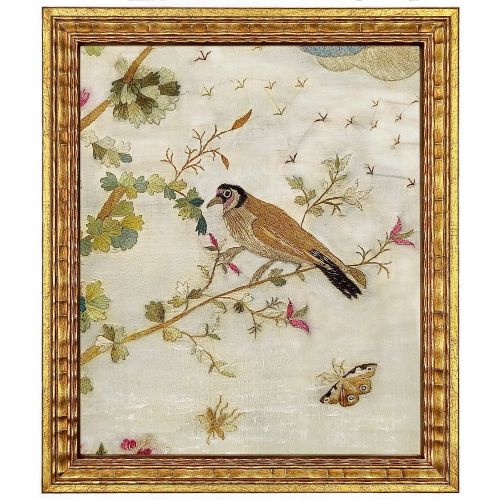
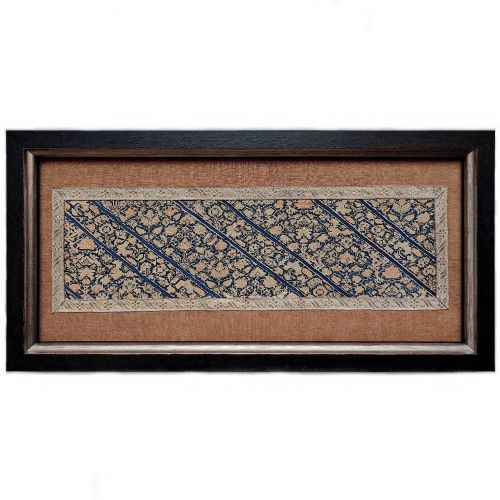
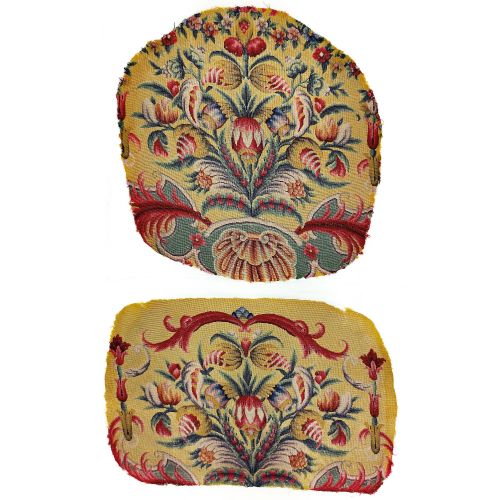
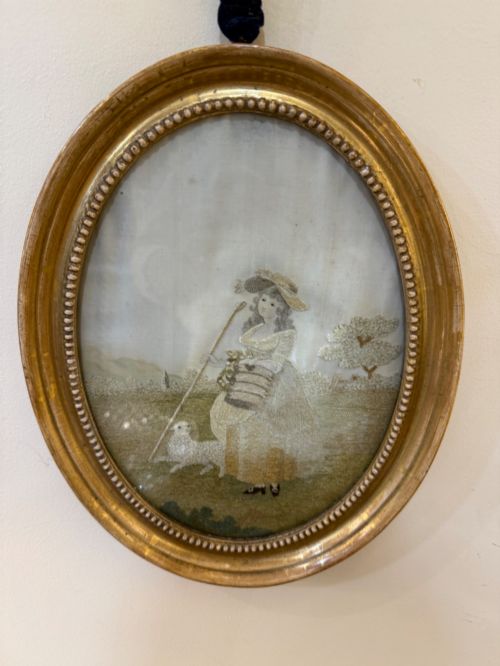
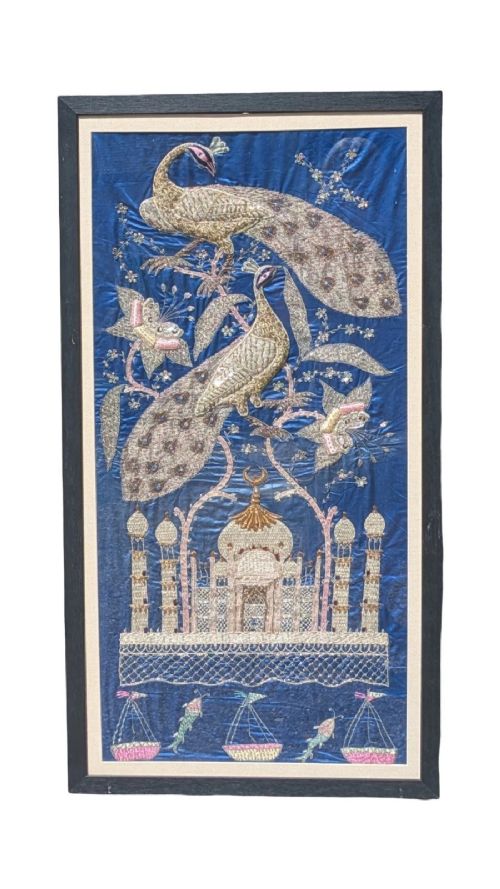
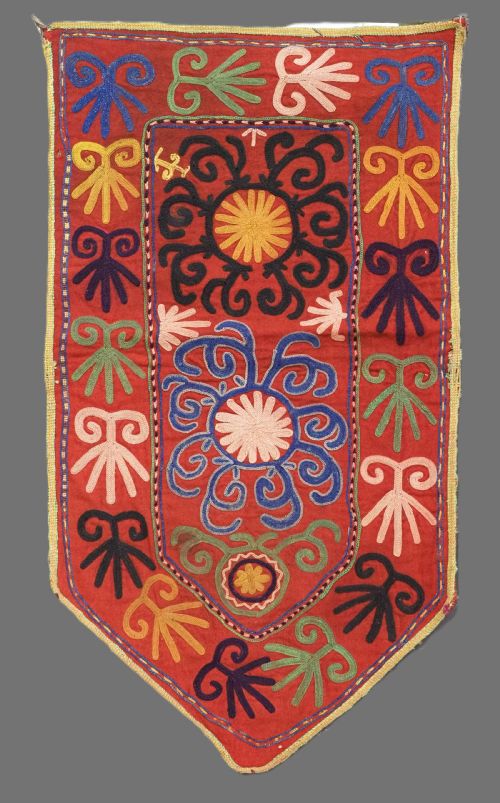
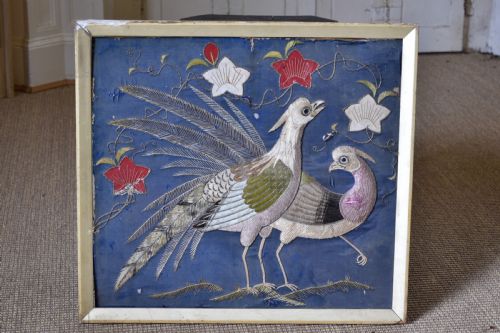
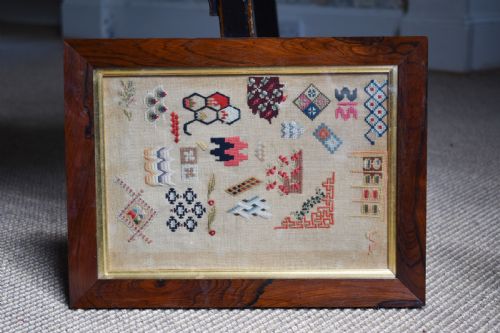
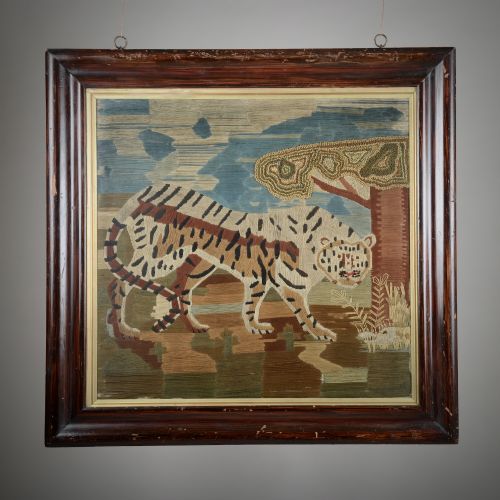
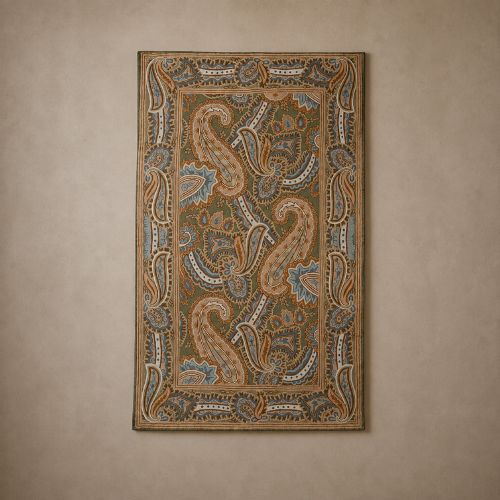
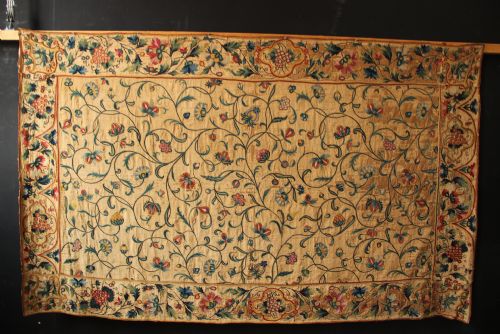
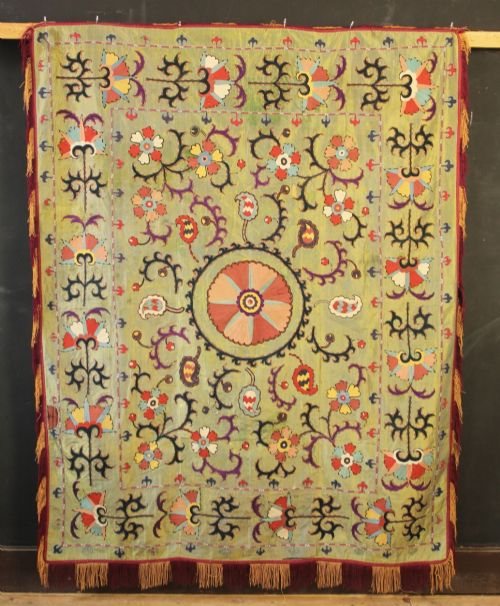
A vintage needlework panel encompasses a remarkably broad spectrum of historic textiles, ranging from detailed English samplers and crewelwork to vibrant Central Asian suzanis and European tapestries. Buyers seeking a vintage needlework panel will encounter formats stretching from small framed pictures of strawberries and birds up to large wall hangings and room screen inserts.
The materials span linen, cotton and canvas grounds worked in silk, wool and cotton threads, frequently mounted behind glass in wood frames or presented as unbound wall textiles. Pieces originate from diverse traditions, including Georgian and Victorian England, seventeenth-century continental workshops, and nineteenth-century Central Asian tribal regions.
How they were made
Makers utilised natural textile grounds such as linen, wool, cotton and canvas, applying surface ornamentation with silk, wool and cotton threads. Techniques recorded across the pieces include crewelwork, petit-point, gros-point, beadwork and intricate appliqué work utilising felt and silk.
Stitching methods vary from counted-thread samplers and fine needlepoint pictures to bold chain stitching on large suzanis and heavy crewelwork embroidery. Framing often involved carved wood surrounds, while other textiles remained flexible wall hangings or ceremonial covers.
Vintage Needlework Panel Retail Price Guide 2026
Typical asking prices for vintage needlework panel among the pieces listed under this phrase on Sellingantiques today, from the lower quarter to the upper quarter. They describe what is for sale here now, not the wider market.
Materials documented across the listings include silk, wool, linen, cotton, canvas, wood, glass and felt.
What varies in quality
The distinction between standard and exceptional pieces rests upon the density of the stitching, the precision of the needlework and the complexity of the design layout. Finer works display accomplished execution in challenging motifs like human figures, architectural elements or intricate floral arrangements.
Material selection also dictates overall grade, with lustrous silk threads on well-preserved linen or felt grounds commanding greater visual presence than simpler wool-on-canvas compositions. The integrity of the textile ground and the survival of vibrant natural dye colours further elevate a panel's visual standing.
Mary Greening
The Vintage Needlework Panel Glossary
- Suzani
- A traditional embroidered tribal textile originating from Central Asia, typically featuring large-scale floral or geometric motifs worked on a cotton or linen ground.
- Sampler
- A piece of needlework produced as a demonstration or test of skill, often displaying alphabets, numerals and various embroidery stitches.
- Crewelwork
- A type of surface embroidery utilising wool yarn on a sturdy linen or cotton twill ground, frequently seen in historic English panels.
- Gros-point
- A type of needlepoint embroidery worked on a coarse canvas using wool yarn, producing a durable texture ideal for pictorial scenes.
- Appliqué
- A technique where pieces of fabric, such as silk or felt, are sewn onto a larger background textile to build up pattern and colour.
Vintage Needlework Panel: Frequently Asked Questions
How were historic needlework panels displayed?
Many of these textiles were stretched and framed behind glass to protect delicate threads from dust and handling, functioning as wall art within domestic interiors. Others served as architectural elements, such as inserts for carved wooden firescreens or folding room screens.
Larger wall hangings and suzanis were traditionally pinned or hung directly onto walls to insulate rooms and display domestic skill or tribal status.
What is the difference between a sampler and a tapestry?
A sampler is typically an exercise in mastering various stitches, alphabets and pictorial motifs, usually worked by individuals learning needlecraft. A tapestry or pictorial panel generally focuses on executing a complete narrative scene, portrait or complex botanical design across the entire ground.
Samplers often bear dates or maker names, whereas larger decorative panels concentrate on pictorial or decorative impact.
How do you care for an antique textile panel?
Protecting these historic items requires keeping them away from direct sunlight to prevent the fading of silk and wool threads. Framing behind glass provides a robust defence against atmospheric dust and physical wear.
Environmental stability is essential, avoiding damp conditions that threaten natural fibres like wool and linen.
What distinguishes Central Asian suzanis from European panels?
Central Asian suzanis are characterised by bold, expansive floral and architectural motifs stitched in vibrant silk threads on cotton or linen foundations. European panels from similar eras more frequently showcase classical figures, pastoral landscapes, heraldry or structured floral arrangements executed in wool or fine silk.
Regional techniques and colour palettes immediately separate nomadic tribal work from formal continental workshops.