









Vintage Nautical Model
A vintage nautical model brings the scale and spirit of maritime history directly into a room through carved wood, glass, and brass.
Vintage Nautical Model
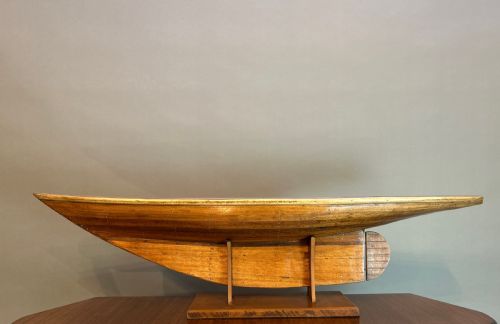
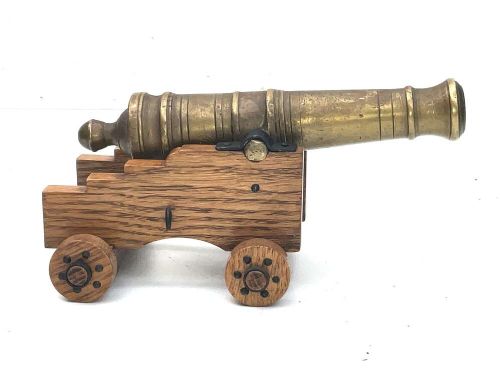
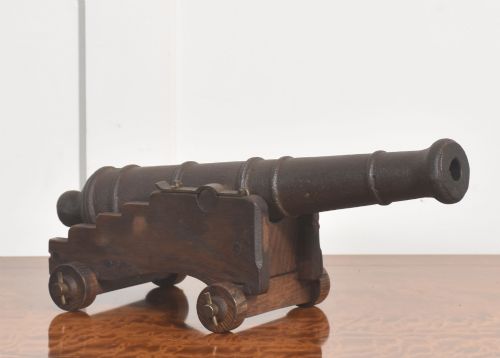
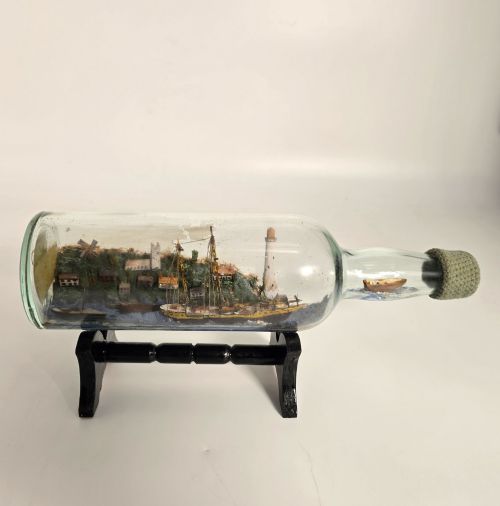
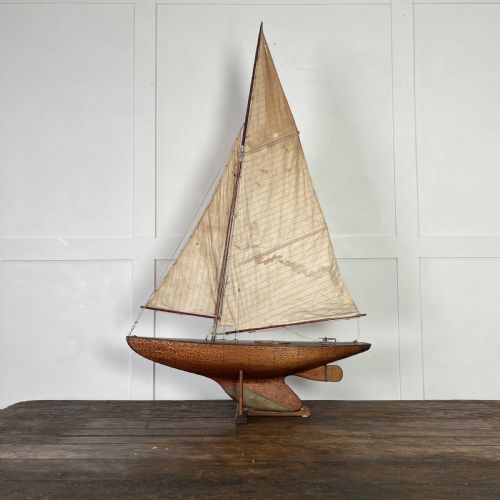
When buyers search for a vintage nautical model, they encounter a diverse range of maritime objects spanning the nineteenth and early twentieth centuries. These pieces encompass carved pond yachts, enclosed dioramas, half hull displays, and miniature ordnance shaped by maritime traditions.
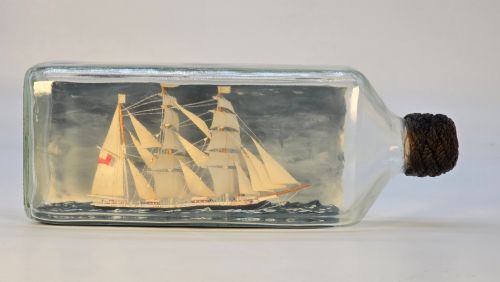
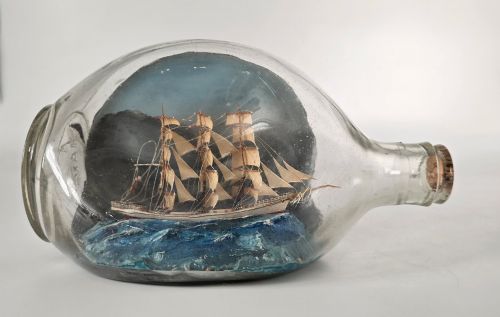
The objects on this page derive chiefly from Victorian, Edwardian, and early twentieth-century periods, reflecting both professional shipwrights and amateur folk art traditions. Common forms include scratch-built sailing vessels, cased racing yachts, and detailed ships preserved inside glass bottles.
Materials and construction methods
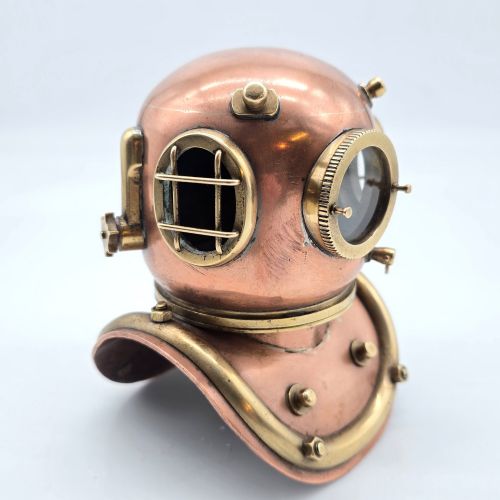
Construction relies heavily on traditional timber such as pine, oak, sycamore, and carved wood hulls paired with canvas sails and fine thread rigging. Metal elements including brass, cast iron, and painted surfaces appear on cannons, anchors, and divers helmet miniatures.
Many pieces incorporate glass for protective display cases and bottles, enclosing intricate paper, wood, and painted dioramas. Scratch-built models and ship builders half hulls demonstrate precise manual shaping of wood and metal components.
Vintage Nautical Model Retail Price Guide 2026
Typical asking prices for vintage nautical model among the pieces listed under this phrase on Sellingantiques today, from the lower quarter to the upper quarter. They describe what is for sale here now, not the wider market.
Materials recorded across current pieces include wood, brass, cast iron, glass, canvas, paint, and thread.
Distinctions in craftsmanship and preservation
Quality separates objects with precise builder provenance and detailed rigging from simpler folk art interpretations. The complexity of enclosed dioramas and the originality of painted surfaces and wooden hulls dictate the standing of each piece.
Preservation of fragile materials like thread rigging, glass bottles, and painted backdrops determines the visual impact of a maritime model. Intact wooden stands, original display cases, and clearly documented vessel names elevate specific examples.
The Vintage Nautical Model Glossary
- Diorama
- A three-dimensional scene enclosed in a glass case or bottle, depicting ships at sea with painted backgrounds. These miniature settings often capture specific vessels and coastal landmarks.
- Pond yacht
- A free-sailing model boat designed to be sailed on open water by hobbyists. Large examples feature substantial wooden hulls and detailed deck fittings.
- Half hull model
- A scale representation of one side of a ship hull mounted on a board. Ship builders utilised these to visualise vessel lines before full construction.
- Scratch-built
- A model constructed entirely from raw materials without commercial kits. Makers build these pieces using individual timber strips, metal, and thread.
- Barque
- A sailing vessel with three or more masts having square sails on the fore and main masts and-fore-and-aft sails on the mizzen mast. This rig appears frequently in nineteenth-century maritime models.
Vintage Nautical Model: Frequently Asked Questions
What is a ship in a bottle?
A ship in a bottle is a folk art diorama where a fully rigged model sits inside a glass container. Makers construct the vessel with folding masts so it passes through the narrow neck before being raised with internal strings.
These pieces often depict named sailing ships and include painted sea elements or coastal backdrops. They represent a distinct branch of maritime folk art from the late nineteenth and early twentieth centuries.
How do pond yachts differ from display models?
Pond yachts are functional sailing toys designed to be launched on water, featuring robust wooden hulls and weighted keels. Display models focus purely on visual accuracy and are built solely for indoor presentation.
Many pond yachts show evidence of active use on water, whereas cased scale models remain protected from handling and environmental wear. Both types reflect maritime engineering of their respective periods.
What is a half hull model used for?
A half hull model displays one side of a ship profile mounted onto a wooden backboard. Shipyards utilised these pieces to test hydrodynamic forms and plan vessel proportions.
Over time, these functional workshop tools evolved into decorative wall art. They demonstrate the precise shaping skills of nineteenth-century ship builders.