






Vintage Musical Box
A vintage musical box brings mechanical melody into the room, driven by pinned cylinders and tuned steel teeth inside a timber case.
Vintage Musical Box
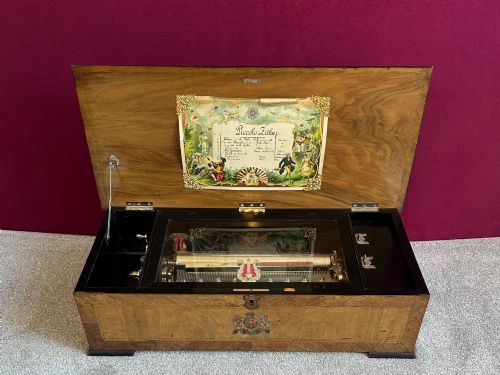
A vintage musical box houses a pinned brass cylinder or a notched disc that plucks a comb of tuned steel teeth to produce mechanical tunes. These pieces span the Victorian era, the nineteenth century, and the early twentieth century, showing origins from Swiss workshops to European makers.
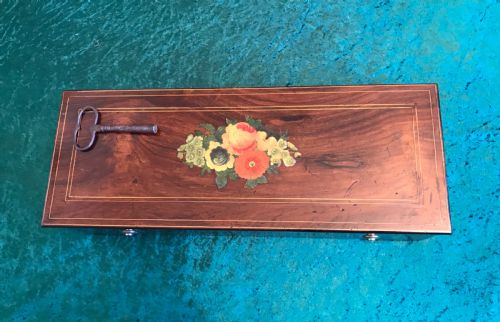
The common form on this page is the wooden cylinder box, frequently housed in rosewood, walnut, or ebonised wood, alongside disc-playing boxes and specialty pieces such as singing bird boxes or musical figures.
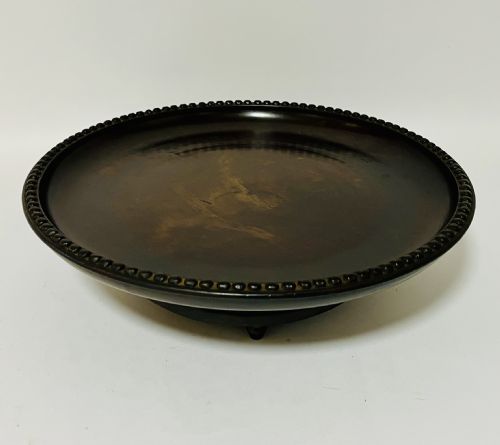
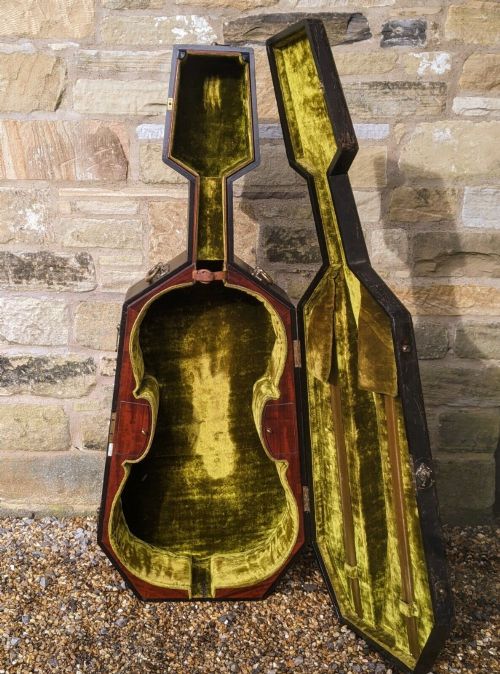
Alongside standard music boxes, listings include decorative bowls, cigar boxes, and musical instrument cases fitted with mechanical movements, reflecting how makers integrated musical mechanisms into domestic objects.
How they were made
Makers constructed the cases using timber such as walnut, rosewood, and burr walnut, often applying intricate wood inlays and velvet linings to enhance the acoustic resonance. Glass panels frequently protect the movement while permitting a view of the rotating cylinder and vibrating comb.
Inside the case, the mechanism relies on brass cylinders pinned with minute staples that strike steel comb teeth to play specific airs. Key-wound springs or lever winders store the mechanical power required to drive the cylinder past the comb.
Vintage Musical Box Retail Price Guide 2026
Typical asking prices for vintage musical box among the pieces listed under this phrase on Sellingantiques today, from the lower quarter to the upper quarter. They describe what is for sale here now, not the wider market.
Recorded periods span the eighteenth century, nineteenth century, Victorian era, and early twentieth century up to the Edwardian period.
What varies in quality
The complexity of the mechanism dictates the standard of a piece, measured by the number of airs it plays and whether it incorporates bells, visible automata, or interchangeable discs. Boxes featuring multiple airs or specialist makers demonstrate greater mechanical ambition.
Case construction and timber selection also set pieces apart, from plain wooden boxes to heavily inlaid rosewood and burr walnut cases with matched veneers and original glass covers.
Langdorff & Fils·Lochmanns·Nicole Freres·W.E Hill·LeCoultre
The Vintage Musical Box Glossary
- Cylinder
- The rotating brass barrel set with pins that dictate the notes played by the comb. Each pin aligns to pluck a specific steel tooth.
- Comb
- The tuned plate of steel with individual teeth that vibrate to create the musical notes when struck by cylinder pins.
- Air
- A distinct tune or musical piece recorded onto the cylinder. Boxes are often described by the total number of airs they can play.
- Disc
- A flat metal sheet perforated with holes and notches used in later instruments like the Polyphon to play music. These replaced cylinders in certain mechanical setups.
- Key wound
- A mechanism powered by a removable key that winds the internal spring. This predates built-in lever winding systems on later boxes.
Vintage Musical Box: Frequently Asked Questions
How do I wind my music box?
Most cylinder boxes use a key or a lever attached to the side or base of the movement. Turn the mechanism gently until you feel resistance, avoiding over-winding the internal spring.
Ensure the mechanism is resting on a flat surface before playing, and allow the current air to finish its rotation before attempting to stop or restart the tune.
How many tunes can a box play?
The number of airs varies widely depending on the complexity of the brass cylinder. Many standard boxes hold eight airs, while larger examples accommodate ten, twelve, or more tunes.
Multi-air cylinders shift laterally after each rotation to present a fresh set of pins to the steel comb teeth.
Where were these music boxes made?
A large proportion of these pieces originated in Switzerland, which became a primary centre for mechanical music production during the nineteenth century. Other examples reflect production in wider European workshops.
Swiss folk art and specific regional firms contributed distinct styles of timber casing and mechanical arrangement.
What is the difference between a cylinder and a disc?
Cylinders are pinned brass barrels that play a fixed sequence of melodies encoded directly onto their surface. They require a separate cylinder for each set of tunes.
Discs are flat metal sheets with punched holes that interact with star wheels to pluck the comb. Disc players allow users to swap out flat sheets to change the music easily.