

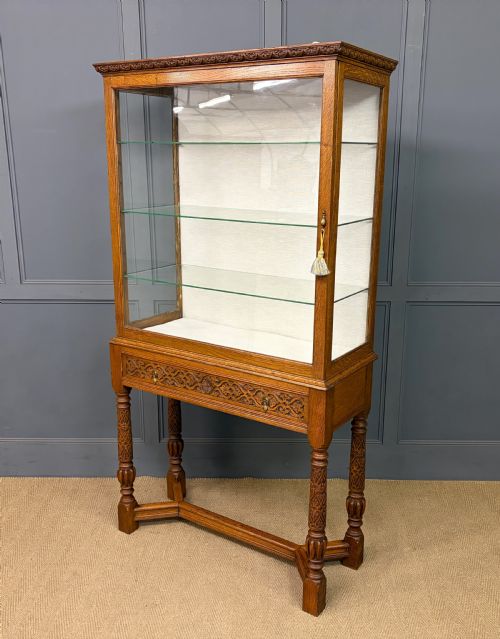
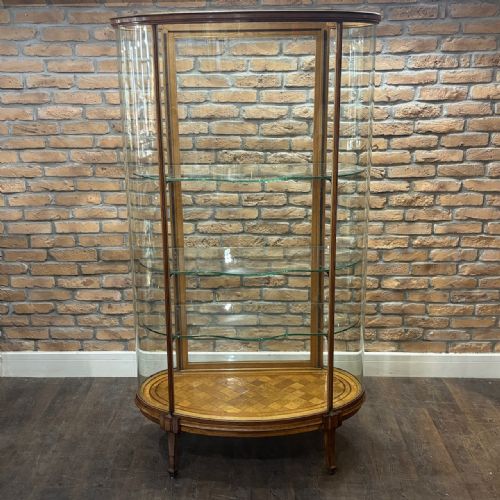


Vintage Museum Cabinet
These vintage museum cabinet pieces offer generous glass panels and rich timber frames, bringing historic display architecture straight into the modern room.
Vintage Museum Cabinet
A vintage museum cabinet provides a dedicated showcase structure designed to protect and exhibit items behind clear glazing. When exploring this selection, buyers encounter various formats ranging from expansive shop counters and towering floor units to compact table cases.
The objects stem from several notable eras, spanning the Victorian period through Edwardian designs up to the 1920s and Art Deco movements. Oak and mahogany appear frequently as primary timbers, alongside specialist ebonised wood and gleaming brass frameworks.
Commercial and institutional origins define these pieces, with many originating from historic shopfitters and exhibition spaces. This heritage ensures robust construction methods tailored for public viewing and secure handling.
Materials and construction methods
Makers utilised dense hardwoods such as mahogany and oak to build the structural framework, ensuring stability for heavy glass panels. Ebonised wood and cedar also feature among the surviving examples, providing alternative dark finishes and aromatic interior spaces.
Glazing forms the central visual component of each case, supported by fitted brass hardware and occasionally detailed with gold leaf. Interiors frequently incorporate velvet or felt linings to cushion delicate specimens and artefacts on display.
Vintage Museum Cabinet Retail Price Guide 2026
Typical asking prices for vintage museum cabinet among the pieces listed under this phrase on Sellingantiques today, from the lower quarter to the upper quarter. They describe what is for sale here now, not the wider market.
Shopfitters built display cases so heavy that moving one often required an entire crew of Victorian apprentices.
Distinguishing quality across pieces
The refinement of the timber joinery and the clarity of the original glass define the upper tier of these cabinets. Superior examples display sophisticated styling, such as Louis XVI Revival details or distinct Art Deco lines.
Hardware execution and the integrity of internal fabric linings mark further differences in manufacturing standard. Pieces bearing identifiable maker signatures from established shopfitters carry distinct historical weight.
F. Sage & Co.·Pollards·E. Pollard & Co. Ltd.·Siegel·Quincy Showcase Works Illinois
The Vintage Museum Cabinet Glossary
- Vitrine
- A glass-fronted display cabinet or case designed specifically for showing fine objects and curiosities. These structures rely heavily on transparent panes to maximise internal visibility.
- Ebonised
- Wood finished to resemble ebony through a staining and polishing process. This dark treatment was particularly popular for achieving a sleek, formal appearance in display furniture.
- Display Counter
- A low, glass-topped cabinet originally used in retail settings for examining goods at close range. They combine storage capacity beneath with a clear viewing surface on top.
- Collector's Cabinet
- A specialised piece featuring multiple internal drawers or shelves intended for organising small specimens. These focus on secure, partitioned storage rather than simple upright display.
Vintage Museum Cabinet: Frequently Asked Questions
What are vintage museum cabinets?
These pieces are historic display enclosures built from timber and glass to showcase artefacts, specimens, or retail goods. They originate from commercial and institutional spaces of the nineteenth and early twentieth centuries.
Today, collectors use them in private interiors to exhibit personal collections while protecting objects from dust and handling.
How do I date a museum cabinet?
Dating relies on examining the timber species, construction techniques, and stylistic clues like Edwardian proportions or Art Deco geometry. Maker stamps and brass hardware styles also provide clear chronological markers.
Comparing the primary materials, such as early mahogany use versus later ebonised finishes, helps narrow the decade of production.
Where were these cabinets used?
Most examples served in department stores, museums, and specialist emporiums as shop display counters, tower cases, or large wall vitrines. Their original purpose demanded high visibility and secure containment for valuable merchandise.
This commercial background explains their robust build quality and practical access doors.
How do I style a glass cabinet?
Glass cabinets require careful arrangement of objects to balance visual weight across the shelves or interior tiers. Grouping items by material or theme prevents clutter inside the transparent enclosure.
Placing the cabinet near a natural light source enhances the reflection on brass fittings and highlights the underlying mahogany or oak grain.