






Vintage Modern Abstract Painting
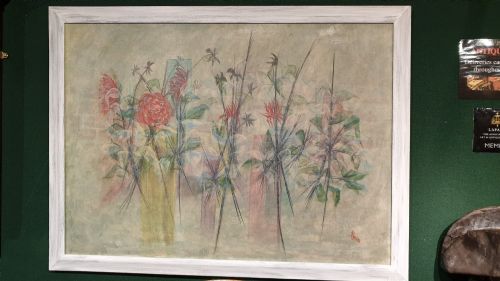
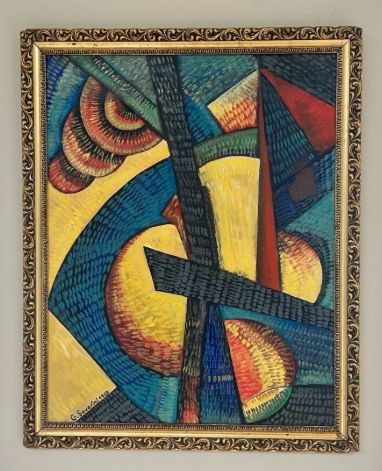
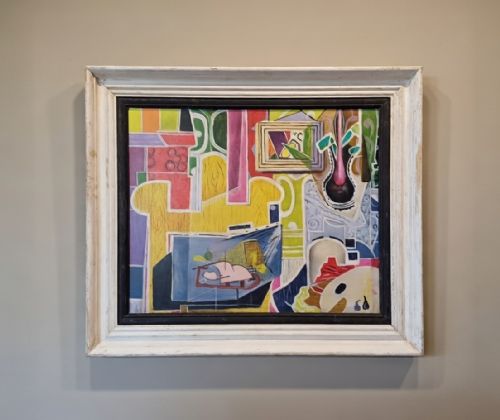
A vintage modern abstract painting brings mid-century energy and bold composition to a room through expressive brushwork and inventive forms.
Vintage Modern Abstract Painting
When you search for a vintage modern abstract painting, you encounter original mid-century works spanning from the nineteen-twenties through the nineteen-sixties. These pieces range from bold geometric compositions and cubist interiors to expressive landscapes and atmospheric cityscapes.
The selections on this page lean heavily into mid-century modernism, abstract expressionism, and French modernist idioms. Works typically appear framed on canvas, board, or paper, capturing the experimental spirit of twentieth-century visual art.
Materials and Techniques
Artists relied primarily on oil paint applied to canvas, board, or paper, often building thick impasto textures that give the surface physical depth. Gouache and mixed media also appear, supporting the dynamic line work and vibrant palettes characteristic of the period.
Supports range from traditional stretched canvas to sturdy wooden boards and heavy paper sheets. Framing styles match the period sensibilities, enclosing the painted surfaces in wood or painted mouldings.
Listings feature works spanning the nineteen-twenties through the nineteen-sixties, utilising canvas, board, and paper with oil and gouache.
Evaluating Quality
Quality rests upon the confidence of the brushwork, the strength of the compositional structure, and the handling of the medium. Works that demonstrate a clear command of colour harmony and spatial tension stand apart from simpler decorative exercises.
Provenance and documented attribution to known twentieth-century artists elevate certain pieces, though strong anonymous compositions succeed through sheer execution and material presence.
Tony Giles·Denis Mitchell·William Littlejohn·Edward Carter Preston·Derek Latimer Sayer·Richards Rubin·William Ernst Burwell
The Vintage Modern Abstract Painting Glossary
- Impasto
- Paint applied thickly to a canvas or board so that it stands out from the surface. This technique allows light to catch the physical ridges and marks left by the brush or palette knife.
- Cubism
- An early twentieth-century avant-garde art movement that revolutionised European painting. Subjects are broken up, analysed, and re-assembled in an abstracted form.
- Gouache
- An opaque water-based medium that dries to a matte finish. It provides rich, solid colour and was frequently used for vibrant mid-century works on paper.
- Mid-Century Modern
- A style in art and design spanning roughly from the nineteen-fifties to the nineteen-sixties. It prioritises clean lines, bold abstractions, and functional elegance.
Vintage Modern Abstract Painting: Frequently Asked Questions
What defines a vintage modern abstract painting?
These works originate from the mid-twentieth century and reject traditional realistic representation in favour of colour, form, and gestural marks. They draw on movements like cubism and abstract expressionism.
Artists during this era experimented freely with materials such as oil on canvas and board, creating dynamic compositions that reflect twentieth-century aesthetic shifts.
How should I hang and light these canvases?
Provide a wall with stable humidity away from direct sunlight to protect the oil paint and canvas supports. Simple picture lighting helps reveal the texture of impasto brushwork.
Allow the bold colours and abstract forms to anchor the room by keeping surrounding decor uncluttered and complementary to the mid-century palette.
How do I date a mid-century abstract work?
Examine the back of the canvas or board for period inscriptions, signatures, dates, or gallery stamps. Stylistic cues such as modernist geometry and colour choices also point to specific decades.
Materials like vintage stretchers and framing methods often corroborate the period of execution recorded in the signature or documentation.
Are these paintings original or prints?
The works listed here are original paintings executed by hand using oil, gouache, or mixed media on canvas, board, and paper. Each piece represents a unique act of creation.
Brush textures, paint layers, and the physical interaction of pigment with the support distinguish these one-of-a-kind artworks from mechanical reproductions.